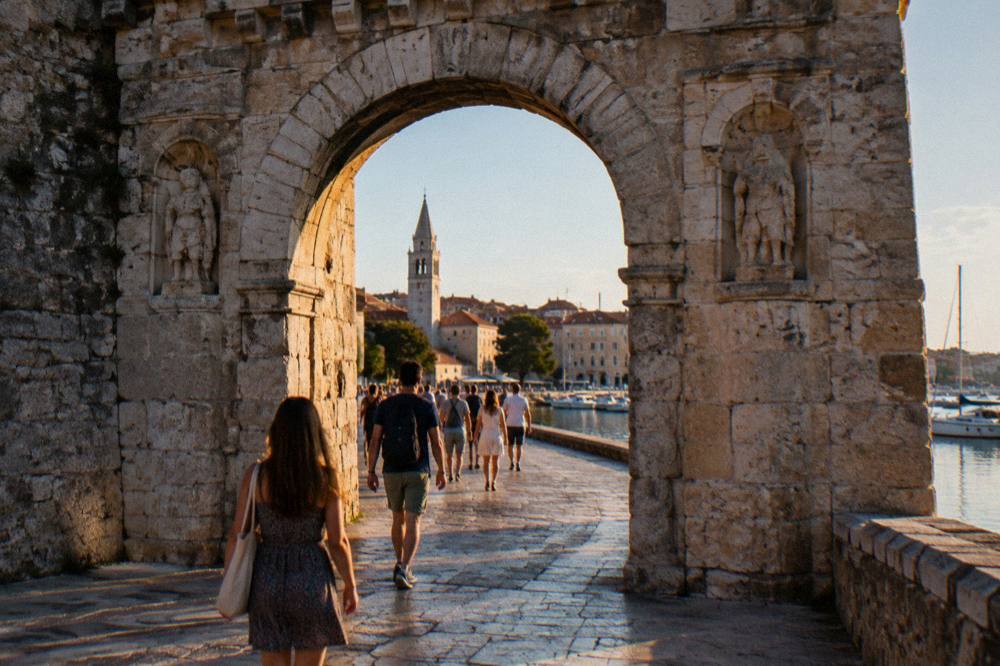
Zadar Vs Split
Zadar and Split sit on the same stretch of Adriatic coast about 158 km apart, but the two cities answer different travel questions. This guide compares them on what the primary sources actually say: verified distances, ticketed prices, free sights and climate records.
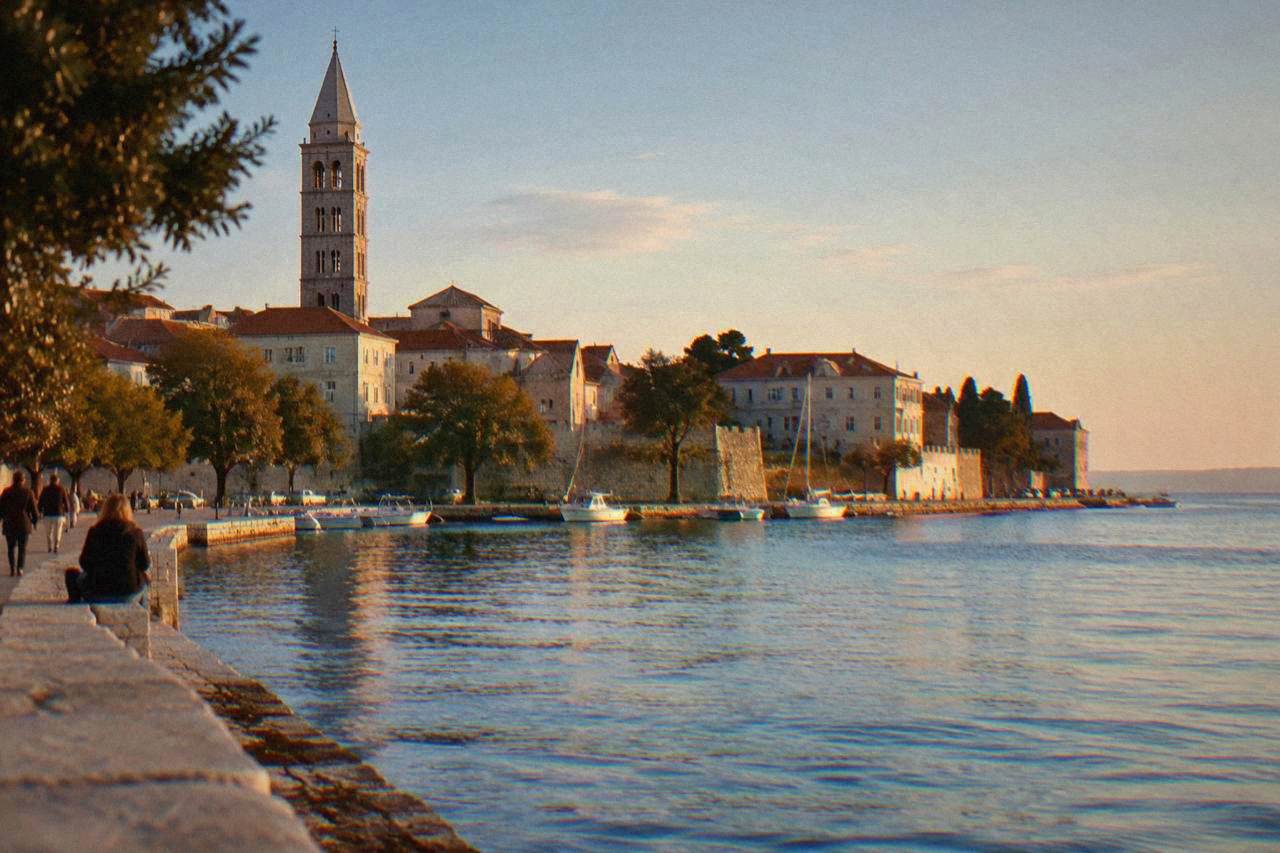
Short answer
Zadar is the smaller, quieter base about 158 km by road from Split, with free waterfront installations, cheaper park gateways nearby and no direct train between the two cities. Choose Zadar for islands and national parks, and read the detail below before choosing Split.
Zadar is a coastal city in Dalmatia, Croatia, built on a narrow peninsula that pushes into the Adriatic, with the islands of Ugljan and Dugi Otok sitting just offshore. Split lies 158 km down the coast by road, per the driving-distances list on the Zadar airport's own how-to-get-here page, and the two cities are regularly pitched against each other by travellers planning a Dalmatian route. The honest version of that comparison has to rest on what the sources actually record: measured road distances, published ticket prices, park price lists and the weather-station record, not on vibes. This page, from the Zadar Croatia Travel Guide editorial desk, compares the two on those grounds and stays silent where no recorded fact exists for either town. Where a competing guide would offer a confident verdict on atmosphere, this one offers a paper trail instead, and the reader supplies the taste.
Is Zadar Or Split The Better Base For A Dalmatian Trip?
Zadar is the smaller base with the shorter road distances to Krka, Paklenica, Plitvice, Nin and Pag, while Split is the larger transport hub 158 km to the south. The comparison that can be made is geographic: Zadar's Old Town sits on the Poluotok peninsula, its free waterfront installations are open around the clock, and the island and park day trips listed on this site start from its harbour. Beyond its airport and ferry terminal, Split falls outside the scope of this guide.
Plenty of comparison articles rank the two cities on atmosphere, restaurant scenes and nightlife, and those calls come down to taste. The Zadar side of the ledger is more concrete: the Museum of Ancient Glass's ticket page lists its full adult price, the national park price lists for Krka, Plitvice, Paklenica, Kornati and Telašćica all carry seasonal rates, and the DHMZ station table for Zadar gives a 1961-2024 climate record. Readers who want a fuller argument one way or the other can start with is Zadar nicer than Split and the overview of things to do in Zadar.
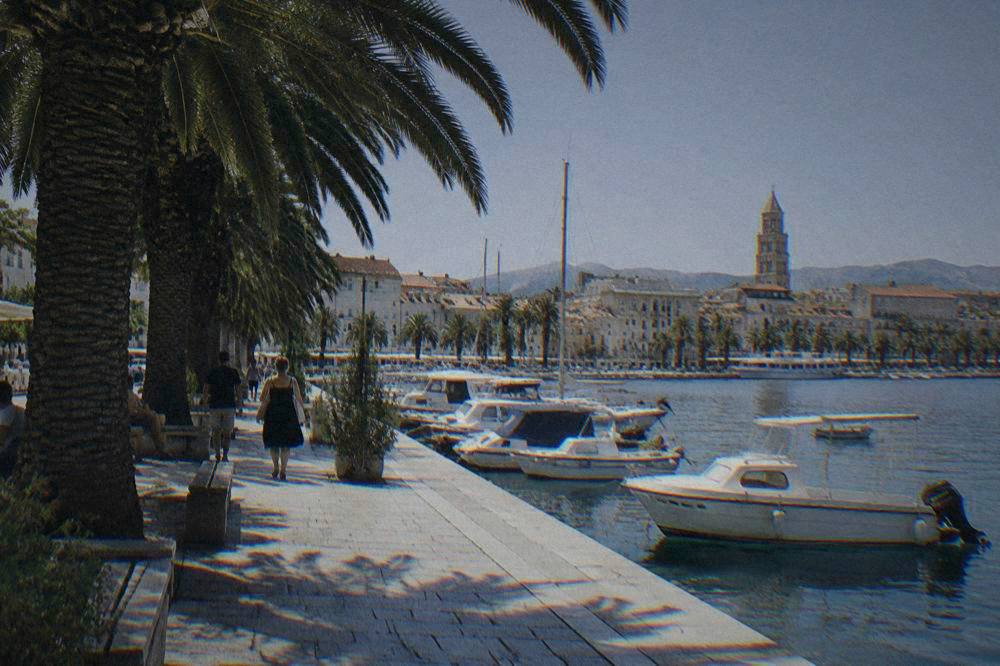
How Far Is Zadar From Split And How Do You Travel Between Them?
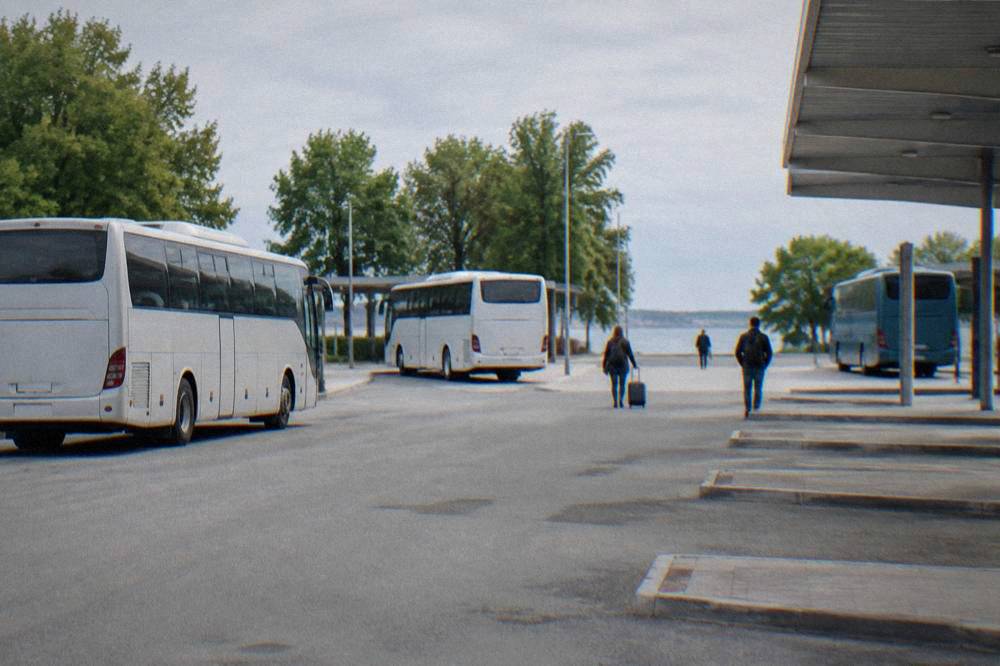
Zadar and Split are 158 km apart by road, a figure printed on the Zadar airport's own driving-distances page. Buses run from Zadar's Liburnija-operated station at Ante Starčevića 1, and driving the coastal route passes Šibenik at the 89 km mark on the same OSRM-computed distance table. For the return leg and the practical detail, see the dedicated Zadar to Split guide.
The train question comes up constantly and deserves a direct answer: Zadar does have a railway station, right next to the main bus station, but passenger trains do not currently run to it. The Zadar-Knin line is closed to passenger traffic while it is renovated, and Zagreb-Split trains run via Knin without reaching Zadar, so there is no direct train between Zadar and Split or between Zadar and Zagreb; the practical options are coach, car and ferry. The fuller detail is in is there a train between Zadar and Split and how do you get from Split to Zadar. Road time depends on season and traffic; the drive-time figures are listed in the day-trip table further down this page. Anyone planning a same-day round trip should treat the 158 km as a planning fact rather than a promise of pace.
What Can You See In Zadar Without Spending On Tickets?
Zadar's headline sights on the waterfront are free and open at all hours: the Sea Organ from 2005 and the Greeting to the Sun from 2008, both by architect Nikola Bašić, alongside the Roman Forum, Kalelarga, Five Wells Square and the 1543 Land Gate. The paid layer on top is thin: the Museum of Ancient Glass charges a 7.00 EUR adult ticket, and the Archaeological Museum and St Donatus Church share a joint tariff with 7.00 and 5.00 EUR rates, so around 7 EUR at full price is the honest figure.
That free-to-paid ratio is the structural difference a budget comparison can stand on. The Sea Organ's steps and the Greeting to the Sun's glass circle beside them cost nothing, at any hour, because both are open public installations rather than ticketed attractions. The Roman Forum and the Land Gate, built in 1543 to Michele Sanmicheli's design, sit on public streets. One caveat is current: St Donatus Church faces a roof restoration planned from autumn 2026, roughly six months of works as the first phase of a wider restoration, so access may be limited and should be checked before a visit.
| Sight | Status | Cost | Notes |
|---|---|---|---|
| Sea Organ (2005) | Free, open installation | 0 EUR | Open access |
| Greeting to the Sun (2008) | Free, open installation | 0 EUR | Open access |
| Roman Forum | Public site | 0 EUR | Open access |
| Land Gate (1543) | Public street | 0 EUR | Open access |
| Museum of Ancient Glass | Ticketed | 7.00 EUR adult | Check the current tariff with the operator |
| Archaeological Museum + St Donatus | Ticketed | around 7 EUR full price | Check the current tariff with the operator |
Zadar is also one of six components of the UNESCO property "Venetian Works of Defence", the transnational inscription listed by UNESCO and inscribed in 2017, a detail that surprises readers who assume the whole Old Town is a World Heritage Site. The defensive system, not the peninsula as a whole, carries the listing, and the UNESCO list page names Zadar among its components alongside sites in Italy, Croatia and Montenegro.
For travellers weighing the two cities on foot traffic and pace, the sourced facts stop and the reader's own preference takes over; the walking-pace question is covered in is Zadar worth visiting.
The harbour side of the comparison matters because Zadar's boat trips leave from the peninsula's edge. A traditional boat tour with three swim and wine stops explores the same waters the free installations look out on, and the listing shows its own price and rating.
How Do The Costs Of A Zadar Trip Compare With A Split Trip?
Zadar's known costs are its museum tickets (7.00 EUR at the Museum of Ancient Glass, around 7 EUR at the Archaeological Museum), its national park entrances (5 to 40 EUR per adult depending on park and season), and a tourist tax collected by accommodation, whose rate is confirmed at booking.
The park fee ladder is where Zadar's position as a base becomes concrete. Krka charges adults 7 EUR in January to March and November to December, 20 EUR in April, May and October, and 40 EUR from June to September. Plitvice runs 10, 23 and 40 EUR across the same seasonal split, with a 25 EUR late-afternoon summer price. Paklenica is 5 EUR in deep winter, 8 in the shoulder months and 10 from May to September. Kornati is the outlier: it is charged per vessel by length and season, from 25 EUR for a boat under 7 metres in the off-season to 95 EUR for 11 to 17.99 metres in summer, and the ticket is bought outside the park. Everything else covered here is indexed on Zadar Croatia Travel Guide.
| Park or museum | Adult cost | Season or note |
|---|---|---|
| Krka NP | 7 / 20 / 40 EUR | Jan-Mar+Nov-Dec / Apr, May, Oct / Jun-Sep |
| Plitvice Lakes NP | 10 / 23 / 40 EUR | Winter / Apr-May, Oct / Jun-Sep before ~16:00 |
| Paklenica NP | 5 / 8 / 10 EUR | Jan, Feb, Nov, Dec / Mar, Apr, Oct / May-Sep |
| Telašćica Nature Park | 6 / 8 EUR | Land entrance, Dolac |
| Kornati NP | 25-95 EUR per vessel | By boat length and season |
| Museum of Ancient Glass | 7.00 EUR | Adult, ticket page |
One fresh fact sharpens the timing question: from 1 October 2026 both Plitvice and Krka dropped to their winter-shoulder rates, Plitvice to 23 EUR in October and 10 EUR from November, Krka to 20 EUR then 7 EUR. An autumn base in Zadar therefore pairs with materially cheaper park entries, a point the seasonal pricing pages of both parks confirm directly. A trip built around the October drop pays less than half the summer gate price at both parks, which is a saving no amount of itinerary cleverness can replicate in July.
Which Beaches And Swimming Does Zadar Offer?
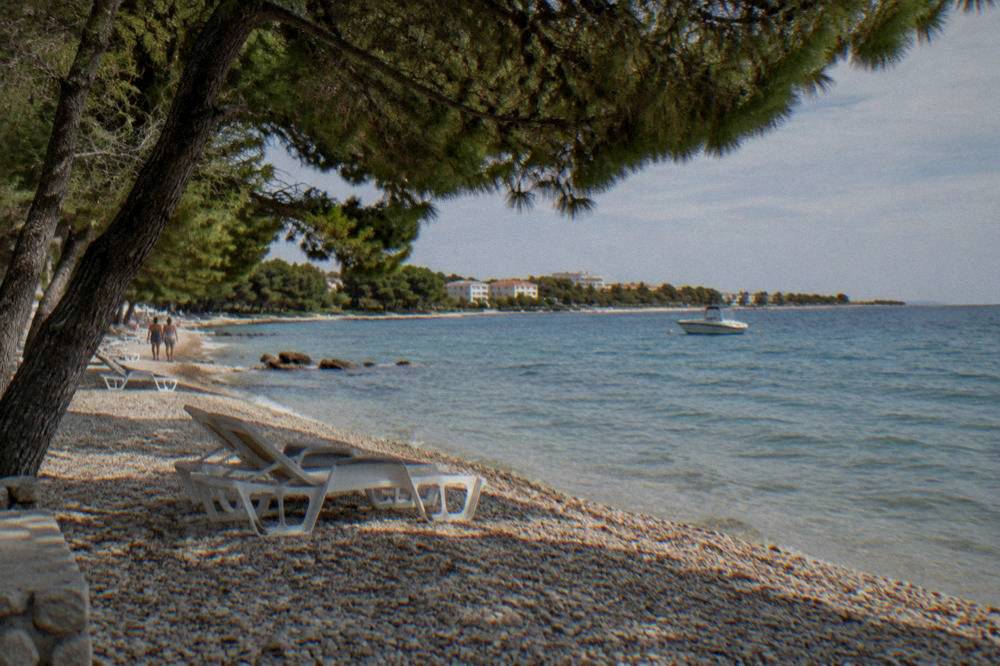
Zadar's city beaches run along the coast road and bays around the peninsula, with Kolovare, Borik, Puntamika and Diklo each covered by a dedicated guide on this site, and under 2026 county concession rules no beach may charge an entry fee or fence off access, with commercial sunbed use capped at 40 to 60 percent of a concession area. The rest of each beach stays free for visitors with their own towels. No monthly sea-temperature normal exists on any official page, so sea warmth is checked against the live DHMZ reading, which showed 21.3 to 21.4 C at Zadar on 11 October 2026.
The concession rules, adopted by the Zadar County Assembly for the 2026 season, are the quiet information gain here: they align with the national Law on Maritime Domain and mean the shoreline around the city cannot become a paywall. For the detail on each stretch, see Zadar beaches and the individual area guides.
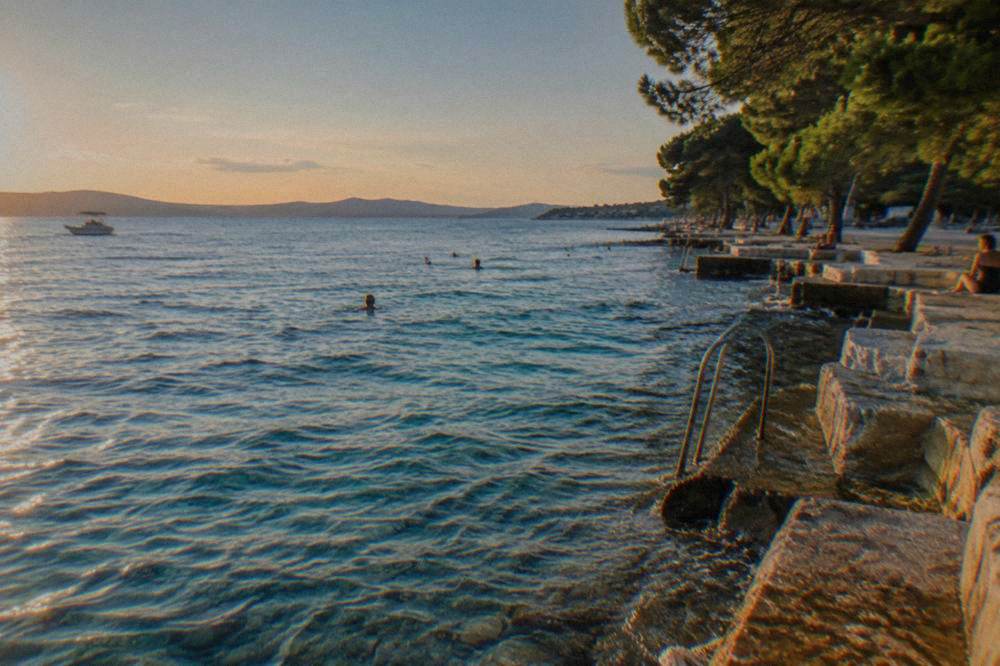
Swimming also frames the boat-trip decision. The water off the peninsula is the same water the island tours cross, and a small-group speedboat trip with snorkeling gear covers it in an afternoon, with the listing carrying its own current price and rating. The tour's own page on this site, luxury island boat tour with snorkeling and unlimited wine, describes the route, and live dates render from the operator's listing: Check availability.
Which Day Trips Are Shorter From Zadar?
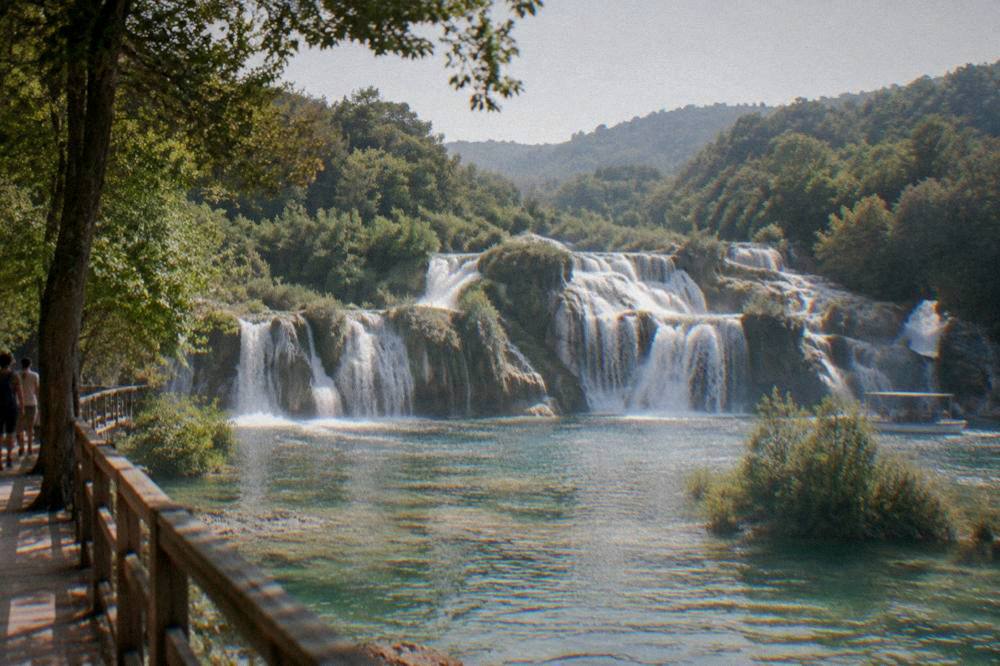
From Zadar's Old Town, the distances are 19.8 km to Nin, 46.8 km to Paklenica, 76 km to Skradin for Krka, 91 km to the Krka Skradinski Buk entrance, 89 km to Šibenik and 145 km to Plitvice, with driving times of 28, 57, 62, 73, 71 and 153 minutes respectively.
The pattern matters for planning. Krka's main entrance is close enough that a morning departure works, and Plitvice, at two and a half hours each way, is a full-day commitment from Zadar that most guided tours wrap into a single outing with tickets included. The Zadar day trips guide lays out the full menu, and the running time of any specific product comes from its listing rather than from prose.
| Destination from Zadar Old Town | Distance | Drive time |
|---|---|---|
| Nin | 19.8 km | 28 min |
| Paklenica NP | 46.8 km | 57 min |
| Skradin (Krka) | 76 km | 62 min |
| Šibenik | 89 km | 71 min |
| Krka, Skradinski Buk | 91 km | 73 min |
| Plitvice Lakes NP | 145 km | 153 min |
| Split (from airport page) | 158 km | not stated |
For Plitvice, a guided day tour from Zadar with tickets included removes the timed-entry question entirely, since the park recommends online tickets and applies daily limits. The listing shows its own rating, review count and current price.
Kornati and Telašćica stretch the logic seaward: the Kornati archipelago is reached by boat, its entry charged per vessel rather than per person, and a full-day trip with lunch covers both the islands and the Telašćica bay in one run from Zadar's harbour. Nin, at under 20 km, works as a half-day add-on that needs no tour at all.
What Is The Weather Like In Zadar Through The Year?
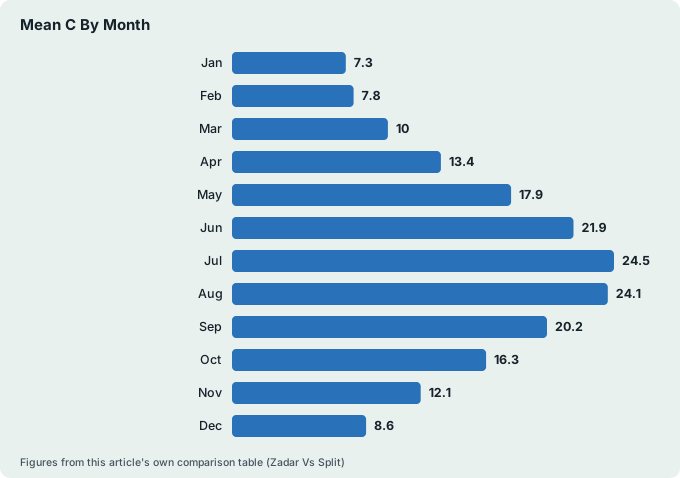
The Zadar station record for 1961-2024 gives July a mean of 24.5 C and January 7.3 C, with 35.4 mm of rain in July and 123.0 mm in November, and about 2,600 hours of sunshine a year, according to the DHMZ station table.
| Month | Mean C | Rain mm |
|---|---|---|
| Jan | 7.3 | 76.4 |
| Feb | 7.8 | 67.0 |
| Mar | 10.0 | 66.3 |
| Apr | 13.4 | 61.4 |
| May | 17.9 | 64.4 |
| Jun | 21.9 | 48.5 |
| Jul | 24.5 | 35.4 |
| Aug | 24.1 | 52.8 |
| Sep | 20.2 | 110.9 |
| Oct | 16.3 | 106.8 |
| Nov | 12.1 | 123.0 |
| Dec | 8.6 | 99.6 |
Read the table before generalising, as the record itself insists: September and October both carry more than 100 mm of rain, yet October still averages 16.3 C, which is exactly the window in which the park prices drop. The seasonal detail, including the record high of 39.0 C recorded on 6 August 2022, sits in Zadar weather and the best time to visit Zadar.
How Many Days Should You Give Each City?
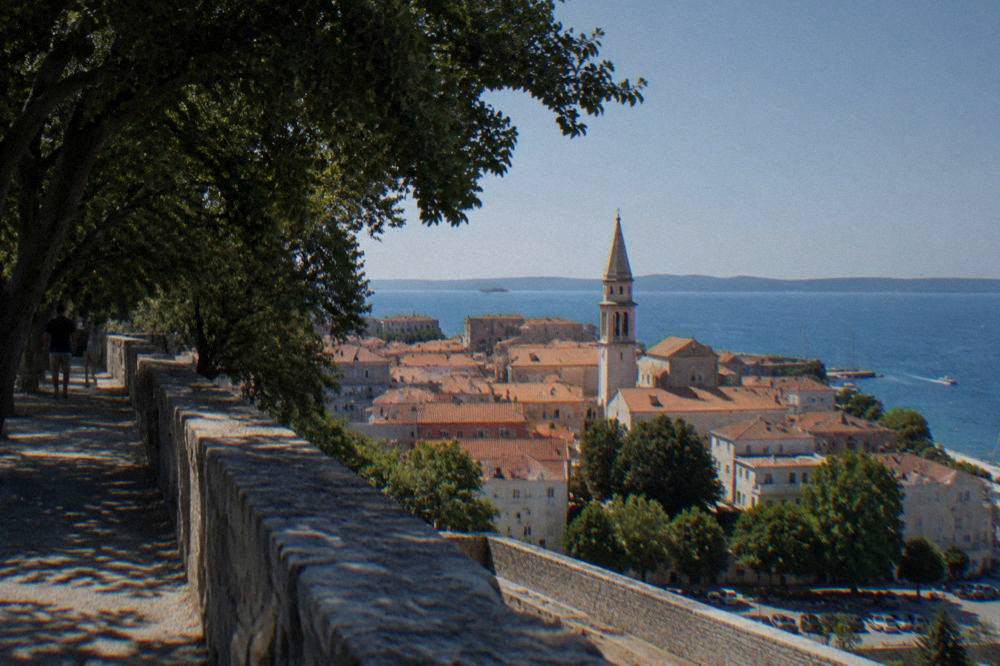
Zadar rewards two to four days on the itineraries this site publishes: one day covers the peninsula's sights, two add the islands or Krka, three to four add Plitvice and Paklenica, and the dedicated guides break each version down day by day. A Split allocation cannot be sourced the same way, so the recommendation here is framed as what fits around Zadar, with Split handled as a stop on a longer coastal route rather than a rival claimant on equal evidence.
The itineraries are the practical answer: one day in Zadar, two days in Zadar and the Zadar 4-day itinerary each exist as full pages, and the summary argument is in how many days in Zadar. Where to sleep along the way is covered in where to stay in Zadar.
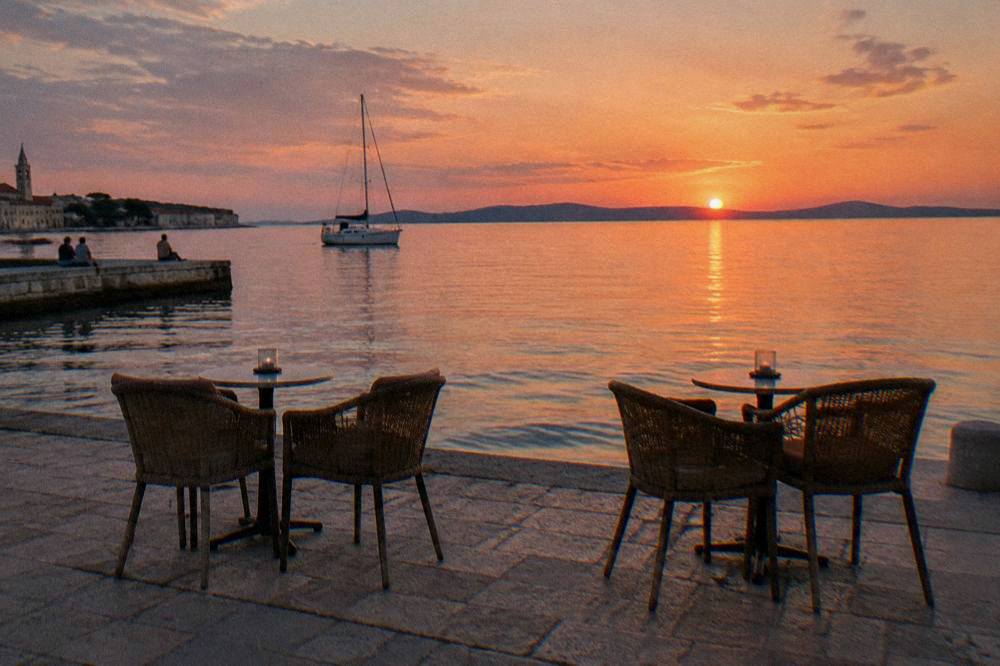
One planning footnote belongs to the winter window: Zadar Advent runs 24 November 2026 to 2 January 2027 across three locations, with an ice rink on the Forum and a programme of concerts, and the Zadar Christmas Run falls on 27 December 2026. A short-break comparison in December therefore tilts toward whatever is happening on the calendar rather than toward beach weather, which the station table above already answers.
Common Questions About Zadar Vs Split
Is Zadar or Split better?
Zadar's side of the ledger includes free waterfront installations, park fees from 5 to 40 EUR and a 1961-2024 station climate record. Read the Zadar detail here and the argument in the linked answer pages before deciding.
Is there a train between Zadar and Split?
Travel between the cities is by road.
How far is Zadar from Split?
158 km by road, according to the driving-distances list on Zadar airport's how-to-get-here page.
Is Zadar cheaper than Split?
Zadar's costs are straightforward: museum entry at 7.00 EUR, national park tickets of 5 to 40 EUR depending on the season, and a tourist tax; check the exact amount when you book. For a fair comparison, look up Split's current prices as you plan your trip.
Can you visit Krka or Plitvice from both cities?
Both parks are reachable from either base. From Zadar, Krka is 76 km to Skradin and 91 km to Skradinski Buk, and Plitvice is 145 km away.
Which city has better weather?
The only station record available is Zadar's, 1961-2024: a July mean of 24.5 C, 123 mm of November rain and about 2,600 hours of sunshine a year. No Split station table is in the sources, so no weather verdict is offered.