Is Zadar Worth Visiting
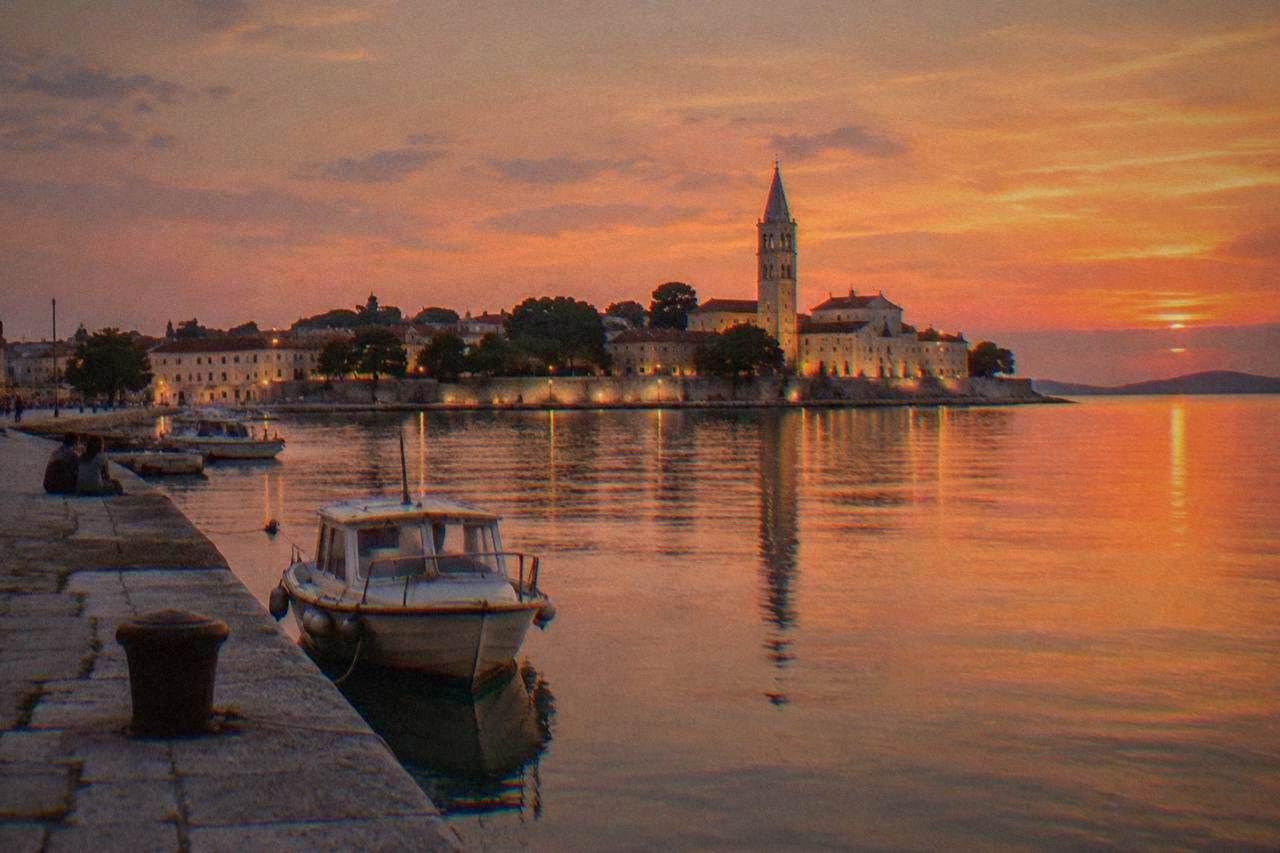
Zadar is a coastal city in Dalmatia, Croatia, where a Roman forum, a wave-powered organ and two national parks within a two hour drive sit on one small peninsula. Here is how to decide whether it deserves your days.
Short answer
Yes, for most trip styles Zadar earns its place: the Sea Organ and Greeting to the Sun are free and open around the clock, the Old Town walk takes an afternoon, and Krka, Plitvice, Kornati and Paklenica are all reachable as day trips. The trade offs are a small museum set and a September to November rainy season.
Zadar sits on a narrow peninsula on the Dalmatian coast of Croatia, with the islands of Ugljan and Dugi Otok a short crossing offshore and the national parks of Krka, Plitvice, Kornati, Paklenica and Telašćica all reachable as day trips. The city counted 67,309 residents at the 2021 census, a secondary figure quoting the national statistics office, which makes it small enough to walk end to end and busy enough to hold a full week. The question of whether it is worth visiting has a short answer and a long one. The short answer is that the two installations people cross Europe to see, the Sea Organ and the Greeting to the Sun, are free, open at all hours, and sitting on the public riva, and the rest of this page lays out the numbers behind the longer one.
What Makes Zadar Worth Visiting?
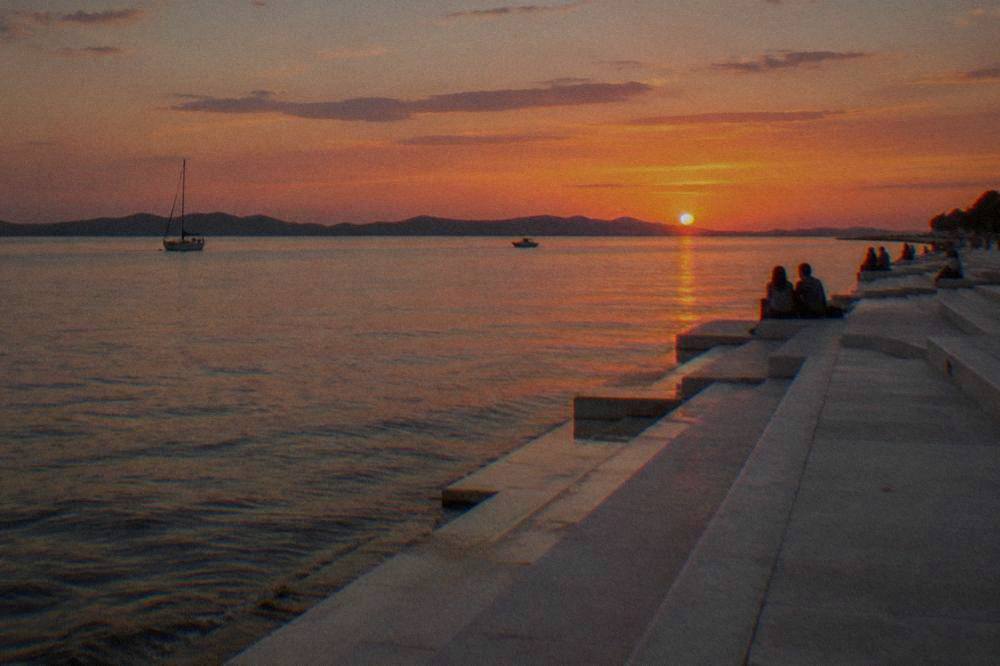
Zadar earns a trip on three things together: a walkable Old Town with free Roman and medieval sights, two free waterfront installations by the architect Nikola Bašić, and a position that puts five protected parks and a string of islands within day trip range. The city's own tourism pages list the Sea Organ and the Greeting to the Sun as open public spaces, and the UNESCO listing of 2017 covers the city's Venetian defensive walls, not the whole peninsula.
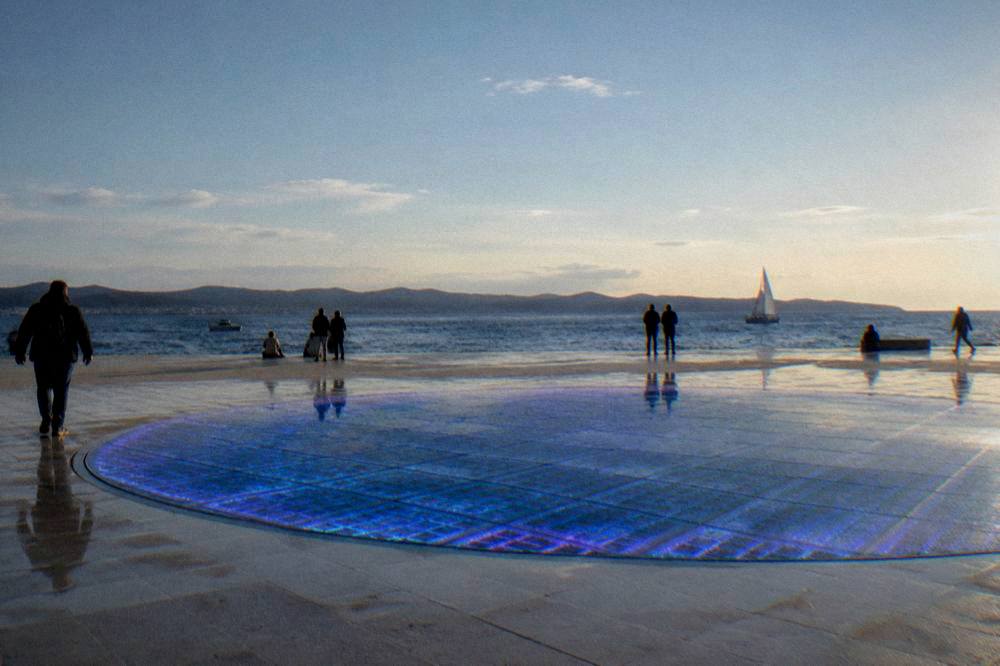
The Sea Organ dates from 2005 and the Greeting to the Sun from 2008, both by Nikola Bašić, and both are free to anyone walking the riva at any hour. The Sea Organ is a set of pipes under the seawall that sound when waves push air through them, roughly 70 metres of steps with 35 pipes by the reported figures. The Greeting to the Sun is a 22 metre circle of solar cells beside it that stores light through the day and plays it back after dark. Neither has a ticket, a gate or a closing time.
The third pillar is geography. The Land Gate of 1543, built to a design attributed to Michele Sanmicheli, still marks the entrance to the peninsula, and the Roman Forum, Kalelarga and Five Wells Square are all free public spaces around it. Offshore, Ugljan is about 25 to 30 minutes by ferry and Dugi Otok about an hour and forty minutes on the Jadrolinija line from Gaženica. Inland, the OSRM road figures put Nin at 19.8 km, Paklenica at 46.8 km, Skradin at 76 km and Plitvice at 145 km from the Old Town.
What Are The Free Things To See In Zadar's Old Town?
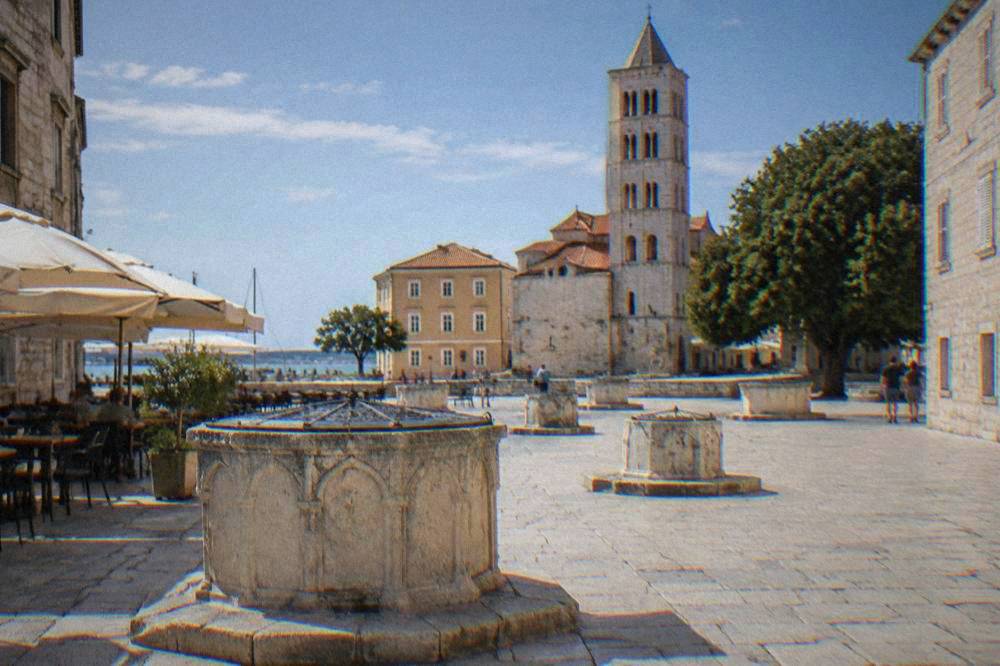
The free list is longer than the paid one in Zadar: the Sea Organ, the Greeting to the Sun, the Roman Forum, Kalelarga, Five Wells Square, the Land Gate, the exterior of the Church of St Donatus and the riva walk itself all cost nothing, because the city's own pages describe them as open public space rather than ticketed attractions. Only the museums and church interiors carry fees, at 7.00 EUR for the Museum of Ancient Glass and around 7 EUR at full price for the Archaeological Museum.
That balance is unusual for a Croatian coastal city of this size. The Old Town, the Poluotok, is a peninsula you can cross on foot in twenty minutes, and its headline sights are streets, squares and installations rather than exhibitions. The Roman Forum sits in the open beside the Church of St Donatus, a round church whose exterior can be walked around at any time. The interior is another matter: a roof restoration is planned from autumn 2026, about six months of works as the first phase of a roughly two year project, so access may be limited and should be checked before a visit.
| Sight | Cost | Notes |
|---|---|---|
| Sea Organ | Free | 2005, Nikola Bašić, open at all hours |
| Greeting to the Sun | Free | 2008, Nikola Bašić, 22 m installation |
| Roman Forum | Free | Open public space |
| Kalelarga | Free | Main street of the peninsula |
| Five Wells Square | Free | Open public space |
| Land Gate | Free | Built 1543, Michele Sanmicheli |
| Museum of Ancient Glass | 7.00 EUR adult | Groups of five or more 5.00 EUR |
| Archaeological Museum and St Donatus | Around 7 EUR full price | Tariff page shows 7.00 and 5.00 EUR rows |
One planning note on the walk itself: tip-based walking tours run locally in Zadar, so confirm the arrangement directly with your guide before setting out. For the waterfront half of the peninsula, the old town guide covers the street layout in detail, and the Zadar sunset evening route strings the free sights into one loop.
How Much Does A Trip To Zadar Cost?
Daily costs in Zadar run lower than the headline Croatian destinations on the evidence available: the sights listed above are mostly free, museum entry is 7.00 EUR at the Museum of Ancient Glass and around 7 EUR at the Archaeological Museum, the national park day trips cost 5 to 40 EUR per adult depending on park and season, and the airport shuttle into the city is a fixed 5.00 EUR one way.
Croatia has used the euro since 1 January 2023, so there is no currency maths to do.
The park fees are the biggest variable and they are strictly seasonal. Krka charges 7 EUR in January to March and November to December, 20 EUR in April, May and October, and 40 EUR from June to September. Plitvice runs 10 EUR in the deep winter months, 23 EUR in April, May and October, and 40 EUR in summer before about 16:00. Paklenica is the bargain at 5 to 10 EUR, and Kornati is charged per vessel rather than per person, from 25 to 45 EUR for a one day entry depending on boat length and season, bought outside the park itself.
| Item | Price | Source basis |
|---|---|---|
| Krka NP, adult | 7 / 20 / 40 EUR by season | Park price list, 2026 |
| Plitvice Lakes NP, adult | 10 / 23 / 40 EUR by season | Park price list |
| Paklenica NP, adult | 5 / 8 / 10 EUR by season | Park price list, 2026 |
| Telašćica, land entrance | 6 / 8 EUR by season | Park price list |
| Kornati NP, per vessel | 25 to 95 EUR by length and season | Park price list, 2026 |
| Museum of Ancient Glass | 7.00 EUR adult | Museum ticket page |
| Airport shuttle | 5.00 EUR one way, luggage included | Airport how-to-get-here page |
The Zadar cost guide works through the budget picture, and the krka versus plitvice comparison helps if only one park fits the itinerary.
What Is The Weather Like In Zadar?
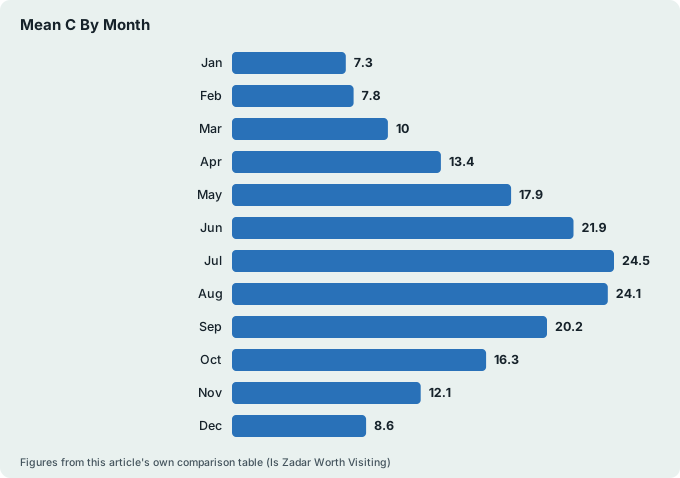
The Zadar weather station, recording 1961 to 2024, shows a Mediterranean coastal pattern: July is the warmest month at a 24.5 C mean, January the coolest at 7.3 C, July the driest at 35.4 mm of rain and November the wettest at 123 mm, with about 2,600 hours of sunshine a year. June through August is the reliable window for sea and boat days, while November trades crowds for the heaviest rainfall of the year.
The full station table matters more than the averages, because the shoulder seasons differ sharply. September still averages 20.2 C but carries 110.9 mm of rain, and October 16.3 C with 106.8 mm, so early autumn is warm but showery. May sits at 17.9 C with 64.4 mm, which makes it the driest warm shoulder month on the record. The station sits by the sea, which keeps winter nights milder than inland Dalmatia.
| Month | Mean C | Rain mm | Rain days |
|---|---|---|---|
| Jan | 7.3 | 76.4 | 10 |
| Feb | 7.8 | 67.0 | 9 |
| Mar | 10.0 | 66.3 | 9 |
| Apr | 13.4 | 61.4 | 10 |
| May | 17.9 | 64.4 | 10 |
| Jun | 21.9 | 48.5 | 8 |
| Jul | 24.5 | 35.4 | 5 |
| Aug | 24.1 | 52.8 | 6 |
| Sep | 20.2 | 110.9 | 9 |
| Oct | 16.3 | 106.8 | 9 |
| Nov | 12.1 | 123.0 | 12 |
| Dec | 8.6 | 99.6 | 12 |
For tying a trip to a month, the best time to visit guide and the Zadar weather page break the station data down season by season.
Which Day Trips Can You Take From Zadar?
Zadar works as a base for day trips better than nearly any city on this coast: the computed road distances from the Old Town are 19.8 km to Nin, 46.8 km to Paklenica National Park, 76 km to Skradin at the mouth of Krka, 89 km to Šibenik and 145 km to Plitvice Lakes, and the ferries from Gaženica reach Preko on Ugljan in about 25 to 30 minutes and Brbinj on Dugi Otok in an hour and forty.
That range covers Roman ruins, two national parks and two island chains without changing accommodation.
The road figures come from routing software, so treat them as pure drive times without stops. In practice the boat trips matter as much as the drives: Kornati National Park and Telašćica Nature Park sit offshore to the northwest, and the Kornati entry fee is per vessel, so a group boat trip bundles the fee question into one ticket. For Krka, one rule from the park's own policy changes planning: swimming has been banned at Skradinski Buk since 2021 to protect the travertine, and swimming is allowed only at the designated spots of Roški slap, Stinice and Pisak, from 1 June to 30 September, weather permitting.
| Destination | Distance from Old Town | Type |
|---|---|---|
| Nin | 19.8 km | Historic salt-town |
| Paklenica NP | 46.8 km | Hiking park |
| Skradin | 76 km | Krka gateway town |
| Krka, Skradinski Buk | 91 km | National park |
| Šibenik | 89 km | Historic town |
| Plitvice Lakes NP | 145 km | National park |
| Preko, Ugljan | About 25 to 30 min by ferry | Island |
| Brbinj, Dugi Otok | 1 h 40 min by ferry | Island |
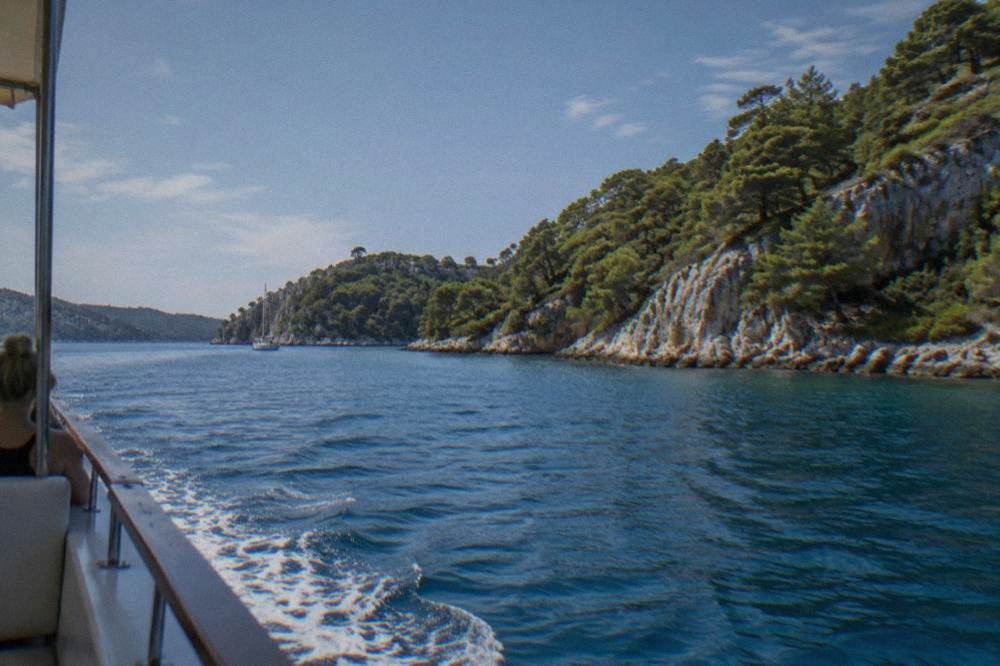
The Zadar day trips guide ranks the options, and the islands page covers which island suits which trip. A guided Plitvice option with tickets handled ahead of the gate is Check availability worth a look in peak summer, when the park's timed online tickets and daily limits apply.
Is Zadar Good For Beaches And Swimming?
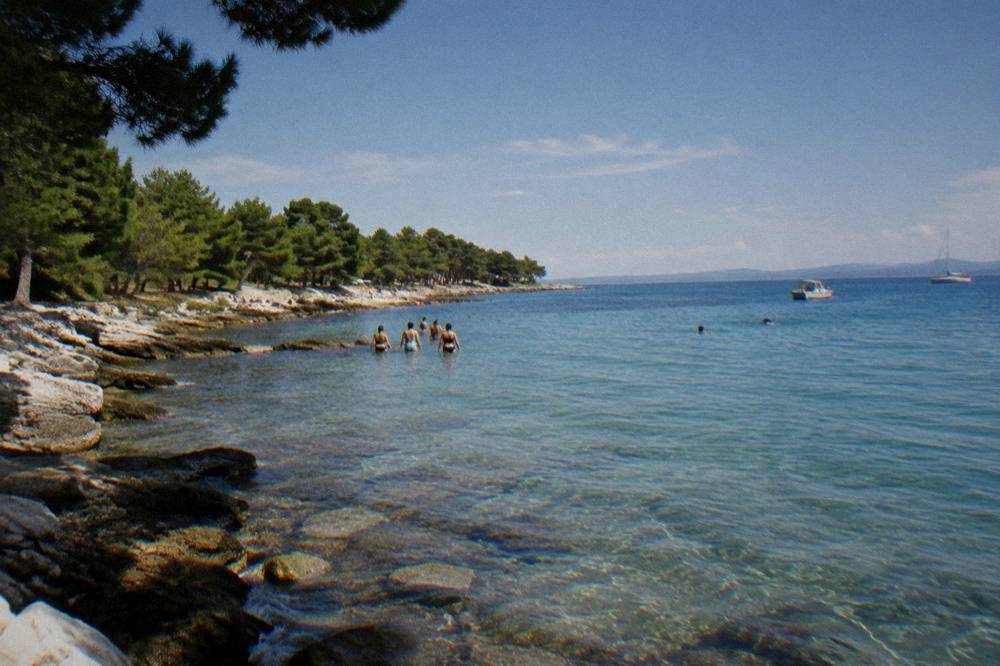
Yes, on the city's own terms: Zadar's beaches are stone and shingle rather than sand, the nearest swimmable stretches sit on the Borik and Puntamika side of the peninsula, and the 2026 county concession rules keep every beach in Zadar County free to enter, with no fencing and no entry fees, while limiting commercial sunbed coverage to 40 to 60 percent of a beach's area. The sand-beach day is a boat or ferry trip away, on Dugi Otok.
The county assembly decisions of April 2026 are worth knowing because they settle a question travellers often worry about: nobody can charge you to walk onto a concession beach in this county, and a set portion of every beach must stay free for people with their own towels. Inside the city, Kolovare beach on the mainland side is the walkable option from the Old Town, and the Zadar beaches guide maps the rest.
For sand, the crossing matters. Sakarun on Dugi Otok is the famous lagoon, reachable on the island boat tours, and the ferry to Brbinj puts a car within reach of the whole northwest of the island. The sea itself has no printed monthly normal on this site, only the official live reading from the hydrometeorological service, so check the current figure rather than a chart.
How Does Zadar Compare With Split?
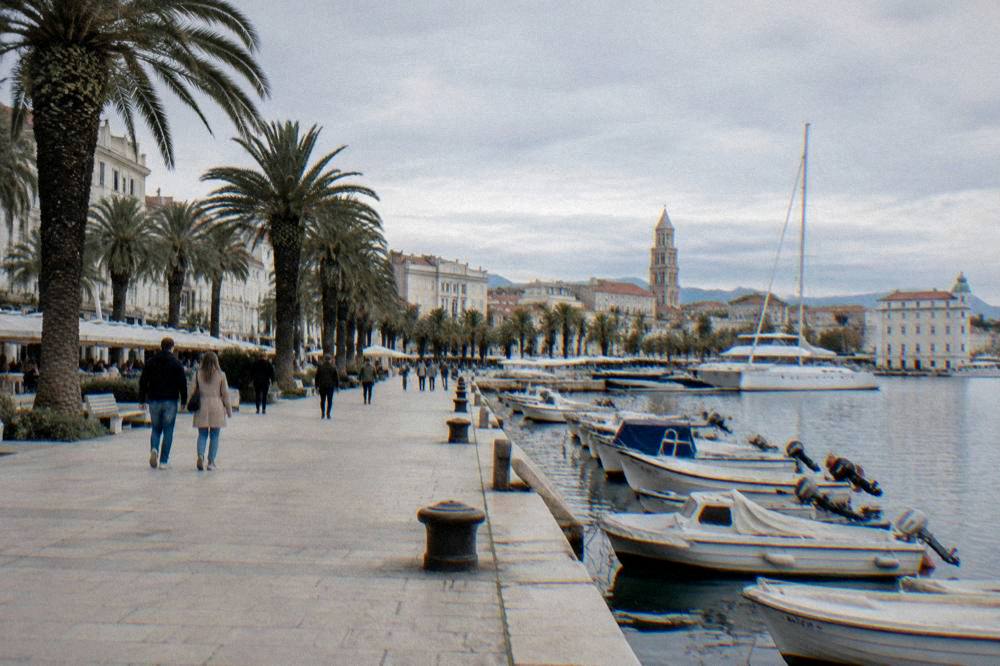
On the sourced facts, Zadar is smaller and cheaper to sightsee while Split is the bigger transport node: the airport page gives 158 km by road between the two cities, Zadar's headline sights are free while its museums charge around 7 EUR, and Zadar's parks sit closer, with Krka 91 km from the Old Town versus Plitvice at 145 km. This site holds no verified attraction or price data for Split itself, so the comparison stops at what is measurable.
What can be said with numbers: the drive between them is 158 km, and the bus is the scheduled surface link. Zadar's airport is about 8 km from the city by its own how-to-get-here page, with a 5.00 EUR shuttle that takes about 20 minutes to the Old Town and whose ticket stays valid 90 minutes on city buses. The Zadar versus Split guide and the Zadar to Split page cover the routing, and the getting to Zadar guide covers airports and ferries into the city.
On Zadar's side of the ledger: a free-sight core, five parks inside day trip range, and an airport that expanded its departures terminal in July 2026.
How Many Days Do You Need In Zadar?
Two days covers the Old Town properly, the riva at sunset and one island or park, and three to four days fits a second park and a beach day without rushing, on the arithmetic of what is walkable and what is a day trip: the peninsula itself is a twenty minute crossing on foot, every park is a full day out, and the Sea Organ and Greeting to the Sun cost an evening rather than a block of time. A week works only if islands and parks fill it.
The logic is distance, not opinion. One day exhausts the peninsula: forum, churches, museums, the riva loop and the evening on the waterfront steps. Each park, Krka, Plitvice, Paklenica, Kornati, is a full day door to door. So two days equals city plus one trip, four days equals city plus three trips, and beyond that the calendar fills with islands, Nin, Pag and food. The how many days guide and the ready-made one day and two day itineraries break this down hour by hour.
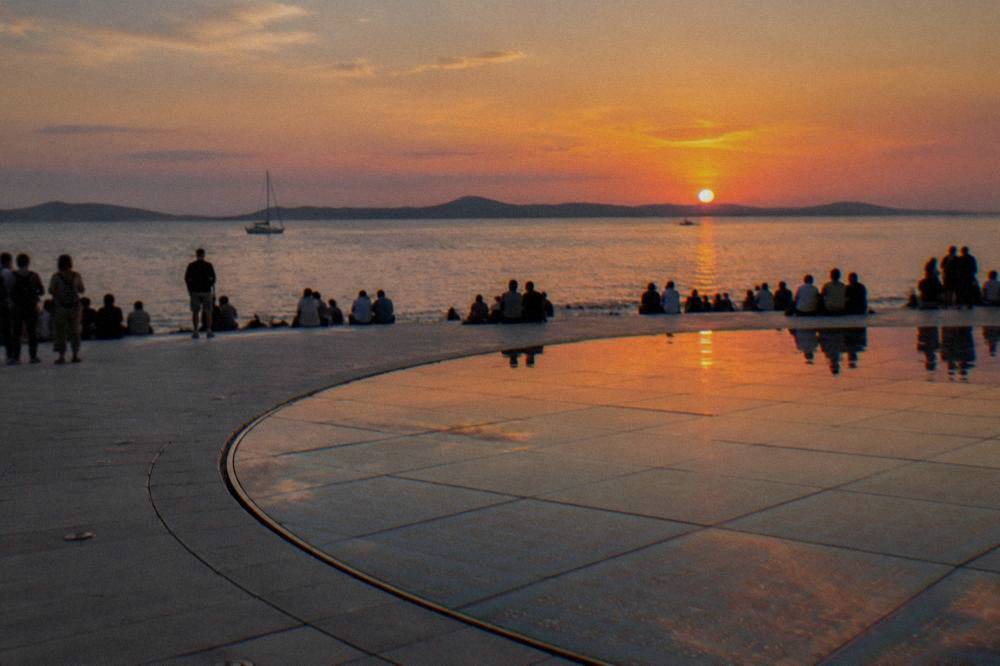
For an evening structure, the sunset sequence is the city's signature and costs nothing: the Sea Organ sounds from the seawall steps while the Greeting to the Sun's 22 metre circle picks up the last light across the pavement. The city's tourism office markets that sunset heavily, and the installations are the reason it lands.
What Are The Reasons Zadar Might Not Suit You?
The honest case against rests on four verified points: the September to November period carries the year's heaviest rainfall, 110.9 to 123 mm a month on the station record, the Church of St Donatus faces about six months of roof works planned from autumn 2026 with access possibly limited, the city's museum offer is a handful of small institutions rather than a heavyweight set, and the nearest sand beaches are an island crossing away rather than on the peninsula itself.
Add the seasonal pricing trap for park lovers: a July Plitvice ticket is 40 EUR and a November one is 10 EUR, so the same day trip costs four times more in high summer, with timed entry and daily limits in the busy months. Krka follows the same shape, 40 EUR in summer against 7 EUR in deep winter. None of this makes the city a poor choice, but it changes which month earns the trip.
Two local rules also bite in summer 2026 as reported: dress-code signs at the entrances to the historic core ask for appropriate clothing, with no swimwear, and fines up to 130 EUR are reported for ignoring them, and the municipality has signalled a night-time restriction on retail alcohol sales in the Old Town, leaving bars and restaurants unaffected. Confirm current enforcement locally.
| Drawback | The fact | Mitigation |
|---|---|---|
| Autumn rain | 110.9 to 123 mm per month, Sep to Nov | Visit May to August, or plan museum days |
| St Donatus works | Roof restoration planned from autumn 2026 | Check access before going |
| Sand beaches off peninsula | Sakarun is on Dugi Otok | Take an island boat day |
| Summer park prices | Plitvice 40 EUR, Krka 40 EUR in peak | Shift trips to May, June or September |
The rainy day itinerary exists precisely for the wet months, and the museums page lists what is open indoors, including the Museum of Ancient Glass.
Common Questions About Visiting Zadar
Is Zadar worth visiting compared with other Croatian cities?
On the sourced facts, Zadar's strengths are a free walkable sightseeing core, five protected parks within day trip range and a working airport 8 km out. This site holds no verified data on other cities' attractions or prices, so the comparison stays on drive distances and Zadar's own figures.
Is Zadar expensive?
The core sights are free, the Museum of Ancient Glass charges 7.00 EUR adult, national park day trips run 5 to 40 EUR by season, and the airport shuttle is 5.00 EUR. Croatia uses the euro and is in Schengen, which removes two classic frictions.
What is the single best thing to do in Zadar?
The evening on the riva costs nothing: the Sea Organ, installed 2005, and the Greeting to the Sun, installed 2008, both by Nikola Bašić, are open to the public at all hours, and the sunset they frame is the city's signature.
Can you swim in Zadar?
Yes. City beaches are stone and shingle, county rules keep beach entry free, and sand lagoons such as Sakarun sit on Dugi Otok, a ferry or boat trip away. Check the live sea temperature, as no monthly normal is published.
How do you get from Zadar Airport to the Old Town?
The airport is about 8 km from the city. The Liburnija shuttle runs about 20 minutes to the Old Town for 5.00 EUR one way including luggage, and the ticket stays valid 90 minutes on city buses.
Is anything closed in Zadar right now?
The Church of St Donatus faces roof works planned from autumn 2026, about six months, with individual access dependent on the phase, so check before visiting. No 2026-27 closures were found for the Sea Organ, the bell tower or the city walls.
For where to sleep, the where to stay guide maps the peninsula against Borik, and for building the rest of the days, the pages of Zadar Croatia Travel Guide carry the itineraries, the ferry tables and the park price lists in one place.
