Zadar Prices
A cost breakdown for Zadar built only on figures the official sources publish: museum tariffs, seasonal national park fees, the airport shuttle and the park day trips that start from the city.
Short answer
Zadar is priced in euro. Entry to the main museums runs at around 7 EUR full price, the Sea Organ and Greeting to the Sun are free, the national parks charge 7 to 40 EUR per person depending on season, and the airport shuttle is 5.00 EUR one way.
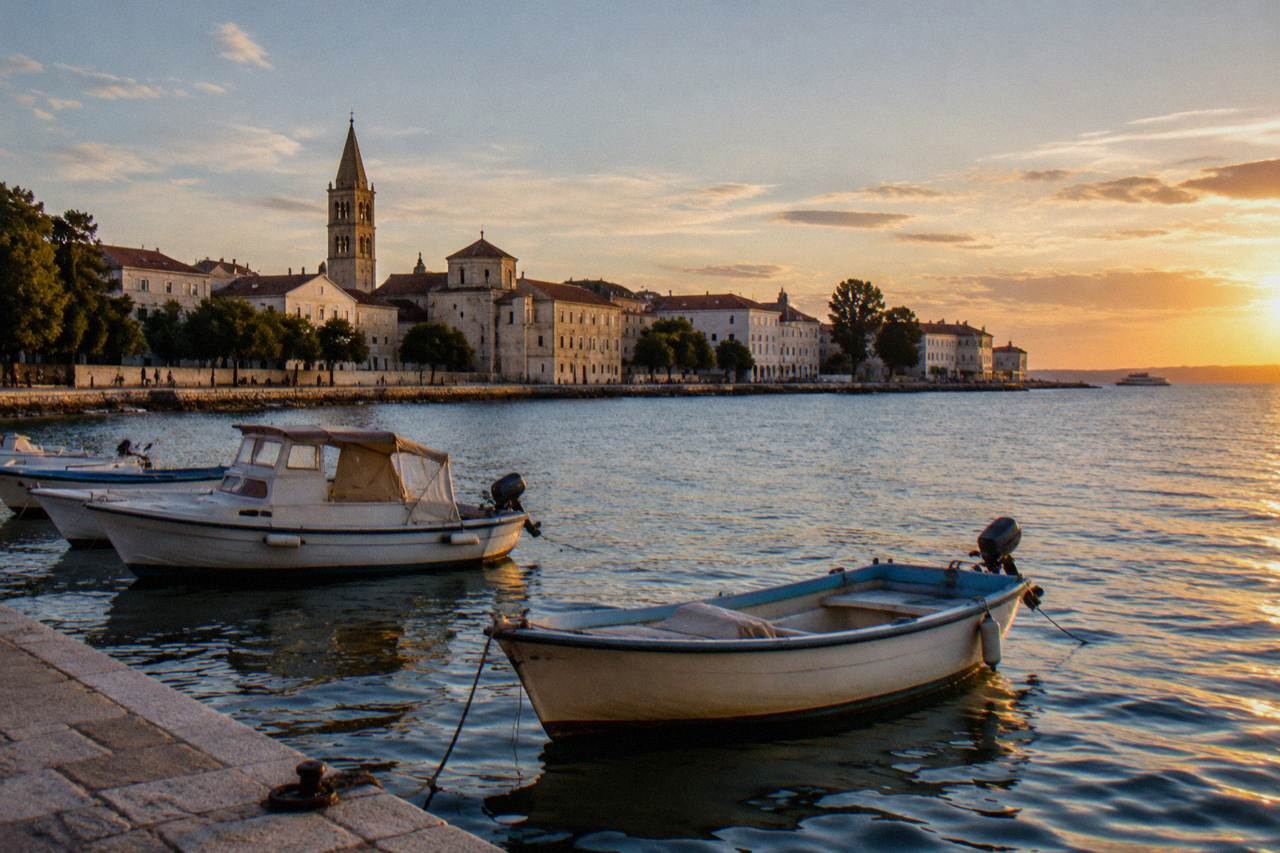
Zadar sits on a narrow peninsula on the Dalmatian coast of Croatia, and its price structure is unusually kind to anyone planning carefully: the two installations the city is famous for cost nothing, the museums sit in single-figure euro territory (the Museum of Ancient Glass included), and the big costs arrive only when you leave the peninsula for the national parks, where Krka, Plitvice, Paklenica and Kornati set their 2026 tariffs.
What Does A Trip To Zadar Actually Cost?
The structural answer is that the city itself is cheap and the region around it carries the bill: the Sea Organ and Greeting to the Sun are free, the Archaeological Museum and St Donatus run at around 7 EUR full price, and the airport shuttle is 5.00 EUR one way, while the national parks charge 7 to 40 EUR per adult depending on month.
Croatia has used the euro since 1 January 2023. A tourist tax exists and is collected by your accommodation, with the amount confirmed at booking.
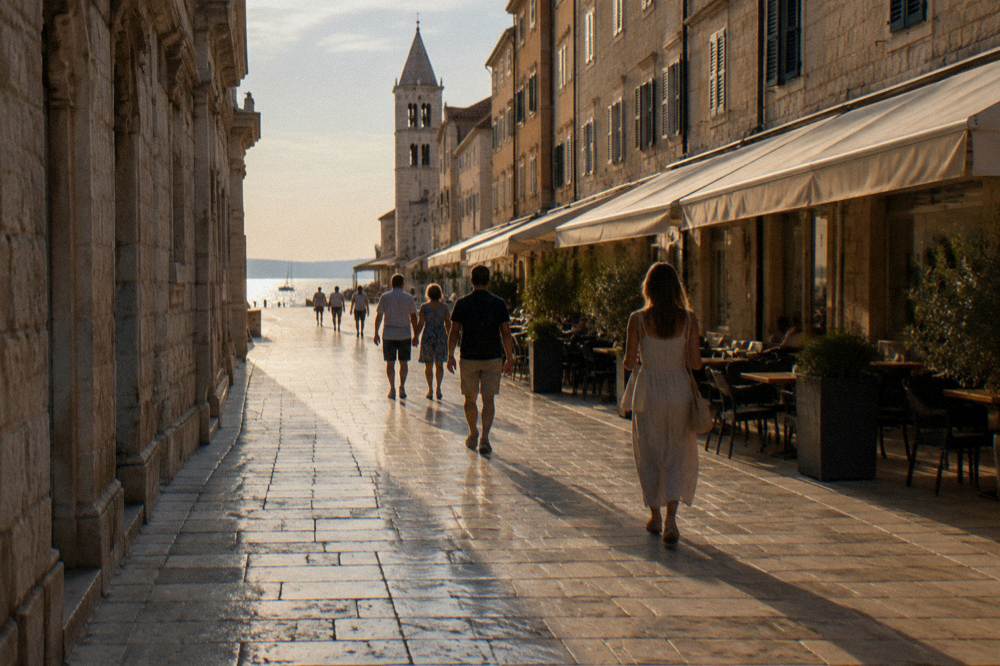
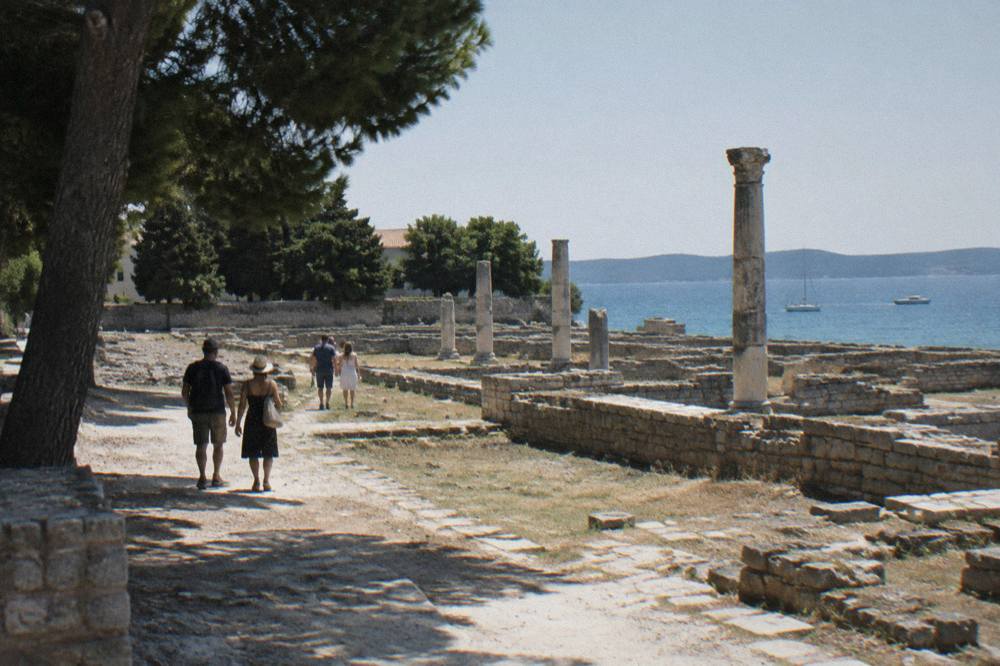
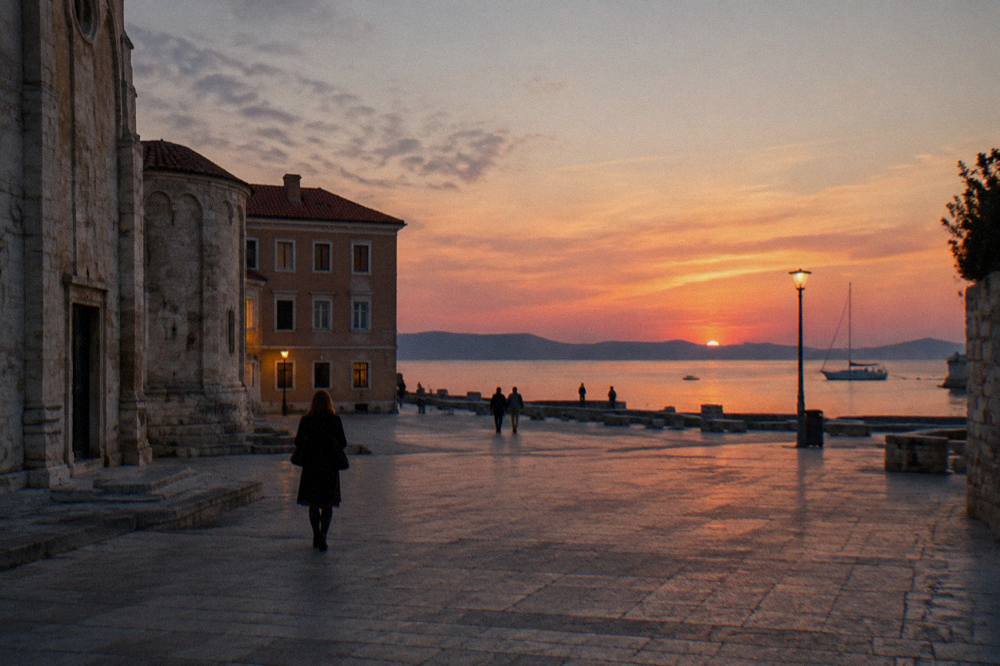
That split, free waterfront and mid-priced museums against seasonal park tariffs, shapes every budget for the city. The peninsula's public spaces, the Roman Forum, Kalelarga, Five Wells Square and the Land Gate of 1543, are open public spaces with no ticket at all. What you pay for in Zadar itself is the indoor heritage: the museums, the cathedral and the food. The Money Museum of Ancient Glass's price list anchors the museum tier, and the park PDFs anchor the day-trip tier.
Croatia is also a Schengen country now, so there are no border formalities arriving from elsewhere in the zone, and the emergency number is 112. For context on when to spend and when the weather cooperates, the DHMZ station table for Zadar, 1961-2024, shows July means of 24.5 C against January's 7.3 C, and sunshine totals of about 2,600 hours a year.
Two more planning notes belong in any budget. The city has no verified Zadar City Card price for 2026, so no card exists on this page, and the Old Town has posted dress-code signs since summer 2026 with reported fines up to 130 EUR for walking the peninsula in swimwear, a cost that is entirely avoidable. For how long to stay and how the days stack up, see how many days in Zadar and things to do in Zadar.
What Do Museums And Sights Cost In Zadar?
The Museum of Ancient Glass charges 7.00 EUR for an adult ticket, 5.00 EUR for groups of five or more and 4.00 EUR for schoolchildren, with preschoolers free, per its own price list; the Archaeological Museum and St Donatus Church sit on a shared tariff showing 7.00 EUR and 5.00 EUR rows, so around 7 EUR at full price; the Sea Organ (2005) and Greeting to the Sun (2008), both by Nikola Bašić, are free public installations open at all hours.
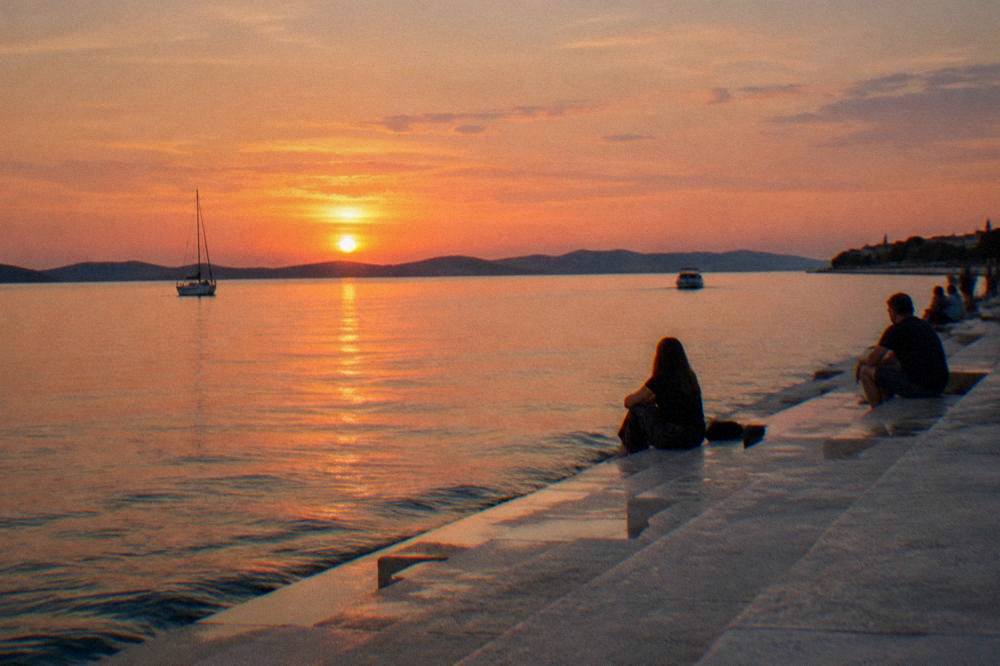
The free tier is bigger than many guides suggest. The Sea Organ, a wave-driven sound installation of roughly 70 m with 35 pipes, and the Greeting to the Sun, a 22 m solar installation beside it, have no ticket, no gate and no hours. Neither does the Roman Forum, Kalelarga or the Land Gate. A walk across the peninsula's public heritage costs nothing, and the Zadar walking tour guide covers how to structure it.
The paid tier is where the reliable figures live. The Museum of Ancient Glass also lists guided tours at 20 EUR in Croatian or 30 EUR in other languages for a group of about 30, a figure worth knowing if you are travelling as a family cluster. Its opening hours conflict between sources, so the museum's own hours page is the place to confirm before going. The Cathedral of St Anastasia's bell tower has no verified price or hours on an official page, and the Gold and Silver of Zadar exhibition has only secondary-source figures: for both, confirm on site.
| Sight | Adult price | Notes |
|---|---|---|
| Sea Organ and Greeting to the Sun | Free | Open at all hours |
| Roman Forum, Kalelarga, Five Wells Square, Land Gate | Free | Open public spaces |
| Museum of Ancient Glass | 7.00 EUR | - |
| Museum of Ancient Glass, groups of 5+ | 5.00 EUR | - |
| Museum of Ancient Glass, schoolchildren | 4.00 EUR | - |
| Museum of Ancient Glass guided tour | 20 EUR Croatian, 30 EUR other languages | - |
| Archaeological Museum and St Donatus | Around 7 EUR full price | - |
| Cathedral bell tower climb | Check the current price at the entrance | - |
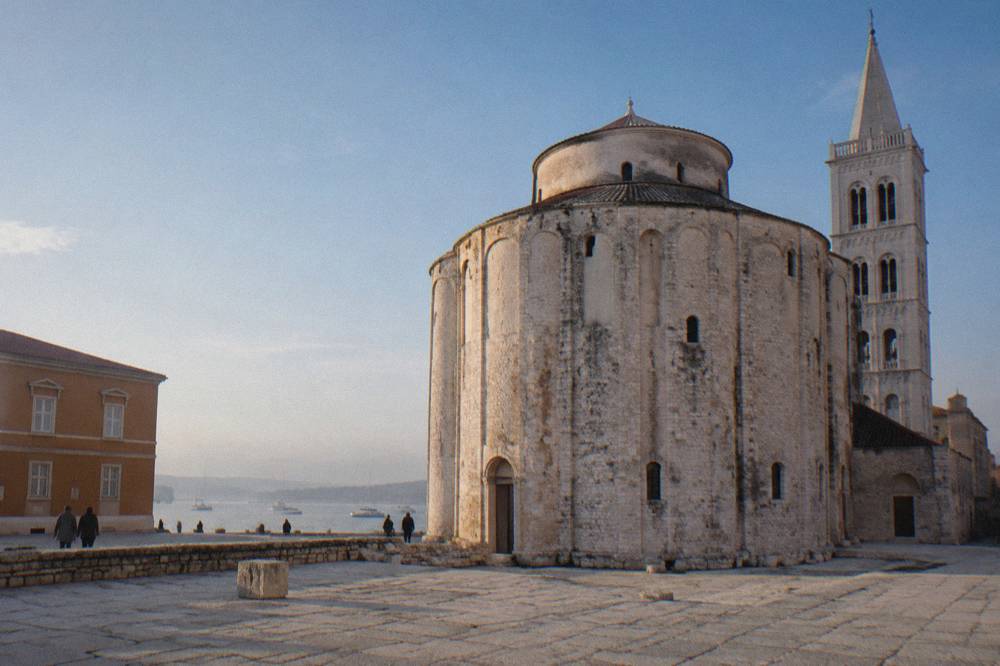
One caution for 2026 and 2027: St Donatus Church faces roof restoration, with works reported from autumn 2026 over roughly six months as the first phase of a longer restoration, so access may be limited and group visits suspended during the works. Check before building an itinerary around the interior.
How Much Do The National Parks Cost From Zadar?
Krka charges 7 EUR in January to March and November to December, 20 EUR in April, May and October, and 40 EUR from June to September; Plitvice charges 10, 23 and 40 EUR on the same seasonal pattern with a 25 EUR late-afternoon peak price; Paklenica runs 5, 8 and 10 EUR; Telašćica is 6 or 8 EUR.
The seasonal spread is the single biggest lever on a Zadar budget. Both Krka and Plitvice dropped to their winter-shoulder rates from 1 October 2026, and the difference between a July Plitvice day and a November one is 30 EUR per adult at the gate. The parks' own price lists carry the detail, including reduced child, student and group rows and, at Krka, a separate cheaper tariff for the Roški slap and outlying sites.
Kornati works differently and trips up independent planners: entry is bought outside the park and is charged to the vessel, not the passenger, which is why organised Kornati boat trips bundle the fee question into one listing. The comparison between the two inland water parks, Krka and Plitvice, including travel time from Zadar, is laid out in the Krka versus Plitvice guide, and the full regional set in Zadar day trips.
| Park | Winter adult | Shoulder adult | Summer adult | Basis |
|---|---|---|---|---|
| Krka, all accessible land sites | 7 EUR | 20 EUR | 40 EUR | Per person |
| Krka, Roški slap and outlying sites | 7 EUR | 12 EUR | 20 EUR | Per person |
| Plitvice Lakes | 10 EUR | 23 EUR | 40 EUR (25 EUR late afternoon) | Per person |
| Paklenica | 5 EUR | 8 EUR | 10 EUR | Per person |
| Telašćica (land entrance, Dolac) | 6 EUR | 6 EUR | 8 EUR | Per person |
| Vransko jezero | 6 EUR | 6 EUR | 6 EUR | Per person |
| Kornati, vessel under 7 m | 25 EUR | 25 EUR | 45 EUR | Per vessel, 1 day |
Swimming rules matter at Krka because they affect what the ticket buys: swimming has been banned at Skradinski Buk since 2021 to protect the travertine, and is allowed only at designated spots, Roški slap, Stinice and Pisak, from 1 June to 30 September, weather permitting. A "swim under the waterfall" expectation is the wrong one to bring to the gate.
The trio above answers the two expensive questions most Zadar itineraries raise: how to reach Plitvice without a hire car, and what the offshore islands cost from the harbour. Their prices, ratings and durations render from live listing data, so nothing typed here can drift out of date.
What Do Boat Trips And Tours Cost In Zadar?
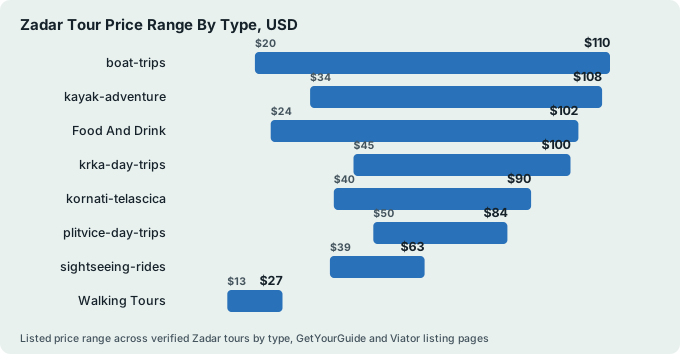
Every product price on this site renders from the operator's live listing rather than being typed into prose, and the roster spans island boat trips with snorkeling and wine, Kornati and Telašćica full-day runs, Krka and Plitvice coach day trips, kayaking on the Zrmanja, transparent LED kayak sunset paddles, food and wine walks and tuk tuk circuits, each with its own from-price, rating and review count held in the listing data.
What can be said in prose is structure, not digits. The island boat trips from Zadar harbour typically bundle stops, snorkeling gear and drinks, which is why their listings cluster lower than the park day trips: the parks charge per-person entry on top. Kornati trips fold a per-vessel fee and often lunch into one figure. Plitvice listings vary most on whether the park ticket is pre-booked, which matters because the park runs online timed tickets with daily limits, so a listing that includes the ticket removes the one purchase you cannot make at the gate with certainty. The Zadar boat tours guide and Zadar tours overview sort the categories in detail.
For an afternoon on the water, the small-group three-islands run keeps groups small and pours Aperol spritz on deck, with live pricing and free cancellation on the booking page:
Read more about it on its small-group islands tour page, or Check availability at the operator's listing.
A different shape of day is the luxury island run with snorkeling stops and unlimited wine, one of the most-reviewed products on the Zadar roster:
And for a day that leaves the sea entirely, the Zrmanja kayaking half-day swaps salt water for a karst river canyon south of the city, with the transfer question handled in the listing:
Tip-based free walks also run locally; if one is of interest, confirm arrangements directly with the guide, since no verified tip-based product appears in this site's roster.
What Does Transport Around Zadar Cost?
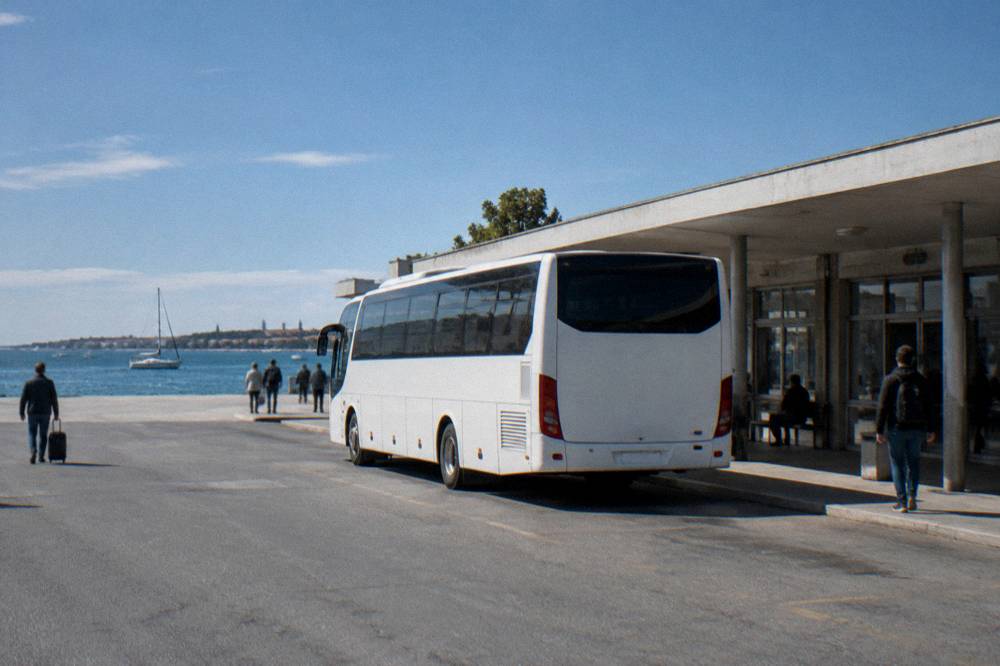
The airport shuttle is the one fully verified transport price: 5.00 EUR one way including luggage, about 20 minutes to the Old Town, running airport to Gaženica ferry port to bus station to Old Town, with the ticket valid 90 minutes on city buses, per the airport's own page, which places the airport about 8 km from the city.
That shuttle detail is better than it looks: the 90-minute transfer validity means the ticket can cover the onward city bus leg, not just the coach. The bus station sits at Ante Starčevića 1, and the airport to city centre guide and Zadar airport guide walk through the arrival options in full, including car hire.
The Barkajoli, the small rowing boats that shuttle roughly 75 m across the harbour in a minute and a half to two, are Zadar's cheapest experience and its least documented: no official price list was found, so carry coins and confirm with the boatman. On the ferry side, the Gaženica to Brbinj car ferry serves Dugi Otok with a crossing of about 1 h 40 min per Jadrolinija's route page, and the passenger run to Preko on Ugljan takes about 25 to 30 minutes; neither fare is printed here because neither was verified. The Zadar ferry guide covers the routes.
Parking tariffs are deliberately absent from this page: the available parking figures come from a newspaper report only. The Zadar parking guide holds what is known.
| Route | Time | Fare |
|---|---|---|
| Airport to Old Town, shuttle | About 20 min | 5.00 EUR one way, luggage included |
| Airport shuttle to city, distance | About 8 km | Check the current tariff with the operator |
| Gaženica to Brbinj (Dugi Otok) ferry | 1 h 40 min | Check the current tariff with the operator |
| Zadar to Preko (Ugljan) ferry | About 25 to 30 min | Check the current tariff with the operator |
| Barkajoli harbour crossing | About 1.5 to 2 min | A euro or two, confirm on board |
| Zadar to Ancona fast catamaran | About 4 h | 2026 season ended 6 September, 2027 dates not yet announced |
Distances help day-trip maths, and these were computed from the Old Town: the bus station 2.6 km, Gaženica ferry port 5.2 km, the airport 13.3 km, Nin 19.8 km, Paklenica 46.8 km, Pag Town 54 km, Skradin 76 km, Krka's Skradinski Buk 91 km, Šibenik 89 km and Plitvice 145 km. By car from other cities, the airport's page gives Zagreb 297 km, Split 158 km and Rijeka 305 km, context for the Split to Zadar and how to get to Zadar routes.
What About Food, Drink And Where To Stay?
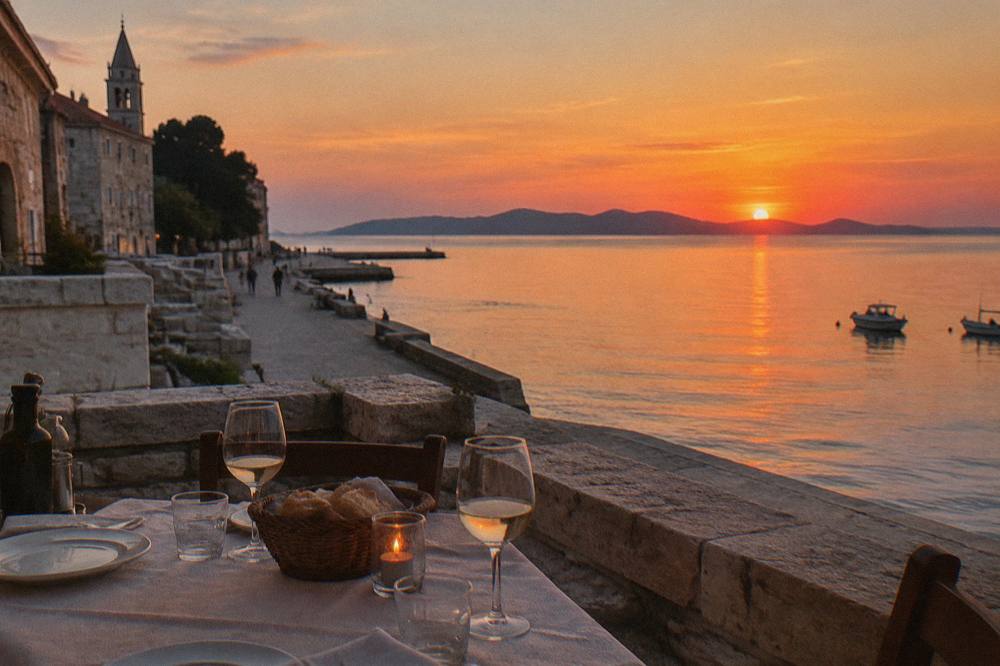
Eating is concentrated on and around the peninsula, maraschino is the local liqueur with its own history here, and accommodation carries a City of Zadar tourist tax; check the current rate when you book.
That restraint is deliberate. Food and lodging prices move constantly and no official tariff exists for a konoba table, so the honest structure is to point at where the eating happens and let the Zadar restaurants guide and Zadar food guide carry the detail, with the where to stay in Zadar guide doing the same for neighbourhoods.
Two cost-relevant local rules are worth flagging. Since the 2026 season, Zadar County concession beaches cannot fence themselves off or charge entry: commercial activity such as sunbeds is capped at 40 to 60 percent of a beach's area and the rest stays free for anyone with a towel, which makes a beach day the cheapest full day out the region offers. And the city has signalled a restriction on night-time retail alcohol sales in the Old Town under a national law change, reported for the 2026 season: shops, not bars, are the target, but late-night supplies may need planning. The Zadar beaches guide maps where the free access applies.
When Is Zadar Cheapest To Visit?
On the verified numbers, the cheapest window with full access is late spring and October: park tickets sit at their shoulder rates, 20 EUR at Krka and 23 EUR at Plitvice in October, before the 10 EUR deep-winter floor arrives with shorter days, and the DHMZ table for the Zadar station, 1961-2024, shows October means of 16.3 C with 106.8 mm of rain against July's 24.5 C and 35.4 mm.
The seasonal logic runs straight through a budget. Summer carries the 40 EUR peak park tickets, the peak flight demand the airport's new year-round Munich route and Wizz Air Budapest and Warsaw services feed, and the busiest streets. Winter trades the 10 EUR Plitvice and 7 EUR Krka floors against the wettest months: November is the wettest at 123 mm in the station record, against July's 35.4 mm as the driest. The best time to visit Zadar guide and Zadar weather guide hold the full climate table.
| Month | Mean temperature | Rainfall | Rain days |
|---|---|---|---|
| January | 7.3 C | 76.4 mm | 10 |
| April | 13.4 C | 61.4 mm | 10 |
| July | 24.5 C | 35.4 mm | 5 |
| October | 16.3 C | 106.8 mm | 9 |
| November | 12.1 C | 123.0 mm | 12 |
One winter offset: Zadar Advent runs from 24 November 2026 to 2 January 2027 across three locations including a new ice rink on the Forum, and the programme as announced is free-to-attend open-air concerts, so a December trip buys cheap park tickets and a free festival. The 2026/27 programme listing on the city's events page carries the detail.
Is Zadar Expensive Compared With The Rest Of Dalmatia?
On the figures this site can verify, Zadar's structure is mid-tier for the region: its museum entry matches other Dalmatian museum towns at single-figure euro prices, its headline waterfront attractions are free where some coastal cities ticket theirs, and its park costs are set by the national park tariffs, Krka and Plitvice, rather than by the city, so the comparison with Split or Šibenik turns on lodging and travel, not gate prices.
Split lies 158 km away by road, Šibenik 89 km from the Old Town, and both are close enough for a day trip via the routes in the Zadar versus Split guide. The UNESCO framing is also worth knowing: Zadar's walls are one component of the transnational "Venetian Works of Defence" property inscribed in 2017, and access to the city's public heritage does not depend on that inscription.
Whichever direction the budget points, the pattern holds: the peninsula costs little, the sea costs a listing price, and the parks cost a season. This Zadar Croatia Travel Guide keeps every figure on its pages tied to the source that published it, and flags the gaps rather than filling them.
Common Questions About Zadar Prices
How much does it cost to enter Krka National Park?
An adult ticket for all accessible land sites is 7 EUR in January to March and November to December, 20 EUR in April, May and October, and 40 EUR from June to September, with an after-15:00 option at 30 EUR in peak months, per the park's 2026 price list.
Is the Sea Organ in Zadar free?
Yes. The Sea Organ and the Greeting to the Sun are free public installations by Nikola Bašić, open at all hours, with no ticket, gate or published light-show schedule.
How much is the Museum of Ancient Glass in Zadar?
The museum's own price list shows 7.00 EUR adult, 5.00 EUR for groups of five or more and 4.00 EUR for schoolchildren. Opening hours conflict between sources, so confirm on the museum's hours page.
How much is the shuttle from Zadar Airport?
5.00 EUR one way including luggage, about 20 minutes to the Old Town, with the ticket valid 90 minutes on city buses, per the airport's own how-to-get-here page.
What is the tourist tax in Zadar?
A tourist tax exists and is collected by your accommodation. Check the current rate with your host when you book.