Dugi Otok
Dugi Otok is the long island that sits directly west of Zadar on the Dalmatian coast, and it is the destination behind several of the city's popular boat days: the sandy shallows of Sakarun, a sunken ship, a submarine-era tunnel and the cliffs of Telašćica Nature Park. This page sets out the ferry, the park fees and the tour options, using only figures the operators and park authorities publish.
Short answer
Dugi Otok is reached from Zadar by the Jadrolinija car ferry from Gaženica port to Brbinj, a crossing of 1 h 40 min. Day tours from Zadar cover Sakarun beach, a shipwreck snorkel stop and a tunnel, while Telašćica Nature Park charges 6 EUR at the land entrance out of season and 8 EUR in season.
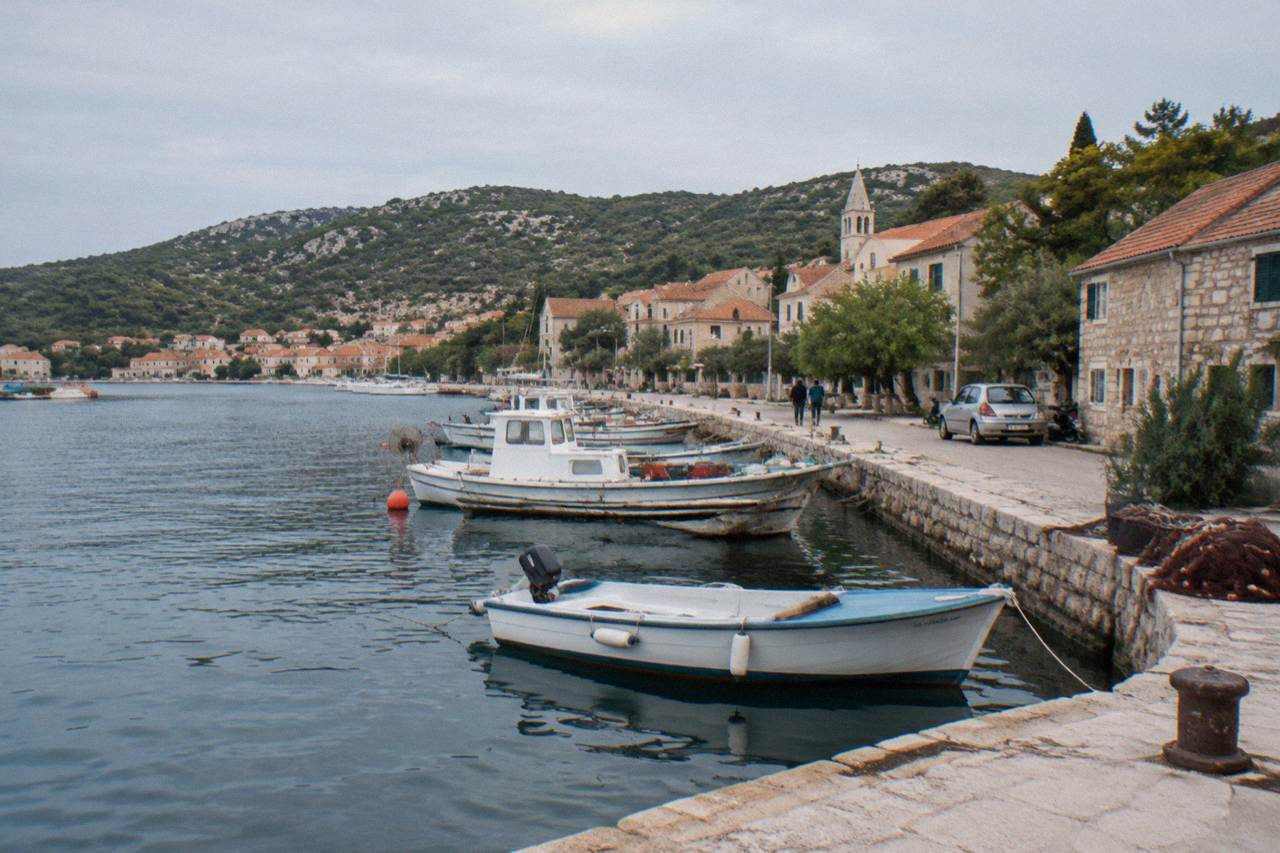
Dugi Otok, the "long island", lies directly offshore from Zadar, the coastal city in Dalmatia on the Adriatic, and it is the backbone of some of the boat days this site covers. The island runs roughly northwest to southeast in front of the Kornati archipelago, and its western shore holds the sandy beach at Sakarun, while its southern tip cradles Telašćica Nature Park beside the cliffs that drop toward the open sea. The island is not a single sight but a chain of them, and that is exactly why the day-trip decision matters: the ferry lands at Brbinj in the north, while Sakarun sits on the opposite coast and Telašćica at the far end. The Dugi Otok guide on Zadar Croatia Travel Guide lays out what the sources say so the day can be planned around verified numbers rather than guesswork.
Where Is Dugi Otok And How Does It Fit A Zadar Trip?
Dugi Otok sits west of Zadar across a channel of the Adriatic, north of the Kornati islands and south of Ugljan, and it works as the island day trip for travellers who want sand, cliffs and snorkel stops rather than another town. Jadrolinija's line 434 connects Zadar's Gaženica ferry port with Brbinj on the island in 1 h 40 min, so the island is a genuine day trip rather than an expedition.
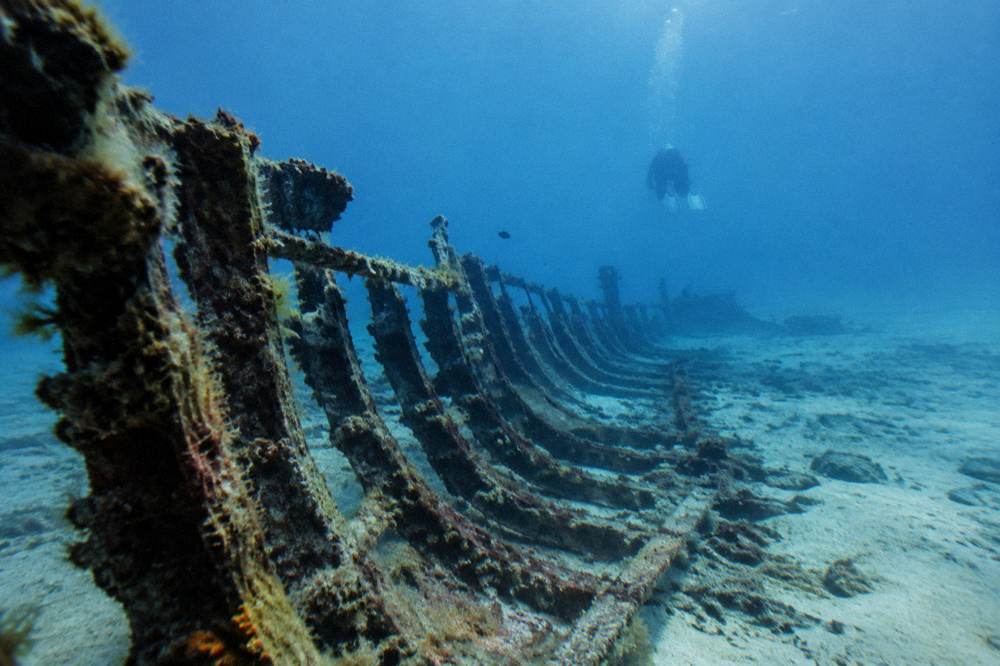
Its headline draws, Sakarun beach, the sunken ship snorkel site and the tunnel, are all on or beside the water, which is why boat tours outsell independent itineraries here.
The island's shape explains its logistics. It is long and narrow, which means a single landing point at Brbinj leaves real distance between the ferry, the beach and the park. The sources this site works from give driving figures only from Zadar itself, not within the island, so no island journey time is printed here: confirm locally if renting a car for the crossing. What the sources do support is the pattern, that the ferry serves the north, the tour boats run to the highlights, and Telašćica is reached either by boat from Sali or through the land entrance at Dolac, where the park's own price list applies.
For context inside a wider Dalmatian plan, Dugi Otok pairs naturally with the other offshore options covered on this site: Ugljan, the quick ferry island, and the Kornati islands that begin just south of Dugi Otok's tip. A one-day or two-day city plan such as one day in Zadar usually keeps the Old Town and the Sea Organ for itself and gives the islands a separate full day, and the ferry timetable is the reason why.
How Do You Get From Zadar To Dugi Otok?
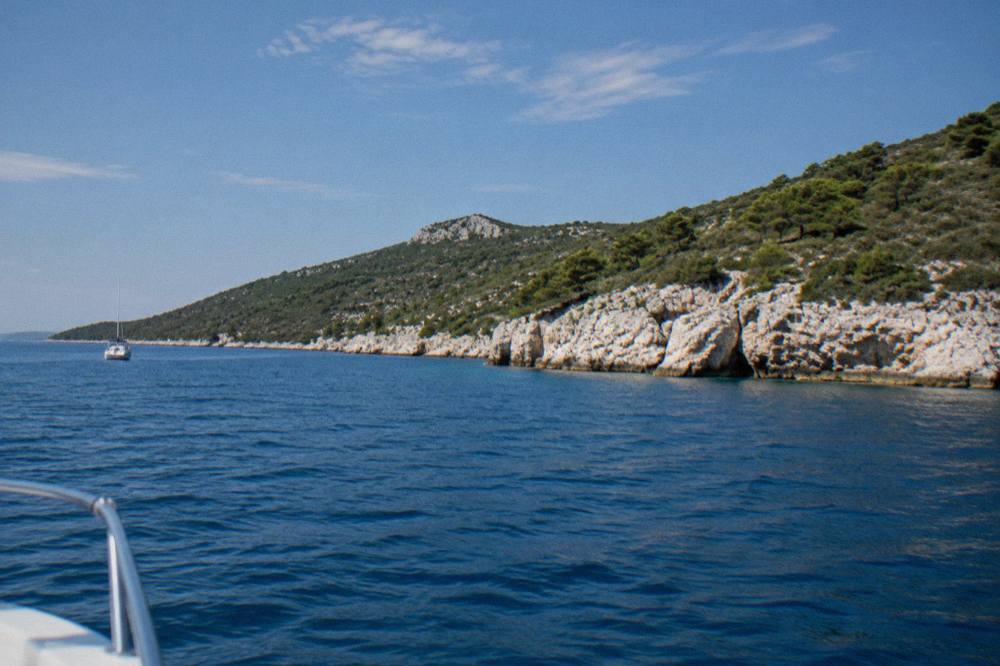
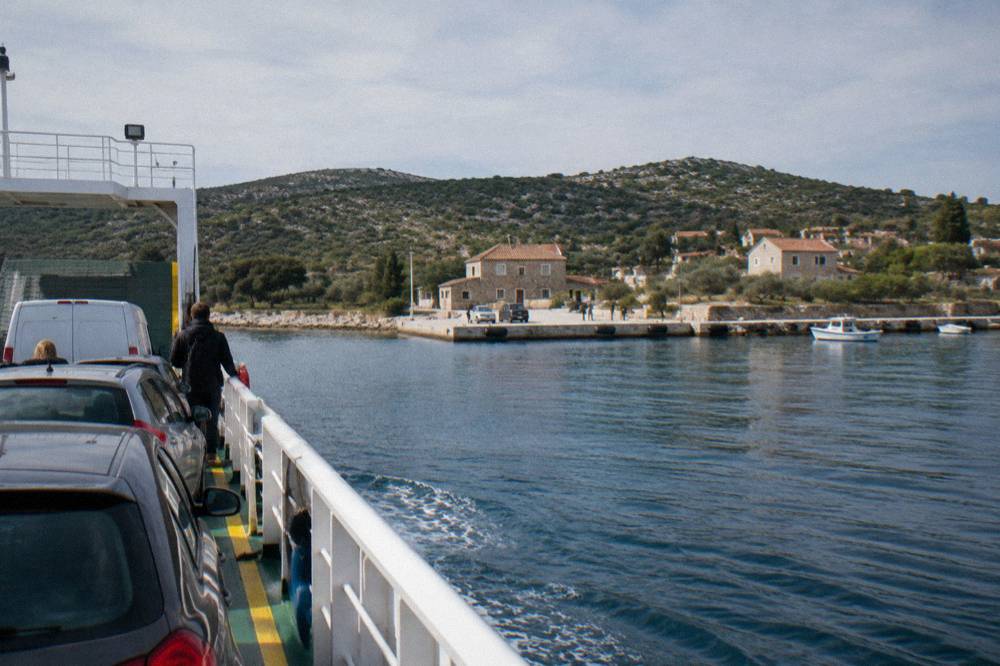
The car ferry on Jadrolinija line 434 runs from Zadar's Gaženica port to Brbinj on Dugi Otok, a crossing of 1 h 40 min, and it is the scheduled public link to the island. From the Old Town, Gaženica is 5.2 km by road, about 10 minutes, while the bus station at Ante Starčevića 1 is 2.6 km away.
Gaženica is the port that matters, not the historic harbour by the Old Town. The airport shuttle route published by the airport operator runs Airport, Gaženica ferry port, bus station, Old Town, which shows how the city's transport nodes stack up. Travellers without a car therefore face a two-step journey: city transport to Gaženica, then the ferry. The ferry crossing question from Zadar to Dugi Otok is covered separately with the same figures.
| Leg | Figure | Source basis |
|---|---|---|
| Zadar (Gaženica) to Brbinj, line 434 | 1 h 40 min | Jadrolinija route page |
| Old Town to Gaženica port by road | 5.2 km, about 10 min | OSRM computed |
| Old Town to bus station | 2.6 km, about 6 min | OSRM computed |
| Airport shuttle to Old Town | 5.00 EUR one way, about 20 min | Airport operator page |
A practical note follows from the sources: the tour boats depart from the Zadar waterfront, not Gaženica, which removes the port transfer entirely. That single difference is why a boat tour is often the lower-friction choice for a first visit: the boat leaves from the Riva side of the city and reaches the island's western highlights, which the Brbinj ferry does not serve directly.
The tile above renders the live price, rating and review count of one verified option from the site's roster. A writer who types a tour price from memory gets it wrong when the operator changes it, so every product figure on this page arrives through a compiler block rather than through prose.
What Are Sakarun Beach, The Shipwreck And The Tunnel?
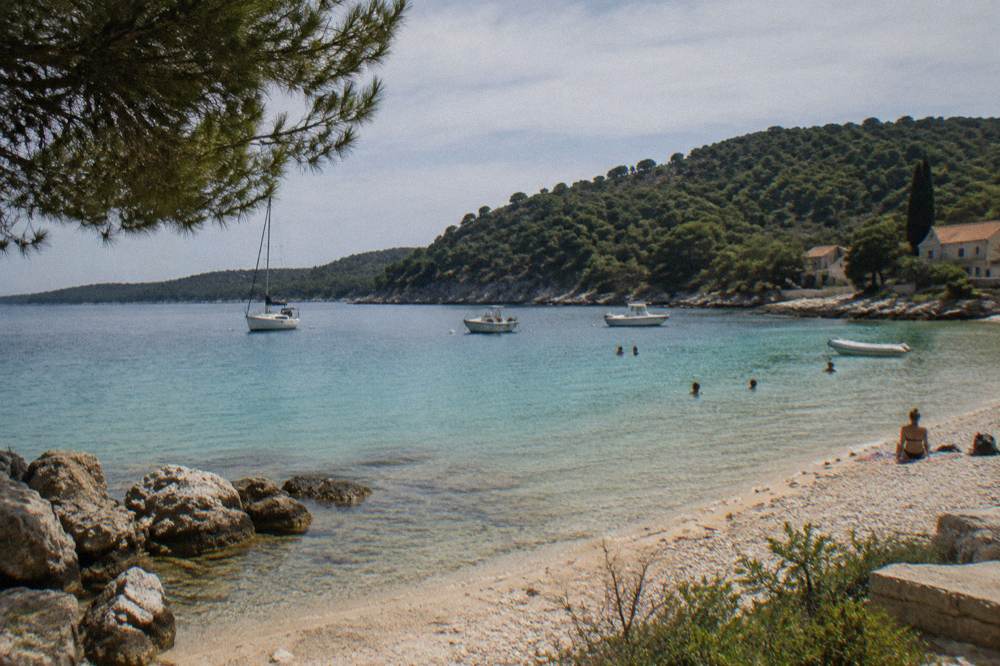
Sakarun is the sandy, shallow-water beach on Dugi Otok's northwest coast, and it is the island's signature swim stop; the shipwreck and the tunnel are two man-made snorkel and sightseeing stops that feature in the tour rosters from Zadar. Together they form the standard "highlights" loop that the boat days run: sand for swimming, a wreck for snorkelling over, and a cut into the rock that boats can enter.
The tour listings on this site name these stops directly, which is the strongest sourcing available for them. One listing covers "Dugi Otok, Sunken Ship and Tunnel" as a half-day circuit; another runs to "Sakarun Beach Tour, Shipwreck Dive & Tunnel"; a third pairs "Shipwreck, Sandy Beach & Sea Cave". The overlap is not accidental: operators converge on the same cluster because it packs three distinct experiences into a short radius of water.
For a rough guide, the state weather service's live reading at Zadar stood at 21.3 C on 11 October 2026, and conditions around the island vary, so swimmers should judge the water on the day.
The box above links to the featured tour for this page, a half-day circuit that covers the shipwreck and the tunnel. Cancellation terms and the current from-price are shown on the operator's live listing, and this site never prints them in prose.
What Can You See In Telašćica Nature Park From Zadar?
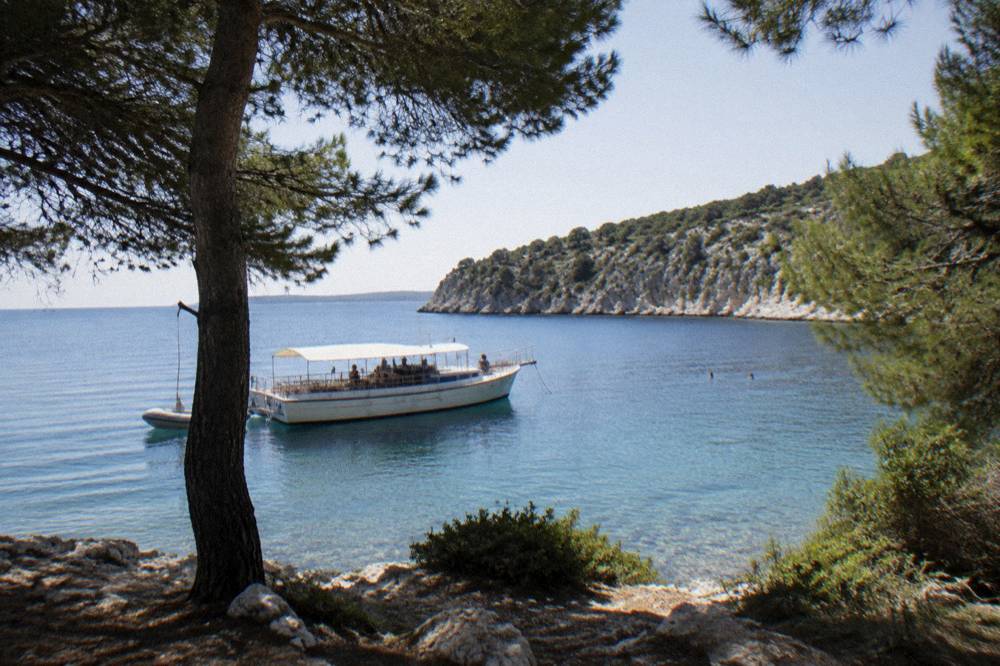
Telašćica Nature Park covers the deep bay and cliffs at Dugi Otok's southern end, entered by boat from Sali or through the land gate at Dolac, and the park's own price list charges adults 6 EUR from January to May and October to December, and 8 EUR from June to September. Several full-day tours from Zadar combine Telašćica with the Kornati National Park, because the two protected areas sit directly beside each other.
The park fee follows the pattern of every other Dalmatian park fee: seasonal, per person at the land entrance, and separate from however you arrive. Boats entering the bay pay their own structure, detailed in the Kornati rules below, since Kornati's charge is levied per vessel by length rather than per person.
The pairing with Kornati is the planning insight that first pages of search results often blur. Kornati National Park begins at the line where Dugi Otok ends, and its ticket is bought outside the park itself, per the park authority's ticket-information page. A full-day tour that lists both names is therefore buying or including two separate entries under two separate rules. The Telašćica Nature Park guide and the Kornati islands guide carry the fuller breakdowns.
| Protected area | Adult fee by season | Basis |
|---|---|---|
| Telašćica Nature Park (Dolac land entrance) | 6 EUR Jan-May, Oct-Dec; 8 EUR Jun-Sep | Park price list |
| Kornati NP (boat up to 6.99 m, 1 day) | 25 EUR Jan-May, Oct-Dec; 45 EUR Jun-Sep, per vessel | Park price list 2026 |
| Kornati NP (boat 7-10.99 m, 1 day) | 30 EUR / 65 EUR, per vessel | Park price list 2026 |
| Kornati NP (boat 11-17.99 m, 1 day) | 50 EUR / 95 EUR, per vessel | Park price list 2026 |
One caution travels with these numbers. Kornati's fee is charged by vessel length, and the entry is purchased outside the park, so an independent sailor's budget looks nothing like a tour passenger's, whose park arrangements are typically handled inside the product. Confirm what a listing includes before comparing it to a ferry-plus-entrance plan.
Which Dugi Otok Boat Tour From Zadar Fits Your Day?
The verified roster holds three distinct shapes of Dugi Otok boat day from Zadar: a half-day highlights circuit covering the shipwreck and tunnel, a longer day that adds Sakarun beach and a sea cave, and a full-day kayak option with an optional cave swim. Prices, ratings and review counts for all of them render from the listing data in the tiles on this page, never from prose, because those figures change and this site does not retype them.
The differences that matter are structural, not numerical. The half-day circuit suits a traveller who wants the water stops without surrendering an evening in the Old Town. The beach-and-cave day spends longer at Sakarun itself, which is the right call if sand and swimming are the point of the trip. The kayak option replaces engine time with paddle time and reaches the coastline at eye level, and its optional transfer from Zadar removes the car question entirely. Everything else covered here is indexed on Zadar Croatia Travel Guide.
| Product shape | Stops named on the booking page | Kind |
|---|---|---|
| Half-day highlights | Dugi Otok, sunken ship, tunnel | Boat day trip |
| Beach and wreck day | Sakarun beach, shipwreck, tunnel, sea cave | Boat day trip |
| Kayak day | Dugi Otok coast, optional cave swim | Kayak day trip |
| Kornati and Telašćica full day | Kornati park, Telašćica, lunch | Boat day trip |
The fourth row is the fork in the road. A traveller with one island day must choose between Dugi Otok's beaches and wrecks or the Kornati-Telašćica double park, and the Kornati islands and Telašćica pages treat that choice in depth. What this page can state from the sources: the two itineraries share the same departure city and overlap only at Telašćica's edge.
Can You Visit Dugi Otok Independently From Zadar?
Yes, independently means the line 434 car ferry from Gaženica to Brbinj, 1 h 40 min, plus your own arrangements on the island. Check the current fare with Jadrolinija when booking. Independent travel here is flexible.
What can be stated is the mainland half of the journey: 5.2 km and about 10 minutes from the Old Town to Gaženica, 2.6 km to the bus station. Beyond Brbinj, the page goes quiet on purpose. The tourist-tax question, which always comes up with island accommodation, has the same answer it has across this site: Zadar County charges a tourist tax collected by the accommodation, and the amount is confirmed at booking.
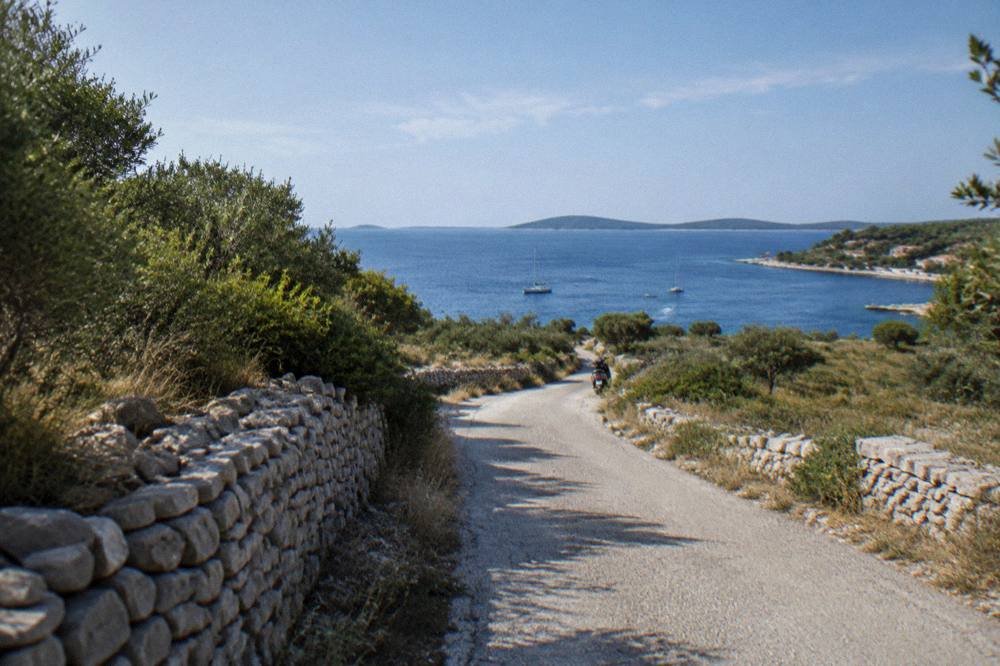
The independent route earns its keep in two cases. A multi-night stay, where the ferry becomes transport rather than a day trip, and a sailing plan, where the Kornati per-vessel fees above become the real budget line. For a single day out of a Zadar base, the arithmetic of the crossing, the transfer to Gaženica and the distance from Brbinj to Sakarun usually points back to the tour boats, which leave from the city waterfront and stop at the highlights directly.
When Is The Best Time Of Year For A Dugi Otok Day Trip?
By the Zadar station record, 1961-2024, the warmest months are July at 24.5 C and August at 24.1 C mean, with the driest month July at 35.4 mm of rain and the wettest November at 123 mm, so the boat season concentrates in June to September while May, June and September trade slightly cooler air for thinner crowds and cheaper park entries in the shoulder months. The state weather service table is the only climate source this site prints, and it describes the mainland station at Zadar, which is the relevant record for a departure city a short crossing from the island.
The seasonal fee shifts are the practical dividend of shoulder travel. From 1 October 2026, the big inland parks dropped to their winter-shoulder rates, and Telašćica's own list already prices October at the lower 6 EUR band. The full picture for the neighbouring parks, relevant to anyone pairing destinations, is tabled below.
| Month (Zadar station, 1961-2024) | Mean temperature | Rainfall |
|---|---|---|
| May | 17.9 C | 64.4 mm |
| June | 21.9 C | 48.5 mm |
| July | 24.5 C | 35.4 mm |
| August | 24.1 C | 52.8 mm |
| September | 20.2 C | 110.9 mm |
| October | 16.3 C | 106.8 mm |
September's rainfall figure, 110.9 mm, is the number that surprises readers who expect a simple summer-winter split; it sits close to October's, while June and July are the dry core of the year. Sunshine across the year runs to about 2,600 hours at the Zadar station, a figure this site prints exactly that way and never rounded up. For tour availability, the listings themselves carry the calendar: a product that runs only in the warm months says so on its own page.
| Season shift (from 1 Oct 2026) | Summer rate | Shoulder or winter rate |
|---|---|---|
| Krka NP, adult, all accessible land sites | 40 EUR Jun-Sep | 20 EUR Apr, May, Oct; 7 EUR Jan-Mar, Nov-Dec |
| Plitvice Lakes NP, adult 1 day | 40 EUR Jun-Sep | 23 EUR Apr, May, Oct; 10 EUR Jan-Mar, Nov-Dec |
| Paklenica NP, adult 1 day | 10 EUR May-Sep | 8 EUR Mar, Apr, Oct; 5 EUR Jan, Feb, Nov, Dec |
| Telašćica, adult, land entrance | 8 EUR Jun-Sep | 6 EUR Jan-May, Oct-Dec |
What Should You Know Before The Dugi Otok Crossing?
Bring sun protection, water shoes for rocky entries, and confirm three things before departure: the live ferry timetable for line 434, the weather on the day, and whether your tour includes park entries or lunch, because the listings differ on both. Croatia uses the euro, is a Schengen member, and the emergency number is 112. The Zadar Old Town also has dress-code signage requiring clothing over swimwear, with fines up to 130 EUR reported, so plan to cover up before wandering back through the peninsula.
The dress-code point is a 2026 item from the city's own signage initiative, reported by local media in July 2026, and it belongs on this page because every boat day ends with a walk back through the historic streets. The same reporting cycle covered a plan to restrict night-time retail alcohol sales in the Old Town, which affects where an evening drink can be bought, though bars and restaurants were not the target.
For the crossing itself, practical humility is the best guide. The Barkajoli rowing boats, which cross Zadar's own harbour in about 1.5 to 2 minutes year-round, are a mainland curiosity, not an island link, so check the current fare on the spot. The Dugi Otok day runs on the ferry or on tour boats, and the tour boats run on weather: bora and jugo winds can move or reshape a sailing, and the operator's listing is the place where that day's decision shows up first.
How Does Dugi Otok Compare With Zadar's Other Island Days?
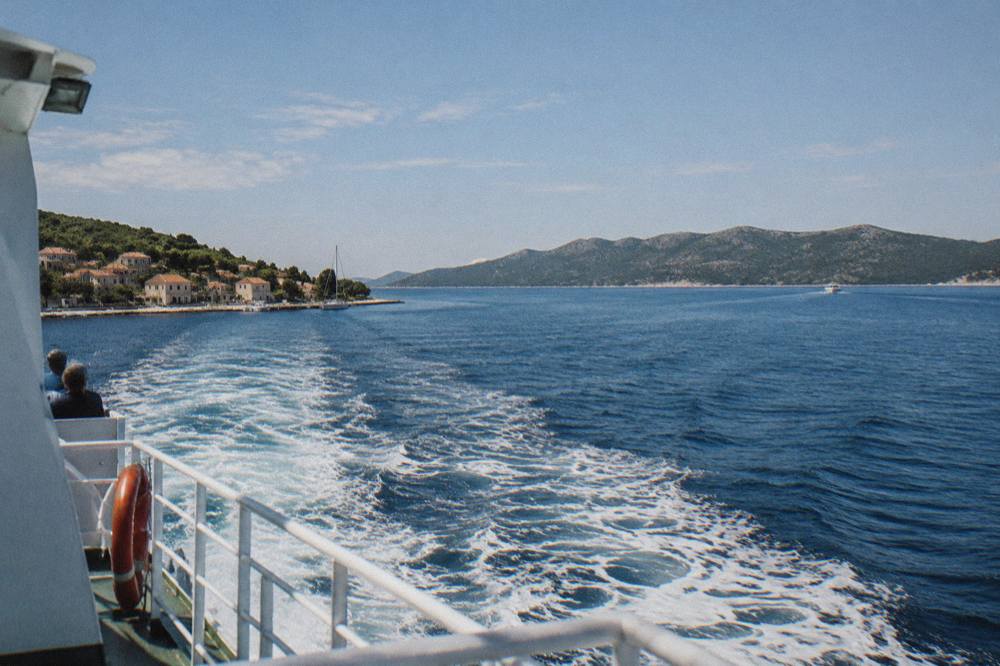
Dugi Otok is the sand-and-cliffs island day from Zadar, Ugljan is the short ferry crossing for a low-effort half day, and the Kornati archipelago is the boat-and-park day for landscapes over swimming, so the choice is really between convenience, beaches and protected scenery. The ferry records frame it: Brbinj on Dugi Otok is 1 h 40 min from Gaženica, while the Preko crossing to Ugljan takes roughly 25 to 30 minutes by the report this site holds.
The comparison is honest only within what the sources give. This site holds figures for the crossings and the park fees, and nothing about island restaurants, villages or rental fleets, so those comparisons stay open. What can be said firmly: Ugljan suits a traveller with a spare morning, Dugi Otok rewards a full day, and Kornati suits someone who wants the archipelago's scale and accepts that its entry fee is per vessel and bought outside the park.
Travellers building a wider Dalmatian route can also weigh Dugi Otok against the inland parks, Krka and Plitvice, both reachable from Zadar with their own seasonal tariffs tabled above. The overview of things to do in Zadar places each of these days inside a full stay.
Common Questions About Dugi Otok From Zadar
How long is the ferry from Zadar to Dugi Otok?
The Jadrolinija car ferry on line 434 from Gaženica port in Zadar to Brbinj on Dugi Otok takes 1 h 40 min, per the operator's route page.
Can you do Dugi Otok as a day trip from Zadar?
Yes. The ferry crossing plus a boat or vehicle plan makes a full day, and several verified tours from Zadar cover the island's highlights, the shipwreck, the tunnel and Sakarun beach, in a half or full day.
What is Sakarun beach?
Sakarun is the sandy, shallow beach on Dugi Otok's northwest coast and the island's signature swim stop, named on multiple tour listings from Zadar.
How much does Telašćica Nature Park cost?
The park's own price list charges adults 6 EUR at the Dolac land entrance from January to May and October to December, and 8 EUR from June to September.
Do you need a car on Dugi Otok?
Not for a tour-based day, since the boats depart from Zadar's waterfront and stop at the highlights directly. For independent travel beyond Brbinj, arrangements are confirmed locally.
Is Dugi Otok or Kornati the better boat day from Zadar?
They serve different aims: Dugi Otok centres on sand, swimming and the wreck-and-tunnel stops, while Kornati is a national park whose fee is charged per vessel by length and bought outside the park. Some full-day tours combine Telašćica, at Dugi Otok's tip, with Kornati.