Ugljan Island
Ugljan is the island directly across Zadar's harbour: a ferry ride of roughly half an hour, a string of shoreline villages and the olive groves that gave it its nickname. This page sets out how the crossing works, what there is to do once you land, and how it compares with the other islands reachable from Zadar.
Short answer
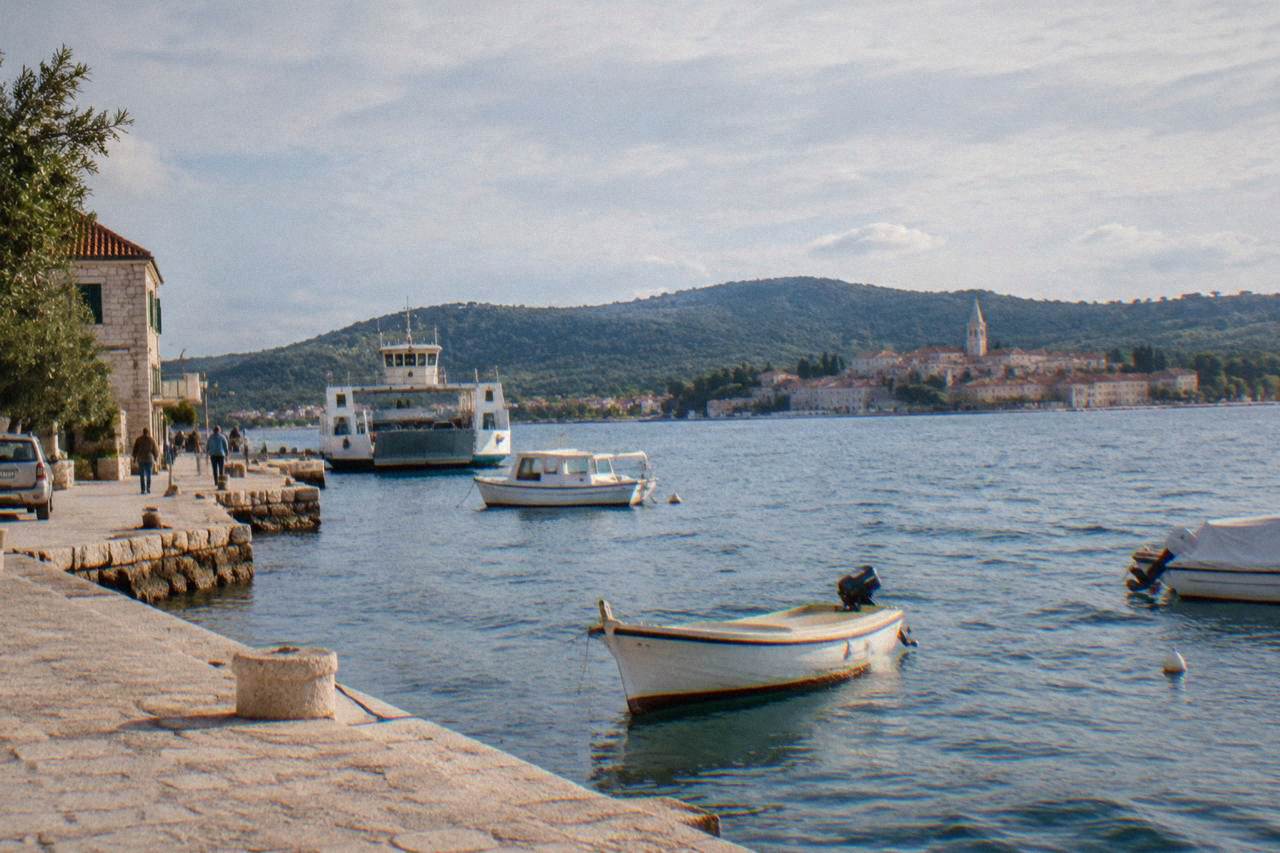
Ugljan is the closest island to Zadar, reached by the Jadrolinija ferry from Gaženica port to Preko in roughly 25 to 30 minutes, with car-carrying sailings year-round. It suits swimmers, cyclists and anyone wanting a half-day or full-day escape from the Old Town without a long crossing.
Ugljan sits directly across the channel from Zadar, a coastal city in Dalmatia, Croatia, on the Adriatic Sea: on a clear day the island's ridge is visible from the Riva promenade, and the ferry that serves it leaves from the Gaženica port a few kilometres south of the Old Town. It is the shortest island hop in the region, a crossing that Jadrolinija's route information puts at roughly 25 to 30 minutes, and it delivers a different rhythm within sight of the city: shoreline villages, pebble beaches backed by pines, and an interior of olive terraces that gave the island its local reputation as the olive garden of Zadar. This page, from the Zadar Croatia Travel Guide editorial desk, covers the ferry, the villages and beaches, the walking and cycling routes, the seasonal timing, and the boat tours that explore the same waters.
Where Is Ugljan Island And Why Go From Zadar?
Ugljan is the elongated island immediately northwest of Zadar's harbour, separated from the mainland by the Zadar Channel and linked to Zadar by a year-round car ferry from the Gaženica port to Preko, the island's main village, a crossing of roughly half an hour that also carries bicycles and vehicles. It is the natural first island for anyone staying in Zadar: the crossing is short, the island's settlements face the city, and the ferry drops you in a village with a palm-lined waterfront and swimming within a few minutes' walk of the quay. The island also bridges to Pašman at its southeastern end, so a visit can cover two islands in one day if the connections allow.
The geography rewards the trip. Ugljan's ridge runs the length of the island, with the highest point at Sv. Mihovil (St Michael), a fortified hilltop whose ruins sit above the village of Ugljan itself. The western shore is rockier and more exposed, the eastern shore calmer and lined with the villages, and the whole island is stitched with dry-stone walls and olive groves. For a party based in the Old Town, it is the least complicated escape on the map: no long transfer, no early ferry, no route planning more elaborate than a walk up the quay at Preko.
The comparison with its neighbours matters when planning. Dugi Otok, further out, needs a longer commitment: Dugi Otok is reached by the Brbinj ferry, which the route page shows taking 1 hour 40 minutes, and it carries the Sakarun lagoon and Telašćica at its far end. Ugljan trades that drama for convenience. Pašman continues directly beyond it, and Pag lies north across the channel with its bare karst and bridge access from the mainland side. The editorial answer to which island suits which traveller is covered in more depth at which is the best island to visit from Zadar; the short version is that Ugljan wins on time, and the outer islands win on spectacle.
How Do You Get From Zadar To Ugljan Island?
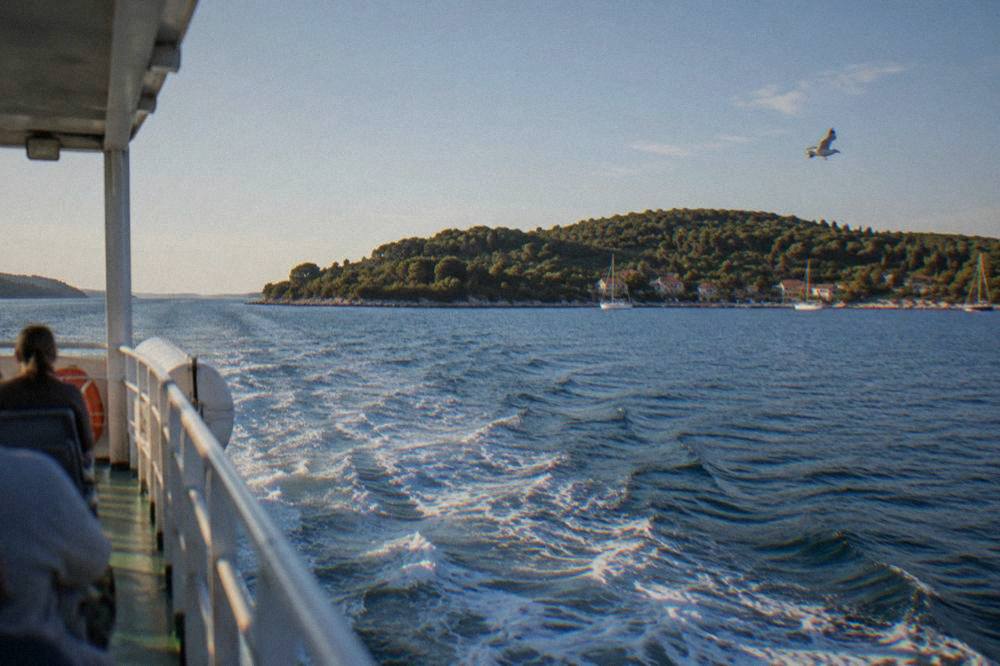
The standard route is the Jadrolinija car ferry from Zadar's Gaženica port to Preko, a crossing of roughly 25 to 30 minutes, running year-round and carrying passengers, vehicles and bicycles without any special arrangement for bikes. Gaženica is Zadar's main ferry port, about 5.2 km and roughly 10 minutes by road from the Old Town, and the city's bus station is 2.6 km from the old centre. Check the current fare and timetable on Jadrolinija's route page or at the port before travelling.
What is verified is the shape of the system. Jadrolinija runs the line as a car ferry, not a foot-passenger catamaran, so it serves cyclists, walkers and drivers alike, and in summer the frequency steps up to meet demand. The practical consequences are worth spelling out. Arrive early in July and August if bringing a car, because the queue for vehicle space is the single constraint on this route. Foot passengers and cyclists can usually board without stress. And because the crossing is short, a day trip timed around two sailings gives a full day on the island without any pre-booked commitment beyond the ticket itself.
| Route from Zadar | Operator / type | Crossing time | Notes from the route pages |
|---|---|---|---|
| Gaženica to Preko (Ugljan) | Jadrolinija car ferry | roughly 25 to 30 minutes | Year-round; check the current fare with Jadrolinija |
| Gaženica to Brbinj (Dugi Otok) | Jadrolinija line 434 car ferry | 1 h 40 min | Serves the outer islands group |
| Zadar to Ancona | Jadrolinija line 51 fast catamaran | about 4 hours | Passenger-only summer service; ran 26 June to 6 September 2026; 2027 season not announced |
| Harbour crossing (Barkajoli rowing boats) | Traditional rowing boats | about 1.5 to 2 minutes | Within Zadar itself, weather permitting; fare is a euro or two |
Planning around the ferry means planning around the rest of the day-trip map from Zadar. The city is the launch point for the whole regional circuit: Krka National Park, Plitvice Lakes, the Kornati islands, Paklenica and the old royal town of Nin. Ugljan is the only one of these that does not really need a plan: the ferry goes, the island is small, and the failure mode is a pleasant afternoon rather than a missed connection.
What Are The Best Things To Do On Ugljan Island?
The four anchors of an Ugljan day are the waterfront at Preko and its offshore islet of Galevac, the walk or drive up to St Michael's fortress on the island's ridge, swimming from the pebble beaches that line the eastern shore, and cycling or walking the coastal path that links the chain of villages from Preko northwest toward Kukljica. Each of these is free or near-free, and all four fit inside a single ferry-day. The island has no ticketed attractions, which is itself the point: this is a place of quays, beaches and hills rather than queues and turnstiles.
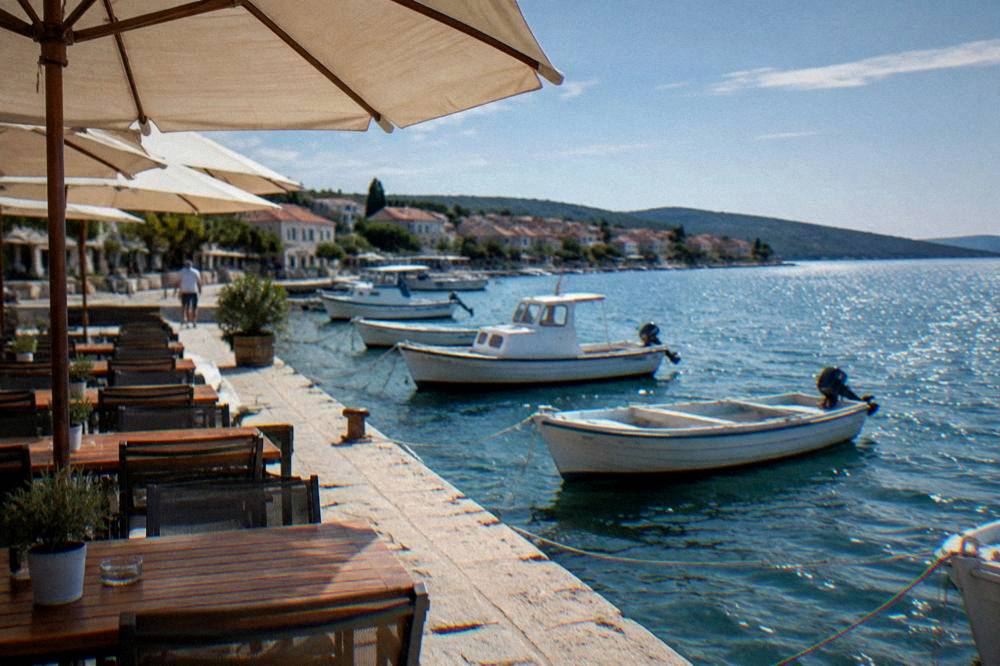
Preko comes first for a reason. The ferry lands you on a riva of palms and café tables, and a few hundred metres offshore sits Galevac (also called Ošljak islet in some listings), home to a small Franciscan monastery reachable by the little taxi boats that operate from the beach in season. Swimming off Preko's beaches requires no transport at all. The listing details and boat availability are seasonal, so confirm locally on arrival rather than trusting a printed schedule.
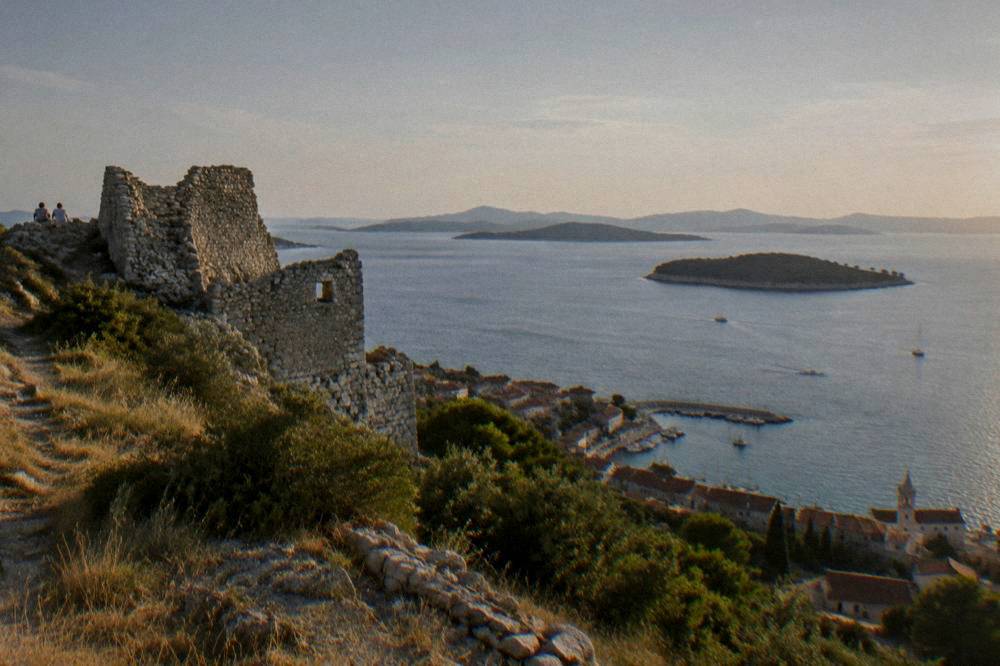
St Michael is the island's viewpoint. The fortress ruins at the summit sit above the village of Ugljan, and the ascent is a walk of well under two hours on the marked path, shorter by bike or car on the road that also climbs from the coast. From the top, the whole Zadar archipelago opens up: the city itself, Pašman behind, and the Kornati line on the horizon. Go in the morning in summer; the ridge carries little shade after midday, and the Zadar weather pattern of hot, dry July afternoons applies to the island too.
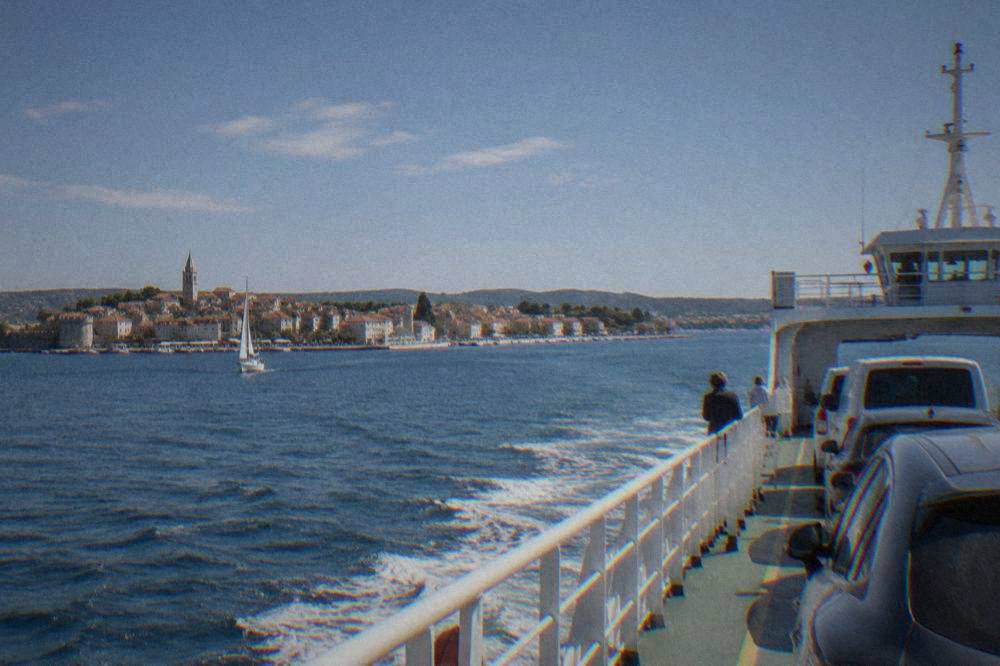
The olive heritage deserves its own mention. The island's interior terraces produced the oil that stocked Zadar's kitchens for generations, and the village of Kali in particular is identified with fishing and olive cultivation. Treat the groves as landscape rather than itinerary: walk through them, buy oil where it is sold at the roadside, and ask locally about any tasting arrangements.
Where Can You Swim On Ugljan Island?
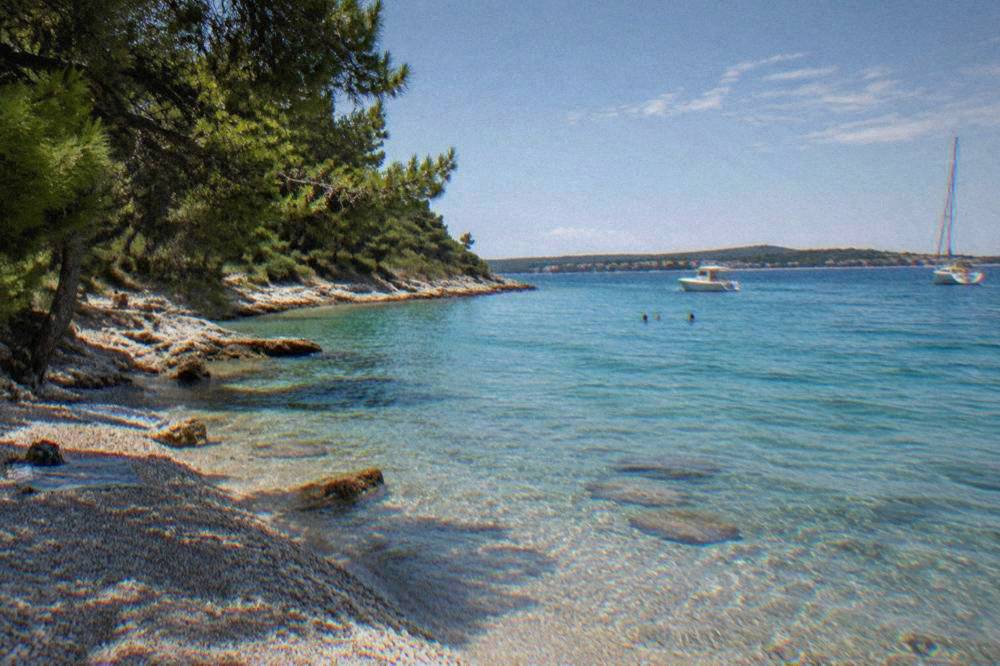
The main swimming is off the pebble and concrete beaches that run along Ugljan's eastern shore from Preko northwest through Ugljan, Lukoran and Sutomišćica, all of which face the sheltered Zadar Channel, with rockier and quieter coves on the western side reached by road or footpath. The eastern beaches are the practical choice: calm water, easy access from the villages, and shade from the pines in places. As on any Croatian beach, facilities are seasonal and vary by stretch, so check what is open locally.
A rule change from 2026 is worth knowing across Zadar County's beaches. Under the county assembly's new concession decisions, in force for the 2026 season, concession beaches cannot be fenced off and cannot charge for entry: access is fully public and free, with commercial activity such as sunbeds limited to a share of each beach's area and the remainder left free for visitors with their own towels. That applies county-wide, Ugljan included, and it means no Ugljan beach should ask you to pay simply to set foot on the sand or pebble.
| Ugljan beach area | Setting | Access |
|---|---|---|
| Preko waterfront and riva | Pebble and paved swimming ledges beside the ferry quay | On foot from the ferry |
| Jaz beach, Kukljica | Sand-shingle bay near the island's southern end | Road from Kukljica village |
| Lukoran and Sutomišćica shore | Village pebble beaches with pine shade | On foot from each village |
| Western shore coves | Rockier, emptier, more exposed | By road or footpath over the ridge |
For planning, treat mid-summer swimming as reliably warm and shoulder-season swimming as variable, and check the live reading close to travel. The swimming season generally runs from June into September, matching the designated-swimming window used at Krka's river sites, 1 June to 30 September, as a rough regional marker for when locals swim.
Is Ugljan Island Good For Cycling And Walking?
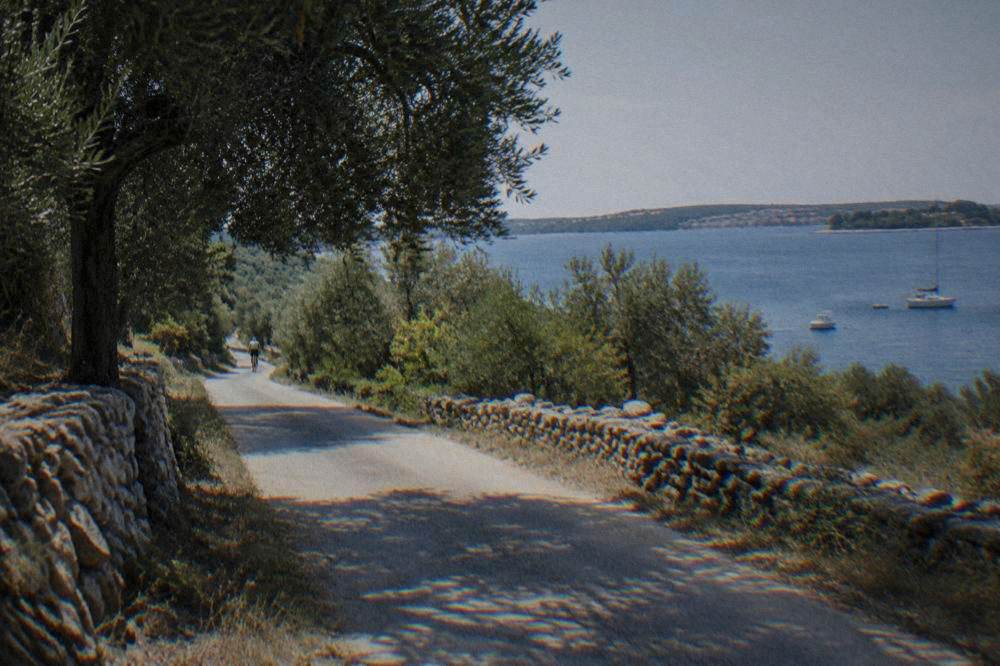
Yes: Ugljan's length, modest ridge and chain of connected villages make it one of the more cycle-friendly islands on this coast, with a coastal road running the island's full extent, marked footpaths to St Michael's fortress, and ferry access that carries bicycles without special arrangements. The island runs roughly 22 km end to end, which puts a full traverse comfortably inside a day for a recreational cyclist and turns a one-way ride into a realistic plan if the return ferry timing cooperates.
There is no dedicated cycle-path network, so cycling follows the main road linking Preko, Sutomišćica, Lukoran, Ugljan, Kali and Kukljica, which is the artery. Traffic is lightest outside July and August, and the hills sit between the villages rather than along the shore. Walking concentrates on the ridge: the St Michael paths from the village of Ugljan, and older tracks through the olive terraces that connect the two coasts. Sturdy shoes and water matter in summer, because the dry-stone landscape holds little shade after late morning.
Can You See Ugljan And Its Waters On A Boat Tour From Zadar?
Yes: several boat tours from Zadar work the same channel and island coast you would cross by ferry, and a guided trip is the way to reach swim stops, coves and snorkelling spots around the Ugljan side without organising your own vessel. The featured option on this site is the luxury island boat tour with snorkeling and unlimited wine, which covers island hopping off Zadar with snorkelling equipment and drinks on board; its current price, rating and times render on its own page. Booking a boat day also removes the ferry queue entirely, which in August is not a small thing.
The choice between the ferry and a tour comes down to what the day is for. The ferry buys you autonomy: a village lunch, a walk up to the fortress, an afternoon on the beach at Preko, all at ferry-and-coffee money. A tour buys you the water itself: swimming stops off boats, coves with no road access, and a skipper who knows which bay is calm that day. Families with small children and confident swimmers often lean toward the tour; walkers and cyclists lean toward the ferry.
The same logic extends further out. The traditional boat tour with three stops and the full-day Kornati and Telašćica trip above both work from Zadar's harbour, and the Telašćica Nature Park element of the latter sits beside the Kornati National Park boundary, where entry is charged per vessel by length and season rather than per person, an oddity of that park's rules covered on its own page. Ugljan itself carries no park fee of any kind: it is ordinary Dalmatian island territory, free to roam.
What Is The Best Time Of Year To Visit Ugljan Island?
The best months for an Ugljan day trip are late May, June and September, when sea and air temperatures are high, rainfall sits near its annual lows and the summer crowding of July and August has not arrived; the DHMZ Zadar station record, 1961 to 2024, shows July as the warmest month at 24.5 C mean and November as the wettest at 123 mm. The ferry runs year-round, so nothing about the island itself closes the option, but the beach-and-swim version of the trip is really a June-to-September product.
The climate record for the crossing region is the Zadar station table, and the island sits close enough that it describes Ugljan's year well. About 2,600 hours of sunshine a year fall on this coast, and the July mean of 24.5 C with only 35.4 mm of rain is the statistical heart of the season. The shoulder months trade a few degrees for empty beaches: May averages 17.9 C, September 20.2 C, and September's 110.9 mm of rain arrives mostly in short storms rather than grey weeks.
| Month | Mean C (Zadar station, 1961-2024) | Rainfall mm | Rain days |
|---|---|---|---|
| May | 17.9 | 64.4 | 10 |
| June | 21.9 | 48.5 | 8 |
| July | 24.5 | 35.4 | 5 |
| August | 24.1 | 52.8 | 6 |
| September | 20.2 | 110.9 | 9 |
| October | 16.3 | 106.8 | 9 |
Winter visits are possible and occasionally beautiful, with the ferry running through the cold months and the walking at its best when the ridge is not baking. January's mean of 7.3 C and December's 99.6 mm of rain describe a season for waterproofs and a long lunch rather than swimming. The island's cafés and accommodation thin out outside the season, so confirm locally what is open before promising a winter day's infrastructure.
Where Do You Eat On Ugljan Island?
What can be said with confidence is structural: the island's food culture is fishing-village cooking, Kali is the island's fishing village, and the shortest supply chain on the menu is usually the fish.
Two Zadar-region products travel with you to the island table. Maraschino, the cherry liqueur Zadar is known for, appears on every serious konoba's shelf, and the region's cheese tradition, carried into the city by the Gligora-sponsored walking tour on this site's roster, has its roots on Pag to the north rather than Ugljan itself. For the wider food picture, the Zadar food guide covers what the city and region are known for; on Ugljan, order the fish, ask what came in that morning, and let the olive oil do the talking.
How Does Ugljan Compare With Zadar's Other Island Day Trips?
Ugljan is the shortest and easiest of Zadar's island trips, Dugi Otok offers the dramatic lagoon and cliff scenery at the cost of a ferry ride of 1 h 40 min to Brbinj, and Pašman continues beyond Ugljan as a quieter extension of the same crossing system, while Pag to the north is reachable by bridge as well as boat. The choice is a trade between convenience and spectacle, and the honest summary is that a first-time visitor with one free day and no strong preference should decide based on whether they want to swim soon or explore far.
| Island day trip from Zadar | Getting there | What defines it |
|---|---|---|
| Ugljan | Ferry from Gaženica to Preko, roughly 25 to 30 minutes | Closest hop; villages, beaches, St Michael fortress, cycling |
| Pašman | Contiguous beyond Ugljan, bridge to the mainland at its far end | Quieter continuation of the same channel |
| Dugi Otok | Ferry line 434 to Brbinj, 1 h 40 min | Sakarun lagoon, cliffs, Telašćica park at the far end |
| Pag | Bridge from the mainland, or boat | Bare karst, cheese tradition, beaches |
The outer options also carry fees the near islands do not. Telašćica Nature Park lists land entrance fees of 6 EUR in the January-to-May and October-to-December window and 8 EUR from June to September, and Kornati charges per vessel by length and season, with a one-day ticket for boats up to 6.99 m at 25 EUR outside high season and 45 EUR from June to September. Ugljan and Pašman carry no park entry at all, which keeps a day there among the cheapest island outings on the coast once the ferry fare is paid.
What Should You Know Before You Go?
Bring cash for small purchases, confirm the return ferry time before you leave Preko, carry water for any ridge walk, and note that Croatia uses the euro (since 1 January 2023), is a Schengen member, and uses 112 as the emergency number; a tourist tax exists and is collected by your accommodation, with the amount confirmed at booking. None of this is Ugljan-specific, but all of it is the difference between a relaxed day and a complicated one.
A few practical notes in table form:
| Practical item | What applies |
|---|---|
| Currency | Euro, since 1 January 2023 |
| Emergency number | 112 |
| Tourist tax | Collected by accommodation; amount confirmed at booking |
| Ferry tickets | Buy at the port or on Jadrolinija's own channels; fare not printed here |
| Footwear | Firm shoes for the St Michael path; the ridge is dry and stony |
| Beaches | Free entry county-wide under the 2026 concession rules |
Cycling the island in August deserves a caveat: the coastal road carries holiday traffic at exactly the hours the heat peaks, and the DHMZ record shows ten days at or above 30 C in both July and August at the Zadar station. An early start solves both problems, and the 358.6 hours of July sunshine the station table records are better spent on a beach by midday anyway.
Common Questions About Ugljan Island
How long is the ferry from Zadar to Ugljan?
The Jadrolinija crossing from Zadar's Gaženica port to Preko on Ugljan takes roughly 25 to 30 minutes according to Jadrolinija's route information. The fare is not printed on this site because no official figure was verified; check the current price and timetable with Jadrolinija before travelling.
Can you take a car to Ugljan Island?
Yes. The Preko line is a car ferry carrying vehicles, bicycles and foot passengers year-round. In July and August, arrive early for vehicle space, because the queue is the route's main constraint.
What is there to do on Ugljan Island?
The anchors are the Preko waterfront and its offshore islet, the walk to St Michael's fortress on the ridge, swimming off the eastern-shore pebble beaches, and cycling or walking the road and paths that link the villages along the island's length.
Which is better, Ugljan or Dugi Otok?
Ugljan is the short, easy hop suited to a half-day or a relaxed beach day. Dugi Otok needs the 1 h 40 min ferry to Brbinj but carries Sakarun beach and the Telašćica cliffs. Choose on time available and appetite for distance rather than on any single ranking.
When is the best time to visit Ugljan?
Late May, June and September combine warm sea with lower crowding. July is the warmest month at 24.5 C mean and November the wettest at 123 mm, per the DHMZ Zadar station record for 1961 to 2024.
Do you have to pay to use beaches on Ugljan?
No. Under Zadar County's 2026 concession rules, beaches cannot charge entry or fence off access; commercial services such as sunbeds occupy at most a set share of each beach and the rest stays free for public use.
Ugljan remains the simplest good decision on Zadar's day-trip board: a crossing of roughly half an hour, an island you can walk, ride or swim through, and a return ferry that puts you back on the Riva in time for the evening. Plan the crossing, pack for the sun, and let the island do the rest.