Nin Croatia
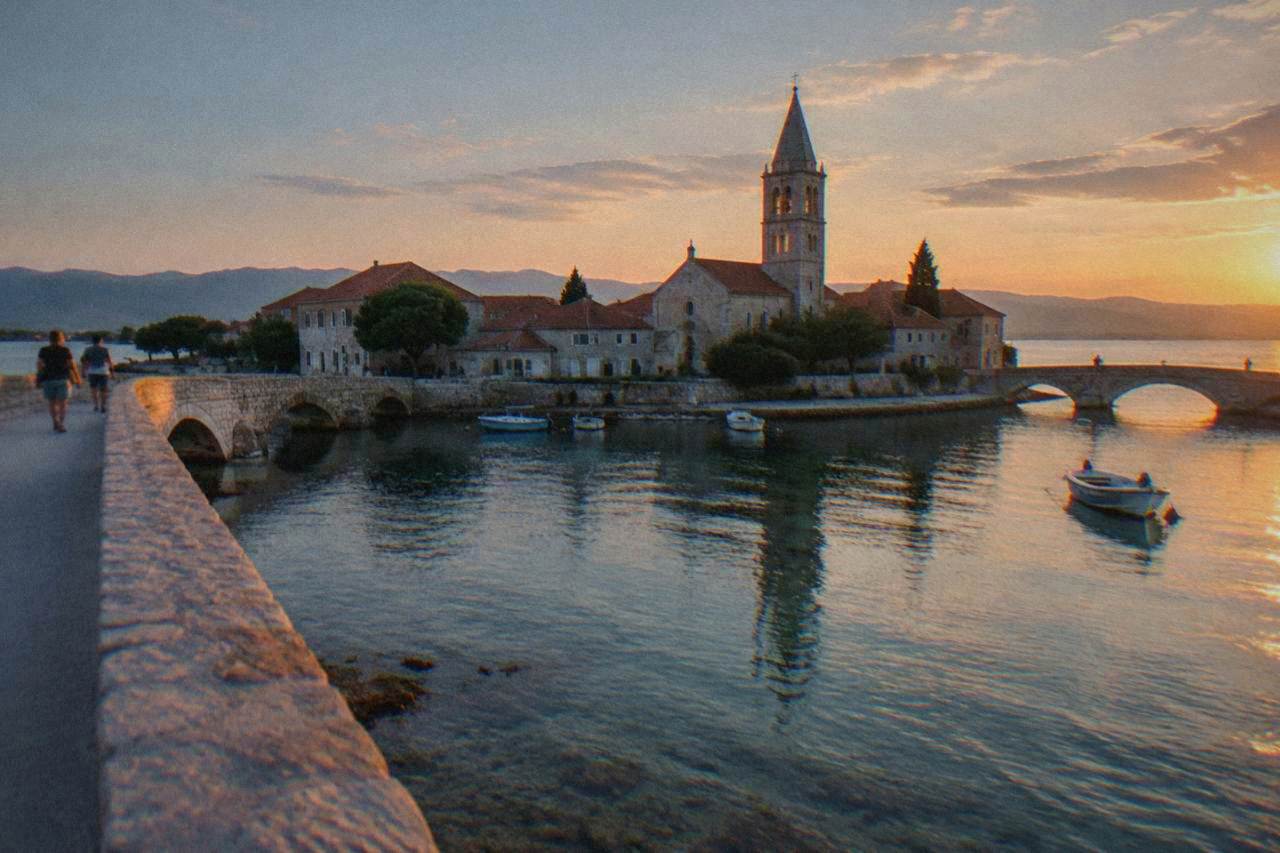
Nin sits on its own small island in a shallow lagoon about half an hour north of Zadar, with sandy beaches, working salt pans and a compact historic core that takes an afternoon to walk.
Short answer
Nin is a small town 19.8 km north of Zadar's Old Town. It is known for its sandy beach, its salt pans and a historic core set on a tiny island in a shallow lagoon, and it works as a half-day or full-day trip from Zadar.
Nin sits in a shallow lagoon on the Dalmatian coast of Croatia, about half an hour north of Zadar by road, and it makes one of the easiest half-day escapes from the city. The drive from Zadar's Old Town is 19.8 km and roughly 28 minutes, shorter than any other headline day trip on this coast except the beaches inside Zadar itself. This page, from the Zadar Croatia Travel Guide, sets out how to get there, what the town offers, and how to slot it into a wider Dalmatian itinerary.
What Is Nin Croatia And Where Exactly Is It?
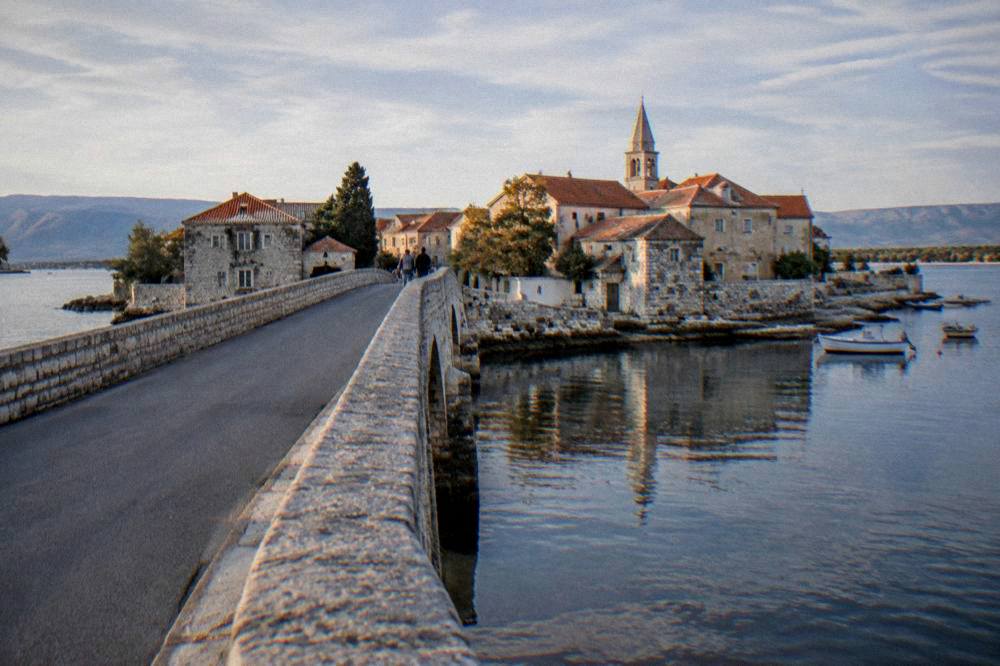
Nin is a small town in Zadar County, on a lagoon off the Adriatic coast of Dalmatia, 19.8 km and about 28 driving minutes north of Zadar's Old Town. The historic core sits on a tiny island in the shallow lagoon, linked by bridges to the mainland, with a long sandy beach along the outer shore. It functions as a beach, salt and history destination rather than a city.
That geography is the reason Nin exists as a destination at all. The lagoon is shallow and warms quickly, the outer strip holds the sand that most of this rocky coastline lacks, and the flat ground made the place habitable from early times. The town's history is long. Today Nin is a compact settlement of a few streets, churches and museums, surrounded by water on almost all sides, with working salt pans at the edge of the lagoon.
The scale matters for planning. Nin is not a second Zadar. It is a place you visit for a swim, a walk, a look at the salt works and a slow lunch, and the whole circuit can be done without a car once you have parked or stepped off the bus. Readers who want the fuller picture of the region's day trips can start from the Zadar day trips overview and the dedicated Nin worth-visiting answer.
How Do You Get From Zadar To Nin?
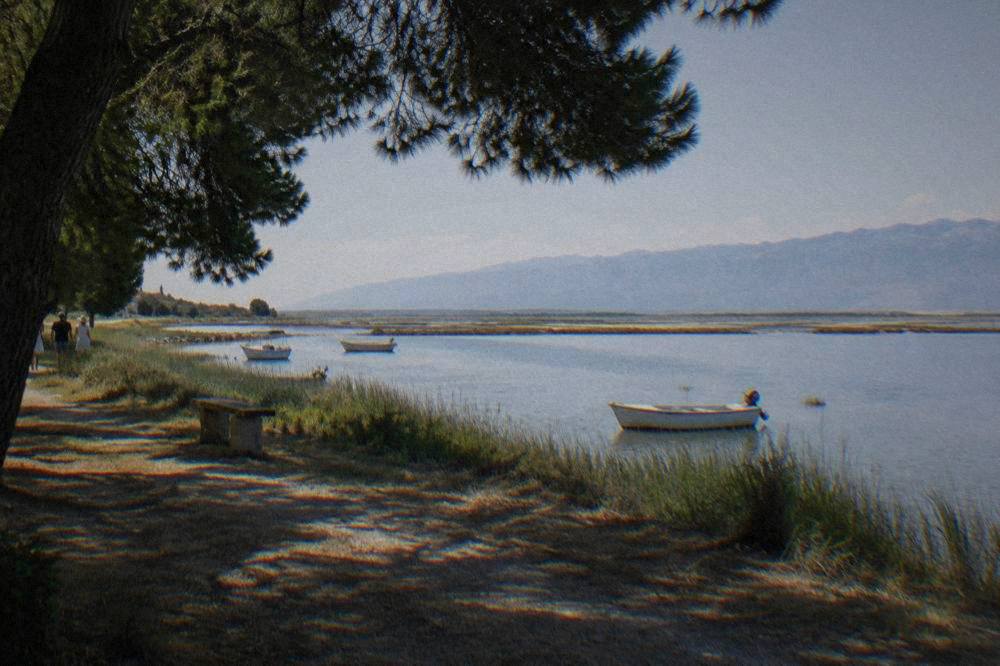
The drive from Zadar's Old Town to Nin is 19.8 km and about 28 minutes by road, and local buses connect the two towns as well. Passenger trains do not currently run to Zadar, so the choice is car, bus, or an organised excursion. Confirm bus times locally before travelling.
By car, the route runs north along the coastal road, and Nin is signposted as you leave the Zadar suburban belt. Of the classic day trips, Nin is the closest.
By bus, Zadar's city and suburban services reach Nin, and the dedicated getting from Zadar to Nin page covers the practical detail. Check current fares and timetables at Zadar's bus station, Ante Starčevića 1, or with the operator before you travel. Cyclists also use the coastal road, and the flat terrain around the lagoon makes Nin a reasonable bike objective for riders comfortable sharing the road with traffic.
What Are The Main Things To See In Nin?
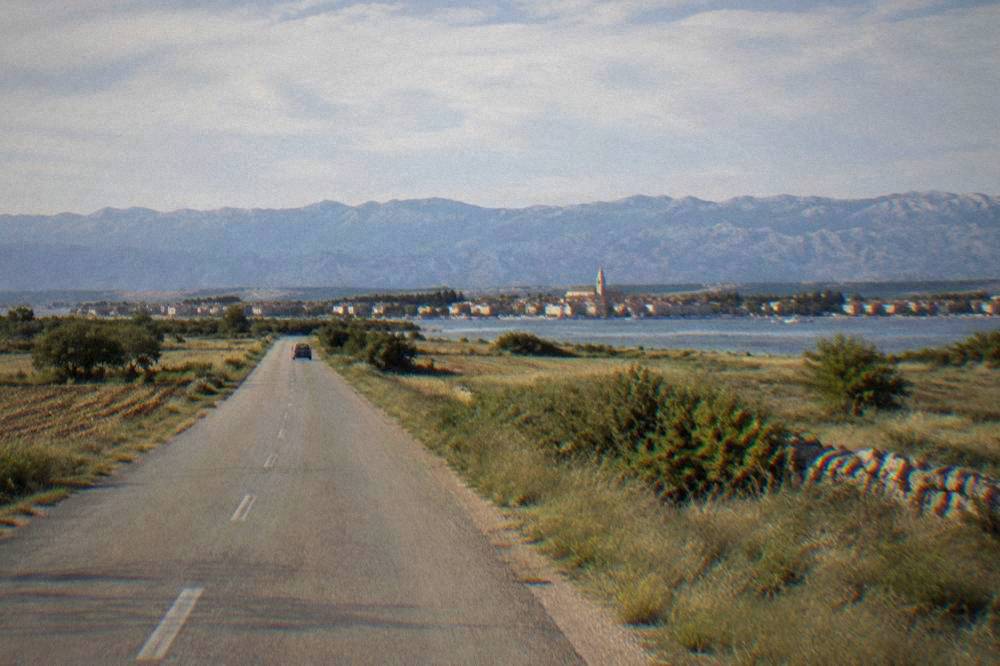
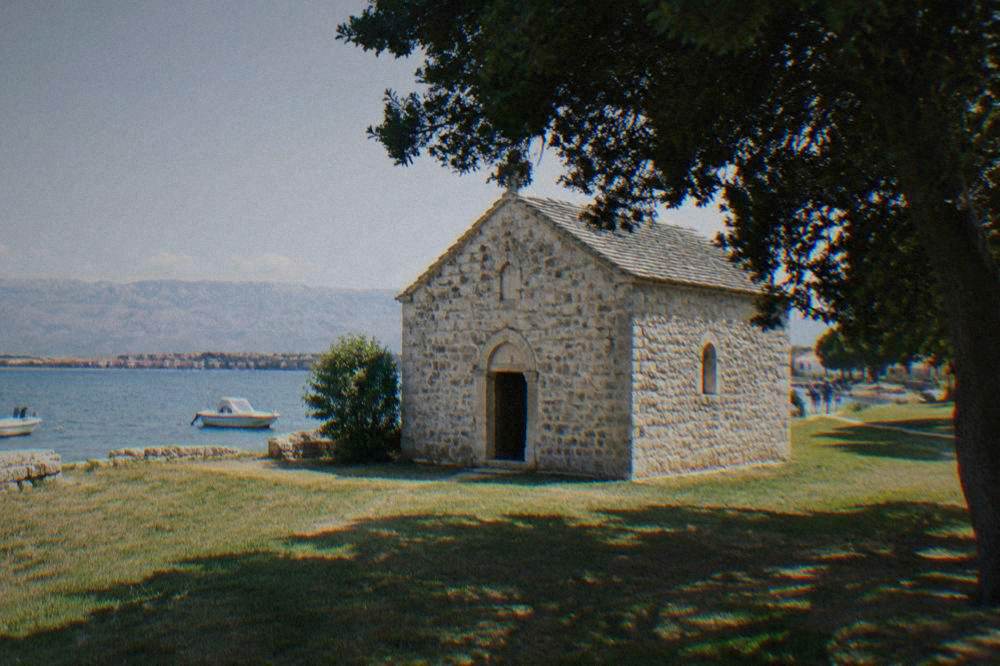
Nin's headline sights are its sandy beach on the outer lagoon strip, the working salt pans at the edge of town, the historic churches of the tiny old core, and the shallow lagoon itself, which families use for swimming because the water stays shallow far from shore. Everything sits within walking distance of everything else. Check entry conditions locally before visiting.
The beach is the single biggest draw. Most of Dalmatia's coast is stone and pebble, and a genuine sandy strand with shallow, warm water is rare enough to shape travel plans. The lagoon's depth means small children can wade well out; the same shallowness means the water is warmer than the open sea in high summer. Croatia's euro currency (in use since 1 January 2023) makes paying for sunbeds or ice cream simple, and note that Zadar County's 2026 beach concession rules forbid entry fees or fencing on concession beaches, with commercial layouts capped at 40 to 60 percent of a beach's area, so a free towel-and-umbrella zone is guaranteed by the county decision.
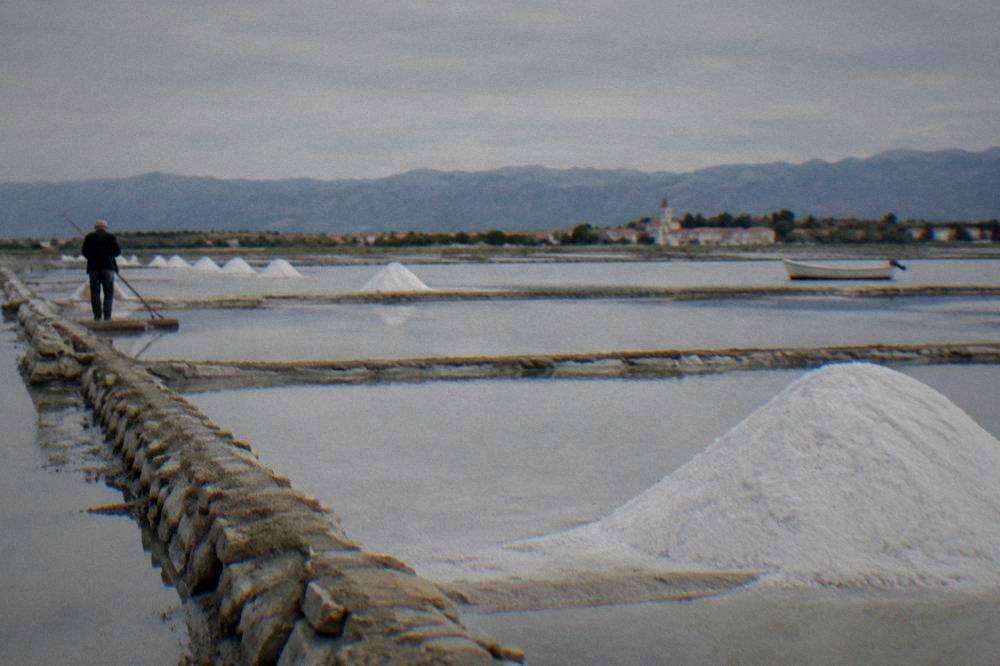
The salt pans are the second stop. Salt has been made on this lagoon for a very long stretch of history, and the works still produce today; the site's file does not verify a founding date or a tour price, so confirm both locally. The pans, the heritage of salt gathering, and the birdlife of the lagoon are usually packaged together at the gate. The old core then holds Nin's churches, a treasury and a small museum presence, on streets that take minutes rather than hours to walk. Set against Zadar's Old Town, the scale difference is the point: Nin is a pocket version of Dalmatian town life, not a competing attraction.
How Long Should You Spend In Nin, And When Is The Best Time To Go?
Half a day covers Nin's old core, the salt pans and a swim in summer; a full day suits families who want the sandy beach at a relaxed pace. For weather, the DHMZ Zadar station record, 1961-2024, shows July and August means of 24.5 and 24.1 C with the lowest rainfall of the year, while May, June and September sit between 17.9 and 21.9 C with moderate rain. The choice is heat and crowds against shoulder calm.
The station data is worth reading closely before you commit. Zadar station, 1961-2024, is the official DHMZ record this site uses for every climate figure, and it shows a genuinely coastal pattern: the sea moderates winter (January mean 7.3 C) and takes the edge off summer extremes. Rain days run 5 in July and 6 in August against 12 in November and December, and the sunshine total for the year is about 2,600 hours. September is a strong compromise: a 20.2 C mean, 9 rain days, and sea that has been warming since June. The site prints no monthly sea-temperature normal because the only official reading available is a live DHMZ figure, not a published normal.
| Month | Mean temperature (C) | Precipitation (mm) | Rain days |
|---|---|---|---|
| May | 17.9 | 64.4 | 10 |
| June | 21.9 | 48.5 | 8 |
| July | 24.5 | 35.4 | 5 |
| August | 24.1 | 52.8 | 6 |
| September | 20.2 | 110.9 | 9 |
| October | 16.3 | 106.8 | 9 |
Source for every row: DHMZ, Zadar station, 1961-2024. For a full seasonal breakdown, see the best time to visit Zadar discussion on the main guide, and remember that Nin's shallow lagoon warms faster than the open sea, so the swim season at the sandy beach tends to start earlier and end earlier than at Zadar's stone beaches like Borik.
How Does Nin Compare With The Other Day Trips From Zadar?
Nin is the shortest day trip on this site's list at 19.8 km and about 28 minutes of driving, versus 46.8 km to Paklenica, 91 km to Krka's Skradinski Buk and 145 km to Plitvice. It is the only one built around a sandy beach and salt heritage rather than mountains, lakes or islands. Choose it for a slow half day, not a full expedition.
The routing file gives exact figures for every classic day trip, and the spread explains why itineraries look the way they do:
| Destination | Driving distance from Zadar Old Town | Driving time |
|---|---|---|
| Nin | 19.8 km | 28 min |
| Paklenica National Park | 46.8 km | 57 min |
| Pag Town | 54 km | 62 min |
| Skradin | 76 km | 62 min |
| Krka NP (Skradinski Buk) | 91 km | 73 min |
| Biograd na moru | 29.5 km | 39 min |
| Plitvice Lakes NP | 145 km | 153 min |
Each of those distances is measured the same way, so they are directly comparable. The practical read: Nin and Pag can share a day, since Pag Town is 54 km further up the coast road, while Krka, Plitvice and the island ferries each justify a day of their own. The park pages carry the full entry-price detail, all of it seasonal: Krka charges 7, 20 or 40 EUR for an adult depending on month, and Plitvice 10, 23 or 40 EUR on the same logic. Nin has no comparable printed entry economy: its costs are transport, lunch and whatever the salt works and museums charge on the day.
Can You Visit Nin And Still Do A Big Park Day Trip On The Same Trip?
Yes, but not on the same day for most travellers: Nin absorbs a half day, while the park day trips from Zadar run to roughly ten hours door to door for Plitvice, so pairing them back to back over two days works better than cramming both into one. Nin also pairs naturally with Pag, which continues up the same coastal road. Build Nin into a rest day between the bigger excursions.
The logic is arithmetic. The Plitvice guided day tour from Zadar, this site's featured related product, handles the seasonal park ticketing for you and covers the lakes with a guide; the Plitvice day trip page explains the ticket seasons in full. That is a full-day commitment. Krka, covered on the Krka National Park page, is closer but still a 91 km run each way to Skradinski Buk. Nin, at 28 minutes, is the trip you take on arrival day, departure day, or any morning the fleet is tired.
Readers staying a week in Zadar typically end up with a rhythm like this:
| Day type | Realistic pairing | Driving load |
|---|---|---|
| Arrival or rest day | Nin in the afternoon, swim and salt pans | 19.8 km each way |
| Big park day | Plitvice or Krka excursion | 91 to 145 km each way |
| Island day | Boat tour or ferry to Ugljan or Dugi Otok | Ferry or boat based |
| Active day | Kayaking or Paklenica hiking | Varies by operator |
| City day | Zadar Old Town, Sea Organ, Greeting to the Sun | None |
The Sea Organ and Greeting to the Sun evening ritual in Zadar is free and open at all hours, so a Nin afternoon still leaves the sunset free back in the city. For water-based days, the boat and kayak options from Zadar, including the snorkeling and Zrmanja River products listed on this site, cover the coast from the seaward side while Nin covers it from the landward side.
What Should Families Know About Nin's Beach And Lagoon?
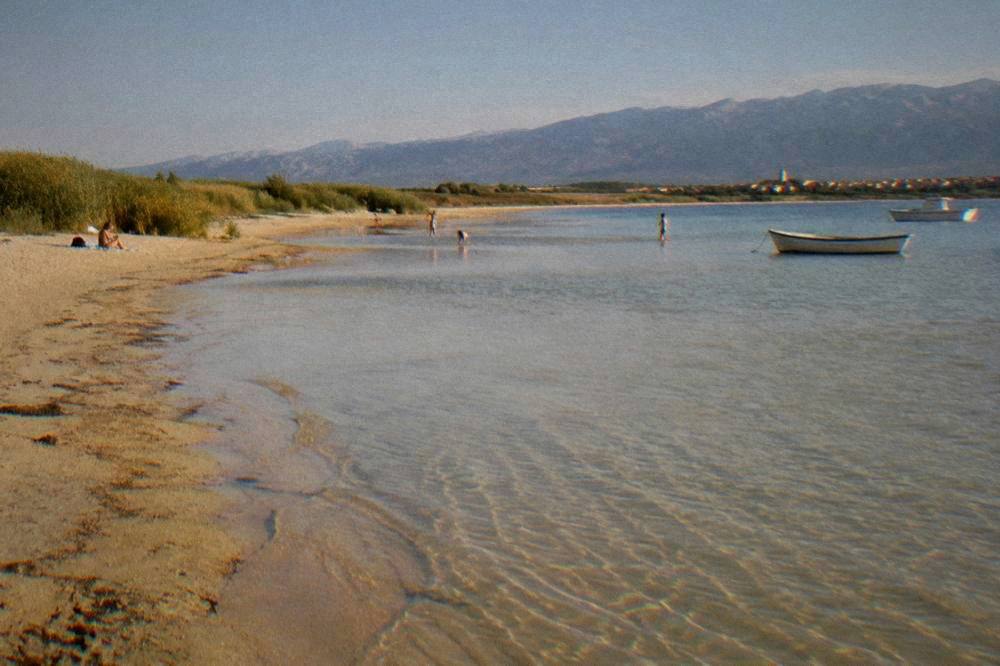
Nin's beach is sandy and the lagoon stays shallow far from shore, which is why families with small children choose it over Zadar's stone and pebble beaches; the 2026 Zadar County beach rules guarantee free public access with no fencing or entry fee on concession beaches, and commercial zones capped at 40 to 60 percent of the beach area. Bring water shoes for the sand's occasional rough patches and check the flag system on the day.
The county concession decision, adopted in April 2026, is the single most useful recent rule for beachgoers anywhere in Zadar County, Nin included. It means nobody can fence off a beach or charge you to walk on it: you pay only if you choose a sunbed inside the commercial strip. The same rules note that old concessions expire within roughly two years, but the access principle is already in force for the 2026 season.
Beyond the beach rules, the practical family points are simple ones. The lagoon's shallowness cuts both ways: safe for waders, but warmer and less refreshing than open sea in the peak of July and August, when the DHMZ Zadar station record shows means of 24.5 and 24.1 C. Shade on a sandy strip is scarce, so hats and an umbrella from the free zone are the standard advice. And the emergency number in Croatia is 112, as everywhere in the EU.
What Does A Half-Day Nin Itinerary Actually Look Like?
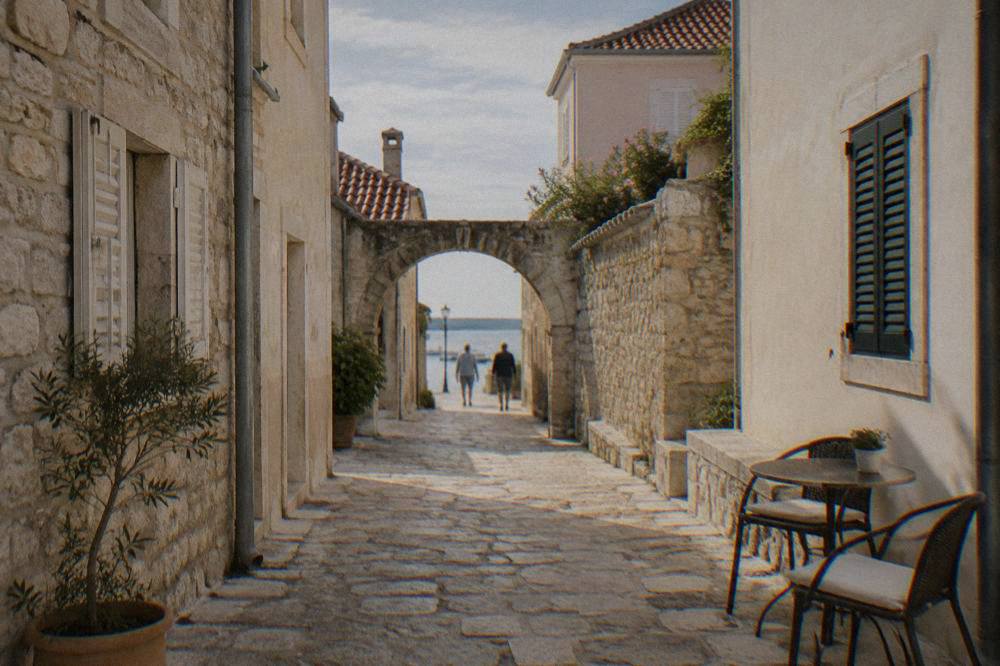
A workable half day starts with the drive north from Zadar, about 28 minutes, then the old core and its churches first while the light is good, the salt pans late morning, lunch in town, and the sandy beach through the early afternoon before driving back. In summer, reverse it: beach first, history in the cooler hours. Nothing in the sequence needs pre-booking; check any entry prices on the spot.
The order matters mainly because of heat. With a July mean of 24.5 C at the Zadar station and the lagoon warmer still, walking unshaded streets at midday is the part to avoid. The old core is genuinely small: its bridges, squares and churches are a circuit of comfortable walking, not a hike, and a stop at the Roman Forum's bigger sibling back in Zadar makes a good contrast at the end of the trip if energy allows.
| Slot | Summer version | Shoulder version |
|---|---|---|
| Morning | Beach and swim while cool | Old core and churches |
| Late morning | Salt pans visit | Salt pans visit |
| Lunch | Town restaurant | Town restaurant |
| Afternoon | Old core in shade of afternoon | Beach, then drive back |
| Return | Drive to Zadar for sunset | Optional Pag road continuation |
Every row is planning structure, not an operational promise: restaurant hours, salt-works opening hours and church access should all be confirmed on the day. For the drive back, Zadar's evening ritual at the Sea Organ is free and open at all hours, and the Old Town is a 28-minute drive from Nin's centre, so the sunset return leg costs nothing but the fuel.
What Are The Rules And Local Customs To Know In Nin?
The rules that matter are county-wide rather than Nin-specific: beach access is free and unfenced under the 2026 concession decision, a tourist tax exists in Croatia and is collected by your accommodation with the amount confirmed at booking, and Croatia uses the euro and sits in the Schengen area, so border formalities with EU neighbours are absent. Emergency services across the country answer on 112. In town, normal dress and respect at churches apply.
Two of those deserve emphasis because misleading versions circulate. First, the tourist tax: Zadar County charges one, collected through accommodation providers, and this site deliberately prints no rate. The amount appears on your booking confirmation, and that is the authoritative place to read it. Second, currency: the euro arrived on 1 January 2023, so any guide still quoting kuna prices is years out of date.
The rest is ordinary Dalmatian courtesy. Church visits call for covered shoulders and knees, the same expectation as at Zadar's own churches, and Zadar's Old Town posted dress-code signs in summer 2026 warning against swimwear, with fines of up to 130 EUR. Nin's centre is a normal town rather than a signposted zone, but arriving clothed is simply correct. Croatia's single emergency number, 112, covers police, fire and medical services everywhere including Nin.
Is Nin Worth The Trip From Zadar?
Nin is worth the trip if you want sand, shallows and salt heritage within half an hour of Zadar, and it is the clear pick for families with small children on this coast; it is skippable if your priority is grand scenery, because Krka, Plitvice, Paklenica and the Kornati islands all deliver bigger single impressions for more travel time. At 19.8 km it is the cheapest day trip to test, and the answer page on this site weighs the question directly.
The honest framing is opportunity cost. A week in Zadar can hold one park day, one island day, one water-sports day and still leave gaps, and Nin fills a gap better than it fills a headline slot. The Kornati islands trip, the Paklenica hiking day and the Šibenik city run each demand more of your schedule and return more spectacle. Nin demands an afternoon and returns a swim, a walk and a bowl of whatever the konobas are serving, and for many travelling groups that is exactly the right trade.
For readers still building the week, the simplest split is this: give Nin the afternoon of a rest day, keep the big excursions as whole days, and spend at least one evening doing nothing but the Zadar waterfront. That is a plan the distances in the table above already support.
For the days you want more than a lagoon, the Zrmanja kayaking and snorkeling boat options below round out the same week:
Common Questions About Nin Croatia
How far is Nin from Zadar?
The drive is 19.8 km and about 28 minutes from Zadar's Old Town, making it the shortest headline day trip on the list.
Can you get to Nin from Zadar without a car?
Yes, buses link the two towns, and the getting from Zadar to Nin page covers the practical detail. Check the current times and fares at Zadar's bus station before travelling.
Is Nin's beach sandy?
Yes, the outer strip of the lagoon holds a genuine sandy beach with shallow water, which is the main reason families choose it over the stone and pebble coast elsewhere around Zadar.
Do you have to pay to use the beach at Nin?
No. Zadar County's 2026 concession rules forbid entry fees and fencing on concession beaches and cap commercial layouts at 40 to 60 percent of a beach's area, leaving a guaranteed free zone for your own towel.
Can you visit Nin and Pag on the same day?
Yes: Pag Town is 54 km and about 62 minutes further up the coastal road from Zadar, so Nin in the morning and Pag after lunch is a realistic one-day loop by car.
What is the best time of year to visit Nin?
For swimming, June through September: the DHMZ Zadar station record, 1961-2024, shows means of 21.9 to 24.5 C across those months with the year's lowest rainfall. May, June and September suit travellers who prefer fewer crowds with a 17.9 to 20.2 C mean.