Pag Island From Zadar
Pag sits across the water from Zadar, a bare limestone island joined to the mainland by road, and a day trip from Zadar covers its town, its salt works and its cheese country in one loop.
Short answer
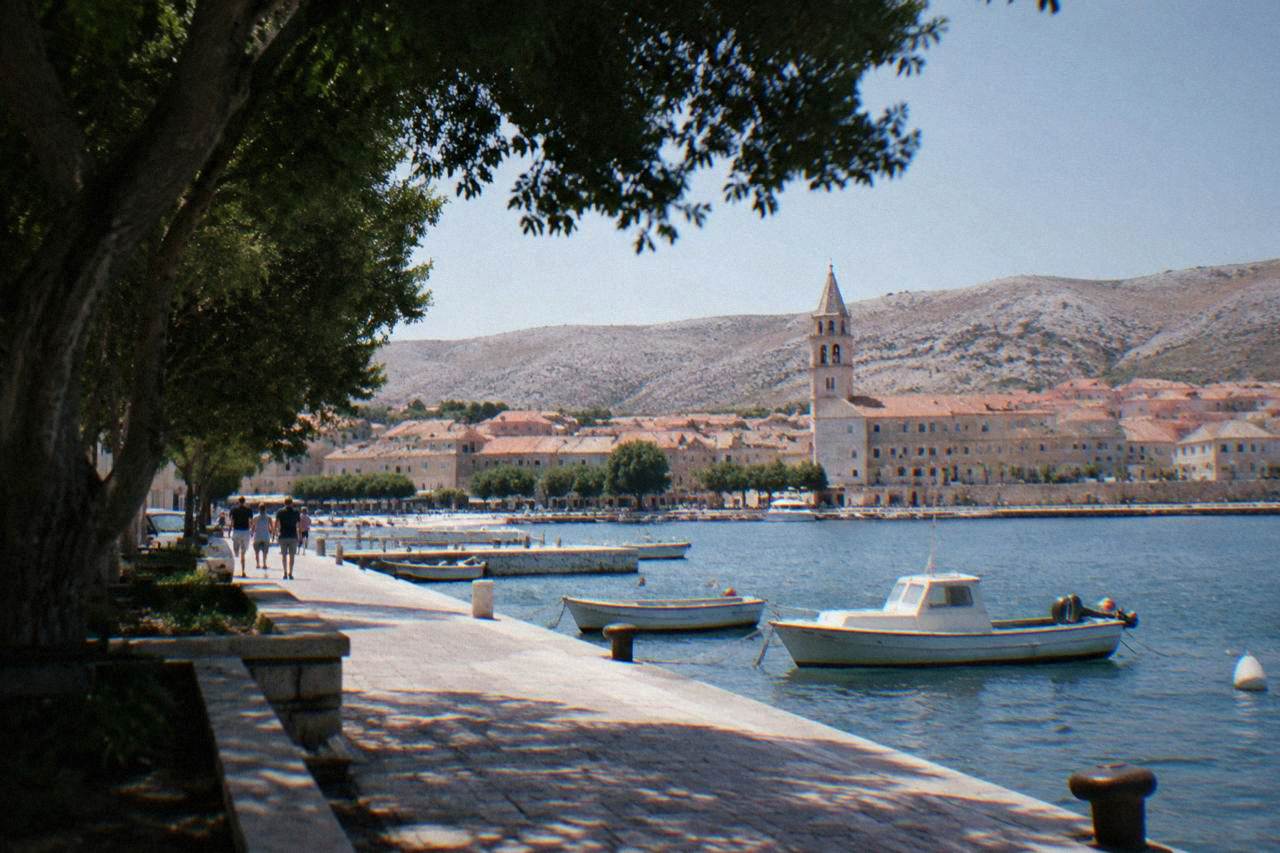
Pag Town is 54 km by road from Zadar's Old Town, which makes Pag one of the easiest island day trips from the city.
Pag is the long, bare island that lies just off Zadar, in Dalmatia, Croatia, close enough that its ridge line is part of the view from the mainland coast. It is reached by road rather than by a scheduled boat, which is unusual among the islands around Zadar and is the reason it works so well as a self-driven day trip: Pag Town is 54 km from the Old Town, about 62 minutes of driving, according to the routing data this site uses. The island runs on three products, sheep cheese, salt and lamb, and its landscape, stripped of soil by the bora wind, looks like nothing else on the Adriatic coast. This guide sets out what is verified about getting there, what to see, and how the day fits together.
Where Is Pag Island And How Far Is It From Zadar?
Pag Island lies immediately northwest of Zadar across a narrow channel, and Pag Town is 54 km from Zadar's Old Town, a drive of about 62 minutes. The route passes Nin at 19.8 km, so the two trips chain naturally into one day. Croatia's emergency number is 112 and the country uses the euro, so no currency planning is needed.
The island is part of the Zadar archipelago but behaves differently from Ugljan and Dugi Otok, which sit offshore and depend on boats. Pag hugs the coastline so closely that the channel separating it from the mainland is a matter of a short crossing, and the road connection means no timetable governs the day. The routing figures this site publishes are computed from road-network data, not estimated from maps, and the 54 km to Pag Town is the figure for the drive from the Old Town itself. Drivers starting from Borik or the northern edge of the city shave a few minutes off that.
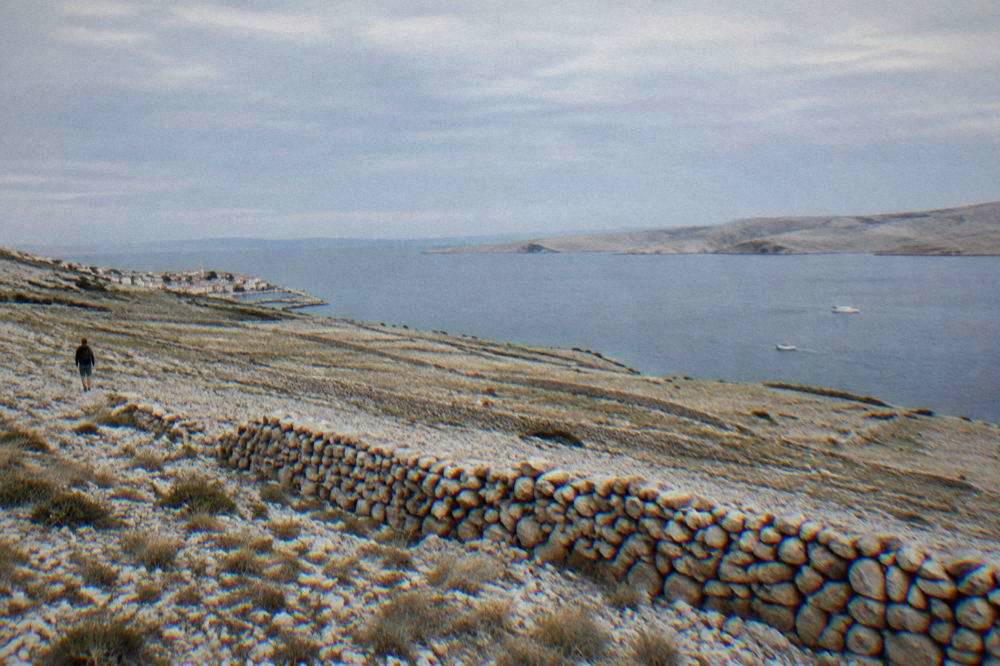
What Pag looks like is the first thing any guide to it has to answer honestly. The northeast face of the island is bare karst, grey stone divided into low walls, and the reason is wind: the bora, the cold dry northeasterly that funnels down the Velebit range, strips soil and shapes vegetation across the whole region. The result is a landscape often compared to a moonscape, and the comparison is fair even if it is a cliché. The southwest coast is the gentler side, with bays, shallow water and the towns.
For context, here is how the drive to Pag compares with the other day trips out of Zadar, using the same routing data:
| Destination from Zadar Old Town | Distance | Driving time |
|---|---|---|
| Nin | 19.8 km | 28 min |
| Biograd | 29.5 km | 39 min |
| Paklenica National Park | 46.8 km | 57 min |
| Pag Town | 54 km | 62 min |
| Skradin | 76 km | 62 min |
| Šibenik | 89 km | 71 min |
| Plitvice Lakes | 145 km | 153 min |
Read that table twice and it changes the plan: Pag costs the same driving time as Skradin, the gateway to Krka, but in the opposite direction. A visitor with two spare days can do both without repeating road.
How Do You Get From Zadar To Pag Island?
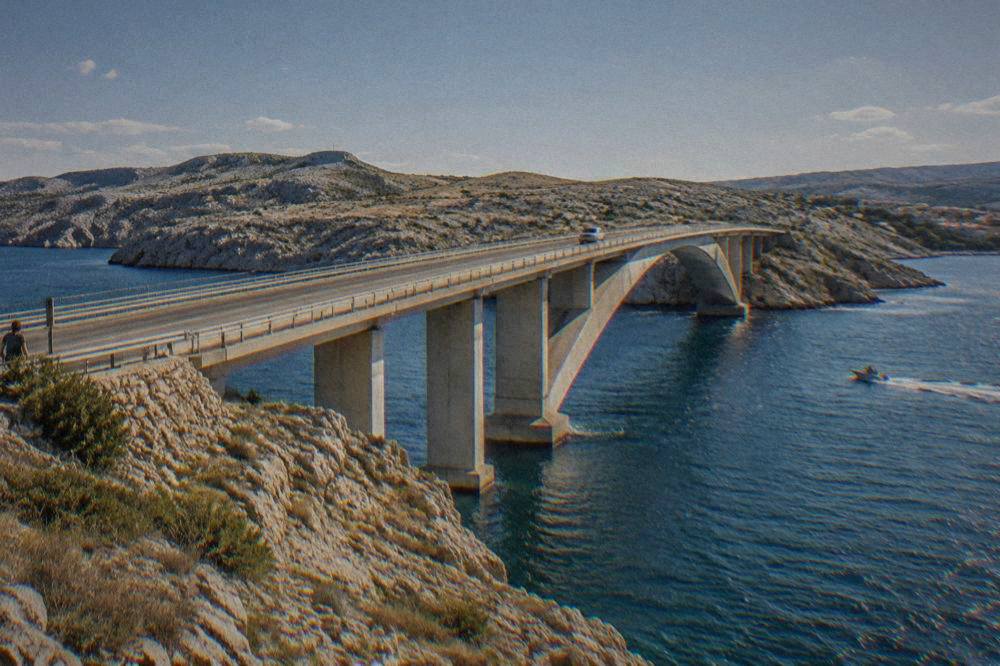
Pag is reached by road from Zadar, with the drive to Pag Town measured at 54 km and about 62 minutes, and the island can also be reached from the south via a connection across the channel to the mainland near Posedarje on the A1 corridor. There is no scheduled ferry route Zadar to Pag in the transport data this site holds, so the car, a rental or an organized excursion is the practical answer.
The site's transport pages hold the verified detail for leaving Zadar in general: the airport sits about 8 km from the city by its own how-to-get-here page, the bus station is at Ante Starčevića 1, and intercity buses run from there. For Pag specifically, the routing data covers the road distances, and the practical advice is simple: leave early, because the island rewards a full loop rather than a single stop, and the return leg in late afternoon runs into local commuter traffic around Zadar.
For visitors without a car, two options exist in the verified tour roster. Organized excursions from Zadar reach the island's highlights without the visitor driving, and the boat-based tours cover the nearby islands instead. Readers weighing the choice can compare on the island comparison page, which sets Pag against Ugljan and Dugi Otok.
Visitors driving should budget for tolls and parking locally and confirm prices on arrival. What can be said is structural: fuel, tolls and a cheese purchase are the main costs of a self-driven Pag day beyond food.
The trio above is the boat-and-park alternative track: island hopping out of Zadar itself, the Dugi Otok route, and the Plitvice run. Pag is the road answer to the same question, and a visitor pairing one road day with one water day covers a remarkable share of the region.
What Is There To See On Pag Island?
The core sights are Pag Town's old centre with its lace heritage, the salt works that defined the island's economy, the stone-walled sheep country of the interior, and the long pebble and sand bays of the southwest coast, above all the shallow lagoon around the island's northern tip. Entry to the old town streets, the shoreline and the viewpoints is free and unticketed, and the island has no single gate, pass or combined card.
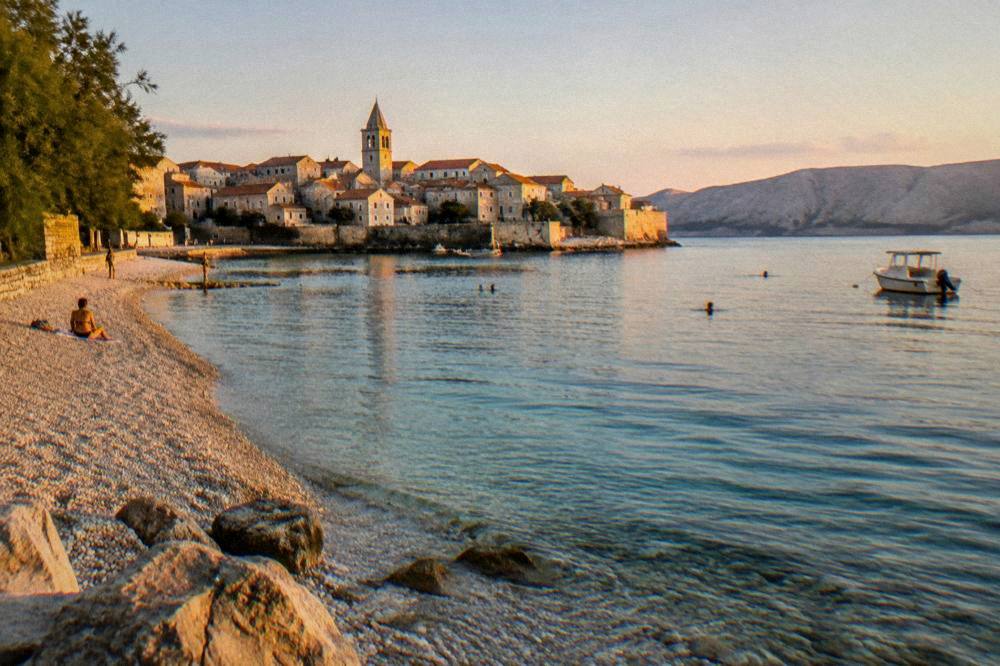
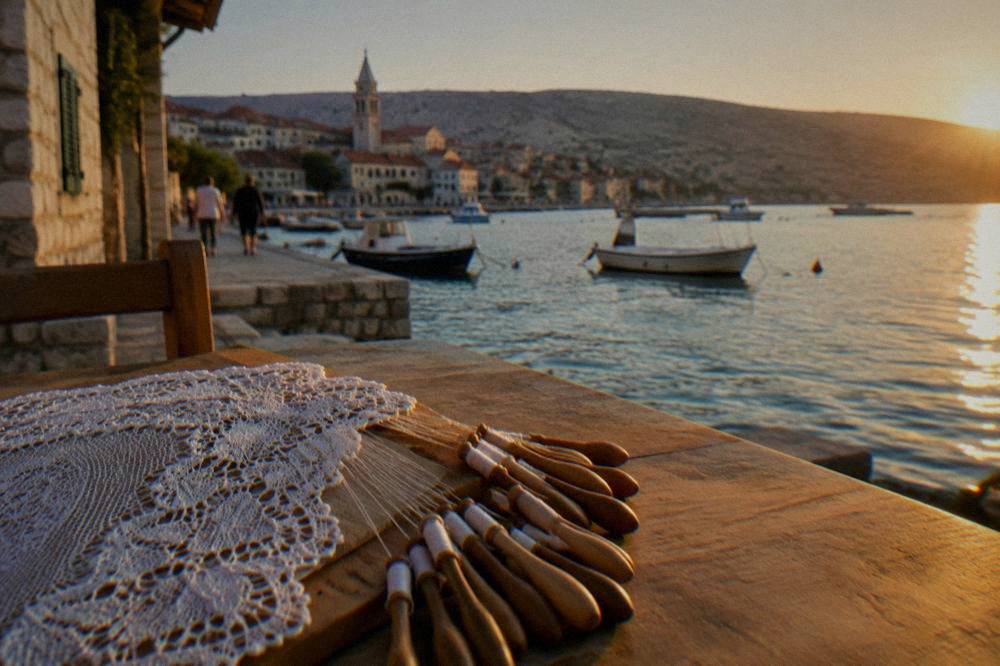
Pag Town is the administrative centre and the natural first stop. Its planned stone core is a compact grid of streets around a main square, built on a grid plan that survives intact. The town is small enough that a walking loop of the centre, the square and the waterfront takes an hour at an unhurried pace, and that is with stops.
The salt works are the island's economic story. The pans at the town's edge are still worked in the traditional season. Check access arrangements and any entry price or tour tariff on arrival; the pans, viewed from the public road along the shore, cost nothing and photograph well in late afternoon light.
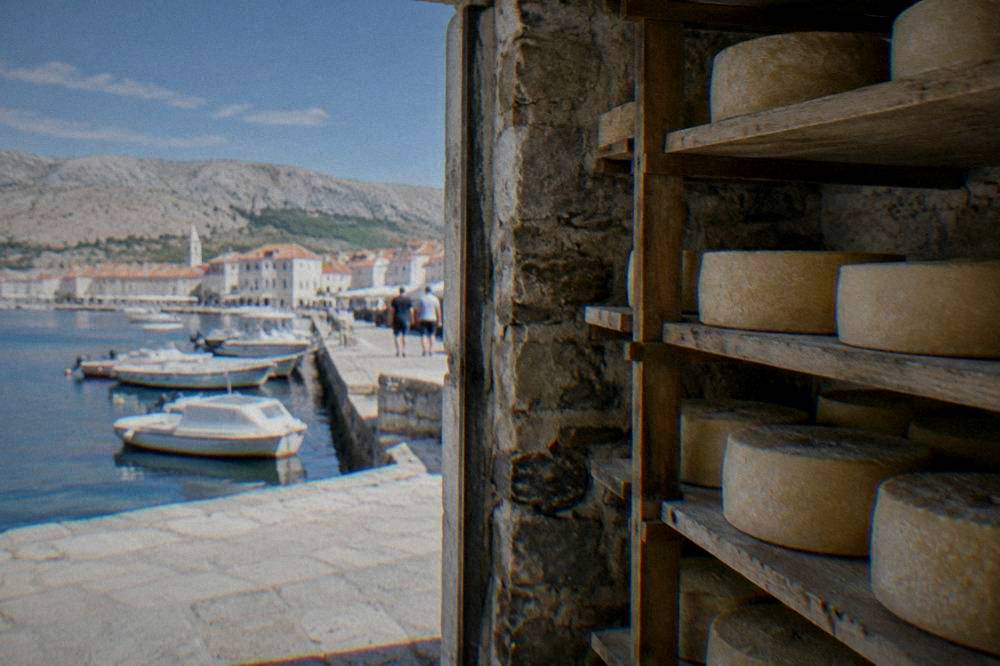
Inland, the sheep are the point. The paška ovca, the Pag sheep, grazes the bare karst and produces the milk for paški sir, the island's hard sheep cheese, and the flocks are visible everywhere behind the dry-stone walls. Several producers on the island sell directly from the farm gate, and tasting before buying is normal practice. The lamb, raised on the same pasture, is the other half of the island's food reputation.
The northern end of the island holds the long sandy shallows around Lun and the old olive groves, and the southern end holds the party beach at Zrće, near Novalja, which runs on a completely different calendar. A family loop and a festival weekend are two different islands, and the planning section below separates them.
Readers wanting the deeper historical backdrop to the region can follow the Dugi Otok guide for the island chain beyond, or start with one day in Zadar for the city side of the trip.
What Is Pag Cheese And Why Does It Cost More Than Ordinary Cheese?
Paški sir is a hard cheese made from the milk of Pag sheep, a small hardy breed that grazes wild herbs and grass on the island's karst pasture, and its price sits above ordinary supermarket cheese because production is small, seasonal and tied to one island's milk supply. The cheese is protected at EU level as a product of the island, which legally ties the name to the origin.
The chain runs from landscape to flavour. The bora wind carries salt spray off the Velebit channel onto the pasture, the sheep eat the low aromatic plants that survive there, and the milk carries that into the cheese. Producers age wheels for months, and the result is a firm, slightly crumbly cheese with a sharp finish. The island's cheese has taken awards at Croatian and international shows, and the protected-name status means a wheel sold as paški sir is legally from Pag's milk.
Practical advice is to buy where it is made. Farm-gate sellers across the island sell whole wheels, halves and wedges, tasting is customary, and prices vary by age of the wheel. Check the price at the counter, and expect the aged wheels to cost more than the young ones. Supermarkets in Zadar also sell paški sir, usually at a lower price for younger cheese, which is a fair trade for visitors who only want a taste.
Salt belongs in the same basket. The island's salt pans produce a coarse sea salt sold alongside the cheese at farm gates and in the town's shops, and the two together make the compact, durable souvenir of the trip: neither spoils quickly, neither weighs much, and both are legally tied to the island.
A word on the lamb: paška janjetina, Pag lamb, is grilled simply and served in konobas across the island. It is a seasonal product like everything else here, and lunch on Pag is one of the main reasons Zadar residents make the drive themselves.
When Is The Best Time Of Year For A Pag Day Trip From Zadar?
Late spring, from May through June, and early autumn, September into early October, are the planning sweet spot for Pag: sea warm enough for a swim stop, heat below the July and August peak, and the island's roads and restaurants not yet, or no longer, at summer capacity. July and August work too, but they bring the Zrće party season and the highest temperatures of the year to the same small island.
The climate record behind that advice is the Zadar station, 1961-2024, published by the Croatian national meteorological service, and it belongs to the mainland side of the channel, which is close enough for planning purposes:
| Month | Mean temperature (C) | Rainfall (mm) | Rain days |
|---|---|---|---|
| May | 17.9 | 64.4 | 10 |
| June | 21.9 | 48.5 | 8 |
| July | 24.5 | 35.4 | 5 |
| August | 24.1 | 52.8 | 6 |
| September | 20.2 | 110.9 | 9 |
| October | 16.3 | 106.8 | 9 |
Two readings matter. July is the driest month at 35.4 mm and the warmest at a 24.5 C mean, which is why it is both the peak beach month and the month when the karst interior is at its most punishing on foot. September is still 20.2 C on mean but nearly triples July's rainfall at 110.9 mm, so an autumn trip trades crowd for a real chance of a shower, usually in short bursts. The wider annual picture, about 2,600 hours of sunshine a year on the same station record, is what makes the whole coast a fair-weather destination.
Winter day trips to Pag are possible and oddly rewarding, because the landscape is the attraction and cheese is a winter product, but the station's January mean of 7.3 C and the bora's gusts make it a hardy option. Visitors travelling in the colder half of the year will find the rainy day itinerary for Zadar a better anchor, with Pag held in reserve for a bright, still day.
What Does A One-Day Pag Itinerary From Zadar Look Like?
A workable loop leaves Zadar by mid-morning, stops at Nin for its salt-pan views and historic church, reaches Pag Town for lunch and the old centre in the early afternoon, continues to the northern bays or a producer visit, and returns to Zadar by evening, all inside the 62-minute driving leg each way. Nin sits at 19.8 km on the outbound road, so the detour costs minutes, not hours.
The shape of the day follows the geography. The road north out of Zadar runs along the coast through Nin, and the crossing to Pag follows. Once on the island, the loop is a single road with the town, the salt works and the bays strung along it, so nothing on this itinerary requires backtracking except by choice.
A sample frame:
| Time | Stop | What it covers |
|---|---|---|
| 09:30 | Depart Zadar Old Town | 54 km to Pag Town ahead |
| 10:00 | Nin | Old town core and salt-pan views |
| 11:30 | Pag Town | Grid of stone streets, lace, waterfront coffee |
| 13:00 | Lunch in a konoba | Lamb and cheese country |
| 15:00 | Producer visit or northern bays | Cheese tasting or swim stop |
| 17:30 | Return drive | Back in Zadar for sunset on the riva |
The sunset column is not decoration. Zadar's Sea Organ and Greeting to the Sun, the two waterfront installations by Nikola Bašić from 2005 and 2008, sit at the point where a returning driver re-enters the city, and both are free and open at all hours. A day that ends with the drive back along the riva lands the trip's finale for nothing, which is worth planning the clock around. The site's pages on the Sea Organ and Greeting to the Sun carry the detail.
Families should flip the order: bays first while the morning is calm and children are fresh, town and lunch in the middle, and an early return. Party travellers invert it too, but in the other direction, heading for Zrće in the afternoon and returning very late; that is a different article and a different mode of transport home.
Can You Visit Pag And Another Destination On The Same Day?
Yes, and Nin is the natural pairing: it sits 19.8 km from Zadar on the outbound road to Pag, a 28-minute drive, so the combined loop adds an hour of stops to the day without adding meaningful driving. Pairing Pag with Paklenica, 46.8 km from Zadar in the opposite direction, is also physically possible but splits the day between a mountain hike and an island town, which is a lot.
The Nin and Pag pairing is the one this site recommends without hesitation. Nin's story, a Croatian royal seat on a lagoon, complements Pag's landscape day, and both are low-walking destinations that suit mixed groups. The Nin guide carries the full detail.
The second pairing worth naming is Pag with a boat tour on a separate day. The offshore islands south of the channel, Ugljan and the Dugi Otok chain, are covered by the boat trips out of Zadar itself, and the Ugljan guide describes the closest of them. A two-day rhythm, road to Pag on day one, water to the islands on day two, is the pattern the region rewards.
For completeness, the park alternatives from the same routing data: Krka's Skradinski Buk is 91 km and about 73 minutes from the Old Town, Plitvice 145 km and about 153 minutes, and both are full days on their own terms. The site's Krka and Plitvice pages carry the seasonal entry prices, which in every case are cheaper outside June to September. Pag, with no entry fee anywhere, is the budget day of the set.
What Should You Pack And Budget For A Pag Day Trip?
Pack for sun, wind and stone: sunscreen and a hat for the exposed karst, a layer for the bora gusts that blow even in summer, water shoes for the pebble bays, and a cool bag if cheese is coming home. On budget, the fixed costs are fuel, any tolls and parking, plus lunch; the island's sights themselves are free.
The bora deserves its own sentence in every packing list for this coast. It is a cold, dry northeasterly that gusts through the Velebit channel, strongest in winter but present year-round, and on Pag it is the force that built the landscape. On a blowy day the southwest bays are sheltered while the northeast shore is not, and the day plan should follow the wind.
Clothing rules matter at both ends of the trip. Zadar's historic core now carries dress-code signage, with reported fines up to 130 EUR for walking in swimwear, so beachwear that was fine at noon on Pag needs to be swapped before an evening in the Old Town. On the island itself, stone and thorn make proper shoes worth their space in the bag.
For the cheese purchase, a cool bag matters more in July than in October, and producers will vacuum-seal wheels for travel on request. Salt travels without any care at all. Both fit cabin luggage, which is the usual question from visitors flying out of Zadar Airport the following day.
Is Pag Island Worth It Compared With The Boat Islands?
Pag earns its day for landscape, food and independence: it is the only nearby island reached by road, it holds the region's defining cheese and salt culture, and it needs no timetable. The boat islands, Ugljan and Dugi Otok, earn theirs for water clarity, swimming and the ease of a guided trip from Zadar's waterfront, so the honest answer is that Pag and the boat islands answer different questions rather than competing.
The comparison the site's data supports is practical. Ugljan sits directly opposite the city, reached by the short Preko crossing, while Dugi Otok, with the Saharun-style sand bays and the Kornati-adjacent coastline, is a longer commitment by boat or by the Brbinj ferry, a crossing the ferry operator lists at 1 hour 40 minutes. Pag asks for a car and returns a landscape, the boat islands ask for a deck and return a swim. Visitors with three days do all of it.
The featured pick above is the site's standard recommendation for the water half of the pairing: a small-group boat outing with an aperitivo element, run from Zadar's harbor. For the fuller menu of the same idea, the Dugi Otok guide covers the routes and what each includes, and the trio below shows the three alternatives this site compares most often.
The Dugi Otok route above is the natural second pick for island-minded travellers, covering the sunken ship and tunnel stops that define that island's day. For the park-minded, the third option in the trio covers Plitvice with the in-park boat and train included.
Readers who want the comparison laid out destination by destination can start from the site's things to do in Zadar overview and branch outward, or read the Ugljan and Kornati pages for the water side.
Common Questions About Pag Island From Zadar
How far is Pag Island from Zadar?
Pag Town is 54 km from Zadar's Old Town, a drive of about 62 minutes, according to the road-routing data this site uses. The outbound route passes Nin at 19.8 km from Zadar.
Can you get to Pag Island without a car?
Driving is the standard route and the one this site's transport data covers. Without a car, organized excursions from Zadar are the practical alternative; no scheduled Zadar to Pag ferry route appears in the verified transport facts.
What is Pag Island famous for?
Sheep cheese, salt and lamb, all tied to the island's bare karst landscape and the protected Pag sheep breed, plus the long sandy shallows at the island's northern end and the lace-making tradition of Pag Town.
Is Pag Island good for a beach day?
The southwest and northern coasts hold shallow, sheltered bays suited to swimming. Under Zadar County's 2026 concession rules, beaches in the county cannot charge entry or fence off access, so a beach day on Pag needs only your own towel.
What is the best month to visit Pag from Zadar?
May, June and September balance warmth and rainfall on the Zadar station record, 1961-2024: September averages 20.2 C against July's 24.5 C, and both sit within the island's workable season.
Do you have to pay to enter Pag Town or the salt works?
The town streets, waterfront and viewpoints are free public space with no gate or card. For the salt works, check access arrangements and any entry fee on arrival.
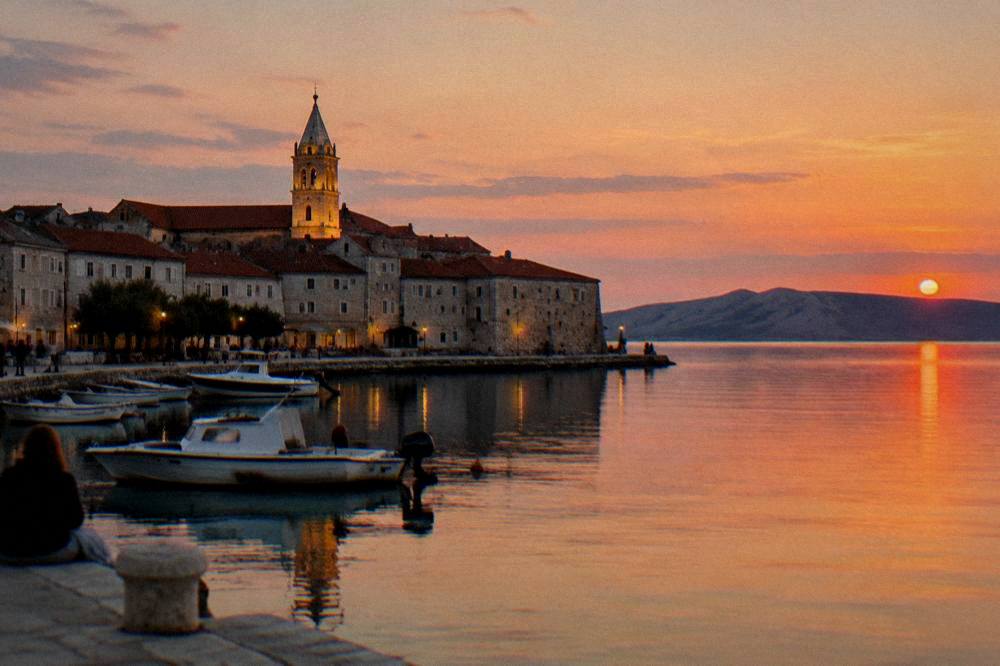
Pag is the day trip from Zadar that asks the least and returns something the coast's other islands cannot: a landscape carved by wind, a food culture legally protected to one island, and a drive short enough to leave the whole afternoon for it. Pair it with a boat day among the islands, and the Zadar Croatia Travel Guide covers the rest of the planning.