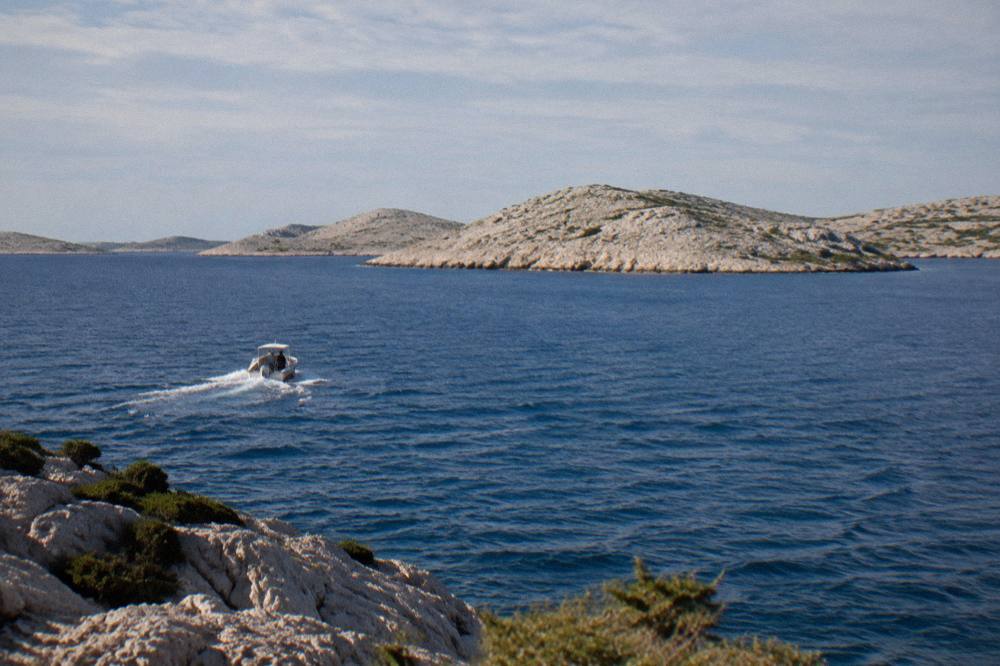
Kornati Islands From Zadar
The Kornati archipelago sits just off the Zadar coast, and almost every visit runs through the same door: a boat from Zadar or nearby harbours, a per-vessel national park fee bought before you enter, and a day on water and white stone.
Short answer
The Kornati Islands are reached from Zadar by organised boat tour or private vessel; Kornati National Park charges per boat by length and season (25 to 95 euro for one day), Telašćica Nature Park sits at the south end of the chain, and full-day tours from Zadar pair the two.
The Kornati Islands are the densest archipelago on the Croatian side of the Adriatic, a maze of about 89 islands, islets and reefs scattered across the sea southwest of Zadar, and the overwhelming majority of trips out there leave from Zadar itself or from harbours a short drive down the coast. There are no hotels on the islands and almost no permanent population; the day runs on boats, and the park's own rules, prices and entry points shape everything about it. This guide lays out what the park and nature-park authorities publish, what the boat operators' listings show, and how the pieces fit together for a day trip from Zadar.
The basics first. Croatia is in the Schengen Area and has used the euro since 1 January 2023, so the prices below are all in euro. The emergency number anywhere in the country is 112. Zadar is a coastal city in Dalmatia, its Old Town sits on a narrow peninsula, and the islands of Ugljan, Dugi Otok and Pašman sit offshore; the Kornati chain lies beyond them, further out to sea. For a broader picture of the offshore options, see the Zadar islands overview and the companion answer page on which islands sit closest to Zadar.
What Are The Kornati Islands And Where Do Trips Leave From?
The Kornati Islands are an archipelago of about 89 islands, islets and reefs in the Adriatic off the Dalmatian coast between Zadar and Šibenik, protected as a national park covering the bulk of the Kornati group, with trips from Zadar running mainly by boat, either as organised full-day tours or private and chartered vessels. The park has no bridge, no car access and no scheduled ferry service for visitors. Zadar is the main northern gateway, with Murter island to the south the other common departure point.
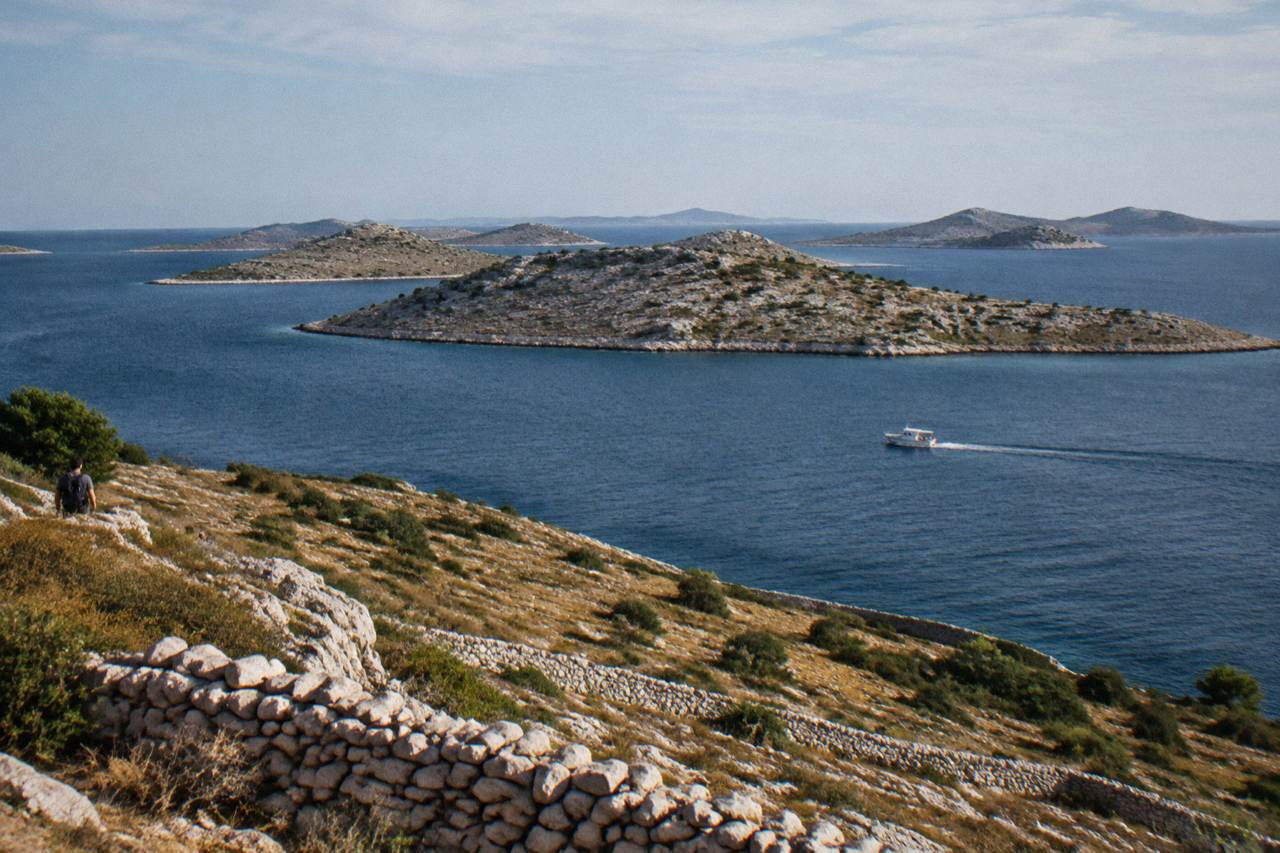
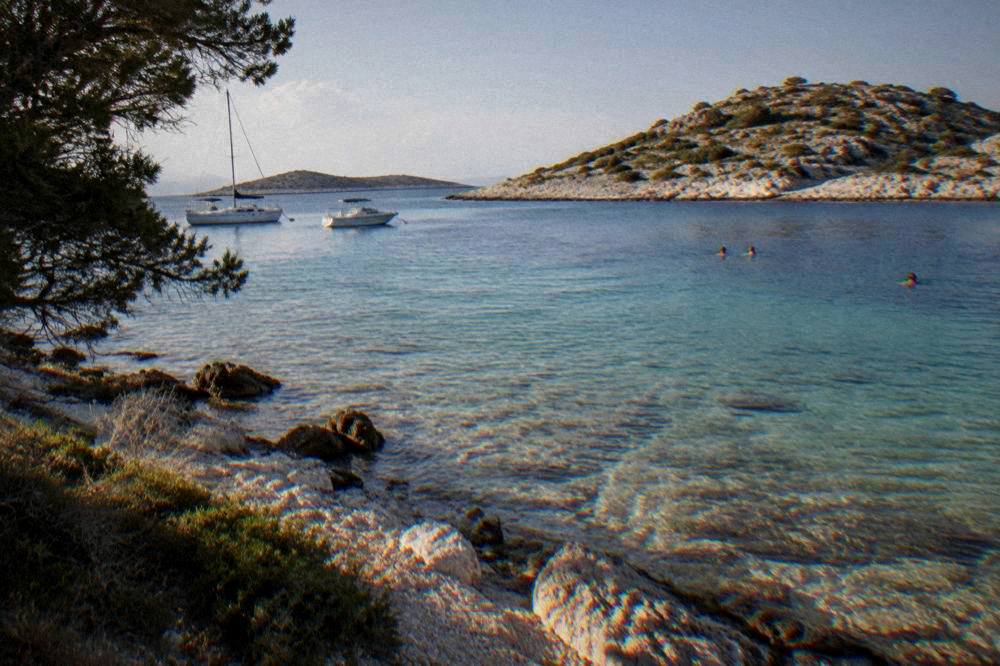
The chain is often described as a drowned mountain range: pale limestone, sparse low scrub, almost no fresh water, and coves that open suddenly between bare slopes. The land part of the national park covers the bulk of the Kornati group, while Telašćica Nature Park, a separate protected area with its own price list, wraps around the deep bay of the same name at the southern end of the chain on Dugi Otok. The two parks are usually visited on the same day by boat, because they sit next to each other and the tour routes thread through both. Dugi Otok on its own is a separate day-trip option from Zadar if boats rather than beaches are not the goal.
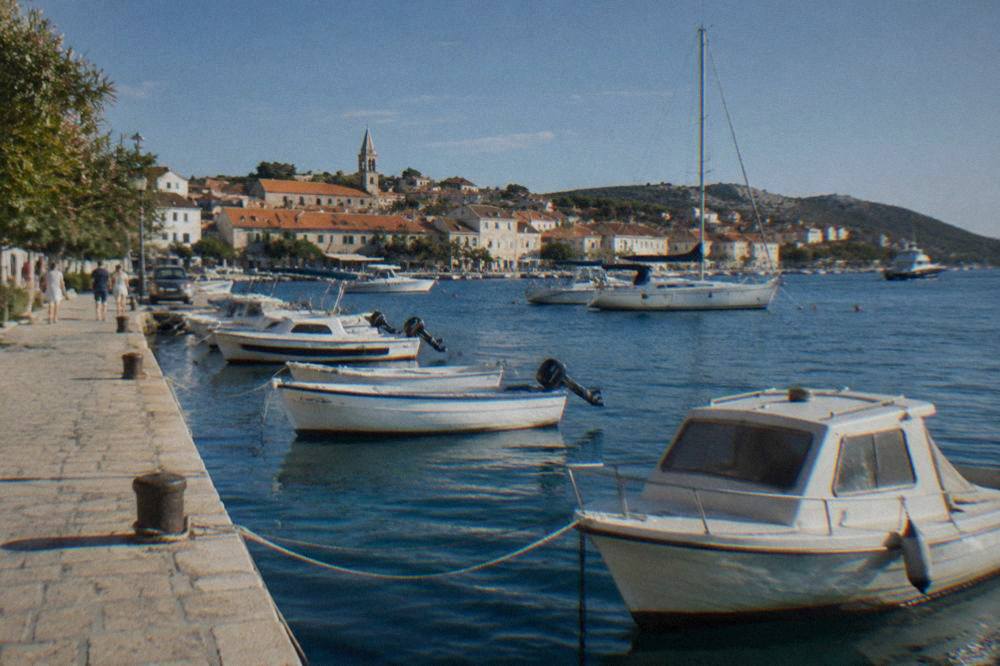
Departures from Zadar leave from the peninsula's waterfront and from Gaženica, the ferry port a few kilometres south of the Old Town. The listing descriptions for the Kornati tours on this site name Zadar as the meeting point; exact pier details are confirmed at booking, and the operator's live listing is the place to check them. Private boaters typically provision and clear their park paperwork in Zadar, Biograd or Murter before setting out, because the Kornati entry fee is bought outside the park, not at an island kiosk.
How Much Does It Cost To Enter Kornati National Park?
Kornati National Park charges per vessel, not per person, and the 2026 price list sets one-day entry at 25 euro for boats up to 6.99 metres in the January-to-May and October-to-December period, rising to 45 euro from June to September, with 7-to-10.99-metre boats at 30 or 65 euro and 11-to-17.99-metre boats at 50 or 95 euro depending on season. The fee is purchased outside the park boundaries before entry.
Passengers on organised tours are covered by the operator's arrangements.
That per-boat structure is the single biggest difference between Kornati and the big mainland parks. Krka and Plitvice sell per-person tickets on clear seasonal ladders; Kornati prices the vessel by its length, so a small charter boat and a 15-metre yacht pay very different amounts for the same water. The park's own 2026 price list, published by the park authority, is the source for the figures above, and it also sets three-day and five-day options for vessels staying longer.
| Vessel length | One day, Jan-May and Oct-Dec | One day, Jun-Sep |
|---|---|---|
| Up to 6.99 m | 25 euro | 45 euro |
| 7 to 10.99 m | 30 euro | 65 euro |
| 11 to 17.99 m | 50 euro | 95 euro |
For travellers booked on a tour, the practical question is whether the listing includes the park entry or not. Some Kornati tours from Zadar include it in the ticket price; the listing states this either way, and it is the first line worth reading before booking. Telašćica, which most itineraries also enter, charges separately: its own price list shows 6 euro at the Dolac land entrance from January to May and October to December, and 8 euro from June to September. The Telašćica Nature Park guide covers that park in detail.
What Do Kornati Boat Tours From Zadar Include?
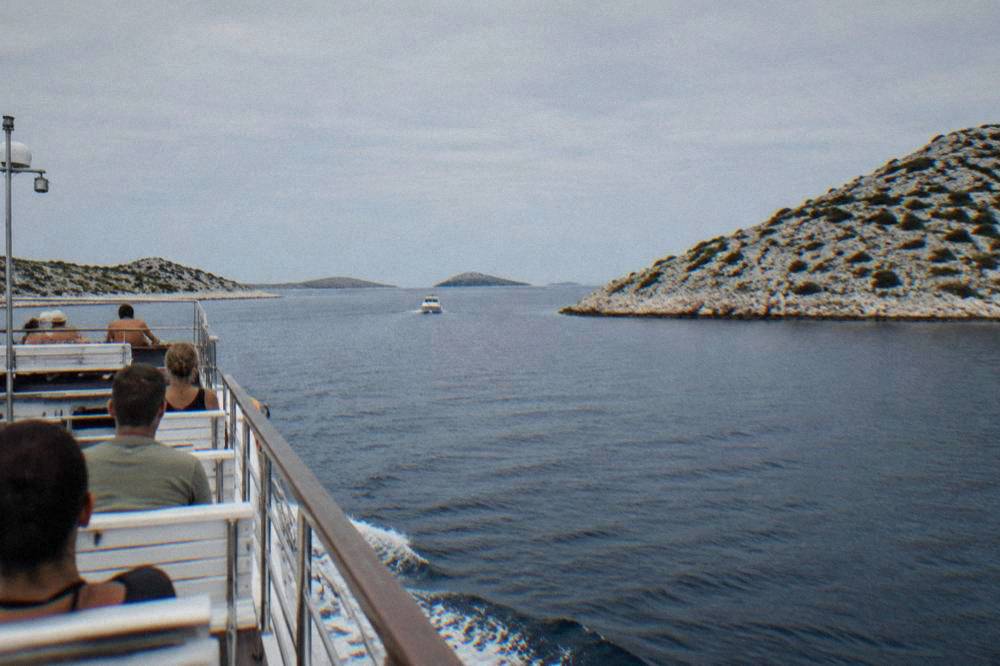
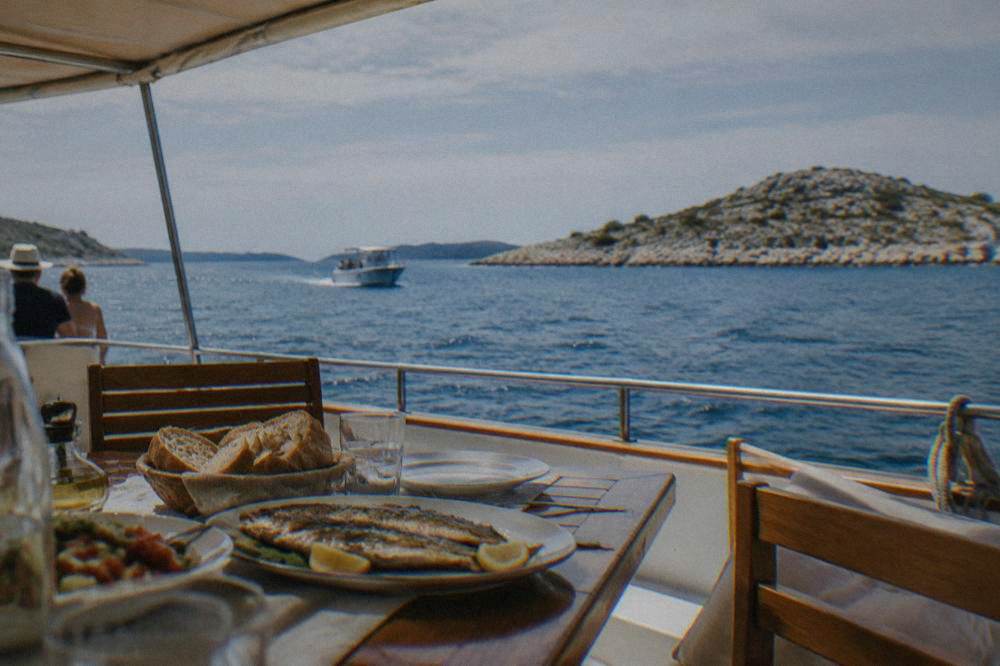
Organised Kornati tours from Zadar are full-day boat trips that combine the archipelago crossing with swim stops, a visit to Telašćica Nature Park including its cliffs and salt lake, and on many departures a grilled lunch on board; what varies between listings is whether park entries, lunch and drinks are bundled into the ticket or paid separately, which the operator's live listing states item by item. The tours on this site run as guided group departures from Zadar.
The shape of the day is fairly consistent across the listings. The boat leaves Zadar in the morning, crosses to the southern end of the Kornati chain, enters Telašćica bay, and gives passengers time at the Mir salt lake and the cliffs on the seaward side. The return leg usually threads through the islands with one or two swimming stops in coves, arriving back in Zadar by early evening. Some operators stop at a restaurant on one of the islands instead of serving lunch on board; the listing says which.
The featured day trip on this page, an all-day Telašćica and Kornati Islands tour from Zadar, covers both parks in a single departure: Check availability. Its listing shows lunch included alongside the two-park route. If a waterfalls day tempts instead, the Krka option in the trio above pairs the national park with time in Skradin, and the Krka National Park guide covers that alternative, including the seasonal entry prices and the swimming rules.
Not every visitor wants a big-group boat day. The roster also carries a Kornati and Telašćica full-day trip with lunch in a different style, and a second Kornati National Park and Telašćica departure; both are shown below, and the listing for each states what is and is not in the ticket.
Can You Visit The Kornati Islands Without A Tour?
Yes, the Kornati Islands can be visited independently, but only by boat: the options are chartering a vessel with or without a skipper, taking your own boat and paying the per-vessel park fee at an authorised seller outside the park, arranging a transfer to Telašćica via Sali on Dugi Otok, or booking a water taxi from Zadar area harbours, and there is no public ferry serving the archipelago for day visitors. Every route involves sea time and some planning.
For sailors and skippered charters, the per-vessel fee table above applies, and multi-day vessel tickets exist for longer stays. The park's ticket information page states where entry is purchased; the key point is that it is not bought on the islands themselves. Anchorages inside the park are managed, and the park publishes rules on mooring and permitted zones that skippers are expected to know before arrival.
For non-sailors, the realistic independent route is Zadar to Sali or another Dugi Otok harbour by scheduled ferry lines or a transfer, then the short hop into Telašćica bay from the Dugi Otok side, where the land entrance at Dolac applies. That route visits the nature park rather than the deep Kornati interior, and it trades the full archipelago circuit for independence. It also depends on seasonal timetables, which are confirmed with the operator at the time of travel; this site prints no ferry fare for that crossing.
| Way to visit | Park fee that applies | Booked through |
|---|---|---|
| Organised full-day tour from Zadar | Included or payable per listing | Operator's live listing |
| Chartered boat with skipper | Per-vessel Kornati fee, usually handled by charter | Charter company |
| Own boat or bareboat charter | Per-vessel fee bought outside the park | Authorised park sellers |
| Via Sali and Telašćica land entrance | 6 or 8 euro Telašćica per person | Nature park entrance |
When Is The Best Season For A Kornati Day Trip From Zadar?
The core Kornati tour season runs from late spring to early autumn, matching the June-to-September peak park pricing window, with July the warmest and driest month at Zadar station (1961-2024) at a 24.5 C mean and 35.4 mm of rain, and May, June and September offering warm sea, fuller tour schedules and fewer boats than the August peak; tours thin out sharply by October, when the per-vessel park fee already drops to the off-season rate.
The climate record for Zadar station, 1961-2024, published by the Croatian national meteorological service, gives the frame. July and August are the settled, dry months, with 35.4 mm and 52.8 mm of rain respectively, but they are also the busiest on the water. September still averages a 20.2 C mean and keeps the tour boats running while the crowds ease. Zadar records about 2,600 hours of sunshine a year, and the summer months carry a large share of it. Everything else covered here is indexed on Zadar Croatia Travel Guide.
| Month | Mean temperature (C) | Rainfall (mm) | Notes for a Kornati day |
|---|---|---|---|
| May | 17.9 | 64.4 | Tours running, sea warming up |
| June | 21.9 | 48.5 | Peak park pricing starts |
| July | 24.5 | 35.4 | Driest month, busiest water |
| August | 24.1 | 52.8 | Peak season, book ahead |
| September | 20.2 | 110.9 | Fuller days possible, fewer boats |
| October | 16.3 | 106.8 | Off-season park rates, thin schedule |
Weather is the one variable no booking can fix. The bora, a dry northeasterly wind, and the jugo, a warm southeasterly, both blow in this part of the Adriatic, and rough days can cancel or reroute boat trips. Operators state their cancellation and rebooking terms on the booking page; departures go ahead in most conditions, but the open-water legs of a Kornati day are the first thing affected when the sea rises. The advice is simple: keep one flex day in a Zadar stay if the Kornati day is the priority, and check the booking terms for weather cancellation.
What Do You Actually See On A Kornati Day?
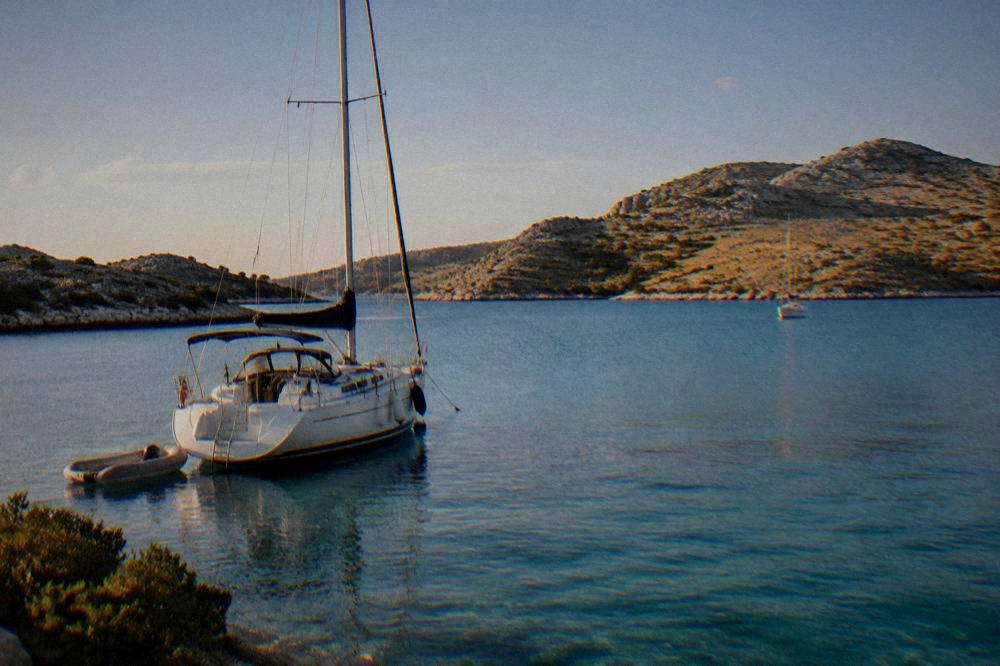
A Kornati day delivers bare limestone islands and the water between them: the white cliffs of Telašćica rising above the bay, the Mir salt lake inside Dugi Otok's southern tip, fortress ruins and dry-stone shepherd shelters on the islands themselves, the seabed through clear water at swim stops, and on the way out and back the passages between the islets that give the archipelago its character, all of it seen from a boat deck rather than on foot.
Telašćica's cliffs face the open sea on the outside of the bay. The Mir salt lake sits a short walk from the shore inside the nature park, warm and salty in summer. In the Kornati interior, the islands carry traces of past use: dry-stone walls, small churches and the remains of fortifications, with the park's literature listing these cultural sites among its features. Ravni Žakan, Levrnaka and Mana are names that recur in tour itineraries and sailing guides for their coves and anchorages. This site has no verified visitor figures or trail data for the islands, so nothing is claimed beyond what the parks and listings publish.
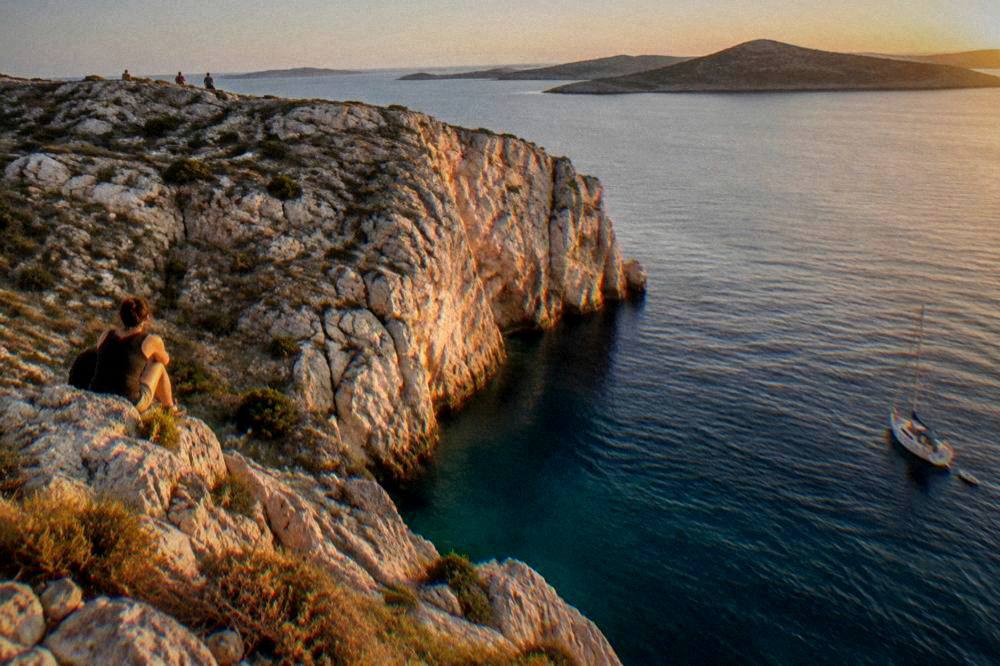
What the day is not: a beach-hopping trip in the sandy sense. The Kornati shoreline is stone, and swim stops happen off the boat or at stone ledges. Visitors wanting beach time as the main event are better served by the Dugi Otok boat days that call at Sakarun, or by staying in Zadar near Kolovare beach style city swimming; the islands are about water, stone and distance from the mainland crowd.
How Should You Plan The Day And What Should You Bring?
Plan the Kornati day as a full-day commitment with an early start, book a tour with the park fee question settled in advance, bring sun protection, water shoes for stone ledges, a towel and a layer for the return leg, and keep a flex day in the itinerary for weather; confirm the meeting point, lunch arrangements and cancellation terms on the operator's live listing before booking, and carry the emergency number 112 in case anything goes wrong at sea.
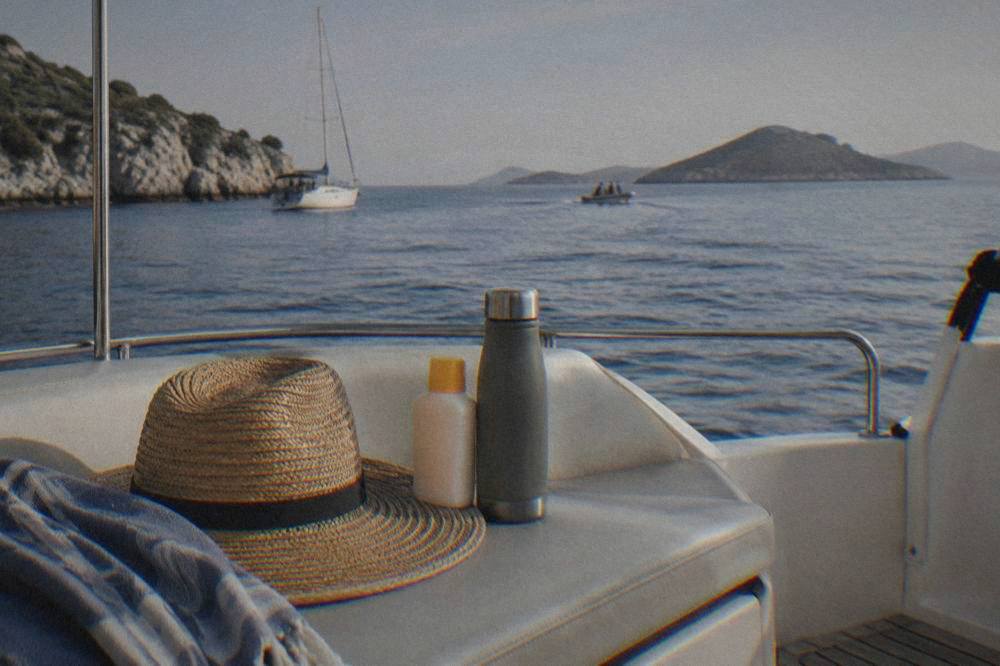
The sun on open water is the detail that catches people out. There is no shade on a boat deck and even less on the islands, and the reflected glare off the water doubles the exposure. Sunscreen, a hat and drinking water are not optional. Sea shoes help at stone swim stops, and a light jacket earns its place on the return leg even in August once the boat is moving.
| Item | Why it matters on a Kornati day |
|---|---|
| Sunscreen and hat | No shade on deck or on the islands |
| Water shoes | Stone ledges and rock swim stops |
| Towel and dry bag | Swim stops are part of the itinerary |
| Light layer | Wind on the return crossing |
| Cash or card | Small island restaurant stops, where a stop occurs |
| Booked tour with park terms read | Per-vessel fee and lunch, included or not, stated on the booking page |
Timing matters around the edges of the day as well. Departures from Zadar are early morning ones, and the walk from an Old Town base to the departure point is short; from Borik or further out, the Borik area guide notes the transfer time worth allowing. Anyone combining the Kornati day with a wider Dalmatian itinerary can pair it with Pag island or Nin on a separate day, both reachable by road from Zadar.
Is A Kornati Trip Worth It Compared With The Other Park Days From Zadar?
A Kornati day is the only major park trip from Zadar that is spent entirely on and between islands rather than walking a mainland site, and it suits travellers who want sea, cliffs and swimming over waterfalls or mountains, whereas Krka and Plitvice are walking parks with per-person seasonal tickets, Paklenica is a hiking and climbing canyon, and the choice between them comes down to water-and-boat versus trails-and-falls rather than any ranking of quality.
The comparison is about form, not ranking, and this site names no best of anything. Krka's appeal is its waterfalls and river gorge, reached from Zadar in a day, with swimming limited to designated spots and banned at Skradinski Buk since 2021 under park rules. Plitvice is the lakes-and-boardwalks park, further inland. Paklenica is the mountain canyon option with its own seasonal price ladder of 5, 8 and 10 euro for a one-day adult ticket. Kornati is none of these: it is stone, sea and boat, and its per-vessel fee structure reflects that.
| Day trip from Zadar | Type of park | Ticket model | Seasonal adult or vessel price |
|---|---|---|---|
| Kornati Islands | Island national park | Per vessel, by length | 25 to 95 euro one day |
| Telašćica | Nature park, land or boat | Per person | 6 or 8 euro |
| Krka | River and waterfalls national park | Per person | 7, 20 or 40 euro |
| Plitvice | Lakes national park | Per person | 10, 23 or 40 euro |
| Paklenica | Mountain national park | Per person | 5, 8 or 10 euro |
For a first visit to Zadar lasting a few days, one park day plus city time is a common shape, and the things to do in Zadar overview lays out the city half of that plan. For a longer stay, two park days work well when they are different in character: Kornati plus one walking park, for instance, or Kornati plus the Šibenik and Krka combination.
Common Questions About Kornati Islands From Zadar
How do I get to the Kornati Islands from Zadar?
By boat: organised full-day tours leave from Zadar's waterfront and Gaženica, or you charter a vessel, sail your own boat, or reach Telašćica via Dugi Otok. There is no public ferry serving the archipelago for day visitors. Meeting points are confirmed on the operator's live listing.
How much is entry to Kornati National Park?
The 2026 park price list charges per vessel by length and season: 25 euro for boats up to 6.99 metres off-season and 45 euro in June to September, 30 or 65 euro for 7 to 10.99 metres, and 50 or 95 euro for 11 to 17.99 metres, bought outside the park before entry. Tour passengers are covered by the operator's arrangements.
Can you visit Kornati and Telašćica on the same day?
Yes, and most boat tours from Zadar do exactly that, since Telašćica Nature Park sits at the southern end of the chain. Telašćica charges its own entry, 6 euro off-season and 8 euro from June to September at the Dolac land entrance.
Are the Kornati Islands worth it without a boat?
Not in the strict sense, because there is no land access to the Kornati group itself. The realistic independent option is the Telašćica side via Dugi Otok. For the archipelago interior, a tour or charter is the only route.
When do Kornati tours from Zadar run?
The main season runs from late spring to early autumn, with the fullest schedules in July and August and a thinner offering by October. Park fees drop to off-season rates outside June to September. Weather cancellations happen; check the listing's terms.
A Kornati day is the one trip from Zadar that puts the whole horizon to work: white stone, open water and a park that charges the boat rather than the walker. Read the listing terms, pack for sun, hold a flex day for the wind, and the archipelago does the rest.