What Islands Are Close To Zadar?
The islands closest to Zadar in Dalmatia, Croatia: Ugljan, Dugi Otok, the Kornati archipelago, Pag and Pašman, with verified ferry times, distances and entry fees.
Zadar is a coastal city in Dalmatia, Croatia, and its Old Town stands on a narrow peninsula with open water on three sides, which is why the island question comes up so often. The islands are not a distant archipelago reached after a full day at sea: Ugljan sits directly across the channel, the Kornati archipelago spreads out to the northwest, and Dugi Otok closes the line further along the same coast. Jadrolinija's route page shows a regular car ferry connection from the Gaženica port to Dugi Otok, and a second, shorter crossing to Ugljan, so several of these islands work as an afternoon trip rather than a planned expedition. This page sets out which islands lie closest, what the published crossing times are, and what the parks on them charge.
What Islands Are Close To Zadar?
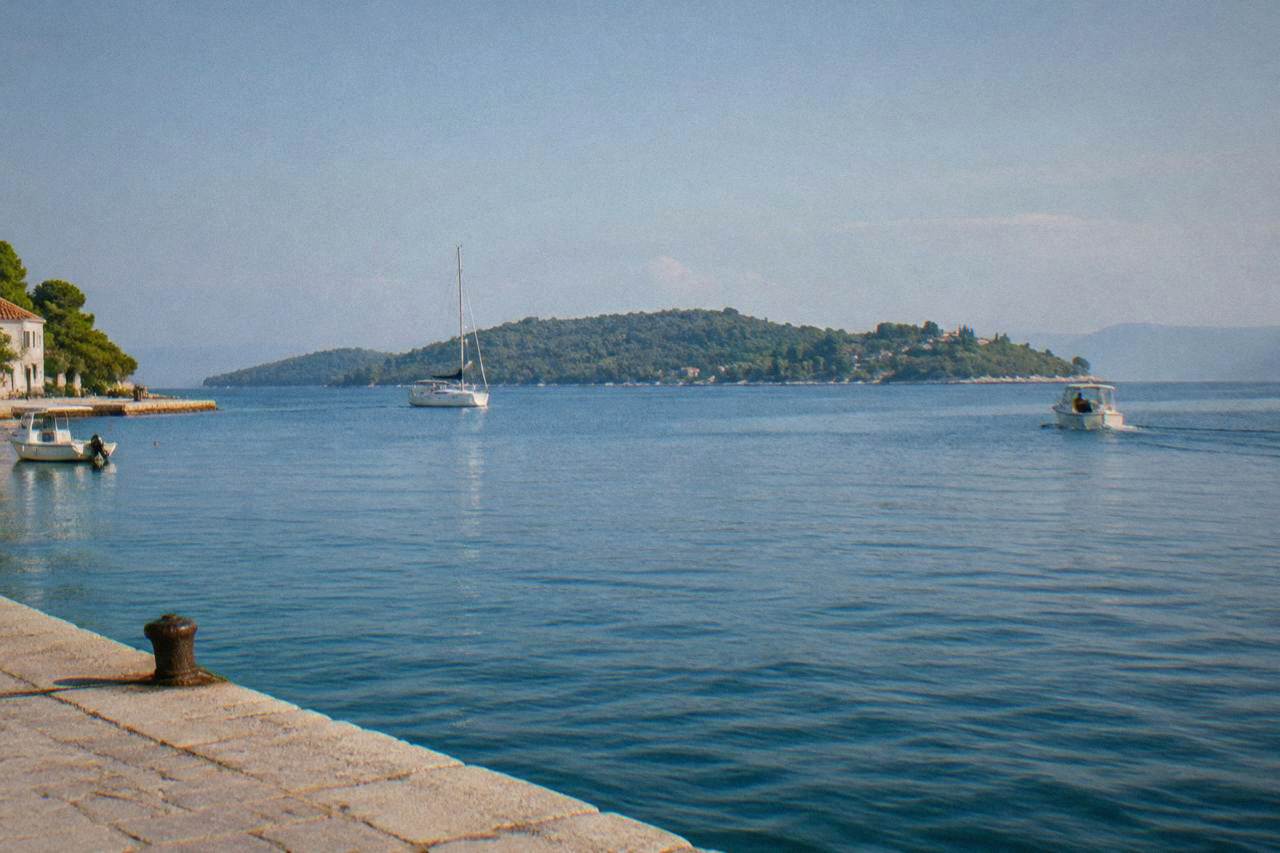
The islands closest to Zadar are Ugljan and Pašman directly across the channel, Dugi Otok to the northwest, the Kornati archipelago beyond it, and Pag to the north. Jadrolinija's route page shows a regular crossing from Gaženica to Preko on Ugljan of about 25 to 30 minutes and a car ferry to Brbinj on Dugi Otok taking 1 hour 40 minutes on line 434, while Pag Town is 54 km from the Old Town by road. Kornati is reached by boat trip rather than ferry.
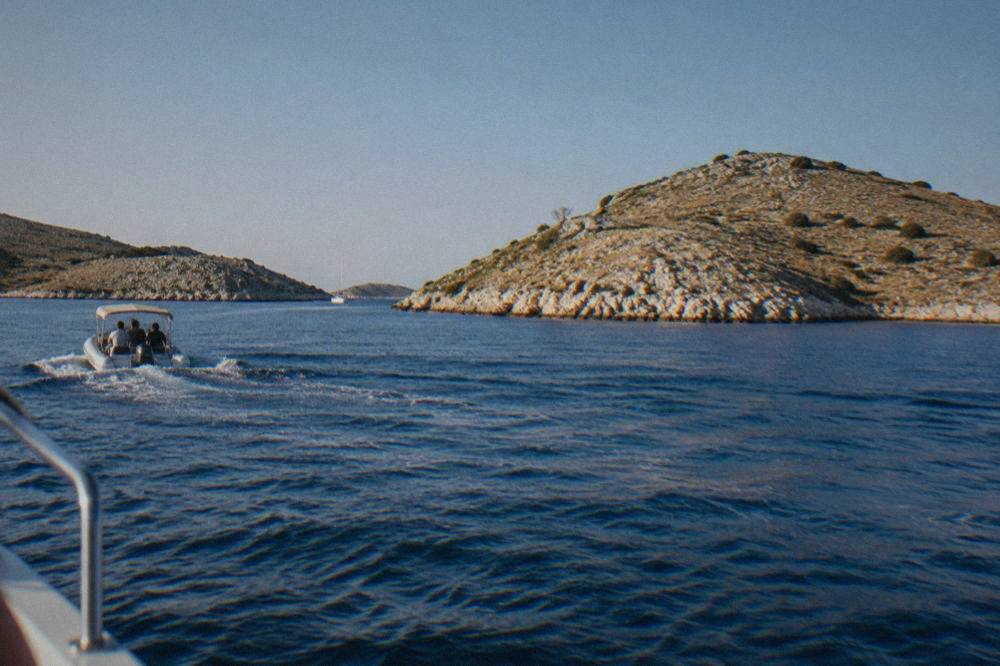
That short list covers five different island experiences, and the distance between them matters less than the type of crossing. Ugljan is the commuter island: the crossing to Preko is short enough that residents use it daily, and the town of Preko faces Zadar across the water. Dugi Otok is longer, wilder and holds Sakarun, one of the best-known sandy lagoons in the region. Kornati is a national park of 89 islands, islets and reefs, where entry is charged per vessel rather than per person, and Telašćica Nature Park on Dugi Otok's southern tip has its own separate fee. Pag is the odd one out, since it connects to the mainland by bridge at its northern end and reads more as an extension of the coast than an offshore world.
The Zadar Croatia Travel Guide holds a fuller guide to the islands near Zadar with per-island detail. The table below keeps to the bare geography and the published crossings.
| Island | Direction from Zadar | Published connection | Source figure |
|---|---|---|---|
| Ugljan | Directly opposite, east | Ferry to Preko | Crossing about 25-30 minutes |
| Pašman | Southeast of Ugljan | Reached via Ugljan, bridge links the two | No separate Zadar route published |
| Dugi Otok | Northwest | Car ferry, Gaženica to Brbinj, line 434 | 1 h 40 min crossing |
| Kornati archipelago | Further northwest | Organised boat trips from Zadar | Park fee per vessel, by length and season |
| Pag | North | Road via bridge, Pag Town 54 km from the Old Town | About 62 minutes driving |
One practical note: the Gaženica ferry port sits about 5.2 km from the Old Town, roughly 10 minutes driving, which is a separate journey from the waterfront where the boat trips depart. The ferry routes from Zadar are covered in their own answer.
Which Island Is The Easiest Half-Day Trip From Zadar?
Ugljan is the easiest island half-day from Zadar, because the ferry to Preko crosses in about 25 to 30 minutes and runs as a short-hop route rather than a long sailing. Preko's waterfront sits directly opposite the Zadar peninsula, so the crossing itself gives the view, and no park entry fee applies on Ugljan. For a half-day without a ferry at all, the boat tours that leave from Zadar's harbor reach the nearer islets in under an hour.
Preko is a small town built around a bay and a Franciscan monastery on the islet of Galevac just offshore, and it works as a swim-and-lunch destination rather than a sightseeing one. There is no island entry fee: Ugljan is ordinary inhabited land, not a park.
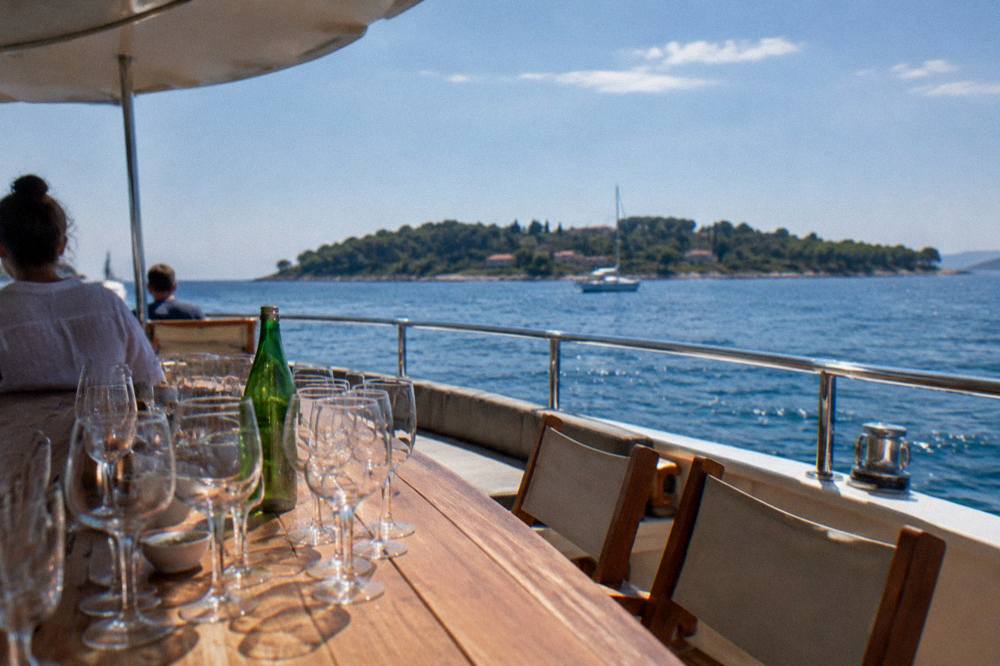
The boat-based alternative suits visitors who want the water more than the island. Several operators run swimming and snorkeling trips from Zadar to the closer islets and bays, and the luxury island trips with wine and snorkeling stops fall into this group. The selection below shows three of the island and day-trip options available from the city.
If the choice is between a self-guided Ugljan afternoon and an organised boat trip, the deciding factor is usually the ferry schedule: the crossings are frequent but timed, and a missed sailing can stretch a half-day. The boat tours run on fixed departure times from the peninsula itself, which removes the Gaženica leg entirely.
Why Is Dugi Otok The Island Day Trip From Zadar?
Dugi Otok is the island day trip from Zadar because it combines a reachable ferry connection, the sandy lagoon of Sakarun, the cliffs and lake of Telašćica Nature Park at its southern end, and wreck and cave swimming stops along its coast. The car ferry from Gaženica to Brbinj takes 1 hour 40 minutes on Jadrolinija line 434, and Telašćica charges 6 EUR per person at the land entrance outside the summer months, 8 EUR from June to September.
Sakarun is the draw that brings the boats: a shallow sandy lagoon on the island's northwest side, which the organised trips reach by sea rather than by the island road. Telašćica, on the opposite end, is a deep bay inside a nature park, with cliffs above the sea and the salt lake Mir at its head, and the park's own price list states the land-entrance fees above. Kornati National Park lies immediately across the water from Telašćica's outer edge, which is why the two often appear on the same full-day itineraries.
The boat-trip version of Dugi Otok usually concentrates on the northern half: the sunken ship, a coastal tunnel and swimming stops, with Sakarun as the anchor stop. The 4 Jewels of Zadar: Dugi Otok, Sunken Ship and Tunnel Half Day trip is the featured option of that kind, and its listing shows the route and inclusions. Check availability
The ferry version suits travellers with a car or a full free day: Brbinj is mid-island, and the island's villages and beaches spread north and south of the landing. Either way, Dugi Otok is the island that justifies a whole day rather than an afternoon.
What Do The Kornati Islands Cost To Visit From Zadar?
Kornati National Park charges entry per vessel, not per person, and the fee depends on boat length and season: the park's 2026 price list shows 25 EUR for a one-day ticket for boats up to 6.99 m outside the summer season and 45 EUR from June to September, rising with length to 50 EUR and 95 EUR for boats of 11 to 17.99 m.
Visitors on an organised boat trip normally have the park fee handled by the operator, and the ticket is bought outside the park itself.
That per-vessel structure is unique among the regional parks: Krka, Plitvice and Paklenica all charge per person, while Kornati treats the boat as the paying unit. The Kornati archipelago is 89 islands, islets and reefs of bare stone and thin scrub, with almost no permanent population and no ferry service, so access is by private boat, chartered boat or organised trip. The full picture, including Telašćica which adjoins it, sits in the Kornati Islands guide.
| Island or park | Entry fee basis | 2026 adult rate (official) |
|---|---|---|
| Kornati National Park | Per vessel, by length and season | 25-95 EUR for 1 day by boat size |
| Telašćica Nature Park (Dugi Otok) | Per person, land entrance at Dolac | 6 EUR Jan-May and Oct-Dec, 8 EUR Jun-Sep |
| Ugljan, Pašman, Pag | None | No park entry fee |
For readers weighing Kornati against the waterfalls, the Plitvice or Krka comparison covers the per-person parks, and the section on seasonal price drops below explains why autumn and winter change the arithmetic.
What About Pag And The Farther Islands?
Pag is the island reached without a ferry at all: a bridge connects its northern end to the mainland, and Pag Town is 54 km from the Zadar Old Town, about 62 minutes driving. Pašman lies southeast of Ugljan and connects to it by bridge, so the two function as one island group for travel purposes, and both carry no entry fee. Beyond them, the islands visible from Zadar's waterfront fade towards the Kornati line rather than towards any further ferry destination.
Pag earns its place on the list for a different reason than the others: it is the cheese, lamb and lace island, with a moonscape of bare rock along its Pag Bay side, and its southern tip at Povljana faces the Zadar channel. Nin, technically on the mainland coast to the north, sits inside the same stretch of water and is close enough by road, 19.8 km from the Old Town, that some itineraries pair Pag and Nin in one loop.
Pašman should not be dismissed as Ugljan's extension. Its monasteries sit on the ridge above the sea, and the island's walking route along its spine is one of the quieter ways to spend a day within sight of the city. The practical route is the ferry to Preko on Ugljan and the bridge across, since no separate Zadar to Pašman sailing is published.
When Is The Best Season For The Zadar Islands?
The best season for the Zadar islands is June to September for swimming and boat trips, when the sea is at its warmest and every route runs, though the DHMZ Zadar station table for 1961-2024 shows July means of 24.5 C and August 24.1 C with only 35.4 mm and 52.8 mm of rain respectively. May, June and September trade slightly cooler sea for thinner crowds and the same scheduled crossings.
The station record rewards a careful read. July is the driest month at 35.4 mm, but November is the wettest at 123 mm and September carries 110.9 mm, so late-summer storms are a real feature of the sailing calendar rather than an occasional surprise. The best time to visit Zadar answer carries the full month table. Two dated facts sharpen the autumn picture for island-bound travellers: from 1 October 2026 Plitvice dropped to 23 EUR for the month and then 10 EUR from November, and Krka moved to 20 EUR in October and 7 EUR in the later winter months, per the parks' seasonal price lists. The island parks follow a similar slide, with Telašćica at its 6 EUR off-season rate from October.
Winter island travel is possible but narrower in scope: the Gaženica to Brbinj ferry and the Preko crossing are year-round services, while the organised boat trips largely pause. Zadar Advent runs from 24 November 2026 to 2 January 2027 with an ice rink on the Forum, which keeps the city itself busy while the islands go quiet.
For a single trip that captures the island coast rather than the inland parks, the trio below covers the main angles: the Dugi Otok wreck route, the boat-and-train Plitvice day, and the shorter snorkeling and wine sailings from the harbor.
Common Questions About The Islands Near Zadar
What islands are close to Zadar?
Ugljan and Pašman directly across the channel, Dugi Otok to the northwest, the Kornati archipelago beyond it, and Pag to the north, reached by road bridge. The Preko crossing on Ugljan takes about 25 to 30 minutes and the Brbinj ferry on Dugi Otok 1 hour 40 minutes.
Can you visit an island from Zadar without a car?
Yes. The ferry terminals at Gaženica are reachable by city bus, the boat trips depart from the peninsula itself, and Preko on Ugljan is walkable from its ferry landing. Confirm the current timetable before travel, since evening departures on some city bus routes were rerouted from 12 October 2026.
Which island has the best beach near Zadar?
Sakarun on Dugi Otok is the best-known sandy lagoon in the group, reached by boat trip or via the island road. The best beaches in Zadar answer covers the mainland swimming options, and the island comparison answer weighs the islands against each other.
Do you pay to enter the Kornati islands?
Yes, Kornati National Park charges per vessel by boat length and season, from 25 EUR per day for the smallest boats outside summer to 95 EUR in the highest bracket in season, per the park's 2026 price list. Visitors on organised trips normally have the fee included by the operator, and the ticket is bought outside the park.
Is Pag worth visiting from Zadar?
Pag Town is 54 km and about an hour's drive from the Old Town over the bridge, no ferry needed. The island is known for its cheese, lamb and lace, and its bare-rock coastline along Pag Bay, so it suits a road-loop day, often paired with Nin at 19.8 km from the city.
How many days do you need for Zadar and its islands?
Two or three days covers the city plus one island day, whether that is Ugljan by ferry, a Dugi Otok boat trip or the Kornati run. The days-in-Zadar answer breaks the options down by trip length.