Can You Swim In The Sea In Zadar?
Yes, you can swim in the sea in Zadar: city beaches, island coves, season advice and the 2026 rules, reported from primary sources by the editorial desk.
Zadar is a coastal city in Dalmatia, Croatia, built on a narrow peninsula that pushes out into the Adriatic Sea, and the water starts within a short walk of the Old Town walls. Swimming here is not a day trip you have to organise; it is a city activity with beaches along the shore southeast and northwest of the centre, and island coves a boat ride away. The short answer is yes, you can swim in the sea in Zadar, with the season, the spot and a few local rules shaping what that looks like in practice. This page from the Zadar Croatia Travel Guide editorial desk reports what the primary sources say: the weather-station record, the official live sea reading, and the beach and Old Town rules reported for 2026.
Can You Swim In The Sea In Zadar?
Yes, swimming in the sea at Zadar is normal, free and easily reached, on city beaches a walk from the Old Town and in island coves offshore. The main constraint is the season: the water warms through spring, peaks in late summer and cools sharply by late autumn. Zadar County rules reported for 2026 keep public beaches free of entry fees and fencing, so access to the shoreline itself costs nothing.
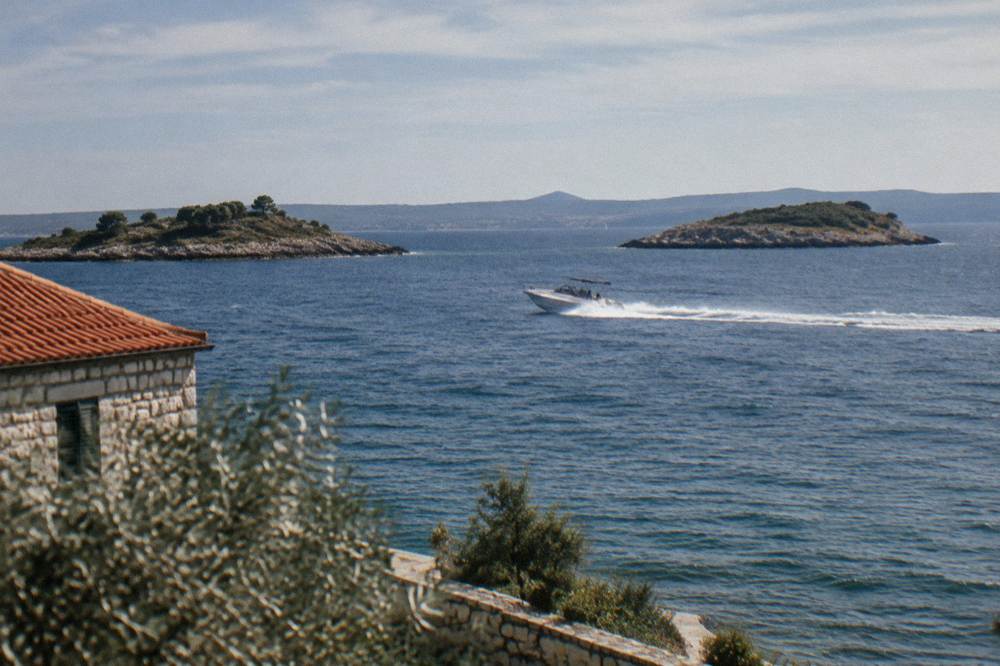
The city's geography does the work. The Old Town occupies a peninsula, so water is close in every direction, and the named city beaches, Kolovare, Borik, Puntamika and Diklo, stretch along the shore on either side of the centre. Beyond them, the islands of Ugljan and Dugi Otok sit offshore, reachable by ferry and by boat tour, and their coves hold the clearest and quietest swimming water in the area.
When Is The Sea Warm Enough For Swimming In Zadar?
The comfortable swimming season at Zadar runs roughly from June into early October, matching the air-temperature curve of the weather-station record. July is the warmest month at a 24.5 C mean and August follows at 24.1 C (Zadar station, 1961-2024, DHMZ), while the official live sea reading on 11 October 2026 still showed about 21 C. By November the air mean falls to 12.1 C and sea swimming becomes a short, hard dip.
Air temperature tells most of the story, because the Adriatic here follows it with a lag. The station record shows the mean climbing from 17.9 C in May to 21.9 C in June, then holding through July and August before dropping to 20.2 C in September and 16.3 C in October. Rain matters less than you might expect in high summer: July is the driest month at 35.4 mm and June takes 48.5 mm, while November is the wettest at 123 mm, by which point the season is over anyway.
| Month | Mean air temperature (C) | Rainfall (mm) | Rain days |
|---|---|---|---|
| May | 17.9 | 64.4 | 10 |
| Jun | 21.9 | 48.5 | 8 |
| Jul | 24.5 | 35.4 | 5 |
| Aug | 24.1 | 52.8 | 6 |
| Sep | 20.2 | 110.9 | 9 |
| Oct | 16.3 | 106.8 | 9 |
| Nov | 12.1 | 123.0 | 12 |
All figures are Zadar station, 1961-2024, published by DHMZ, the Croatian national meteorological service. As a planning rule, treat June to September as the reliable window, with late September still pleasant on the air side and cooler in the water. Timing the whole visit around warmth is covered in the best time to visit Zadar.
Which Beaches In Zadar Are Best For Swimming?
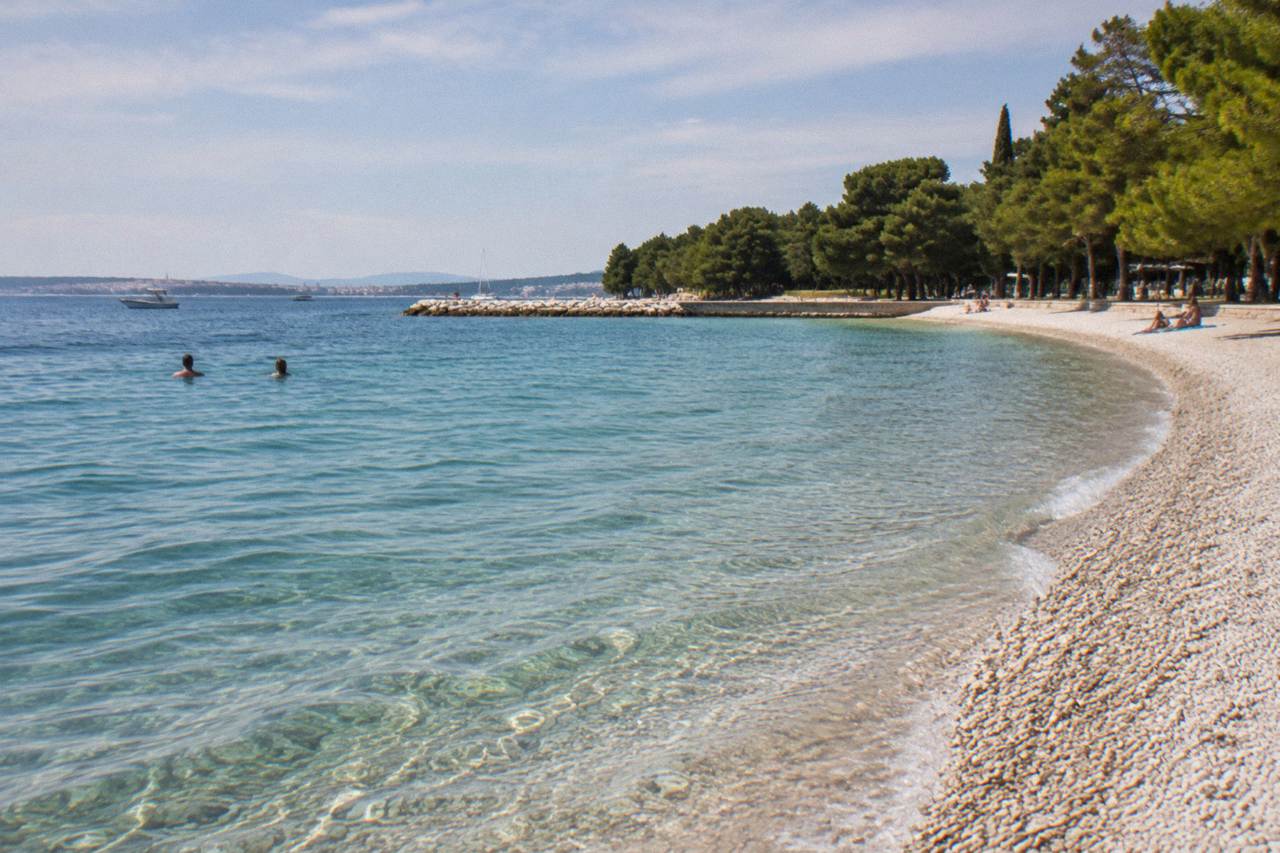
The four named city beaches are Kolovare, southeast of the Old Town, and Borik, Puntamika and Diklo along the northwestern shore toward the hotel zone, all reachable from the centre on foot or a short bus ride. Under Zadar County rules reported for 2026, none may charge an entry fee or fence off access, and commercial beds and services may cover only part of each beach.
Kolovare is the closest to the peninsula and the default choice for anyone staying in or near the Old Town. The northwestern strip runs Borik, then Puntamika, then Diklo as you move away from the centre, a chain that couples with the hotel and apartment areas there; choosing between these shores is part of deciding the best part of Zadar to stay in.
| Beach | Direction from Old Town | Character |
|---|---|---|
| Kolovare | Southeast, nearest the peninsula | City beach, short walk from the centre |
| Borik | Northwest | Resort-shore beach in the hotel zone |
| Puntamika | Northwest, beyond Borik | Quieter stretch toward the peninsula tip |
| Diklo | Northwest, furthest out | Farthest and calmest of the city beaches |
What the sources do establish is the access rule. The county assembly decisions adopted in April 2026, reported on the county's own news pages, require concession beaches to stay fully public and free at the point of entry, with sunbed and similar commercial activity limited to a maximum share of the beach area and the remainder left free for people with their own towels. That is a structural guarantee, not a comfort one, and it applies across Zadar County, not only in the city.
Can You Swim Right By The Zadar Old Town?
Not in the historic centre itself. The Old Town is a working peninsula of streets, quays and monuments, and 2026 dress-code signs at its access points ask visitors not to walk through it in swimwear, with reported fines up to 130 EUR after a warning. Swimming happens at the beaches on either side of the peninsula, or from boat trips and island shores, and you walk back dressed.
The rule is not a new invention. It rests on the city's existing communal order decision, but the signage was physically installed in summer 2026, as reported by local media in July 2026, so the enforcement path, a verbal warning followed by a fine, is now visible at the entrances to the historic core. The practical version for a swimmer: change at or near the beach, keep a cover-up on through the streets, and treat the Riva and the peninsula as promenade rather than pool deck.
There is a second reported rule worth knowing if your swim ends with a drink bought for the walk home. Under national law changes in 2026, municipalities in Croatia may restrict late-night retail alcohol sales, and Zadar's mayor confirmed the intention to apply such a restriction in the Old Town for the 2026 season, covering shops and kiosks rather than bars and restaurants. Attribute both rules as reported, and confirm current enforcement locally, since seasonal measures of this kind are adjusted year to year.
Between the two, the water and the waterfront, the Zadar Old Town visit still belongs near the sea: the Sea Organ on the western tip plays from the waves themselves, and how that installation works is explained in how the Zadar Sea Organ works. You listen to it dressed, and you swim elsewhere.
Where Can You Swim Beyond The City Beaches?
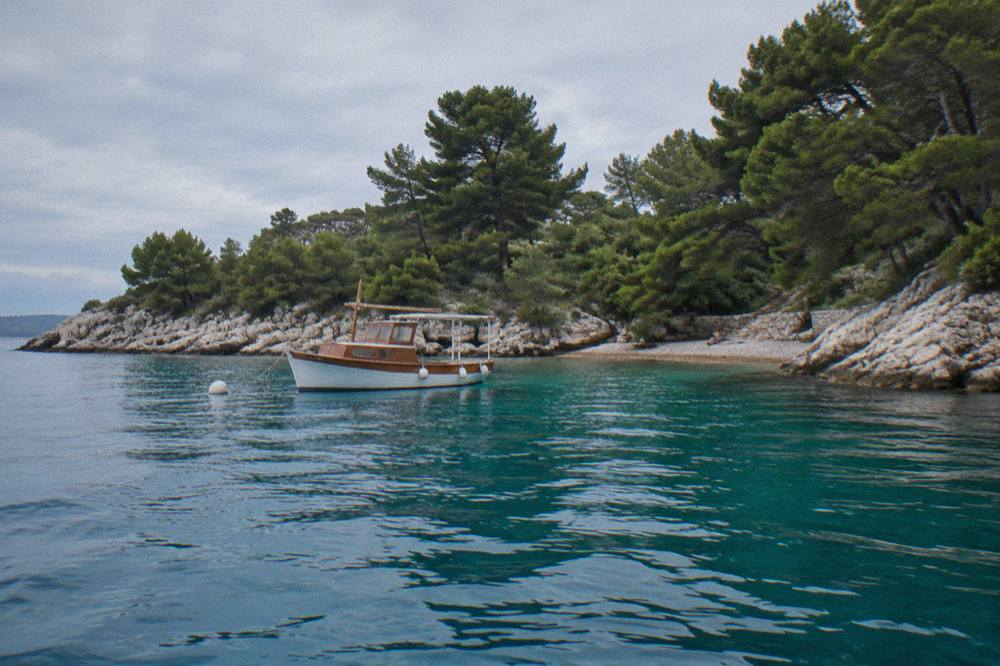
The strongest swimming water around Zadar is offshore: the islands of Ugljan and Dugi Otok, the Kornati archipelago and the Telašćica nature park, all reachable by ferry or by an organised boat trip from the city. Kornati entry is charged per vessel by length and season, bought outside the park, while Telašćica charges a per-person land-entrance fee that runs 6 EUR off-season and 8 EUR in the June to September window.
Island coves, not city shorelines, are where the Adriatic here turns genuinely translucent, and the question of which island to visit from Zadar is largely a swimming question. Confirm prices at booking.
A boat tour bundles the swimming without the ferry logistics. The Kornati and Telašćica full-day trip, which has its own page at Kornati and Telašćica full-day boat trip from Zadar, covers both the national park and the nature park with lunch on board and swim stops in coves, and you can Check availability if that shape of day fits your dates. Closer to home, shorter snorkelling trips run from the city harbour through the season.
One freshwater footnote for waterfall swimmers: the national parks inland operate their own rules. At Krka, swimming at Skradinski Buk has been banned since 2021 to protect the travertine, and bathing is allowed only at designated spots, Roški slap, Stinice and Pisak, from 1 June to 30 September, conditions permitting. The comparison between the two big parks, including their seasonal tickets, is laid out in Plitvice or Krka.
Common Questions About Swimming In Zadar
Can you swim in the sea in Zadar?
Yes. Zadar is a coastal city on the Adriatic with beaches a short walk or bus ride from the Old Town, and island swimming coves offshore. County rules reported for 2026 keep public beach access free of entry fees and fencing. The season runs roughly June to early October.
When can you swim in Zadar?
The reliable window is June through September, with the air mean peaking at 24.5 C in July (Zadar station, 1961-2024, DHMZ). The official DHMZ live sea reading on 11 October 2026 still showed about 21 C, so early October swims happen, but the water cools steadily after that.
Can you swim in the Zadar Old Town?
No. The historic peninsula is not a swimming spot, and 2026 dress-code signs at its access points prohibit swimwear in the centre, with reported fines up to 130 EUR after a verbal warning. Swim at the city beaches and return dressed.
Do Zadar beaches charge entry?
Zadar County assembly decisions reported in April 2026 bar fencing and entry fees on concession beaches, with commercial sunbed activity limited to a share of each beach. Access to the shoreline is free; you pay only for optional extras.
Is the sea clean in Zadar?
This site prints no water-quality rating, because no verified official source for one was found. The city's beaches sit on the open Adriatic shore rather than a harbour basin, and current conditions are best confirmed locally or with the tourist board on the day.
Where is the clearest water near Zadar?
Offshore. The coves of Ugljan and Dugi Otok, and the Kornati archipelago and Telašćica beyond them, hold the clearest swimming water in the area, reachable by ferry or by organised boat trips from the city.
Swimming in Zadar is a summer given rather than a question: the city faces open water, the beaches are close and free at the point of access, and the islands raise the ceiling on how good a swim day can get. Pack for the season, dress for the Old Town, and check the live sea reading if you are travelling in the shoulder months.