Is Zadar Old Town Worth Visiting?
Is Zadar Old Town worth visiting? An honest, sourced look at what the Poluotok peninsula offers, what it costs and who it suits.
Zadar is a coastal city in Dalmatia, Croatia, and its Old Town, known locally as Poluotok, occupies a narrow peninsula jutting into the Adriatic Sea, with the islands of Ugljan and Dugi Otok visible offshore. The question of whether it is worth visiting deserves a direct answer built on what the sources say rather than on enthusiasm, so this page works through the peninsula's sights, their verified costs, its walkability, and the practical frictions reported for 2026. The short version: the Old Town's headline attractions are free, its scale is small enough to cover on foot, and the island and national park day trips that made Zadar a base start from its doorstep.
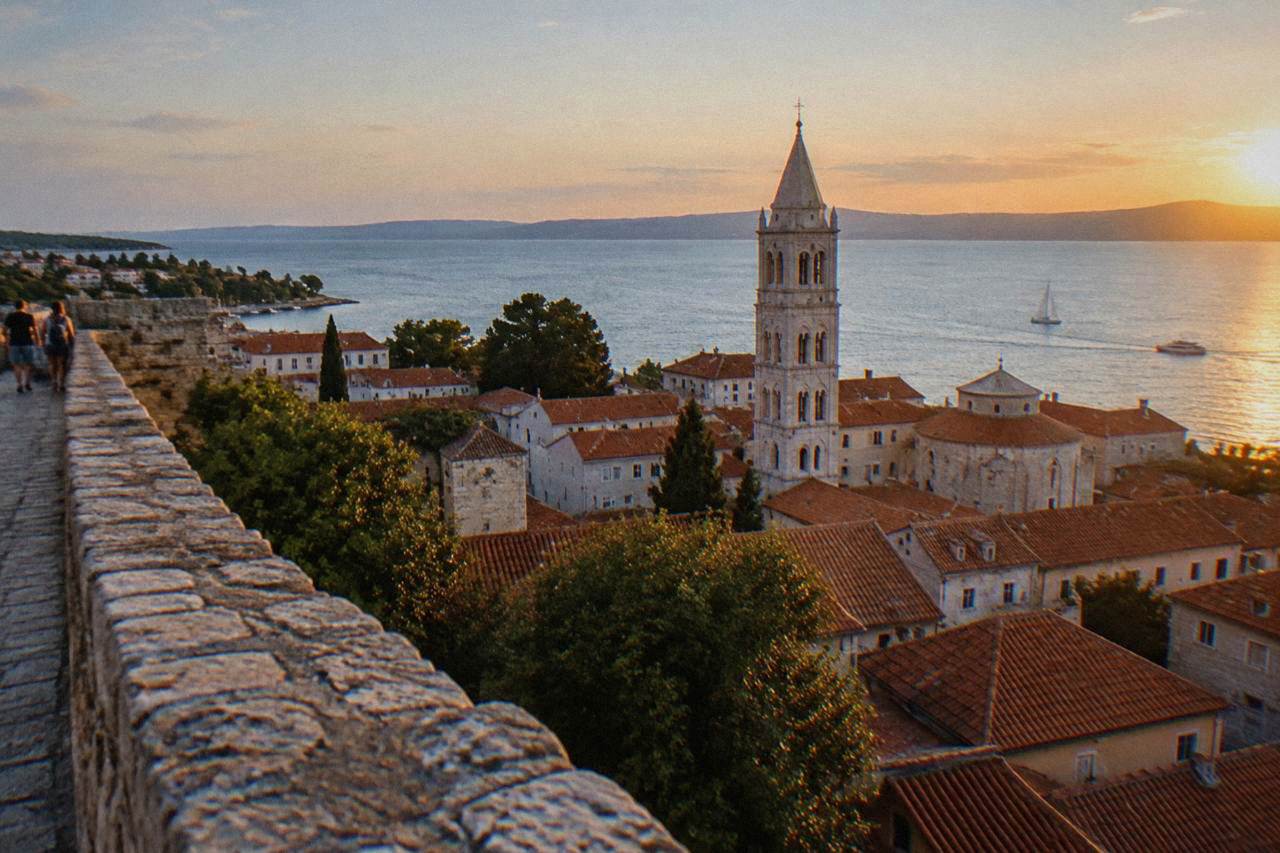
Is Zadar Old Town Worth Visiting?
Yes, for a visitor who values a compact, walkable historic core with free headline sights, Zadar Old Town is worth visiting: the Sea Organ and Greeting to the Sun installations are free and open at all hours, the Roman Forum and Land Gate are free public spaces, and the whole peninsula sits within reach of the islands and national parks of northern Dalmatia. The trade-offs are real. The core is small, a few streets cover most of it, and summer brings crowds and new local rules. A full verdict needs the detail below.
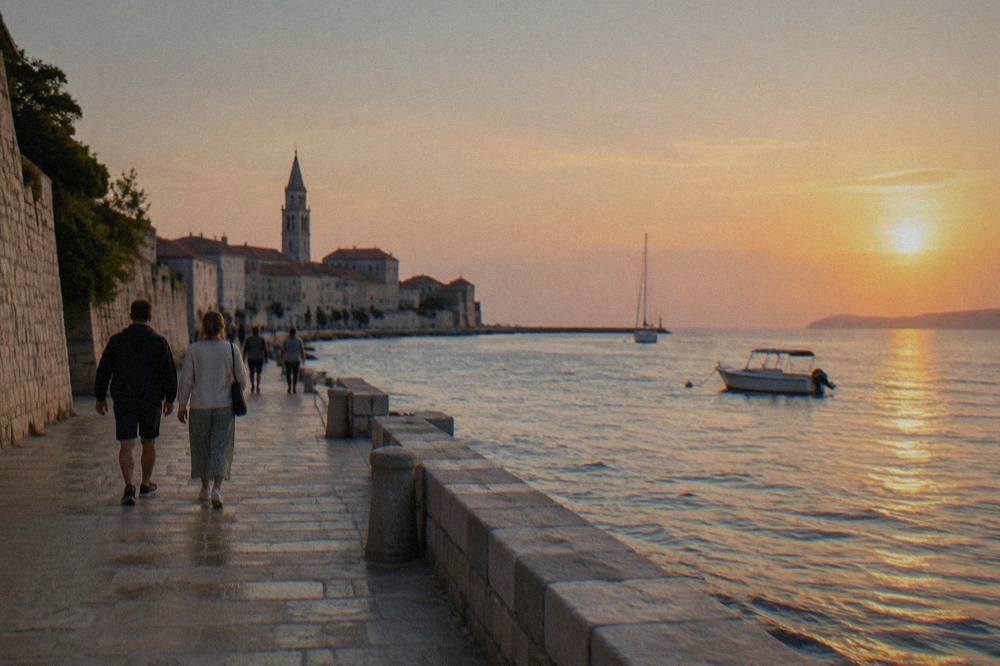
The peninsula's two signature works, both by architect Nikola Bašić, are the Sea Organ from 2005 and the Greeting to the Sun from 2008. The city's own page for the pair confirms their years and their architect, and both are free, open public installations accessible at any hour. No light-show start time is published on an official page, so plan a sunset visit and let the evening decide the rest.
Beyond the waterfront, the free layer keeps giving. The Roman Forum, Five Wells Square, the main street Kalelarga and the Land Gate, built in 1543 to a design attributed to Michele Sanmicheli, all sit in public space with no ticket. Zadar is also one of six components of the UNESCO property of Venetian defensive works, inscribed in 2017, though the Old Town as a whole is not itself a World Heritage Site, a distinction worth getting right.
The compactness cuts both ways. The whole core can be crossed on foot in well under an hour, which suits a short stay, as discussed in how many days in Zadar is enough, but a visitor expecting the scale of a larger Dalmatian city will notice the difference. For a sense of how the two compare on what is actually sourced, see is Zadar nicer than Split.
What Does Seeing The Old Town Actually Cost?
The core sightseeing layer is free: the Sea Organ, Greeting to the Sun, Roman Forum, Five Wells Square, Kalelarga and the Land Gate charge nothing and are open at all hours, so a full first day on the peninsula can cost zero in admission. The ticketed layer is thin and cheap by museum standards. The Museum of Ancient Glass lists 7.00 EUR adult entry on its own ticket page, the Archaeological Museum and St Donatus run on a shared tariff showing 7.00 and 5.00 EUR rows, and a tourist tax is collected by your accommodation at an amount confirmed at booking, not printed here.
The Museum of Ancient Glass's own price list states 7.00 EUR for adults, 5.00 EUR for groups of five or more, 4.00 EUR for schoolchildren, and guided tours at 20 EUR in Croatian or 30 EUR in other languages for a group of about thirty. Its opening hours conflict between sources, so check the museum's hours page before going. For the Archaeological Museum and St Donatus, the shared tariff page shows 7.00 and 5.00 EUR rows with free entry for children up to 10, so write "around 7 EUR at full price" and confirm on the day.
| Sight | Admission | Source basis |
|---|---|---|
| Sea Organ (2005) and Greeting to the Sun (2008) | Free, open at all hours | City of Zadar page confirms years and architect |
| Roman Forum, Five Wells Square, Kalelarga, Land Gate | Free public space | No official price page exists |
| Museum of Ancient Glass | 7.00 EUR adult | Museum's own ticket page |
| Archaeological Museum and St Donatus | Around 7 EUR full price | Shared tariff page, 7.00 and 5.00 EUR rows |
One access caveat matters for 2026. St Donatus Church faces a roof restoration: a public tender was launched at the end of August 2026 for a full replacement of the deteriorated wooden roof structure, with works planned from autumn 2026 over about six months as the first phase of a wider, roughly two-year restoration. During the works group visits are suspended and individual access depends on the phase, so check before counting on going inside.
The Land Gate and the peninsula's walls make an easy free circuit, and the Riva waterfront promenade ties the loop together. If the weather turns, the rainy day itinerary for Zadar leans on exactly these museums.
Is The Old Town Easy To Walk And Easy To Reach?
The Old Town is genuinely walkable: its sights sit on a flat peninsula a short distance from the bus station at Ante Starčevića 1, the airport is about 8 km from the city by the airport's own how-to-get-here page, and the airport shuttle runs to the peninsula's edge for 5.00 EUR one way including luggage in about 20 minutes.
Distances inside the core are trivial. The bus station sits 2.6 km from the old town by road, the Gaženica ferry port 5.2 km, and the airport 13.3 km or about 22 minutes of driving, figures computed from routing data. The shuttle route runs airport, Gaženica, bus station, Old Town, and its ticket stays valid 90 minutes on city buses, which covers a stopover errand on the way in.
Getting to the peninsula from the water side has its own quirks. The Barkajoli rowing boats cross the small harbour in about 1.5 to 2 minutes year-round, weather permitting. For the cruise arrival side, how to get from Zadar port to the Old Town covers the walk in detail.
| Journey | Figure | Basis |
|---|---|---|
| Old Town to bus station | 2.6 km, about 6 minutes | Computed routing distance |
| Old Town to Gaženica ferry port | 5.2 km, about 10 minutes | Computed routing distance |
| Old Town to airport | 13.3 km, about 22 minutes | Computed routing distance |
| Airport shuttle to Old Town | 5.00 EUR one way, about 20 minutes | Airport's own how-to-get-here page |
| Airport to the city | About 8 km | Airport's own how-to-get-here page |
If you are weighing the peninsula against other bases, the best part of Zadar to stay in works through the neighbouring areas, and the wider Old Town area guide maps the streets sight by sight.
What Are The Catches: Rules, Crowds And Closures?
The honest downsides are a small core that can feel crowded in summer, new local rules in force for 2026 including dress-code signs with fines up to 130 EUR for swimwear in the historic centre, and the St Donatus roof works from autumn 2026 that suspend group visits and may limit individual access. None of these sink a visit, but each one changes how a day on the peninsula should be planned.
The dress-code signs went up at key access points in summer 2026, based on the city's existing communal order decision: a verbal warning first, then fines up to 130 EUR for swimwear or nudity in the historic core. The municipality has also moved to restrict night-time retail alcohol sales in the Old Town for the 2026 season under a national law change, covering shops and kiosks rather than bars and restaurants, a measure reported from the mayor's own statements.
Beach rules changed county-wide too. New concession decisions in force for the 2026 season forbid fencing, ramps, barriers or entry fees on concession beaches, with commercial use such as sunbeds capped at 40 to 60 percent of a beach's area, leaving the rest free for towels. Nothing on the peninsula's own swimming options changes the fact that the sea nearby is swimmable, a question covered in full at can you swim in the sea in Zadar.
Weather is a smaller catch than visitors expect. The DHMZ station table for Zadar, 1961-2024, shows a July mean of 24.5 C and a January mean of 7.3 C, with November the wettest month at 123 mm and July the driest at 35.4 mm, and sunshine totalling about 2,600 hours a year. That profile keeps the peninsula pleasant well outside summer, which is exactly when the Zadar Croatia Travel Guide would point a reader who dislikes crowds.
Should You Build A Day Around The Old Town Alone?
The peninsula rewards a full day on its own, with a morning of Roman and medieval sights, an afternoon of museums priced at around 7 EUR or less, and a free sunset at the Sea Organ and Greeting to the Sun, before the day trips to Krka, Plitvice, Kornati or Nin start from the city the next morning. Treating the Old Town as a drive-past stop wastes its best hour, which is the evening one on the waterfront.
The day trips explain why the city works as a base. Krka National Park's 2026 price list charges adults 7 EUR in the January-to-March and November-to-December window, 20 EUR in April, May and October, and 40 EUR from June to September. Plitvice runs 10 EUR in the deep winter months, 23 EUR in the shoulder season and 40 EUR in summer before late afternoon. Both parks dropped to their winter-shoulder rates from 1 October 2026. Swimming at Skradinski Buk has been banned since 2021; swimming in Krka is allowed only at designated spots such as Roški slap, Stinice and Pisak, from 1 June to 30 September.
| Day trip | Adult entry 2026 | Driving distance from the Old Town |
|---|---|---|
| Krka NP (Skradinski Buk) | 7 / 20 / 40 EUR by season | 91 km, about 73 minutes |
| Plitvice Lakes NP | 10 / 23 / 40 EUR by season | 145 km, about 153 minutes |
| Nin | Not applicable | 19.8 km, about 28 minutes |
| Skradin | Not applicable | 76 km, about 62 minutes |
Food is the other reason to end the day in the core. The city's food story, from fresh Adriatic fish to maraschino, the local cherry liqueur, is laid out in the guide to Zadar food, and a guided tasting walk is one of the more efficient ways to meet it. The Check availability link beside the Zadar Food Tour: Local Dishes & City Stories page covers exactly that angle, with the operator's live listing carrying the current price.
Common Questions About Zadar Old Town
Is Zadar Old Town worth visiting?
Yes. The Sea Organ and Greeting to the Sun are free and open at all hours, the Roman Forum and Land Gate are free public space, and the whole peninsula is walkable, with day trips to Krka, Plitvice and the islands starting from the city.
Is Zadar Old Town the same as the UNESCO World Heritage Site?
No. Zadar is one of six components of the UNESCO property of Venetian defensive works, inscribed in 2017. The Old Town as a whole is not a World Heritage Site.
How much does it cost to visit the sights in Zadar Old Town?
The headline sights are free. The Museum of Ancient Glass lists 7.00 EUR adult entry, and the Archaeological Museum and St Donatus run on a shared tariff with 7.00 and 5.00 EUR rows, so around 7 EUR at full price.
Can you go inside St Donatus Church in 2026?
Access may be limited. Roof works planned from autumn 2026, lasting about six months, suspend group visits, and individual access depends on the phase. Check before going.
Is there a dress code in Zadar Old Town?
Yes. Signs posted in summer 2026 at key access points require appropriate clothing, with no swimwear or nudity, enforced by a verbal warning and then fines up to 130 EUR.
How long do you need for Zadar Old Town?
The core is compact enough for one full day, with an evening at the Sea Organ as the high point. The question of total stay length is covered separately in how many days in Zadar is enough.
