How Many Days In Zadar Is Enough?
How many days in Zadar is enough? A sourced answer to the question of trip length, with pacing for the Old Town, day trips to Krka, Plitvice and the islands, and seasonal notes.
Zadar sits on a narrow peninsula on the Dalmatian coast of Croatia, small enough that its Old Town, the Poluotok, can be walked end to end in well under an hour, yet it is also the departure point for Krka, Plitvice, the Kornati islands, Nin and Pag. That double identity is what makes the question of trip length genuinely hard. The city itself is compact; the region around it is not. This page works through the arithmetic day by day, using verified distances, park tariffs and climate figures rather than impressions.
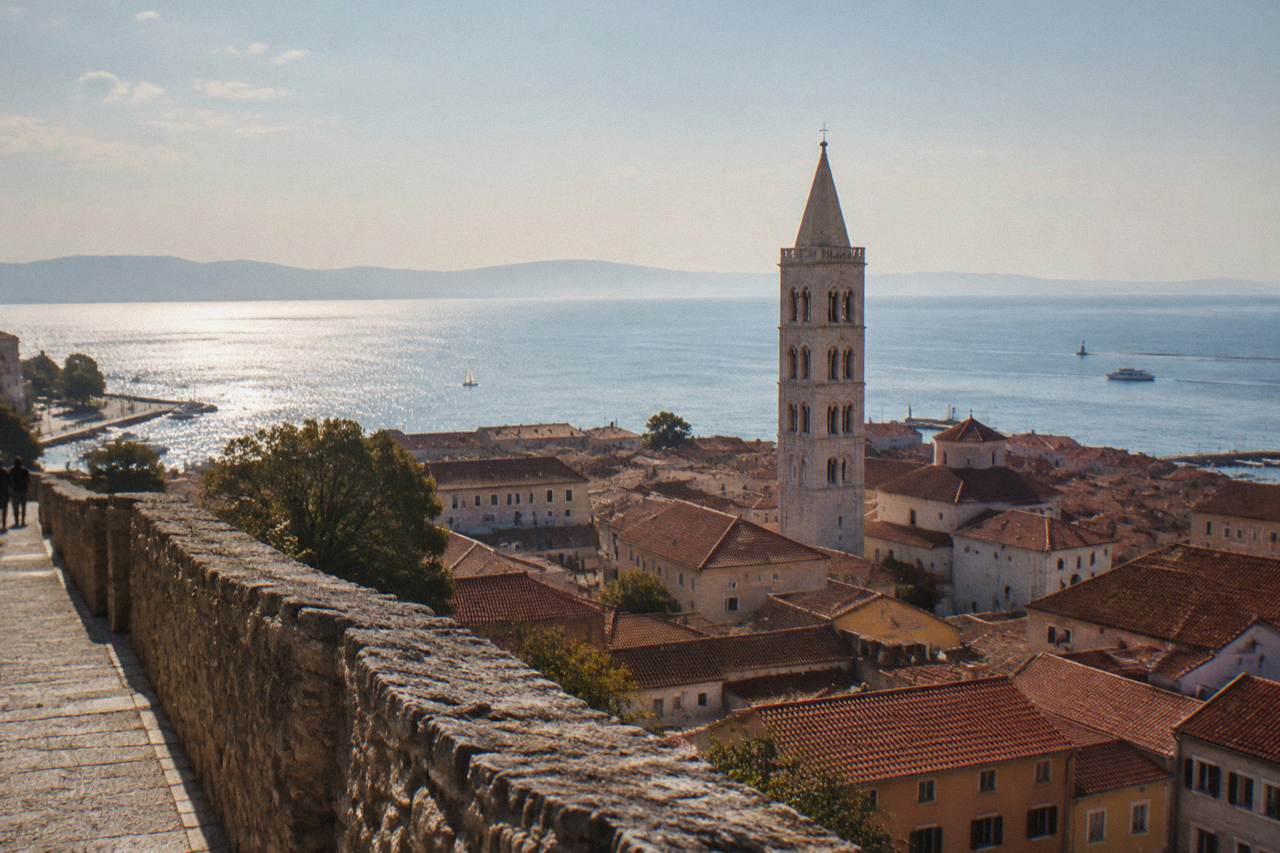
The short version: two full days are enough for Zadar proper, three days make the visit comfortable with an island or Nin added, and four to five days are the right range once a national park enters the plan. Anything beyond five is a choice, not a need. The city's featured experiences cluster on the peninsula, and the day trips that justify longer stays all leave from the same waterfront.
How Many Days In Zadar Is Enough?
Two full days are enough for Zadar itself, three days are enough for the city plus one island or Nin, and four to five days are the realistic range once Krka or Plitvice Lakes joins the itinerary. The Old Town is compact and walkable, so extra days buy day trips into Dalmatia rather than more city sights. Fewer than two days means choosing between the Old Town and the sea.
The reason two days suffice is geometry. The Sea Organ (installed 2005) and the Greeting to the Sun (2008), both by architect Nikola Bašić, sit beside each other at the tip of the peninsula and are free, open public installations. The Roman Forum, Kalelarga, Five Wells Square and the 1543 Land Gate are all within a few minutes' walk of one another. The Museum of Ancient Glass lists its adult ticket at 7.00 EUR, the Archaeological Museum and St Donatus run around 7 EUR at full price, and none of these needs more than an hour or two each.
A one-day answer exists but it is tight, and it fits mainly cruise-passenger pacing. If that is your situation, the site's cruise port day guide breaks down what fits between disembarking and departure. For everyone else, arriving late on day one and leaving early on day three is the honest minimum.
What Does One Day In Zadar Actually Cover?
One day covers the entire Old Town peninsula at a walking pace: the Roman Forum, St Donatus Church, Kalelarga, the Land Gate, the Museum of Ancient Glass, the Riva waterfront and the Sea Organ at sunset. What it cannot cover is any island, any national park or a relaxed meal schedule, since the park day trips alone run most of a day.
A single day in the city is genuinely feasible because the peninsula is small and the key sights are free public spaces. The Forum, Five Wells Square and the Kalelarga main street cost nothing. St Donatus faces roof restoration with works planned from autumn 2026 for about six months, so access may be limited and should be checked before counting on an interior visit.
The pressure point in a one-day plan is the evening. The Sea Organ and the Greeting to the Sun are the reason many people time their whole visit around sunset on the western edge, and a departure that afternoon forfeits both. The site's sunset and evening route explains how to sequence them.
Is Two Days In Zadar Enough For The Old Town?
Two days are enough for the Old Town with real comfort: day one for the Roman core, the churches and the museums, day two for the Riva, the beaches nearest the centre and the sunset installations, with an evening free for food and Maraschino. Two days also absorb a slow museum morning without costing you the sunset.
Day two is where the compactness starts paying dividends. Kolovare beach, the closest proper swimming beach to the centre, and the Borik and Puntamika stretches to the northwest are all reachable by city bus. The sea is swimmable through the warm months, and the question of whether you can swim in the sea in Zadar has a straightforward answer for most of the year: yes, from late spring into autumn.
Museums fill the gaps that weather or timing create. The Museum of Ancient Glass charges 7.00 EUR for an adult ticket, with a 20 EUR guided tour in Croatian and 30 EUR in other languages for groups. Opening hours for it conflict between sources, so confirm on the museum's own hours page before planning around it. If rain closes in, the rainy day itinerary sequences the indoor options.
What Do Three Days In Zadar Add?
Three days add the sea and the near islands: a boat trip around the Zadar archipelago, a crossing to Preko on Ugljan (about 25 to 30 minutes by ferry), a half-day of kayaking, or the short hop to Nin. The third day is the first one where the islands stop being a squeeze and start being the point of the trip.
Ugljan and Dugi Otok sit directly offshore. The ferry to Preko on Ugljan runs from Gaženica port, about 5.2 km and 10 minutes' drive from the Old Town, with a crossing of roughly 25 to 30 minutes; the fare is best confirmed at booking since no verified price is published here. For Dugi Otok, Jadrolinija's line 434 runs from Gaženica to Brbinj in 1 hour 40 minutes. If you are weighing the islands against each other, the site compares which is the best island to visit from Zadar.
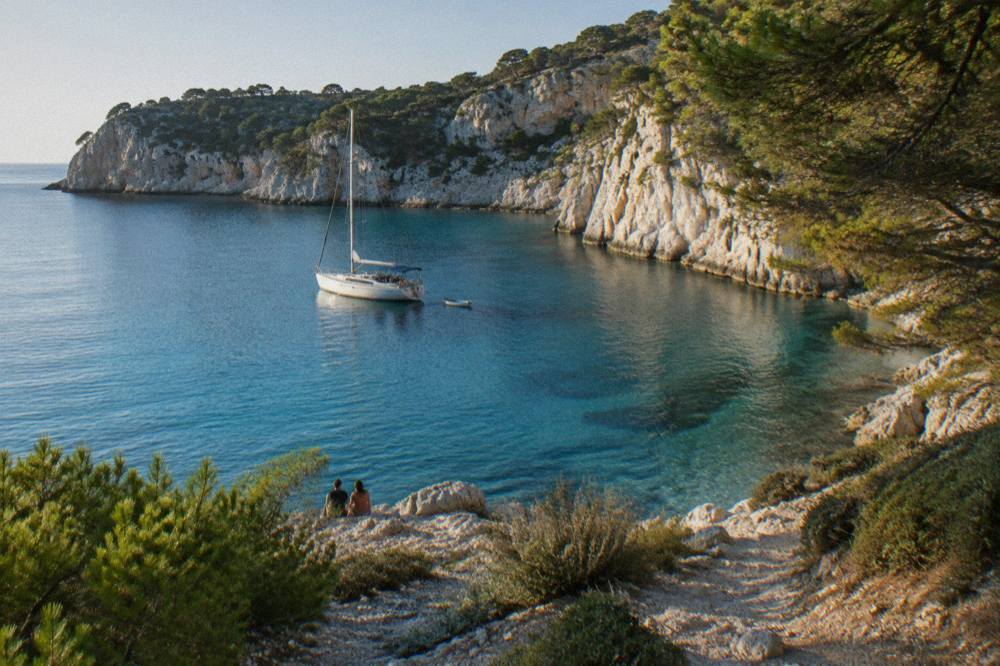
A third day also suits a kayaking outing. The Dugi Otok half-day kayaking trip with optional cave swim is the site's featured tour for this question, and its details, price and availability render on its own page: Check availability.
When Are Four Or Five Days In Zadar Worth It?
Four or five days are worth it when a national park or a full Kornati boat day enters the plan, because those trips each consume a full day: Krka's Skradinski Buk is 91 km by road from Zadar (about 73 minutes), Plitvice Lakes 145 km (about 2 hours 33 minutes). Add one park, one island day and two city days and five days are full.
The parks are priced by season, and that matters for trip timing. Krka charges adults 7 EUR in January to March and November to December, 20 EUR in April, May and October, and 40 EUR from June to September, on the park's own 2026 price list. Plitvice charges 10 EUR in the winter months, 23 EUR in April, May and October, and 40 EUR in the June to September peak. Both parks dropped to their shoulder rates on 1 October 2026. Swimming at Skradinski Buk has been banned since 2021; it is allowed only at designated spots such as Roški slap, Stinice and Pisak, from 1 June to 30 September, conditions permitting. Other pages covering the same trip are gathered on Zadar Croatia Travel Guide.
If only one park fits, the choice between them is its own question, and the site answers it directly in Plitvice or Krka, which is better. Kornati works differently again: its entry fee is charged per vessel by length and season, not per person, and organized boat tours from Zadar bundle it.
How Do The Seasons Change The Answer?
The seasons change the answer more than the sights do: July and August are warm (24.5 C and 24.1 C monthly means, Zadar station, 1961-2024, DHMZ) and draw the crowds, while November is the wettest month at 123 mm and July the driest at 35.4 mm. Short trips work year-round; park-and-island itineraries work best from late spring to early autumn.
| Month | Mean temperature (C) | Rainfall (mm) | What it means for trip length |
|---|---|---|---|
| January | 7.3 | 76.4 | City-only trips; parks at winter prices |
| April | 13.4 | 61.4 | Shoulder rates begin; comfortable walking |
| July | 24.5 | 35.4 | Full itineraries; peak park prices |
| September | 20.2 | 110.9 | Warm sea, park prices still at peak |
| October | 16.3 | 106.8 | Shoulder park rates from 1 October |
| November | 12.1 | 123.0 | Wettest month; museums and Advent prep |
Source for all figures: DHMZ, Zadar station, 1961-2024. Sunshine totals about 2,600 hours a year. Winter trips shrink naturally toward the two-day city answer, with the rainy day itinerary doing real work in November and December. Advent, from 24 November 2026 to 2 January 2027, is the one winter reason to add a day. The fuller seasonal breakdown sits in what is the best time to visit Zadar.
Common Questions About How Many Days To Spend In Zadar
How many days in Zadar is enough?
Two full days cover the Old Town, the Riva and the sunset installations. Three days add an island or Nin. Four to five days are the right range once Krka, Plitvice or a Kornati boat day joins the plan.
Can you see Zadar in one day?
Yes. The peninsula is compact and the main sights, the Forum, Kalelarga, the Land Gate, the Sea Organ and the Greeting to the Sun, are free public spaces within walking distance of each other. One day cannot absorb an island or a national park.
Is Zadar or Split better for a short stay?
Zadar is smaller and its core sights cluster on one walkable peninsula, which suits a two-day visit. Split is larger and sits closer to some southern destinations. The site compares the two cities directly in its Zadar versus Split pages.
Do you need a car for a multi-day Zadar trip?
Not for the city itself, and organized day trips cover Krka, Plitvice and the Kornati islands without one. A car helps for Pag, Nin or the northern parks on your own schedule, and parking in the city is metered, so confirm current arrangements locally.
How many days do you need for Zadar plus Plitvice?
Four as a comfortable minimum: two for Zadar, one for Plitvice, and one spare for the sea or a slow final morning. The drive each way to Plitvice is about 2 hours 33 minutes, so the park day is a full day out.
The arithmetic, then: count your must-do day trips, add two city days, and the total is your answer, with anything from two to five days spending well in Zadar.