Islands Near Zadar
Zadar sits on a peninsula with islands on its doorstep: Ugljan a short ferry ride away, Dugi Otok an hour and forty minutes out, and the Kornati archipelago beyond. This guide sets out what the official sources actually say about crossings, park fees and tour choices.
Short answer
The islands nearest Zadar are Ugljan (reached by ferry to Preko), Dugi Otok (1 hour 40 minutes to Brbinj) and the Kornati archipelago, usually reached by excursion boat. Telašćica Nature Park on Dugi Otok charges 6 to 8 EUR at the land entrance, and Kornati National Park charges per vessel by length and season.
Zadar is a coastal city in Dalmatia, Croatia, and its Old Town stands on a narrow peninsula with islands strung out across the Adriatic immediately offshore. Ugljan sits closest, Dugi Otok stretches long and low to the northwest, and the Kornati archipelago spreads beyond it in a scatter of bare stone islands. The city is the natural base for all of them: Jadrolinija's route page shows car ferries leaving the Gaženica port for the islands, and the excursion boats for Kornati and Telašćica tie up within walking distance of the Old Town. This page gathers what the official and primary sources say about each island group, what the crossings and park entries cost, and how to choose between a ferry day and a boat tour.
What Islands Are Near Zadar?
The islands near Zadar fall into three groups: Ugljan and Pašman closest to the city, Dugi Otok with Telašćica Nature Park to the northwest, and the Kornati archipelago further out, with Pag reachable by road bridge or a long drive around. Jadrolinija's route page shows a car ferry from Zadar's Gaženica port to Preko on Ugljan and to Brbinj on Dugi Otok, while the Kornati islands are normally visited on excursion boats, each group suiting a different kind of day.
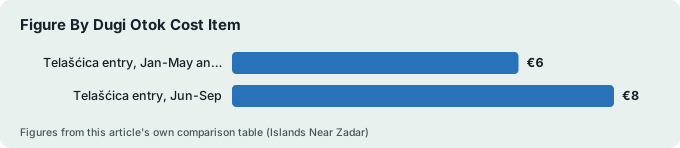
Ugljan is the island the city faces. Jadrolinija's route page lists the crossing to Preko; no verified fare is available, so the price should be confirmed on the operator's own pages or at the port. Dugi Otok is the next commitment: the line to Brbinj takes 1 hour 40 minutes according to Jadrolinija's route listing, and it carries cars as well as foot passengers. Beyond Dugi Otok lies Telašćica Nature Park, whose price list shows 6 EUR (January to May, October to December) or 8 EUR (June to September) at the Dolac land entrance, with boat access from Sali.
The Kornati archipelago works differently. Kornati National Park charges entry per vessel, by boat length and season, and the ticket is bought outside the park itself, on the mainland or online. The park's 2026 price list shows 25 EUR for a boat up to 6.99 metres for one day in the off season and 45 EUR in June to September, rising with vessel length from there. Pag, for completeness, is an island too, but it connects to the mainland by bridge; the OSRM driving figure from the Old Town to Pag Town is 54 km, about 62 minutes. The overview of which islands are close to Zadar covers the bare geography, and the wider Zadar day trips guide places the islands alongside the mainland options.
Here is what the verified sources give for each island group:
| Island group | Reachable from Zadar by | Verified journey figure | Entry fee that applies |
|---|---|---|---|
| Ugljan | Jadrolinija ferry to Preko | about 25 to 30 minutes | none stated |
| Dugi Otok | Jadrolinija ferry to Brbinj (line 434) | 1 h 40 min | Telašćica 6 / 8 EUR at Dolac |
| Kornati islands | excursion boat or own vessel | not stated in pack | per vessel, 25 to 45 EUR at the smallest size band |
| Pag | road via bridge, or drive around | 54 km / about 62 min to Pag Town | none stated |
One small crossing deserves a mention because it is often confused with island ferries. The Barkajoli are the traditional rowing boats that shuttle across the harbour channel between the peninsula and the far side; the crossing is about 75 metres and takes a minute and a half to two minutes, year-round weather permitting.
How Do You Get To The Islands Near Zadar?
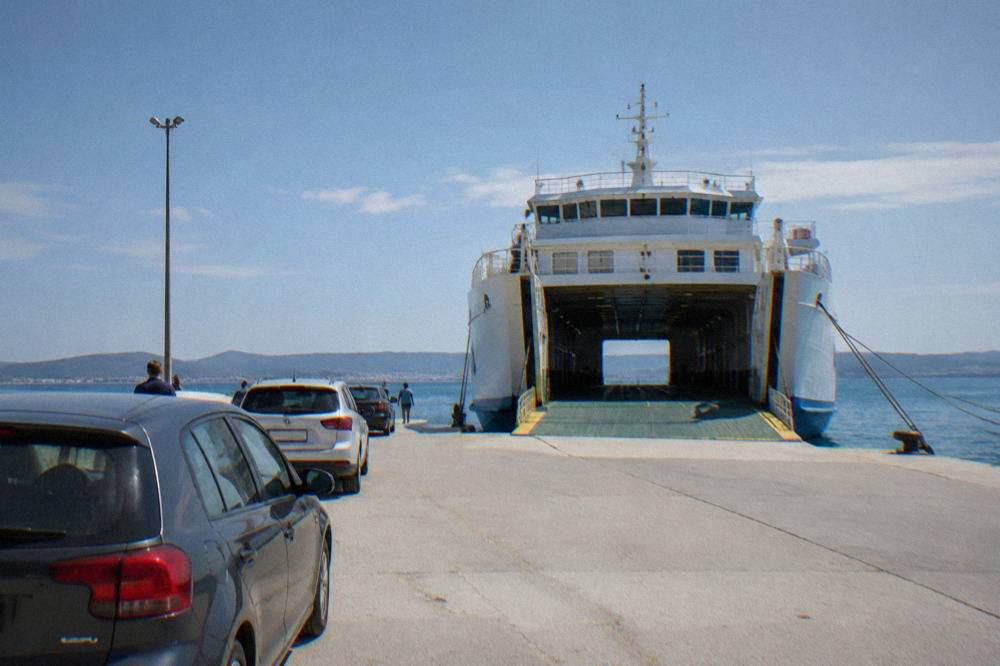
Island transport from Zadar runs through two doors: the Gaženica ferry port for Jadrolinija car ferries to Preko (Ugljan) and Brbinj (Dugi Otok), and the excursion-boat berths near the Old Town for tours to the Kornati islands and Telašćica. Jadrolinija's route page shows line 434 to Brbinj taking 1 hour 40 minutes, and the Preko crossing about 25 to 30 minutes. The Gaženica port is about 5.2 km, roughly 10 minutes by car, from the Old Town.
The practical split matters. If the plan is to explore an island at your own pace, with a car or bicycle, the ferry is the route: drive or bus to Gaženica, buy a ticket, and cross. Check the current fare with the operator when booking. If the plan is to swim, snorkel and see the archipelago without logistics, the excursion boats are simpler, and several of them are bookable through this site's featured listings.
The verified driving figures for orientation: the bus station is 2.6 km from the Old Town, Gaženica ferry port 5.2 km, and the airport 13.3 km, about 22 minutes. The airport's own page gives its distance as about 8 km from the city, and the Liburnija shuttle runs at 5.00 EUR one way including luggage, taking about 20 minutes to the Old Town, with the ticket valid 90 minutes on city buses. New for 2026, the airport's announcements added Wizz Air routes to Budapest and Warsaw from 7 June 2026, four times weekly, which widens the flight options for an island-hopping week. The Zadar ferry guide covers the Italy line as well, and getting to Zadar handles the inbound journey.
For visitors who prefer someone else to handle the boat, the tour roster holds three listings this desk treats as the reference picks for an island-and-inland shortlist, and the comparison below shows how they differ:
A note on what the operators' listings do and do not include, since this comes up constantly. Boat tours around Zadar almost always include the boat, crew and any swim stops named in the itinerary; national park entries and nature park fees are a separate matter, because those are charged by the parks themselves. Kornati's fee is charged per vessel, so an excursion boat's listing will state whether that cost is bundled into the ticket price or collected on board, and the listing is the authority on which of the two applies. The same check applies to Telašćica. The Zadar boat tours guide unpacks the categories in more depth.
| Route or service | Operator or mode | Verified figure | What to confirm at booking |
|---|---|---|---|
| Zadar (Gaženica) to Brbinj, Dugi Otok | Jadrolinija line 434 | 1 h 40 min | fare, sailing times, car space |
| Zadar to Preko, Ugljan | Jadrolinija ferry | about 25 to 30 min | fare and seasonal timetable |
| Gaženica port from Old Town | car or taxi | 5.2 km, about 10 min | none |
| Kornati entry, boat up to 6.99 m | national park, per vessel | 25 EUR off season / 45 EUR Jun-Sep, 1 day | whether the tour bundles it |
Which Island Day Trip From Zadar Suits You Best?
Ugljan suits a half-day ferry hop with a village lunch, Dugi Otok suits a full day built around Sakarun beach and the Telašćica cliffs, and the Kornati archipelago suits a boat day focused on scenery and swimming rather than villages, since the park's islands are largely bare stone. Telašćica charges 6 to 8 EUR per adult at its land entrance, Kornati charges per vessel, and tour listings state what is bundled. The choice comes down to ferry versus boat, and half-day versus full-day.
The honest comparison point is speed versus depth. The ferry to Ugljan is the fastest island access Zadar has: about 25 to 30 minutes across, frequent enough that a missed sailing is not a lost day, and the price is confirmed at the port. Ugljan gives you villages, olive groves and a swim, all on an island the city looks at every evening. Dugi Otok asks for more: the Brbinj ferry alone is 1 hour 40 minutes, but it delivers the long beaches and the Telašćica inlet, whose price list shows the 6 / 8 EUR seasonal split at Dolac. Kornati gives neither village life nor sandy beaches; it gives 89 islands of stone, sea and silence, which is exactly why the excursion boats sell out.
Among the boat listings, one covers the near-island snorkelling run with wine on board:
Weather should shape the choice too. The climate record for Zadar station, 1961-2024 (DHMZ), shows July as the warmest month at a 24.5 C mean and July also the driest at 35.4 mm of rain, while November is the wettest month at 123 mm and September and October both sit above 100 mm. A Kornati boat day is a fair-weather trip; a ferry-and-village day on Ugljan survives a stiff breeze. The best time to visit Zadar guide works through the months in detail, and how many days in Zadar helps with fitting the islands into a wider stay.
Is Ugljan Worth The Ferry From Zadar?
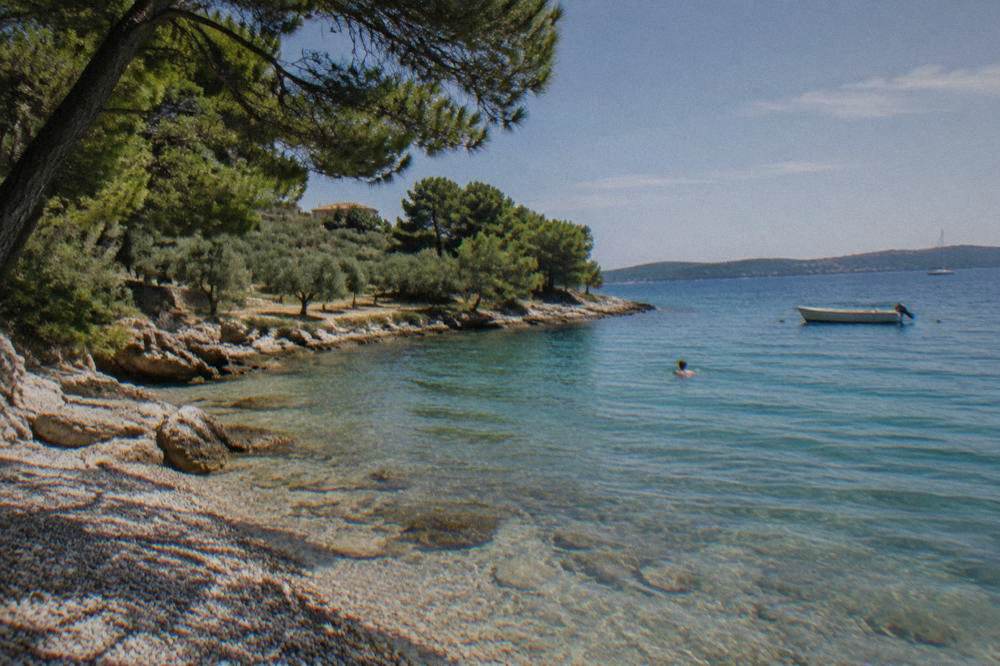
Ugjan is worth the crossing for a low-effort island day: the ferry to Preko takes about 25 to 30 minutes, the village of Preko sits at the terminal with a waterfront and a small offshore islet, and the island's beaches and olive-covered hills are reachable on foot or by bicycle from the port. No verified fare exists for the crossing, so confirm the price with the operator. The island is close enough that a half day is enough.
This guide sticks to the ferry basics for Ugljan. The Jadrolinija service makes the crossing in roughly 25 to 30 minutes. Beyond that, check prices and opening details locally, whether for bicycle hire or restaurants. The geography, though, needs no confirmation: Ugljan faces the city directly, the crossing is the shortest in Zadar's ferry set, and the island's villages line the coast road looking back towards the peninsula.
The planning logic is that Ugljan is the island you visit when energy or time is short. Compare the committed figures: 25 to 30 minutes to Preko against 1 hour 40 minutes to Brbinj on Dugi Otok. A morning ferry out and a late-afternoon ferry back leaves five or six hours on the island, enough for a swim, a walk and a long lunch. Cyclists get more out of it, since the island is compact. For where to sleep if the mainland base is wrong, the where to stay in Zadar guide maps the mainland districts, including Borik and Diklo, which both face the island line.
What Does Dugi Otok And Telašćica Cost To Visit?
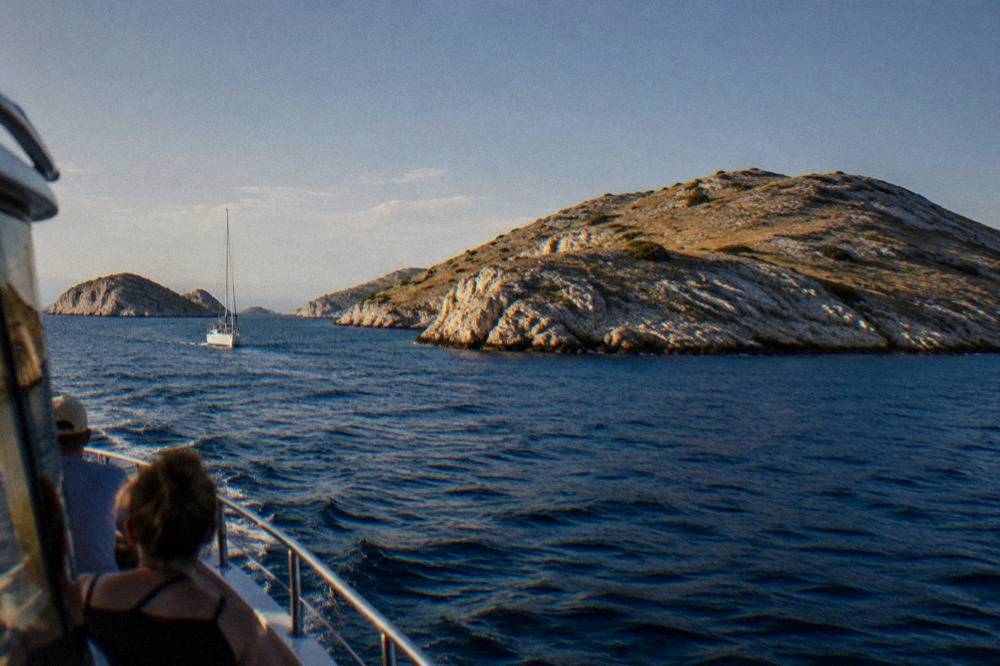
Dugi Otok costs a ferry fare to Brbinj (1 h 40 min, price confirmed with Jadrolinija), and if the day includes Telašćica Nature Park, the land entrance at Dolac charges adults 6 EUR from January to May and October to December, or 8 EUR from June to September, per the park's own price list. Boat visitors pay at Sali. The ferry fare is not stated here, so the full day's cost is ferry plus park entry plus whatever a tour or transfer adds.
The seasonal split, 6 EUR in the cooler months and 8 EUR in June to September, applies at the Dolac land entrance on Dugi Otok; arriving by boat from Sali is the other stated access. The park sits at the southern end of the island, facing the Kornati archipelago across a narrow strait, and the combined sea-and-cliff scenery is the reason day boats combine it with Kornati.
The Dugi Otok tour listings on the roster give a second route in, without the ferry. One runs the island's shipwreck, tunnel and beach stops in a half day, and another makes a full circuit of the island's highlights:
What the tours change is the maths of the day. The ferry is the cheap spine, but it lands at Brbinj, which is a drive from both Sakarun beach and Telašćica, so independent visitors need a car on the ferry or a plan made in advance. A boat tour bundles the distance into the itinerary. Either way, the park fee logic stands: Telašćica's own price list is the authority, and tour listings state whether entry is included in their fare. The things to do in Zadar overview places the island days within the city's full offer.
| Dugi Otok cost item | Figure | Notes |
|---|---|---|
| Ferry Zadar (Gaženica) to Brbinj | 1 h 40 min, line 434 | Jadrolinija route page |
| Ferry fare | n/a | check the current tariff with the operator |
| Telašćica entry, Jan-May and Oct-Dec | 6 EUR adult | park price list |
| Telašćica entry, Jun-Sep | 8 EUR adult | park price list |
| Sakarun beach entry | no entry fee | free access |
How Do The Kornati Islands Work As A Day Trip?
The Kornati islands work only as a boat day: Kornati National Park charges entry per vessel, by boat length and season, and the ticket must be bought outside the park, on the mainland or online, with one-day rates for a boat up to 6.99 metres at 25 EUR off season and 45 EUR from June to September per the park's 2026 price list. Independent ferry access does not exist, so the choice is an excursion boat, a private charter, or arriving under your own keel.
The per-vessel charging is the single most misunderstood fact about Kornati, and it is worth a paragraph of its own. Every other park in this region charges per person, but Kornati's 2026 price list, published by the park itself, scales the fee to the boat: 25 or 45 EUR for vessels up to 6.99 metres, 30 or 65 EUR from 7 to 10.99 metres, 50 or 95 EUR from 11 to 17.99 metres, for one day, with the lower rate in the January-to-May and October-to-December window and the higher one from June to September. That is why the archipelago has no walk-in visitors: the fee attaches to the boat that carries you, and excursion operators either bundle it or collect it aboard, which the listing states.
The Kornati-focused tour listings give the full-day option with lunch, and the combined Kornati-and-Telašćica circuit that covers both park areas in one sailing:
For depth on the archipelago itself, the Kornati islands page is this site's dedicated guide, and it carries the full fee table. What belongs here is the planning frame: Kornati is a long day on the water, the swimming is from the boat rather than beaches, and the scenery is stone and sea rather than green. The climate record matters more for this trip than any other in the region, because a full day offshore in a bora or jugo wind is no joke; the Zadar station, 1961-2024 (DHMZ) record shows the wind exposure the boats plan around, and operators cancel or reroute when it blows. Book with cancellation terms, and check the forecast the evening before.
Do You Need To Book Island Tours From Zadar In Advance?
Island tours from Zadar do not need months of planning outside July and August, but the summer weeks and any tour that bundles park entries or meals are worth booking ahead, because boats have fixed passenger counts and the operator's live listing is the only reliable seat count. Free-cancellation terms appear on the booking pages this site carries, so an early booking costs nothing to change. The ferry needs no booking for foot passengers; cars in peak season are a different matter and should be reserved.
The structure of the question is really about what can go wrong. Ferries do not sell out to walkers, but Jadrolinija's car deck in July and August fills, so that is a check with the operator. Tours are capacity-bound: a boat licensed for a dozen swimmers is full at a dozen.
The trio below is the reference shortlist this site uses for island and near-island days, and it is the same set that appeared earlier: the inland lakes option for a change of scene, the near-island snorkelling run, and the river kayaking day for a freshwater alternative when the sea is rough.
The reasoning behind keeping an inland option open is weather, again. The Zadar station, 1961-2024 (DHMZ) means put September at 110.9 mm of rain and October at 106.8 mm, against July's 35.4 mm, and the sea can hold swell long after rain has passed. The Zadar weather page carries the climate tables in full.
| Island day type | Book ahead? | What gates availability |
|---|---|---|
| Ugljan ferry (foot) | no | sailing times only |
| Ugljan ferry (car, Jul-Aug) | yes, with operator | car-deck capacity |
| Dugi Otok ferry (car) | yes in summer | car-deck capacity |
| Boat tours, Jun-Aug | yes | passenger count per boat |
| Boat tours, shoulder months | usually not | weather cancellations |
| Kornati entry | with the boat | per-vessel fee rules |
What Does An Island Week Near Zadar Look Like?
A workable island week pairs two mainland-nights blocks with the islands in rising order of effort: Ugljan first as a half-day ferry hop, then a Dugi Otok and Telašćica full day, then the Kornati boat day, holding Pag and the inland parks for the road days between. The ferry commitment rises from about 25 to 30 minutes to Preko to 1 h 40 min to Brbinj, and the Kornati day is boat-only, so the sequencing follows naturally.
Day three, the Ugljan ferry hop. Day four, a Dugi Otok boat tour or the Brbinj ferry with a car. Day five, Kornati. Days six and seven go to Pag by road (54 km to Pag Town, about 62 minutes) or to the inland parks, whose seasonal fees the dedicated day-trip pages set out in full, including Paklenica's step from a low winter rate to 10 EUR in the May-to-September window and Vransko jezero, which sits on the mainland road towards Pag, at 6 EUR adult.
Sunshine arithmetic backs the plan. The DHMZ station record for Zadar, 1961-2024, gives monthly insolation from 115.6 hours in December to 358.6 hours in July, summing to about 2,600 hours a year, and rain days fall to 5 in July and 6 in August against 12 in November and December. That is a summer-weighted profile, and it explains why the boat calendar concentrates in June to September, the same window in which the parks charge their higher seasonal rates. Autumn trades warmth for emptier boats and the parks' shoulder pricing, with Plitvice at 23 EUR in October per the seasonal list, which matters if the island week grows into a wider tour.
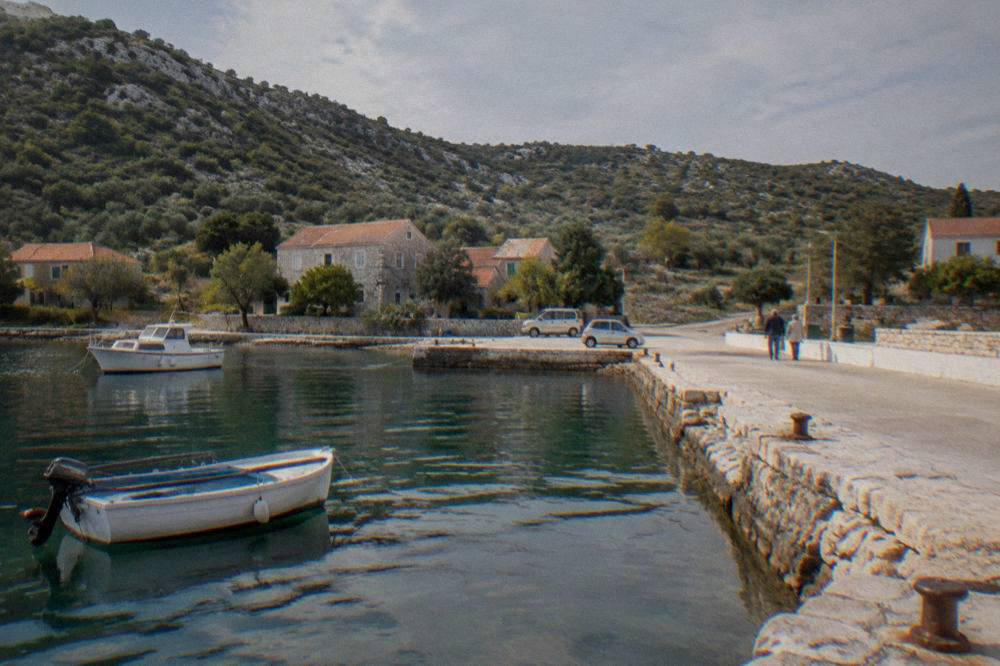
Winter island visits are possible but narrowed. The ferries run year-round as essential services, and the Barkajoli rowing boats across the harbour channel keep going weather permitting, but the excursion fleet thins out and the parks sit at their low rates, with Kornati's one-day small-boat fee at 25 EUR in the January-to-May window. Zadar Advent, running 24 November 2026 to 2 January 2027 with a new ice rink on the Forum per the city's events page, is the counterweight that keeps a winter stay full. The Zadar cost guide carries the budget logic for all seasons, and is Zadar worth visiting answers the underlying question.
Common Questions About The Islands Near Zadar
How long is the ferry from Zadar to the islands?
The crossing takes about 25 to 30 minutes to Preko on Ugljan and 1 hour 40 minutes to Brbinj on Dugi Otok on Jadrolinija line 434, sailing from the Gaženica port. Check the current fares with the operator.
Which island near Zadar is easiest to visit on a day trip?
Ugljan is the easiest, with the shortest crossing at about 25 to 30 minutes to Preko and the village sitting at the ferry terminal. No island entrance fee applies, and the ferry needs no booking for foot passengers.
Do you have to pay to enter the Kornati islands?
Yes. Kornati National Park charges per vessel, not per person: 25 EUR off season or 45 EUR in June to September for a one-day ticket for boats up to 6.99 metres, rising with vessel length, per the park's 2026 price list. Tickets are bought outside the park, and excursion listings state whether the fee is included in the tour price.
Can you get to Dugi Otok without a tour?
Yes. Jadrolinija's car ferry runs from Gaženica to Brbinj in 1 hour 40 minutes. Getting from Brbinj to Sakarun beach or Telašćica needs a car brought on the ferry or arrangements made in advance, as no island bus details are verified in the sources.
What is the Telašćica Nature Park entry fee?
The park's own price list shows 6 EUR per adult from January to May and October to December, and 8 EUR from June to September, at the Dolac land entrance on Dugi Otok, with boat access from Sali.
Is swimming allowed around the islands near Zadar?
The sea around Ugljan, Dugi Otok and the Kornati islands is open for swimming from beaches and boats, and tours build their itineraries around swim stops. The rule that trips people up is inland: swimming is banned at Skradinski Buk in Krka National Park since 2021, with designated swimming areas only at Roški slap, Stinice and Pisak from 1 June to 30 September.
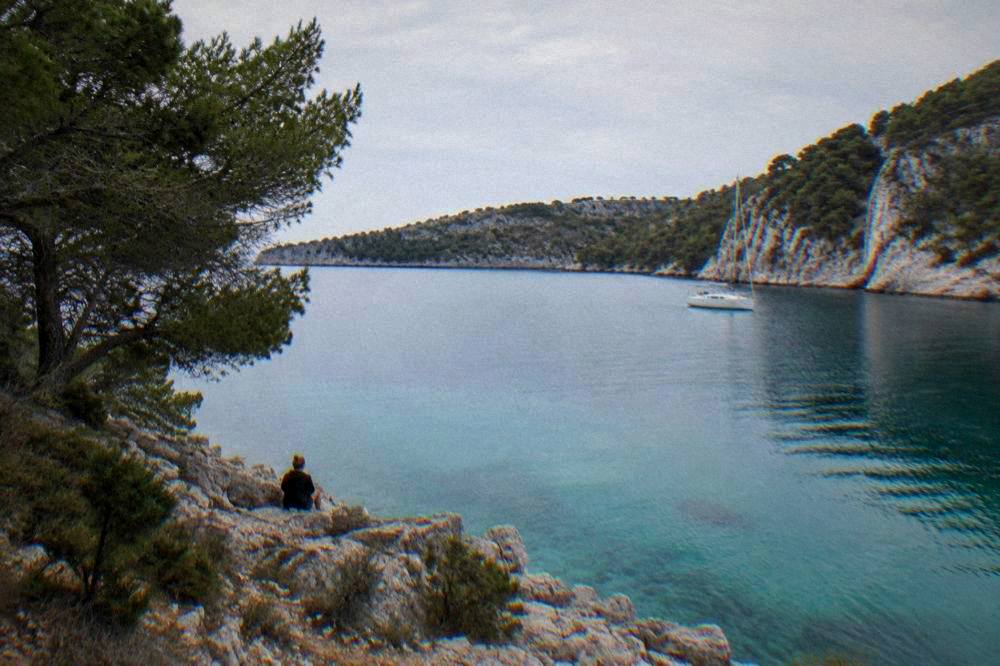
Ugljan is the ferry hop, Dugi Otok is the full day with a park fee attached, Kornati is the boat day with a per-vessel ticket bought before you sail, and Pag is a drive. Further planning sits in the Zadar Croatia Travel Guide island and day-trip pages.