Zadar Weather
Zadar sits on the Adriatic coast of Dalmatia, and its weather follows a Mediterranean pattern with hot, dry summers and mild, wetter winters. Here is what the official station record actually shows.
Short answer
Zadar has a Mediterranean coastal climate: July averages 24.5 C and November is the wettest month at 123 mm, with about 2,600 hours of sunshine a year, according to the DHMZ Zadar station record for 1961-2024.
Zadar is a coastal city in Dalmatia, on the Adriatic Sea in Croatia, and its weather is the reason a lot of people end up here at all: long dry summers, a sea that holds its warmth into autumn, and winters that rarely bite hard. The figures on this page come from one source, the Croatian Meteorological and Hydrological Service (DHMZ) station record for Zadar, covering the period 1961-2024. That station sits by the sea, which matters, because it reads warmer in winter than inland models do. Where a number is not in that record, this page says so instead of guessing. That is a deliberate editorial rule for this site, and it is why you will not find a sea-temperature table further down, however useful one would look.
What Is The Weather Like In Zadar Through The Year?
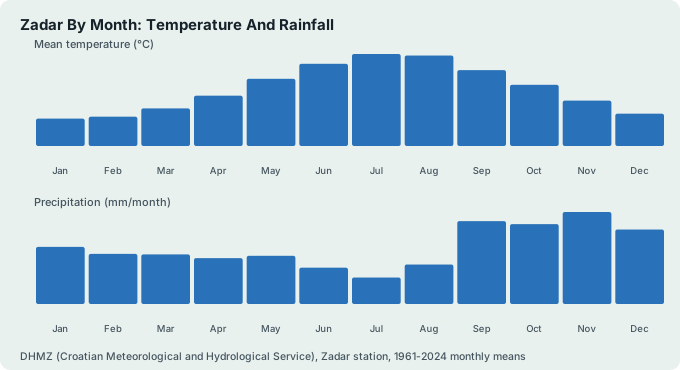
Zadar has a Mediterranean coastal climate with four distinct seasons: a warm, dry summer centered on July at a 24.5 C mean, a mild winter around 7.3 to 8.6 C, and spring and autumn acting as transitional shoulders with moderate rain. The annual rainfall total is 912.5 mm, and the city records about 2,600 hours of sunshine a year. All figures are from the Zadar station, 1961-2024, published by DHMZ.
The pattern is classic coastal Dalmatia. Rain concentrates in the cold half of the year, peaking in November, while July gets just 35.4 mm across roughly five wet days. Because the station sits right on the shore, the sea moderates both extremes: winter nights rarely fall far below the means shown here, and summer heat, while real, is broken by the maestral breeze that blows in off the water on summer afternoons. The station record is long enough, more than six decades, that single freak years do not distort the monthly means, which is what makes it a fair basis for planning rather than a snapshot of one lucky or unlucky decade.
Here is the full monthly record from the Zadar station, 1961-2024. Use it to sanity-check any packing decision or any claim about "perfect weather" you read elsewhere.
| Month | Mean temperature (C) | Rainfall (mm) | Wet days | Sunshine (hours) |
|---|---|---|---|---|
| January | 7.3 | 76.4 | 10 | 115.6 |
| February | 7.8 | 67.0 | 9 | 137.2 |
| March | 10.0 | 66.3 | 9 | 188.5 |
| April | 13.4 | 61.4 | 10 | 217.3 |
| May | 17.9 | 64.4 | 10 | 279.1 |
| June | 21.9 | 48.5 | 8 | 310.9 |
| July | 24.5 | 35.4 | 5 | 358.6 |
| August | 24.1 | 52.8 | 6 | 324.7 |
| September | 20.2 | 110.9 | 9 | 243.1 |
| October | 16.3 | 106.8 | 9 | 189.8 |
| November | 12.1 | 123.0 | 12 | 119.2 |
| December | 8.6 | 99.6 | 12 | 106.8 |
Two things jump out of that table. September's rainfall jumps to 110.9 mm from August's 52.8, which is the statistical fingerprint of the first autumn storms arriving even while daytime temperatures stay near 20 C. And the sunshine column adds up to about 2,600 hours a year, a figure this site rounds down from the computed 2,590.8 rather than up, because the often-quoted "3,000 hours" claim does not come from this station. A third detail is quieter but just as useful: no month in the record averages below 7 C, which tells you that Zadar never has a continental winter on paper, even in January.
How Hot Does Zadar Get In Summer?
Summer in Zadar is consistently warm without being extreme: July and August means are 24.5 C and 24.1 C, each month logs about ten days at or above 30 C, and the all-time station record is 39.0 C, set on 6 August 2022. Rain is scarce, with July recording only 35.4 mm over roughly five wet days. These are means from the Zadar station, 1961-2024, not a forecast for any specific week.
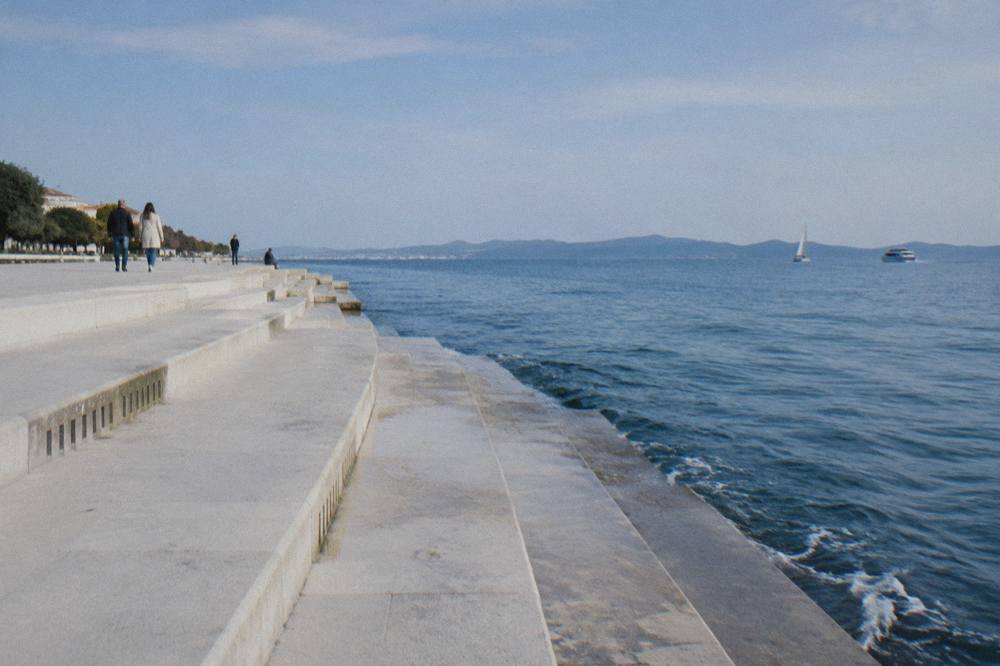
What the means hide is the daily rhythm. Summer days typically build heat through the morning, then the maestral, a steady westerly sea breeze, arrives in the afternoon and drops the felt temperature along the shore. Evenings stay warm enough that the riva, the seaside promenade, stays busy after dark, which is exactly why the Sea Organ and the Greeting to the Sun installation work as late-night draws rather than morning sights. The heat is also more manageable than the raw means suggest because humidity stays moderate in July and August, the two driest months by rainfall in the whole record.
Heat planning is simple arithmetic here. If a month averages ten days at or above 30 C, assume several such days in any July or August week and plan the middle of the day around water, shade or an air-conditioned museum. The Zadar beaches guide covers where to swim, and the island trips in the Zadar boat tours guide are the other classic heat-day answer. Early-morning sightseeing is the third pillar of a hot-week plan: the Old Town's stone streets hold their cool until late morning, and the light on the Roman Forum before the crowds arrive is at its photographic best.
Weather this reliable is exactly when an open-top sightseeing ride earns its keep, and the panoramic cabrio bus tour is built for clear days.
Which Month Has The Best Weather In Zadar?
By the station numbers, June and September are the statistical sweet spots: June averages 21.9 C with only 48.5 mm of rain, while September holds a 20.2 C mean with 243.1 sunshine hours despite 110.9 mm of rain. July and August are warmer and drier but carry about ten days each at or above 30 C. May, at 17.9 C, suits walkers who prefer cooler air. All figures are from the Zadar station, 1961-2024.
The trade-offs are real, so match the month to the trip. June buys you near-summer warmth with meaningfully fewer crowds on the ferries and park shuttle routes than August. September keeps the sea at its warmest of the year, since water releases stored heat slowly, but it is also the month the first serious rain arrives, so a September plan should have an indoor day in reserve. October at a 16.3 C mean is still pleasant for walking, with roughly nine wet days.
| Month | Mean (C) | Rain (mm) | Best for |
|---|---|---|---|
| May | 17.9 | 64.4 | Walking, hiking, fewer people |
| June | 21.9 | 48.5 | Swimming starts, dry and bright |
| July | 24.5 | 35.4 | Heat and beach days |
| August | 24.1 | 52.8 | Warm sea, peak season |
| September | 20.2 | 110.9 | Warm sea, first autumn storms |
| October | 16.3 | 106.8 | Cool-weather sightseeing |
The fuller month-by-month picture, including what stays open and what closes after summer, is in the best time to visit Zadar guide. For a first trip, the how many days in Zadar guide helps size the itinerary before you commit to a season. Combine the two and the season choice becomes a simple decision tree: pick June for dry reliability, September for warm water, October for value, and July or August only if heat and full-season energy are what you came for.
How Much Rain Does Zadar Get, And When?
Zadar records 912.5 mm of rain a year, and it is strongly seasonal: November is the wettest month at 123.0 mm over about twelve wet days, followed by December at 99.6 mm, while July is the driest at 35.4 mm over five days. Autumn is the wettest season, with September, October and November each exceeding 100 mm except September's 110.9 mm. Figures are from the Zadar station, 1961-2024, DHMZ.
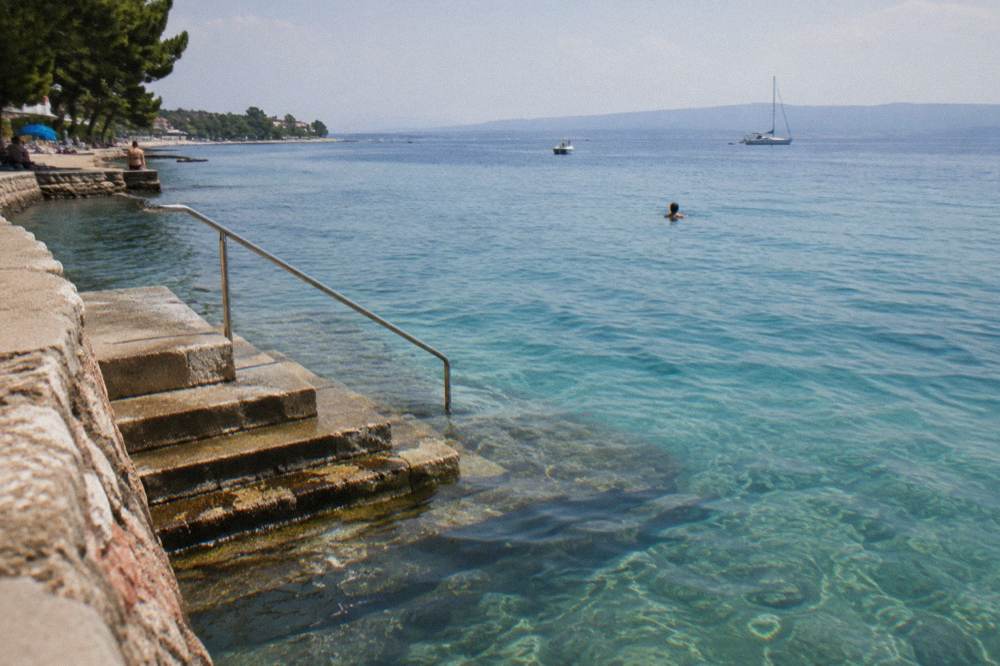
Rain here tends to arrive in short, heavy bursts rather than all-day drizzle, especially when an autumn storm cell crosses the Adriatic. A wet morning frequently clears into a bright afternoon, which is why the rain-day counts (nine to twelve a month in the wet season) overstate how many days are written off entirely. The site's Zadar rainy day itinerary guide exists precisely for those mornings.
| Season | Months | Typical rainfall pattern |
|---|---|---|
| Winter | Dec, Jan, Feb | Frequent but moderate, 67.0 to 99.6 mm a month |
| Spring | Mar, Apr, May | Steady and light, 61.4 to 66.3 mm a month |
| Summer | Jun, Jul, Aug | Sparse, 35.4 to 52.8 mm, often brief storms |
| Autumn | Sep, Oct, Nov | Heaviest of the year, 106.8 to 123.0 mm |
One planning note that follows from the table: April looks almost as wet as November on paper, but its 61.4 mm falls across ten wet days versus November's twelve, and April's rain comes in softer frontal passages. Autumn rain is convective, meaning sudden and heavy. Pack a proper shell in October and November, not a fashion raincoat.
Is The Sea Warm Enough For Swimming In Zadar?
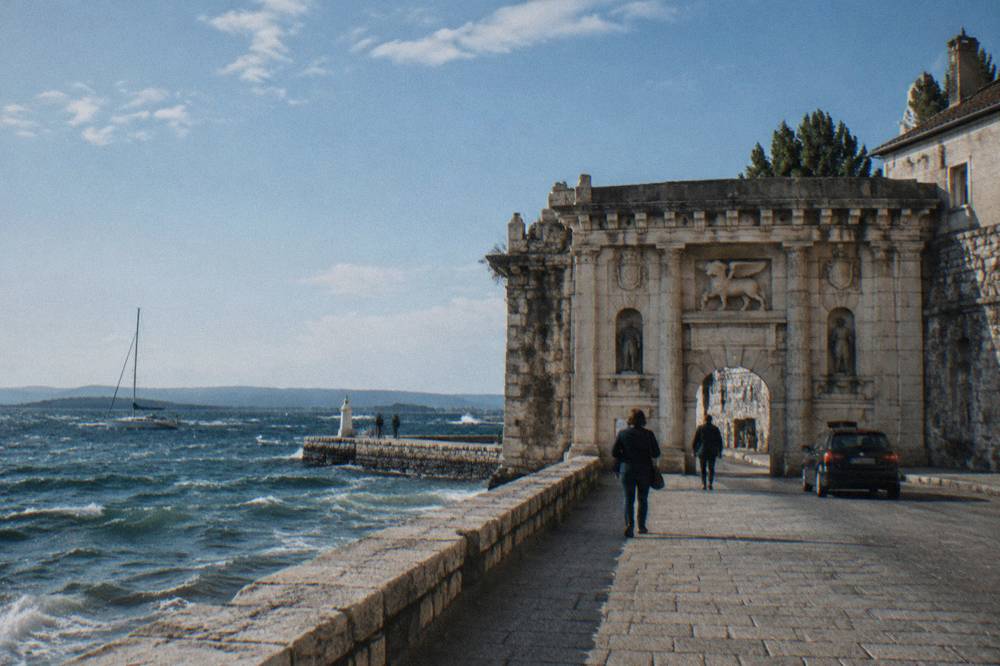
The honest answer is that no official monthly sea-temperature normal for Zadar has been published: the DHMZ publishes a live reading, which stood at 21.3 to 21.4 C at Zadar on 11 October 2026, but a monthly normal does not exist on an official page. As a general physical pattern, the Adriatic around Zadar is warmest in late summer after months of heating and coolest in late winter, and swimming comfort is a personal threshold.
That 21.3 C October reading tells you something useful anyway: the sea at Zadar in mid-autumn is still at temperatures many swimmers find comfortable, because water releases summer heat slowly while air temperatures fall fast. In spring the reverse applies, so an air temperature of 20 C in May feels very different in the water than the same air temperature does in September. The lag between air and water is the single most misunderstood part of coastal planning, and it is why May can feel warm on the riva while the sea still shocks at first entry.
This site deliberately prints no invented monthly sea-temperature table, and any site that does publish one to a decimal place is usually republishing a model estimate rather than an official measurement. For real-time conditions before a swim day, the live DHMZ marine reading is the source, and the beach-by-beach details are in the Zadar beaches guide.
What Are The Bora And Jugo Winds In Zadar?
Zadar's two named winds are the bora, a cold, dry, gusty north-easterly that blows hardest in winter and can make the waterfront feel far colder than the air temperature suggests, and the jugo, a warm, humid south-easterly that usually brings cloud and rain ahead of it. Both are general, well-documented coastal winds; the DHMZ station record on this page does not attach wind numbers to them.
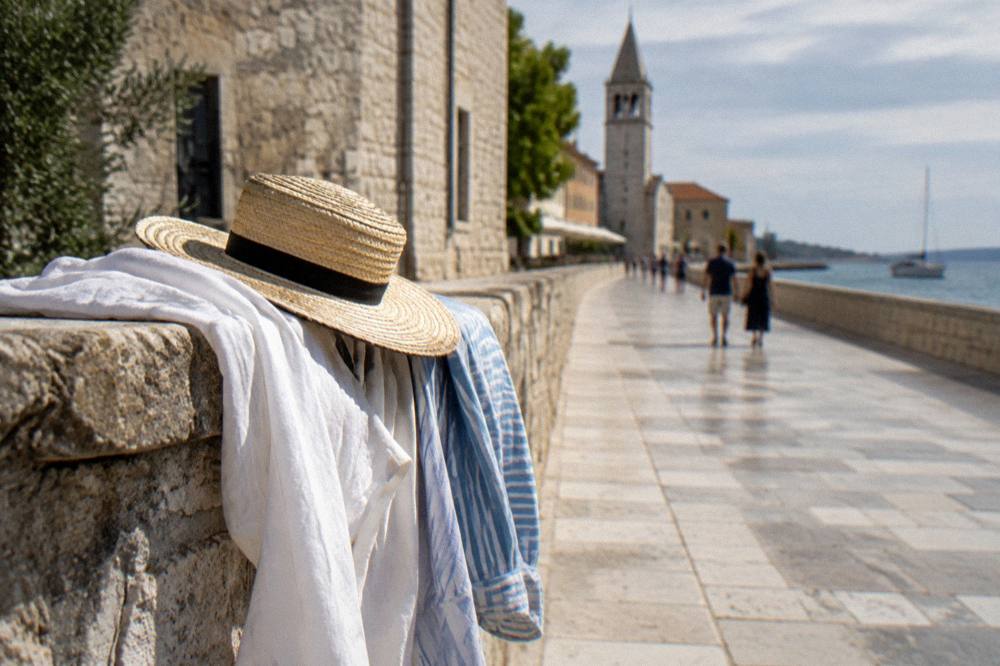
The bora is the one that surprises visitors. It funnels down from the Dinaric Alps across the coast, and on a strong bora day the sea off the promenade is whipped into white streaks while the sky above stays brilliantly clear, since the wind is dry. Ferry sailings can be affected when it blows hard, so on a gusty winter or early-spring day it is worth checking with the operator before committing to an island crossing. The bora also explains a quirk of the winter table above: a January day with an air temperature of 10 C can feel near freezing on the exposed waterfront when the gusts arrive, then feel mild again two streets inland where the buildings block it.
The jugo behaves differently: it builds over a day or two of rising cloud, then delivers the rain. Locals read the horizon for it. Neither wind is a reason to cancel a trip, but both are reasons to check the marine forecast for any boat day, and the boat-trip operators around Zadar do exactly that before departure. The Zadar boat tours guide covers what a weather hold looks like in practice.
What Is The Weather Like In Zadar In Winter?
Winter in Zadar is mild by continental standards: January, the coldest month, averages 7.3 C and December 8.6 C, with rain on roughly ten to twelve days a month and an all-time station low of -9.1 C set in January 1963. Sunshine still runs 106.8 to 137.2 hours a month, so bright, crisp days between rain fronts are a normal winter pattern rather than a lucky exception.
What winter actually looks like on the ground: the Old Town stays walkable, museums keep their indoor appeal, and the tourist flow thins to a fraction of the summer picture. The seasonal events calendar fills the gap, and Zadar Advent runs from 24 November 2026 to 2 January 2027 across three locations, including a new ice rink on the Forum, with the Zadar Christmas Run scheduled for 27 December 2026. Between the rain fronts, winter light on the Adriatic has a clarity that photographers prize, and the sunset installations on the western tip of the peninsula work in any season because they are open public spaces, free and accessible around the clock.
| Winter month | Mean (C) | Rain (mm) | Sunshine (hours) |
|---|---|---|---|
| December | 8.6 | 99.6 | 106.8 |
| January | 7.3 | 76.4 | 115.6 |
| February | 7.8 | 67.0 | 137.2 |
Cool, dry winter days are also when the inland and upland routes come into their own, since hiking terrain that is punishing in August is pleasant at a 10 C mean in March.
How Should You Pack For Zadar Weather?
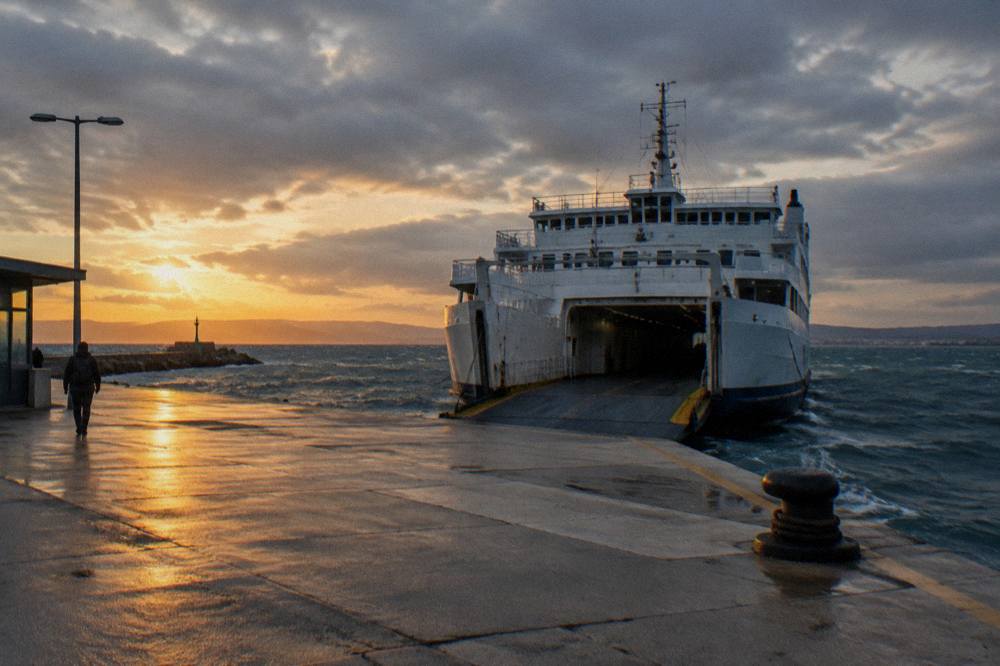
Pack for the season the station table shows, not for a generic Mediterranean stereotype: June to August calls for light clothing, sun protection and a layer for air-conditioned interiors; April, May and October need a light jacket and something rain-proof; and November to March wants a warm coat, a proper shell and closed shoes for wet stone paving. The record high of 39.0 C and the record low of -9.1 C frame the realistic extremes.
The most underrated item for any season is grip. The Old Town's stone paving, polished by centuries of feet, turns slick after rain, and the wettest months are also the coolest ones. An umbrella is less useful than a hooded layer, because the bora can render an umbrella decorative within minutes. In summer the list flips: the record high of 39.0 C means a refillable bottle and actual sun protection matter more than any clever layering, and a thin long-sleeved top earns its place for long hours on the water, where reflected sun burns people who thought the breeze was protection.
| Season | Station basis | Packing core |
|---|---|---|
| Summer (Jun-Aug) | Means 21.9 to 24.5 C, about ten days at or above 30 C | Light layers, hat, sunscreen, water bottle |
| Shoulder (Apr, May, Sep, Oct) | Means 13.4 to 20.2 C, rain up to 110.9 mm | Light jacket, rain layer, swimwear early on |
| Winter (Nov-Mar) | Means 7.3 to 12.1 C, up to 123.0 mm rain | Warm coat, waterproof shell, gripped shoes |
Shoulder-season packing is where a boat or land tour slots in neatly, since a dry May or October day is prime conditions for both.
And for the inland side of the region, the hidden-trails quad route covers terrain where dust, not rain, is the summer consideration.
Does Weather Ever Disrupt Day Trips From Zadar?
Yes, mainly through wind rather than rain: strong bora or jugo days can affect ferry and boat-trip operations to the islands, while heavy autumn rain can make gorge and river trips less appealing even when they run. The park day trips by road, to Krka, Plitvice and Paklenica, are far less weather-sensitive, since the bus or drive proceeds in almost any condition and only the on-foot experience changes.
The practical rule is to sequence your trip with the forecast rather than against it. Keep the flexible items, island crossings and small-boat tours, in the middle of your stay so a windy day can be swapped with a museum or Old Town day, and lock the road-based park trips in first. The Zadar day trips guide lays out the full menu, and the Zadar tours guide covers what operators do when weather moves. Operators on the water make the call day by day, which is one reason flexible cancellation matters when booking anything sea-dependent in the shoulder seasons.
Seasonal pricing adds a weather angle worth knowing: both Krka and Plitvice dropped to their winter-shoulder rates on 1 October 2026, so an October visit can pair a 16.3 C mean with lower entry fees and thinner crowds, accepting a higher chance of a wet day in exchange. That trade, warm-enough air, cheaper parks, more rain, is the single most useful calculation this station record supports.
Common Questions About Zadar Weather
What Is The Weather Like In Zadar Through The Year?
Zadar has a Mediterranean coastal climate. The mean temperature runs from 7.3 C in January to 24.5 C in July, annual rainfall is 912.5 mm concentrated in the cold half of the year, and sunshine totals about 2,600 hours a year, all per the Zadar station, 1961-2024, DHMZ.
How Hot Does Zadar Get In Summer?
July and August average 24.5 C and 24.1 C, each with about ten days at or above 30 C. The station record high is 39.0 C, set on 6 August 2022.
What Is The Wettest Month In Zadar?
November, with 123.0 mm of rain across about twelve wet days, per the Zadar station, 1961-2024. July is the driest at 35.4 mm.
Is The Sea Warm In Zadar?
There is no official monthly sea-temperature normal for Zadar; the DHMZ publishes a live reading, which was 21.3 to 21.4 C at Zadar on 11 October 2026. As a pattern, the sea is warmest in late summer and coolest in late winter.
When Is The Best Weather For A Trip To Zadar?
By station means, June (21.9 C, 48.5 mm of rain) and September (20.2 C, warm sea) are the statistical sweet spots. July and August are warmer and drier but carry more heat days.
Does It Snow In Zadar?
Snow is rare at this coastal station, and the all-time record low is -9.1 C from January 1963. Winter means sit between 7.3 and 8.6 C, so winter precipitation usually falls as rain.
Whatever the month, the station record is the same one this Zadar Croatia Travel Guide uses across every seasonal page, so the numbers here and in the month-by-month guides will always agree.
