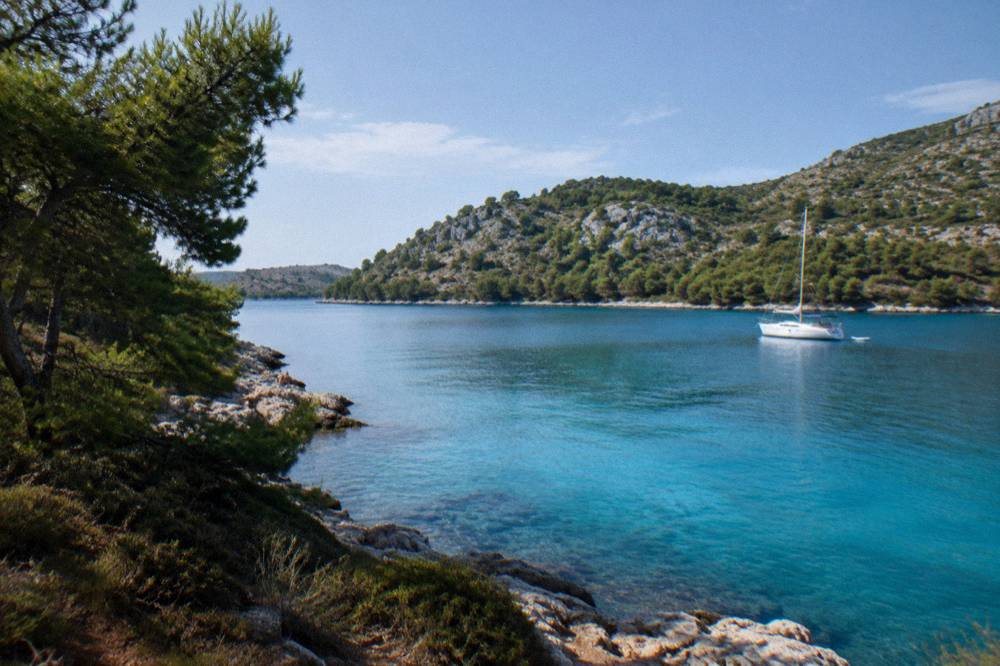
Telascica Nature Park
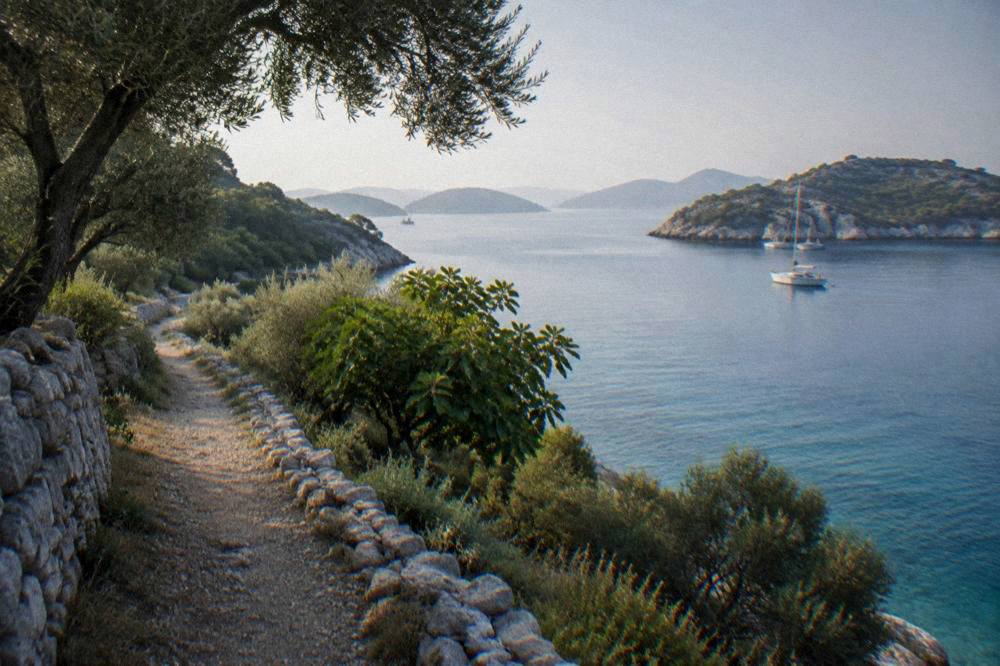
Telascica Nature Park sits at the southern end of Dugi Otok, the long island reachable by ferry from Zadar, and it holds a salt lake, some of the tallest cliffs on the Adriatic, and the gateway to the Kornati islands.
Short answer
Telascica Nature Park is a protected area on the south-eastern tip of Dugi Otok, about a ferry crossing from Zadar. Entry at the Dolac land entrance is 6 euro from January to May and October to December, and 8 euro from June to September. Boat visitors from Sali pay on arrival, and the park is usually combined with the Kornati islands on a full-day boat trip.
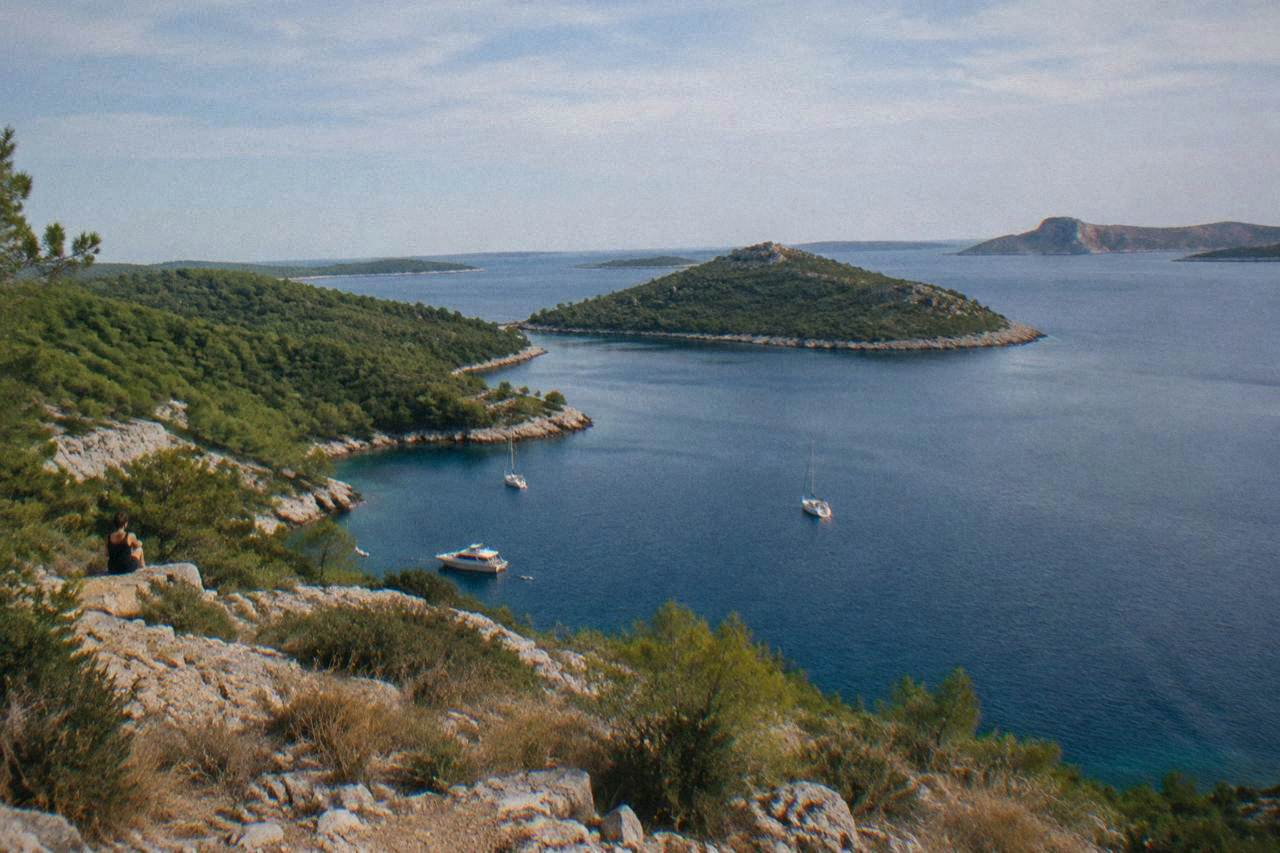
Telascica Nature Park is a protected bay-and-cliff landscape on the south-eastern tip of Dugi Otok, the long island that sits offshore from Zadar, a coastal city in Dalmatia, Croatia. The park wraps a deep, narrow inlet dotted with islets, holds the salt lake known as Mir, and ends in cliffs that drop sheer into the open Adriatic on the side facing the Kornati archipelago. This page sets out what the park's own price list and the local transport operators publish: the entry fees, how the crossing from Zadar works, what there is to see once you are inside, and how a Telascica day compares with the other island and park trips that start from the city. The Zadar Croatia Travel Guide desk reports only what the sources state, and flags every figure that is not confirmed.
What Is Telascica Nature Park And Where Is It?
Telascica Nature Park is a protected area on the south-eastern end of Dugi Otok, the island that lies offshore from Zadar in Dalmatia, Croatia. The park covers the deep inlet of Telašćica with its islets, the salt lake Mir, and cliffs that face the Kornati archipelago across a narrow strait. It was designated a nature park, a category below national park, and its land entrance at Dolac is reached by road from Sali, the main village on the island.
The shape of the park is the reason it exists. Telašćica is a fjord-like bay, roughly a drowned river valley, that cuts several kilometres into Dugi Otok and breaks into three arms, each lined with small islets and quiet anchorages. Sailing guides describe it as one of the safest natural harbours on the Adriatic, which is why boats have sheltered here for centuries and why the bay still fills with yachts in summer. The park's own materials list the islets, the underwater life around them, and the Mediterranean vegetation as the core of what is protected.
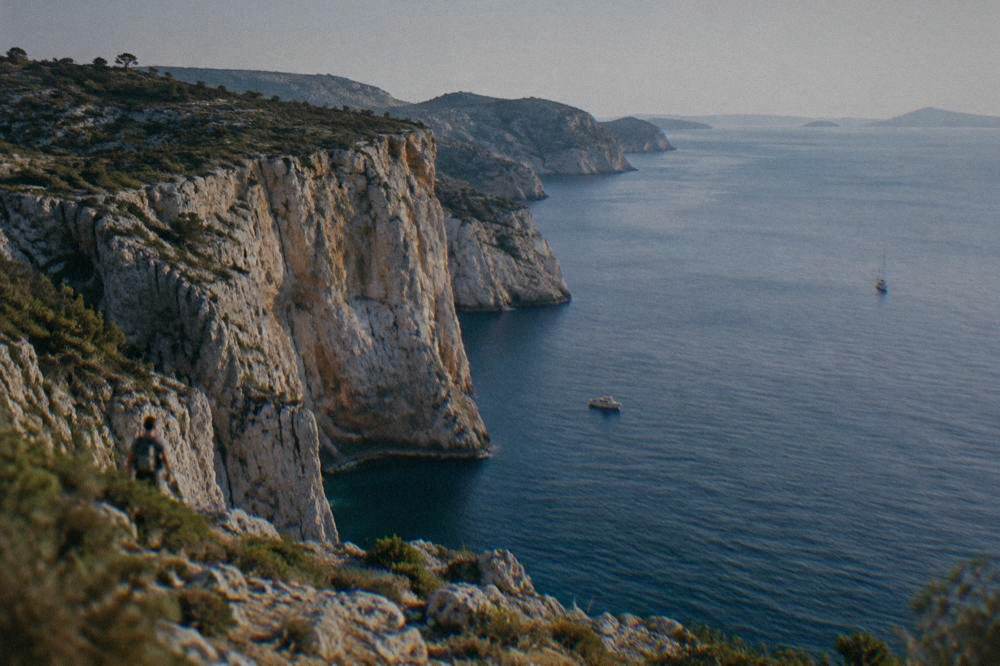
On the open-sea side the island ends abruptly. The cliffs on the western edge of the park rise above the water and drop vertically into the sea, and the park's published materials treat them as one of the defining features of the visit. Below the cliffs at their base lies the salt lake Mir, separated from the sea by a narrow belt of land. The lake is the park's second signature sight, and its water is saltier than the sea around it, which the park attributes to seepage through the porous barrier.
The third piece of the picture is the neighbouring archipelago. The strait between Dugi Otok and Kornati is narrow enough that the two protected areas function as a single day out by boat. That is why the combined Telascica and Kornati trip is one of the standard full-day excursions sold from Zadar, and why this page treats the Kornati question as part of the planning rather than a separate topic. The Kornati islands guide on this site covers the archipelago side in detail, and the Dugi Otok guide covers the island itself, including the ferry logistics.
How Much Does Telascica Nature Park Cost To Enter?
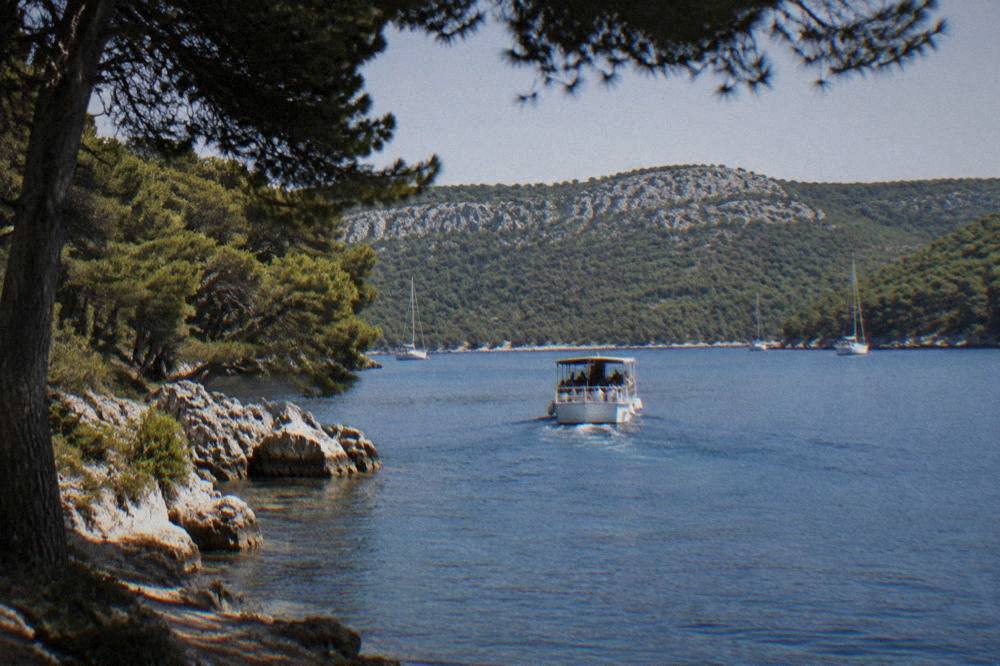
Entry to Telascica Nature Park at the Dolac land entrance is 6 euro per adult from January to May and from October to December, and 8 euro per adult from June to September, on the park's 2026 price list. Visitors arriving by boat from Sali pay at the park's offices rather than at a gate, and the fee structure for vessels is separate. The park's own price page is the source for both figures, and it should be checked before any trip because seasonal boundaries can shift between years.
The two-tier structure mirrors the season pattern used across the Croatian parks. The summer months, June to September, carry the higher rate, and the rest of the year the lower one. The park's published price list gives the Dolac land entrance as the place where the individual fee is charged, Dolac being the settlement on the shore of the bay where the road from Sali arrives.
For context, here is how the other protected areas reachable from Zadar price a one-day adult entry, each figure taken from that park's own 2026 list:
| Park | Winter / shoulder fee | Summer fee | Source basis |
|---|---|---|---|
| Telascica Nature Park | 6 euro (Jan-May, Oct-Dec) | 8 euro (Jun-Sep) | Park price list, Dolac land entrance |
| Kornati National Park | 25 euro per vessel up to 6.99 m (Jan-May, Oct-Dec) | 45 euro per vessel up to 6.99 m (Jun-Sep) | Park price list, charged per boat, bought outside the park |
| Paklenica National Park | 5 euro (Jan, Feb, Nov, Dec), 8 euro (Mar, Apr, Oct) | 10 euro (May-Sep) | Park 2026 price list |
| Vransko jezero Nature Park | 6 euro adult, 3 euro child 7-18, 15 euro family | same, year-round | Park price list |
The Kornati row needs a note, because it trips up a lot of planners. Kornati charges per vessel, by boat length and season, and the ticket is bought outside the park, not at an entrance gate. A boat up to 6.99 metres pays 25 euro for one day in the low season and 45 euro in summer; a boat of 7 to 10.99 metres pays 30 or 65; a boat of 11 to 17.99 metres pays 50 or 95. If you are sailing yourself, that fee is yours to pay before you enter the archipelago. If you are a passenger on an organised boat trip from Zadar, the operator handles the park logistics, and the listing states whether the fee is included in the ticket price. The pre-booking question for Krka is covered separately on this site, and the same general logic, buy ahead in peak weeks, applies to the Kornati and Telascica boat trips.
For travellers who prefer a guided day, the operator's listing is the place where price, rating and what is included are stated, and this site never types those figures.
The first of those is the trip this site features for the Telascica route, and it links the two protected areas in a single day from Zadar. The second is a city option for a lighter day, and the third covers the waterfalls alternative inland. Each listing states its own price, rating and inclusions, and those figures are printed by the listing itself rather than by this page.
How Do You Get To Telascica From Zadar?
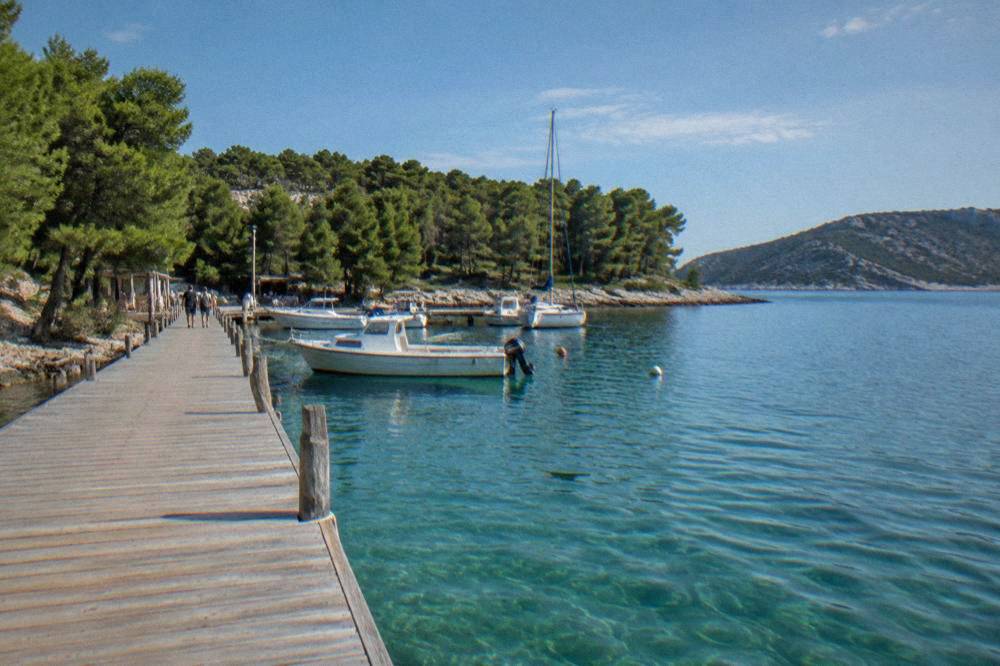
There is no direct ferry from Zadar to the park itself: the standard route is the Jadrolinija car ferry from Zadar's Gaženica port to Brbinj on Dugi Otok, a crossing of about 1 hour 40 minutes on line 434, followed by the island road south to Sali and on to Dolac at the head of the bay. Organised boat trips from Zadar reach the park by sea in one day, and private boats sail from Sali, the island's main village, on the bay's northern shore.
The ferry is the backbone of independent travel to Dugi Otok. Brbinj sits in the north of the island, so the drive from the ferry ramp to Sali and then to the park's Dolac entrance crosses a good stretch of Dugi Otok.
The second route is by sea, and for a day trip it is usually the more practical one. Organised excursions leave from Zadar's waterfront, cross to the southern end of Dugi Otok, and enter the bay directly, which avoids the ferry-and-drive combination entirely. The featured trip on this page, Check availability on the operator's live listing, runs the combined Telascica and Kornati circuit from the city, and the listing states what the ticket covers, including lunch and any park fees.
The third route is by private or chartered boat from Sali. Sali is the administrative centre of Dugi Otok and sits at the northern mouth of the bay, so it functions as the local gateway for anyone already on the island. The park's price page describes the boat-based access from Sali, and the same page is where mooring and visit fees are set out.
A summary of the three access routes:
| Route | Operator or mode | Key figure from the sources | Notes |
|---|---|---|---|
| Zadar Gaženica to Brbinj (Dugi Otok) | Jadrolinija car ferry, line 434 | About 1 h 40 min crossing | Ferry fare not published in this site's sources; confirm with Jadrolinija |
| Zadar waterfront to the park by sea | Organised excursion boat | Full-day circuit, Telascica and Kornati combined | Listing states price, inclusions and duration |
| Sali to the park | Local boat or short sail | Dolac land entrance, 6 or 8 euro by season | Park price page is the source |
One planning note on the ferry port itself: Gaženica is the port Zadar uses for its vehicle ferries, and it sits a few kilometres from the Old Town. The airport parking question is answered elsewhere on this site, but the same principle applies to the port: arrive with time to park, because summer sailings fill and the ramp closes on schedule.
What Are The Cliffs, Lake Mir And The Donji Mir Of Telascica?
The three signature sights inside Telascica Nature Park are the vertical cliffs on the open-sea side of Dugi Otok, the salt lake Mir that sits in a depression behind them, and the sheltered inner bay with its islets and anchorages. The park's own materials present the cliffs, the lake and the bay as the core visit, and the Dolac area on the lake's shore is where the land entrance and the walking routes concentrate.
Start with the cliffs. On the western edge of the park, facing the open sea and the Kornati strait, the island ends in rock walls that drop straight into the water. The park's published description treats the cliff face as one of the defining sights, and the viewpoint above it is a standard stop on the walking routes from the Dolac side. What the sources do establish is the visual logic of the place, the same cliff line that shelters the bay from the open sea is the edge the Kornati islands sit beyond, so the view from the top spans both protected areas at once.
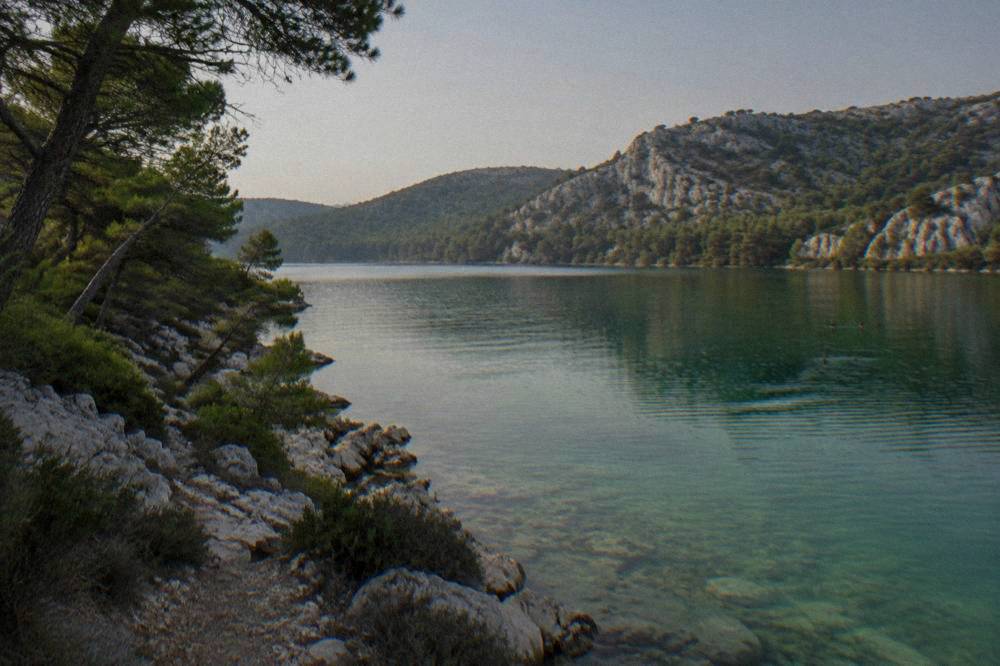
Lake Mir is the second stop. The lake lies in a shallow depression behind the cliff line, separated from the sea by a low, porous belt of land. Its water is saltier than the surrounding sea, which the park attributes to seawater seeping through the barrier and to evaporation concentrating the salt. As with the sea-temperature question for Zadar itself, this site prints no monthly water-temperature normal, because no official source publishes one: only live readings exist.
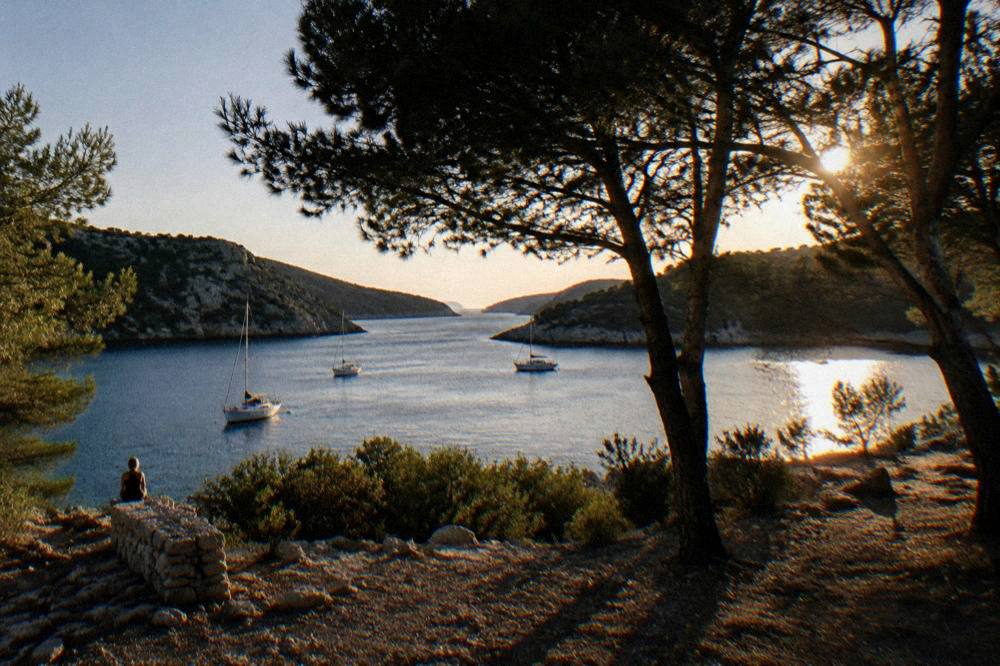
The inner bay is the third piece. Telašćica's three arms hold small islets, mooring fields and quiet coves, and the park's materials list the islets and their vegetation as part of what is protected. For a boat visitor, the bay is the experience: entering under sail or by excursion boat, passing the islets, and mooring or anchoring in one of the coves. The park's price page sets out the mooring arrangements and fees, and anyone sailing in should read it before arrival.
Can You Swim, Hike Or Stay Overnight In Telascica?
Yes, all three are possible inside Telascica Nature Park, with conditions. Swimming happens at Lake Mir and in designated sea spots, hiking follows the marked paths around the lake, the cliffs and the bay shore, and overnight stays are possible in and around Sali and in the park's own accommodation offer, which the park's price page details.
Swimming is the most regulated of the three. The lake is the classic swim stop on a Telascica day, and the excursion boats that include the park typically schedule time for it. A comparison worth making here is with Krka National Park, where swimming at Skradinski Buk has been banned since 2021 to protect the travertine, and swimming is allowed only at designated spots such as Roški slap, Stinice and Pisak from 1 June to 30 September: the Krka guide on this site covers that rule in full, and it shows how seriously the Croatian parks take their swimming zones.
Hiking at Telascica is low-key rather than alpine. The paths connect the Dolac entrance, the lake shore, the cliff viewpoint and the bay's coves, and the park's visitor information sets out the marked routes. For a serious hiking day from Zadar, the comparison is Paklenica National Park on the Velebit coast, whose canyon routes are the region's real walking destination; its entry is 5 euro in the winter months, 8 euro in shoulder season and 10 euro from May to September, on its own 2026 list.
Overnight options divide into two. Inside the park, the park's own price page lists accommodation and mooring services, and that page is the record for what exists and what it costs. The tourist tax applies to stays in the area, is collected by the accommodation, and its amount is confirmed at booking, which is how this site handles the topic everywhere.
For travellers who want the day handled end to end, the operator's listing is again the practical route:
The listing states the price, the rating, the review count and exactly what the day includes, and this page types none of those figures. What can be said in prose is the shape of the product: a full-day boat circuit from Zadar that covers both the Kornati archipelago and the Telascica bay, with lunch served on board.
Telascica Or Kornati: Which Day Trip From Zadar?
Telascica and Kornati are two halves of the same stretch of sea, and the honest answer is that the standard organised day from Zadar does both, crossing the strait between the Dugi Otok cliffs and the Kornati archipelago in one circuit. Telascica is the sheltered, swimmable half, with the lake and the bay; Kornati is the open-water, scenic half, an archipelago of bare islands with no sheltered swim stop of the same kind.
The choice only really exists for independent travellers, and for them Telascica is the easier day by ferry and road, while Kornati requires a boat.
The geography makes the pairing natural. The strait between the southern tip of Dugi Otok and the northern end of Kornati is narrow, and a boat leaving Zadar's waterfront can reach both in a single day without rushing. That is why the combined trip is the dominant product on this route, and why the featured listing on this page runs both parks.
| Question | Telascica Nature Park | Kornati National Park |
|---|---|---|
| What kind of park | Nature park, bay, lake and cliffs on Dugi Otok | National park, archipelago of about 89 islands and reefs |
| Entry basis | Per person at the Dolac land entrance, or via boat services from Sali | Per vessel, by length and season, bought outside the park |
| Adult fee, 2026 | 6 euro low season, 8 euro June to September | 25 to 95 euro per vessel per day depending on length and season |
| Signature sight | Lake Mir and the cliffs above the open sea | The bare island landscape and the open-water crossing |
| Swimming | Lake Mir and designated sea spots | Limited by the open water and the park's rules |
| Reachable without a boat | Yes, via the Dugi Otok ferry and the island road to Sali and Dolac | No, boat access only |
The fee difference matters. Telascica charges a per-person entry, so a family or a group pays a predictable amount. Kornati charges per vessel, so the cost scales with the boat, not the headcount, and a passenger on an organised trip never sees that fee itemised: the operator absorbs or includes it, and the listing says which. For a sailor planning an independent Kornati day, the vessel fee is the real cost line, and it is bought before entering the park.
If the day's priority is swimming, shelter and a walk, Telascica is the better fit, and the ferry-plus-road route makes it possible without booking a boat. If the priority is the sea crossing itself, the island silhouettes and the open Adriatic, Kornati is the draw, and the only realistic way in is by boat, either your own or an organised one. And if the day has room for both, the combined circuit from Zadar is the product built for exactly that.
When Is The Best Time To Visit Telascica From Zadar?
July and August bring the warmest weather and the fullest boats, and the winter months are possible in principle but the excursion offer thins out and the park's summer facilities close.****
The climate record backs the window. The Zadar station, 1961-2024, published by the Croatian meteorological service, gives a July mean of 24.5 C and an August mean of 24.1 C, with June at 21.9 C and September at 20.2 C, so the four months from June to September are the warm stretch. Rainfall tells the same story in reverse: July is the driest month at 35.4 mm and June follows at 48.5 mm, while November is the wettest at 123 mm and October carries 106.8 mm.
| Month | Mean temperature (Zadar station, 1961-2024) | Rainfall (mm) | What it means for a Telascica day |
|---|---|---|---|
| May | 17.9 C | 64.4 | Shoulder season, excursions running, park at 6 euro |
| June | 21.9 C | 48.5 | Warm and dry, park fee steps up to 8 euro |
| July | 24.5 C | 35.4 | Driest month, fullest boats and moorings |
| August | 24.1 C | 52.8 | Peak season, book the boat trip ahead |
| September | 20.2 C | 110.9 | Still warm, crowds thin, park still at 8 euro |
| October | 16.3 C | 106.8 | Excursion season winds down, park back to 6 euro |
Two seasonal notes from the wider region apply to the planning. First, the price step: Telascica's own list moves from 6 to 8 euro in June and back in October, so a shoulder-season day is also the cheaper one, and the same pattern holds at Paklenica and the other mainland parks. Second, the wind. The bora, a cold, dry north-easterly, blows hardest in the winter months, and sailing references treat it as the region's defining winter wind; it matters less for a motor-boat excursion than for a sailing trip, but it is the reason the winter sea crossing to Dugi Otok is a different proposition from the summer one.
For the city days around the trip, the calendar matters too. Zadar Advent runs from 24 November 2026 to 2 January 2027, with a new ice rink on the Forum among its three locations, so a winter visit to the region is a city visit rather than an island one. The main things-to-do page for Zadar carries the year-round picture.
What Should You Bring And Know Before A Telascica Day?
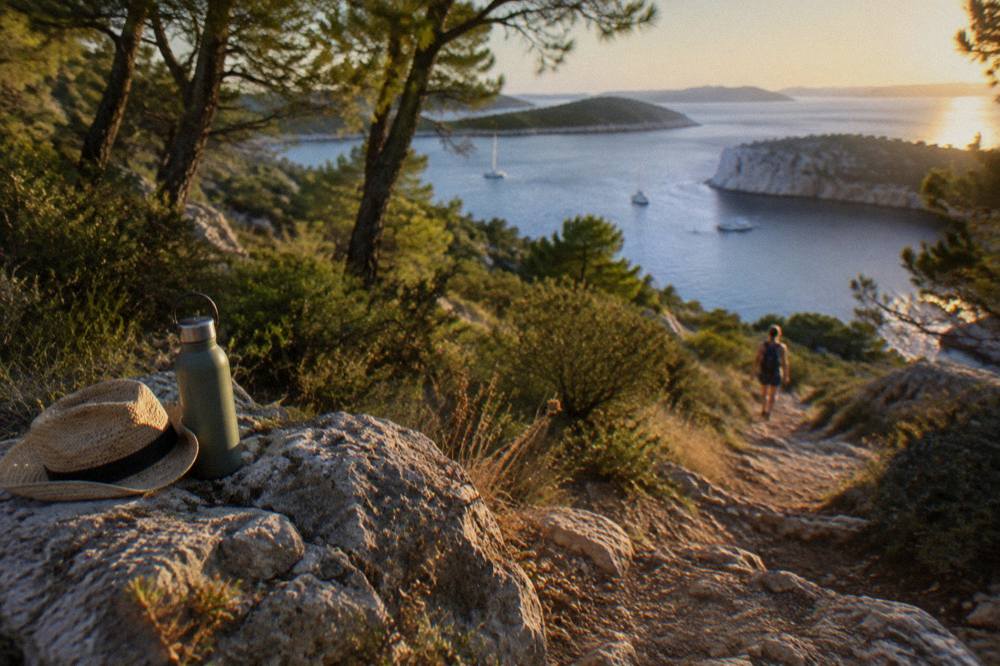
A Telascica day needs sun protection, water, swimwear for the lake stop and shoes that handle rocky shorelines, because the park's terrain is limestone and the shade inside the bay is limited. The practical knowledge items are three: the park fee is paid per person at Dolac or via the boat services, the excursion listings state whether lunch and park fees are included, and the emergency number in Croatia is 112.
Nothing inside the bay is far from help, but mobile coverage and facilities thin out away from Sali and Dolac.
The packing logic follows the landscape. The cliffs and the lake shore are exposed rock, the marked paths offer little cover, and the summer means from the Zadar station record, 24.5 C in July, describe air temperature rather than what the midday sun feels like on limestone. Water shoes earn their place at the lake, whose shore is rocky rather than sandy. For anyone sailing in, the park's mooring arrangements are on its price page, and the bay's islets mean anchoring is regulated rather than free-for-all.
The knowledge items are mostly about money and logistics. Croatia uses the euro, since 1 January 2023, and it is a Schengen member, so there is no border formalities question on the crossing. The tourist tax applies if you stay overnight anywhere in the area, is collected by the accommodation, and its amount is confirmed at booking. The park's own price page is the record for every fee inside the park, and the excursion listing is the record for everything the boat day includes.
Common Questions About Telascica Nature Park
How much does it cost to enter Telascica Nature Park?
The park's 2026 price list gives 6 euro per adult at the Dolac land entrance from January to May and from October to December, and 8 euro from June to September. Boat visitors arriving from Sali pay through the park's boat services, which the park's own price page sets out. Check that page before travelling, because the list is updated each year.
How do you get to Telascica from Zadar without a boat tour?
Take the Jadrolinija car ferry from Zadar's Gaženica port to Brbinj on Dugi Otok, a crossing of about 1 hour 40 minutes on line 434, then drive the island road south to Sali and on to the Dolac entrance at the head of the bay. The ferry fare is not published in this site's sources, so confirm it with Jadrolinija at booking.
Can you swim in Lake Mir?
Yes, Lake Mir is the classic swim stop on a Telascica day, and the excursion boats that include the park typically schedule time for it. The park sets the rules on where swimming is permitted on the sea side, and its own visitor information is the record for those zones.
Is Telascica the same as Kornati?
No. Telascica is a nature park on the southern end of Dugi Otok, covering a sheltered bay, a salt lake and cliffs. Kornati is a national park covering the archipelago across the strait. The two sit side by side, and the standard organised day trip from Zadar combines both, but they are separate protected areas with separate fee systems.
Can you stay overnight inside Telascica Nature Park?
Yes, the park's price page lists accommodation and mooring services inside the park, and apartments and rooms exist in Sali and the settlements along the bay. This site prints no nightly rate, because none is verified in its sources; prices are confirmed at booking, along with the tourist tax, which the accommodation collects.
The short version of this whole page: Telascica is the sheltered half of the finest stretch of protected sea on the Dalmatian coast, it is reachable from Zadar by ferry and road or by a single organised boat day, and its 6 and 8 euro entry makes it one of the cheaper park visits in the region. Read the park's price page and the operator's listing before you go, and the rest of the day takes care of itself.