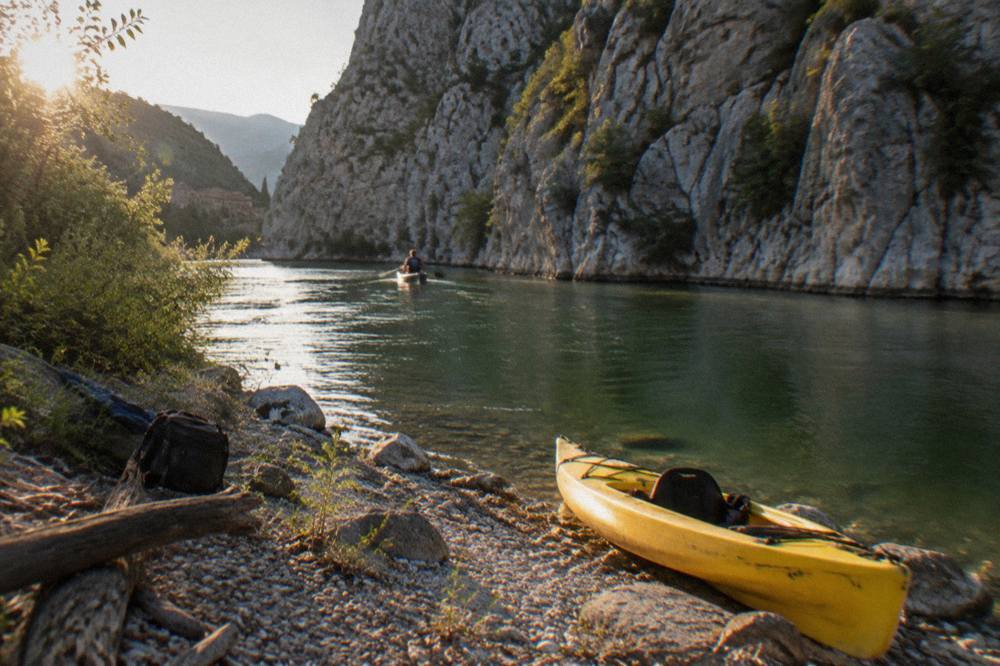
Paklenica National Park Day Trip From Zadar
Paklenica National Park sits on the Velebit mountain range 46.8 km from Zadar Old Town, with adult entry of 5, 8 or 10 euro depending on the month. Here is what the park's own price list states, and how to plan the day trip from the Zadar coast.
Short answer
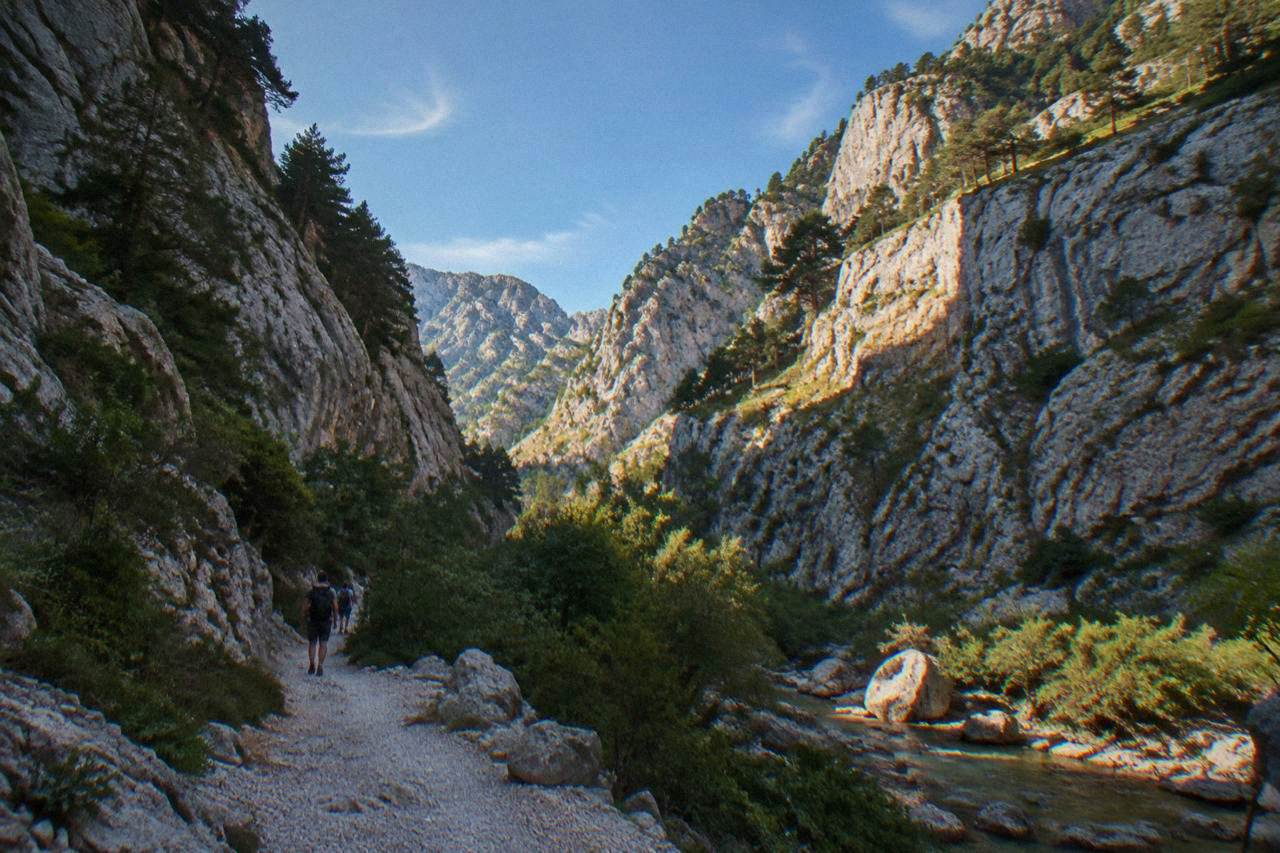
Paklenica National Park is a Dalmatian park with adult entry of 5, 8 or 10 euro by season, 46.8 km and about 57 minutes by car from Zadar Old Town, famous for its canyons and climbing walls rather than water or islands.
Paklenica National Park is the mountain day trip that Zadar does better than Split or Dubrovnik: the park sits on the southern slopes of the Velebit range, directly above the seaside village of Starigrad, and the drive from Zadar Old Town measures 46.8 km and about 57 minutes on the coastal road. Croatia adopted the euro on 1 January 2023, so every figure below is in euro, and every park price comes from the park's own published price list rather than from a booking page. This guide lays out what the official tariff states, what the park actually covers, and how a Paklenica day fits alongside the other national park trips from Zadar.
Where Is Paklenica National Park And How Far Is It From Zadar?
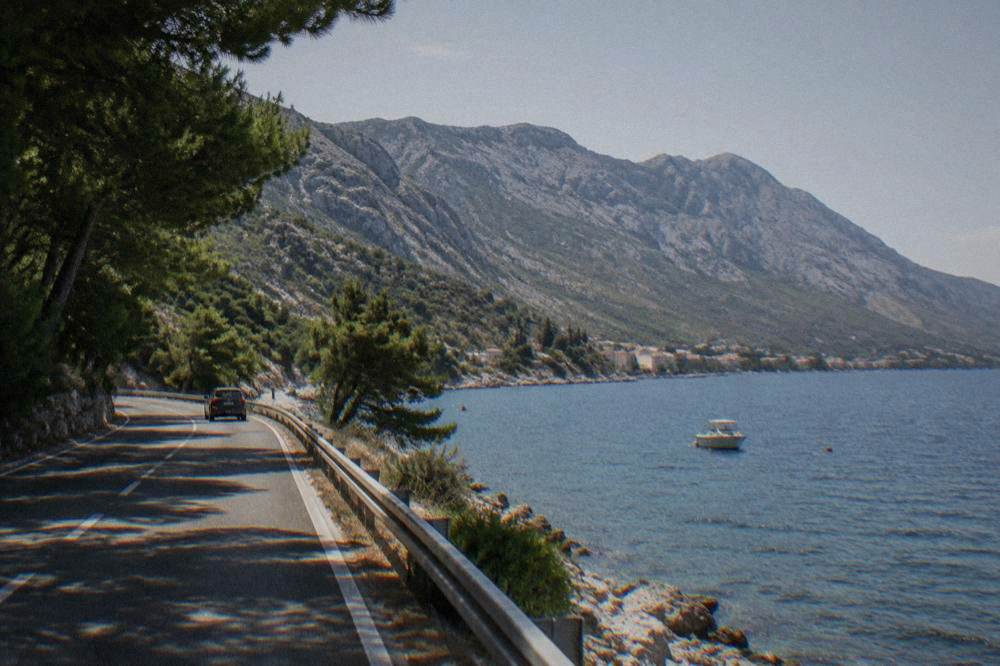
Paklenica National Park lies on the southern edge of the Velebit mountain range in Dalmatia, and the computed driving figure from Zadar Old Town to the park is 46.8 km and about 57 minutes. The park sits directly behind the coastal village of Starigrad, so the route from Zadar runs down the Adriatic coast the whole way. The Velebit massif is the long mountain wall that separates inland Croatia from the coast, and Paklenica protects its most dramatic canyons.
The computed distances below come from route modelling between Zadar Old Town and each destination, and they are the figures this site uses for planning. The pattern is simple: everything south of Zadar on the coast is within a morning's drive, and Paklenica is the closest of the big parks.
| Destination from Zadar Old Town | Distance | Driving time |
|---|---|---|
| Paklenica National Park (Starigrad) | 46.8 km | 57 min |
| Nin | 19.8 km | 28 min |
| Biograd na moru | 29.5 km | 39 min |
| Pag Town | 54 km | 62 min |
| Skradin (Krka gateway) | 76 km | 62 min |
| Krka, Skradinski Buk | 91 km | 73 min |
| Šibenik | 89 km | 71 min |
| Plitvice Lakes | 145 km | 153 min |
Two things follow from the table. First, Paklenica is comfortably the nearest major park to Zadar, closer than Krka and far closer than Plitvice. Second, it is a genuinely different landscape: where Krka National Park is rivers and waterfalls and the Kornati islands are sea and stone, Paklenica is vertical limestone, beech forest and canyon floors. The three parks make a natural trio for a longer stay, and the page on how many days to spend in Zadar covers how to sequence them.
What Does Paklenica National Park Cost To Enter?
The park's own price list states that a one-day adult ticket costs 5 euro in January, February, November and December, 8 euro in March, April and October, and 10 euro from May to September. Children aged 7 to 18 pay 2.50, 4 or 5 euro across the same three seasonal bands. Multi-day passes and vehicle vignettes are also sold, scaled in the same way, and the tariff is per person, not per vehicle.
| Period | Adult one-day | Child 7 to 18 |
|---|---|---|
| January, February, November, December | 5 EUR | 2.50 EUR |
| March, April, October | 8 EUR | 4 EUR |
| May to September | 10 EUR | 5 EUR |
Source: the park's official English-language price list PDF, the same document that sets the climbing and vehicle fees. Two planning notes matter. The summer price of 10 euro is still the lowest headline entry of any of the big Dalmatian parks, which is one reason Paklenica works well as a repeat trip. And the seasonal bands reward shoulder-season travel: the same day in May costs 10 euro, in April 8 euro, and in March 8 euro, with cooler air on the climbs.
Because the entry is cheap and the drive is short, Paklenica is the park visitors usually do themselves. The guided product from Zadar is stronger for the two far parks, Plitvice and Kornati, where tickets, timing and logistics carry more weight. That is the gap the picks below fill.
If a mountain day sounds better than a boat day, keep reading: the sections below cover the seasons, the approach road and what the park itself contains.
What Is There To See And Do Inside Paklenica National Park?
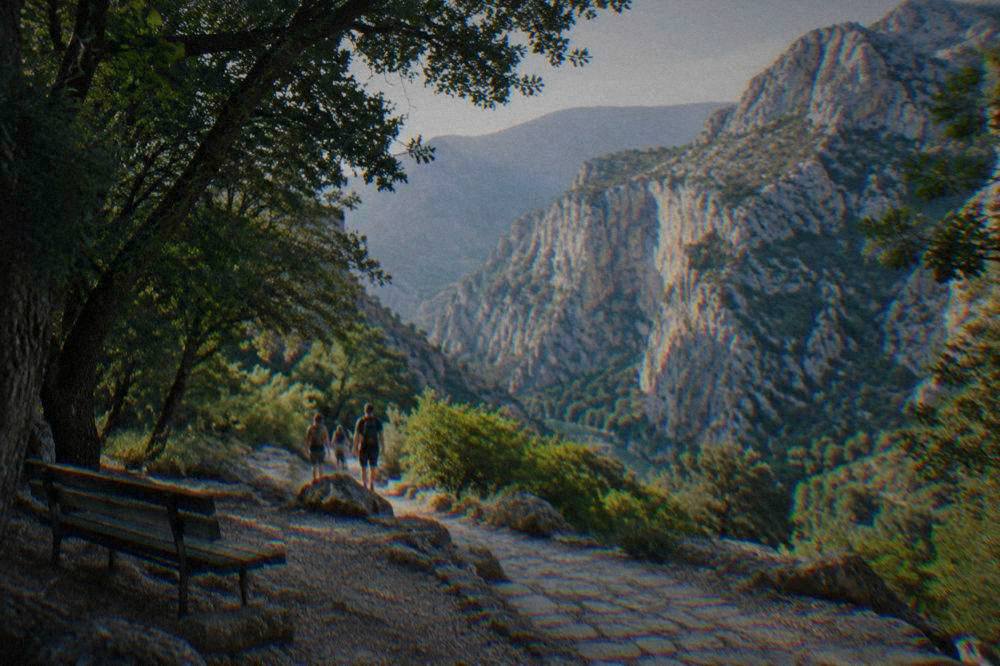
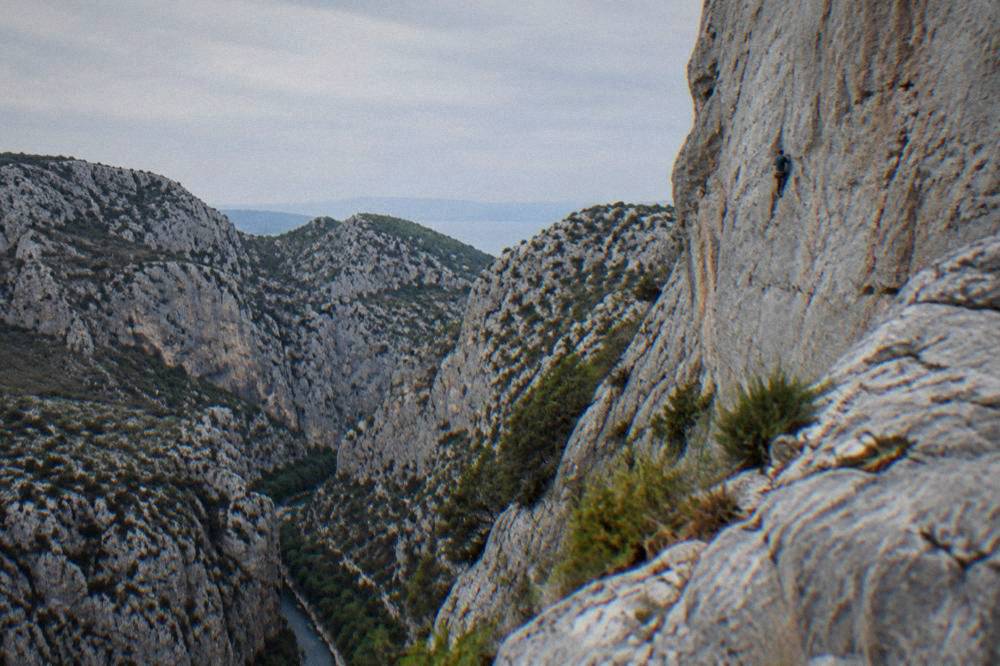
Paklenica's core is its two canyons, Velika Paklenica and Mala Paklenica, which cut through the southern Velebit limestone, and the park is built around hiking trails, rock climbing on the canyon walls, and forested paths on the canyon floor. It is a listed national park of Croatia, managed as a protected area of the Velebit massif, with visitor infrastructure concentrated at the Starigrad entrance. No waterfall, lake or island sits inside it, which separates it from Krka, Plitvice and Kornati.
The contrast with Zadar itself is stark. The city's celebrated installations, the Sea Organ and the Greeting to the Sun, sit at sea level on the Riva; Paklenica lifts you from that same shoreline into mountains within the hour. The name of the greater range, Velebit, is the mountain wall visible from the Zadar archipelago on clear days, and the northern section of it carries its own entry fee of 7 euro for one day or 15 euro for three on the Northern Velebit park's own price list.
Trail grades, climb counts and walking times for Paklenica are best taken from the park's own site, and conditions on the walls change with the season. What can be stated is structural: the canyons, the climbing tradition, the beech forest and the Starigrad access point are the fixed features of the park, and everything else can be checked at the entrance.
When Is The Best Season To Visit Paklenica From Zadar?
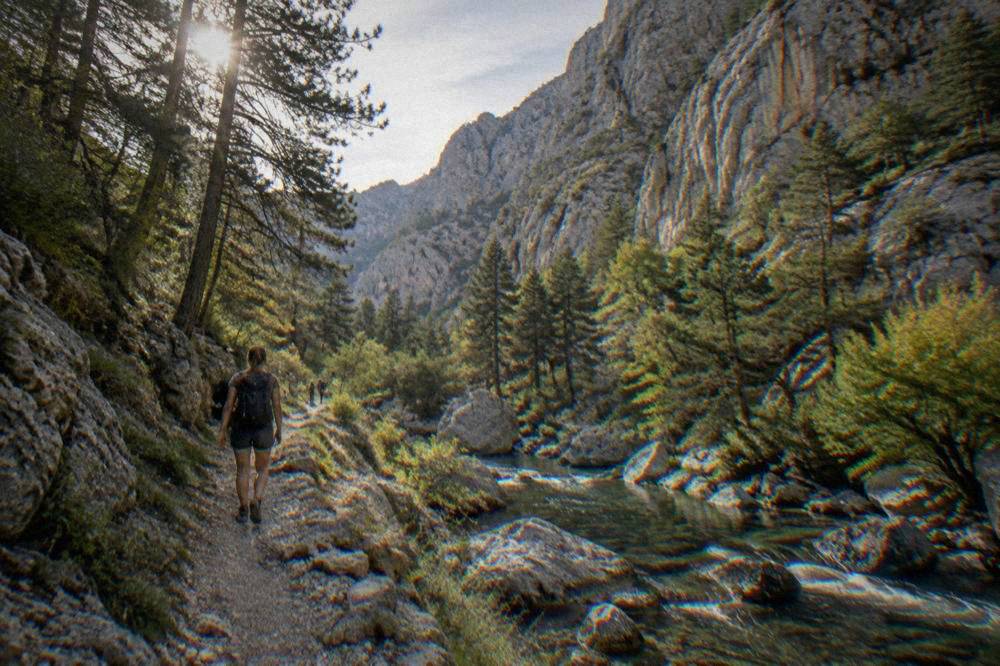
The price bands give the practical answer: May to September is the 10 euro peak, March, April and October are 8 euro shoulder months, and January, February, November and December are 5 euro, so spring and autumn trade a 2 euro saving for cooler air on the climbs. The Zadar station climate record, 1961 to 2024, shows July as the warmest month at a 24.5 C mean and January the coldest at 7.3 C.
The table below is the DHMZ station record for Zadar itself, the coastal baseline you leave when you drive into the hills. The mountain park will be colder than these figures at any given moment, but the seasonal shape is the same. Rain at the station peaks in November at 123 mm and bottoms out in July at 35.4 mm, and those two months frame the year at the coast.
| Month | Mean temperature (C) | Precipitation (mm) | Rain days |
|---|---|---|---|
| Jan | 7.3 | 76.4 | 10 |
| Feb | 7.8 | 67.0 | 9 |
| Mar | 10.0 | 66.3 | 9 |
| Apr | 13.4 | 61.4 | 10 |
| May | 17.9 | 64.4 | 10 |
| Jun | 21.9 | 48.5 | 8 |
| Jul | 24.5 | 35.4 | 5 |
| Aug | 24.1 | 52.8 | 6 |
| Sep | 20.2 | 110.9 | 9 |
| Oct | 16.3 | 106.8 | 9 |
| Nov | 12.1 | 123.0 | 12 |
| Dec | 8.6 | 99.6 | 12 |
Source: Zadar station, 1961-2024, published by the Croatian meteorological service. The same record gives about 2,600 hours of sunshine a year at the station, spread across the months as below.
| Month | Sunshine (hours) | Month | Sunshine (hours) |
|---|---|---|---|
| Jan | 115.6 | Jul | 358.6 |
| Feb | 137.2 | Aug | 324.7 |
| Mar | 188.5 | Sep | 243.1 |
| Apr | 217.3 | Oct | 189.8 |
| May | 279.1 | Nov | 119.2 |
| Jun | 310.9 | Dec | 106.8 |
Rain days rise toward the November peak of 12, and canyon conditions after heavy rain should be checked at the entrance.
A mountain day and a lake day pair well in one week: this desk would sequence Paklenica on the clearer forecast and keep the guided options for the longer distances.
How Do You Get From Zadar To Paklenica National Park?
The drive from Zadar Old Town to the park's Starigrad side is 46.8 km and about 57 minutes, the same computed figure quoted earlier in this guide. The practical choices are a self-drive car, a local bus, or a guided excursion. The airport is about 8 km from the city by its own how-to-get-here page.
For orientation, the relevant Zadar transport anchors are the bus station at Ante Starčevića 1, 2.6 km from the Old Town, and the Gaženica ferry port, 5.2 km away, both about 10 minutes or less by car from the peninsula. A hire car collected on arrival can therefore be at the park within the hour after landing. The site's advice on parking tariffs, airport taxi fares and bus fares is deliberately silent, so confirm those figures with the operator or the driver at the time.
Two links handle the practical layers in depth: the page on parking at Zadar Airport and the guide to the wider day trips from Zadar. One caution worth repeating: the coastal road is a single carriageway for long stretches, so the 57-minute figure assumes steady traffic, and summer Saturdays add time.
How Does Paklenica Compare With Zadar's Other Park Day Trips?
Paklenica is the cheapest and closest of the major parks from Zadar, with a 10 euro summer adult ticket against 40 euro at Krka and Plitvice in the same season, but it is the only one of the five that is a mountain park rather than a water or island park. Krka charges 7, 20 or 40 euro by season, Plitvice 10, 23 or 40, Telašćica 6 or 8, and Kornati is priced per vessel by length.
| Park | Adult entry | Type | Notes from the official lists |
|---|---|---|---|
| Paklenica | 5 / 8 / 10 EUR | Mountain, canyons | Per person, by season |
| Krka | 7 / 20 / 40 EUR | River, waterfalls | Roski slap sites 7 / 12 / 20 EUR |
| Plitvice | 10 / 23 / 40 EUR | Lakes, waterfalls | Late-arrival summer rate 25 EUR |
| Telašćica | 6 / 8 EUR | Sea, cliffs, lake | At the Dolac land entrance |
| Vransko jezero | 6 EUR adult, 3 EUR child | Lake, birdlife | 15 EUR family ticket |
| Kornati | Per vessel, 25 to 95 EUR | Islands | By boat length and season, bought outside the park |
The comparison points to a clear pattern in how the Zadar Croatia Travel Guide organises park days. Paklenica is the short, cheap, physical morning or afternoon. Krka, covered in detail in the Krka National Park guide and the answer on what Krka costs to enter, is the classic waterfall day. Plitvice, at 145 km, is the long day that rewards a guided tour with tickets included. And the Kornati archipelago is the sea day, priced per boat rather than per person, which surprises visitors who arrive by kayak or charter.
For travellers weighing the two inland giants, the site's answer page on pre-booking Krka and the bus question in getting from Zadar to Krka cover the logistics side, while the Plitvice Lakes guide handles the lake park.
The Plitvice outing above is the one this desk would pair with a self-driven Paklenica day: the guided tour absorbs the 145 km distance, and the mountain park absorbs the short drive you handle yourself.
Can You Combine Paklenica With Other Stops On A Zadar Day Trip?
Yes, and the geography makes it easy: Paklenica's Starigrad entrance sits on the coastal corridor that continues to Šibenik at 89 km and Skradin at 76 km from Zadar Old Town, so a mountain morning can be followed by an afternoon in Nin at 19.8 km in the opposite direction. Pag Town sits at 54 km and Biograd at 29.5 km, both realistic add-ons on the same road. The one combination to treat with caution is Paklenica plus Krka in a single day.
Sensible pairings, using only the computed figures:
| Combination | One-way distances involved | Feasibility |
|---|---|---|
| Paklenica morning, Zadar Old Town evening | 46.8 km each way | Easy, same-day return |
| Paklenica plus a Nin stop | 46.8 km south, 19.8 km north | Full but workable day |
| Paklenica plus Šibenik or Skradin | 46.8 km then onward south | Long day, two stops |
| Paklenica plus Krka in one day | Entrances far apart | Not advised |
The northern pairings are the ones locals use. Nin, with its salt heritage and shallow bay, is a 28-minute run from Zadar and makes a calm counterweight to the mountain morning; the Nin day trip guide covers it. Southbound, Šibenik and the Krka gateway town of Skradin extend the same road, and the river-based alternative at Zrmanja is another inland-water option from Zadar if the waterfalls draw you more than the cliffs did.
What Should You Know Before Hiking Or Climbing In Paklenica?
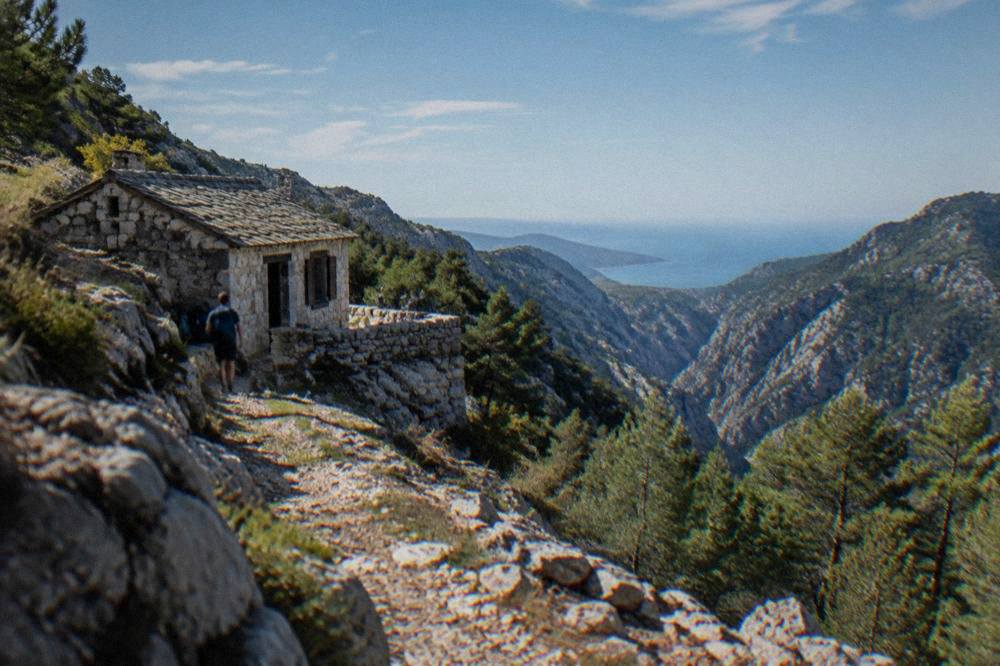
Paklenica is a serious mountain park, not a landscaped stroll: the canyons rise steeply from the Starigrad entrance, the terrain is karst limestone, and the park publishes no trail grades, route times or difficulty figures, so check route choice with the park at the entrance. Children aged 7 to 18 pay reduced entry, and multi-day passes are available. Emergency cover in Croatia runs on the single European number 112.
Three practical notes that are verified. First, the seasons matter more here than at the coastal parks: the DHMZ record shows July averaging 24.5 C at the Zadar station and the Velebit massif running cooler and more exposed, so shoulder months fit walking better. Second, the euro applies everywhere since 1 January 2023, and Croatia is a Schengen member, so no border formalities complicate the coastal drive. Third, the tourist tax on your Zadar accommodation exists and is collected by the host, and its amount is confirmed at booking rather than published here.
For the days you keep closer to the city, the Old Town and its monuments fill the gaps, and the sea options below are the natural counterpart to a mountain day.
One mountain morning, one island afternoon: that alternation is the shape of a good Zadar week, and it is exactly what the mix of parks and boat trips in this guide is built to support.
Is Paklenica National Park Worth The Day Trip From Zadar?
For a traveller based in Zadar with a car or a bus route, yes on the arithmetic alone: it is the nearest big park at 46.8 km and about 57 minutes, the cheapest at 5 to 10 euro adult by season, and the only mountain landscape in the day-trip set, which no other Zadar park provides. The trade-offs are real: it has no waterfalls, no lakes and no islands, and trail conditions need confirming at the entrance.
As one of three or four park days from the city, it earns its slot easily. The fuller picture across the site's coverage: the islands answer is the sea counterpart, and readers deciding between the coast's two inland giants can start with Kornati Islands for the boat day and this park for the ridge day. Zadar's strength as a base is precisely this spread: waterfalls at Krka, lakes at Plitvice, cliffs at Paklenica, archipelago at Kornati, all within a day's radius of one peninsula.
Whichever mix of guided and self-driven days you settle on, the figures in this guide hold: the park's own price list for the entry prices, the computed route table for the distances, and the DHMZ station record, 1961 to 2024, for the climate. Everything else, from bus timetables to climbing conditions, is confirmed with the operator or at the park gate.
Common Questions About Paklenica National Park
How much does Paklenica National Park cost?
A one-day adult ticket is 5 euro in January, February, November and December, 8 euro in March, April and October, and 10 euro from May to September, on the park's own price list. Children aged 7 to 18 pay 2.50, 4 or 5 euro across the same bands. Multi-day passes and vehicle vignettes are also sold.
How far is Paklenica National Park from Zadar?
The computed driving figure from Zadar Old Town to the park's Starigrad side is 46.8 km and about 57 minutes on the coastal road. It is the closest of the major national parks to Zadar.
Can you get to Paklenica from Zadar by train?
The practical options are a car, a bus or a guided excursion.
Is Paklenica cheaper than Krka and Plitvice?
Yes. Paklenica's adult entry runs 5 to 10 euro across the year, against Krka at 7, 20 or 40 euro and Plitvice at 10, 23 or 40 euro by season on the parks' own price lists.
When is the best time of year to visit Paklenica?
The Zadar station climate record, 1961 to 2024, shows July as the warmest month at a 24.5 C mean and the mountains running cooler, so April, May, September and October balance price and walking conditions, with 8 euro entry in March, April and October.
Can you swim in Paklenica National Park?
The park's price list covers entry, climbing and vehicle fees. For the current rules on swimming, check at the park entrance. The nearest sea swimming is on the coast at Starigrad and the beaches around Zadar.