National Parks Near Zadar
Zadar sits within a couple of hours of five national parks and two nature parks, each with its own 2026 price list. This guide sets out what each one costs, how far it is, and how to choose between them.
Short answer
The parks within day-trip range of Zadar are Krka (91 km), Plitvice (145 km), Paklenica (46.8 km), Kornati, Telašćica and Vransko jezero. Adult entry ranges from 5 euro at Paklenica in winter to 40 euro at Krka and Plitvice in high summer, and every park charges by season.
Zadar is a coastal city in Dalmatia, Croatia, and its position on the Adriatic makes it one of the best bases in the country for park day trips. Five national parks and two nature parks sit within reach of the Old Town peninsula, from the waterfalls of Krka to the stone arches of Paklenica and the island labyrinth of Kornati. Every one of them prices entry by season, and the difference between a February visit and an August one can be a factor of four or more, so the timing matters as much as the choice of park. This guide reports what each park's own 2026 price list and the route data say, and it ends with a comparison of independent travel against organized days out. For the wider picture of the city itself, start with the Zadar Croatia Travel Guide homepage and the main things to do in Zadar page.
Which National Parks Can You Reach From Zadar In A Day?
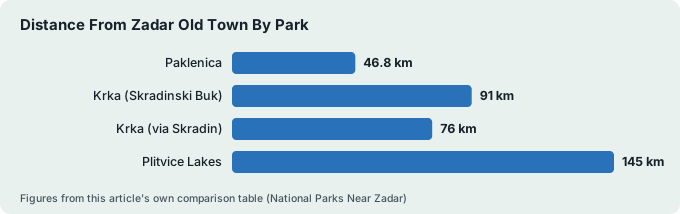
Yes, five national parks and two nature parks sit within day-trip range of Zadar: Krka at 91 km, Plitvice at 145 km, Paklenica at 46.8 km, plus Kornati and Telašćica reached by boat, and Vransko jezero inland. Driving times run from under an hour to about two and a half hours each way, and every one of these parks sells entry by season, from 5 euro at Paklenica in winter to 40 euro at Krka and Plitvice in July and August.
The driving figures come from route data computed for this site, and they matter because they shape what a comfortable day looks like. Krka's Skradinski Buk is 91 km and about 73 minutes from the Old Town; Skradin, the prettiest gateway town for the river trip up to the falls, is 76 km and about 62 minutes. Plitvice is the long one, 145 km and around 153 minutes each way, which is why so many visitors from Zadar take an organized day trip rather than drive it themselves. Paklenica, by contrast, is close enough at 46.8 km and roughly 57 minutes that it works as a half-day for anyone who just wants to walk into the canyon.
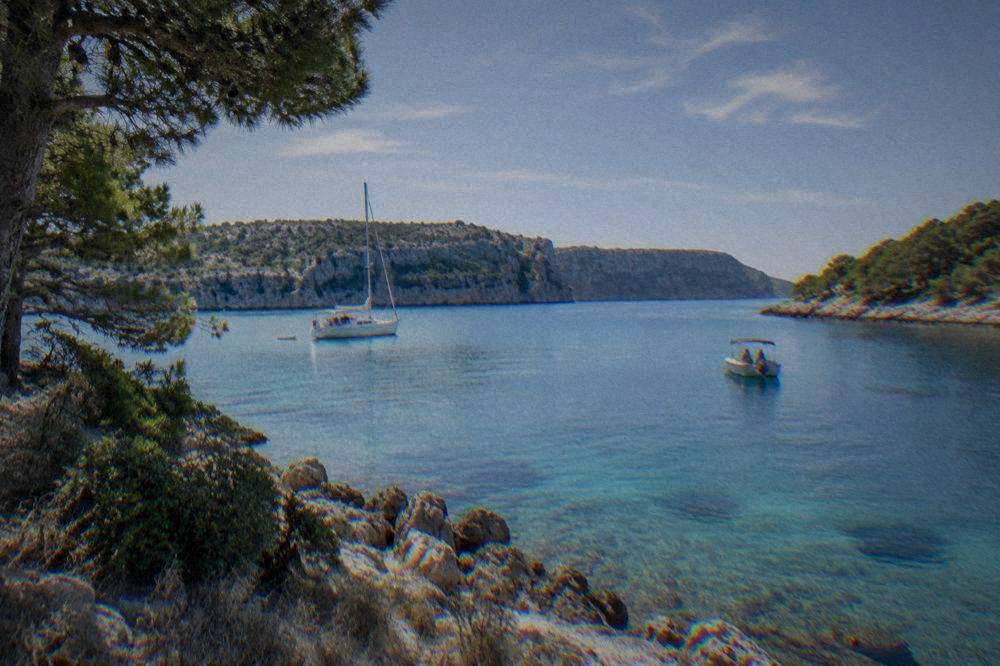
Kornati and Telašćica break the pattern because they are maritime parks. You do not drive to them; you sail to them, on a scheduled excursion boat from Zadar's harbor or on your own or chartered vessel. The two sit side by side at the southern end of Dugi Otok and the Kornati archipelago, and they are usually combined on a single full-day loop. Vransko jezero, the lake park inland from Biograd, is the quiet outlier, a shallow lake known for birdlife and freshwater fishing rather than spectacle.
The table below puts the distances and the access method side by side. The full Krka day trip guide and the Paklenica day trip guide go deeper on the two easiest parks.
| Park | Type | Distance from Zadar Old Town | Approx. driving time | Access |
|---|---|---|---|---|
| Paklenica | National park | 46.8 km | 57 min | Road |
| Krka (Skradinski Buk) | National park | 91 km | 73 min | Road plus park boat from Skradin |
| Krka (via Skradin) | National park | 76 km | 62 min | Road plus park boat |
| Plitvice Lakes | National park | 145 km | 153 min | Road |
| Vransko jezero | Nature park | inland, near Biograd | short drive past Biograd | Road |
| Kornati | National park | offshore archipelago | by sea | Boat |
| Telašćica | Nature park | Dugi Otok, by sea | by sea | Boat |
How Much Does Krka National Park Cost And When Should You Go?
Adult entry to Krka's accessible land sites is 7 euro in January to March and November to December, 20 euro in April, May and October, and 40 euro in June to September, on the park's own 2026 price list. The outlying sites, Roški slap, Kistanje, Manojlovac, Burnum and the Eco Campus, cost 7, 12 and 20 euro across the same three seasons, so a shoulder-season visit saves more than half against the summer tariff.
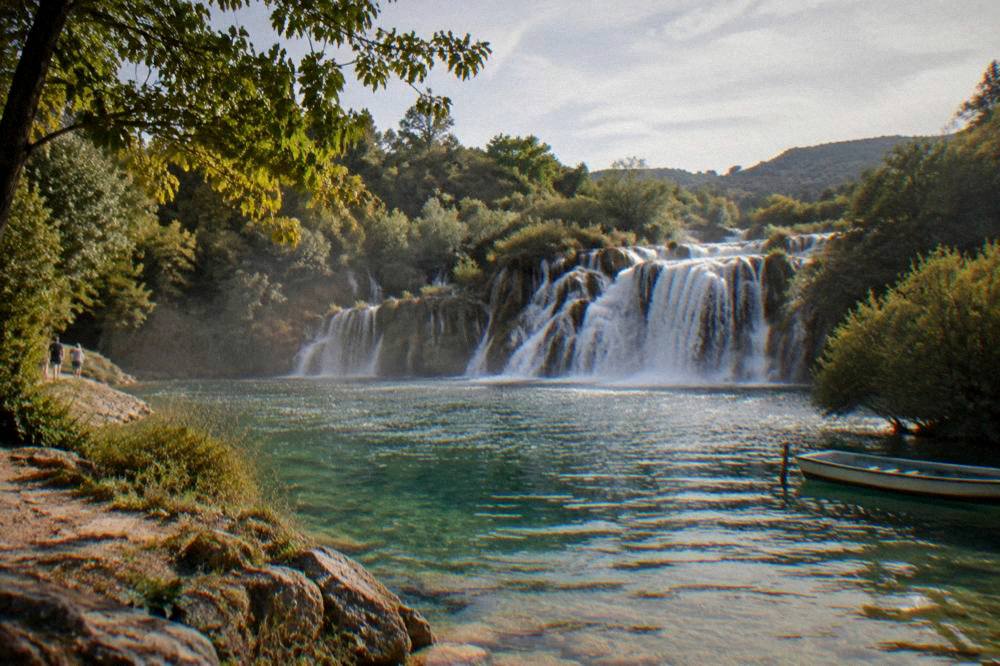
Krka is the classic first park from Zadar because it is close and because the experience compresses well into a day: the boat ride up the river from Skradin, the wooden walkways around Skradinski Buk, and the return. The one rule every visitor should know before going is that swimming at Skradinski Buk has been banned since 2021 to protect the travertine barriers. Swimming is allowed only at designated spots, Roški slap, Stinice and Pisak, and only from 1 June to 30 September, weather and water conditions permitting. Anyone planning a summer trip around a swim under the falls needs to re-plan around that.
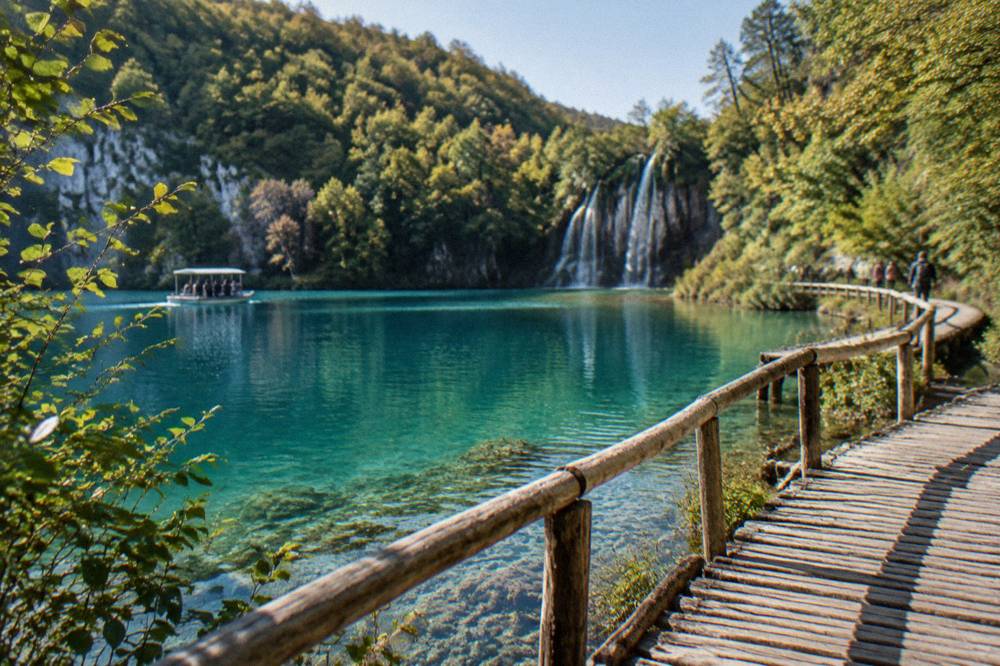
The seasonal pricing rewards flexibility. October, at 20 euro, still carries warm sea nearby and thinner crowds, while the depths of winter at 7 euro suit anyone who wants the walkways to themselves and accepts shorter days. If timing is fixed to the school holidays, the 40 euro summer ticket applies and the practical questions become booking and transport. This site answers those separately: whether you need to pre-book Krka, exactly how much Krka costs, and whether a bus runs from Zadar to Krka.
| Krka 2026 ticket | Jan-Mar | Apr, May, Oct | Jun-Sep |
|---|---|---|---|
| All accessible land sites, adult | 7 euro | 20 euro | 40 euro |
| Roški slap, Kistanje, Manojlovac, Burnum, Eco Campus, adult | 7 euro | 12 euro | 20 euro |
A guided day out is the other route in, and several operators run Krka trips from Zadar that bundle transport and timing.
The set above spans the range of what leaves Zadar on a given morning, from a relaxed city panorama to a boat day with tastings and a quad run into the Dalmatian hinterland, and each card carries its own live price, rating and availability.
Is Plitvice Lakes Worth The Longer Drive From Zadar?
Plitvice Lakes is 145 km and roughly 153 minutes' drive each way from Zadar, and its 2026 adult one-day ticket is 10 euro in January to March and November to December, 23 euro in April, May and October, and 40 euro in June to September before about 16:00, with a 25 euro late-afternoon summer price, so the trade-off is a longer drive for the largest and most famous of Croatia's parks.
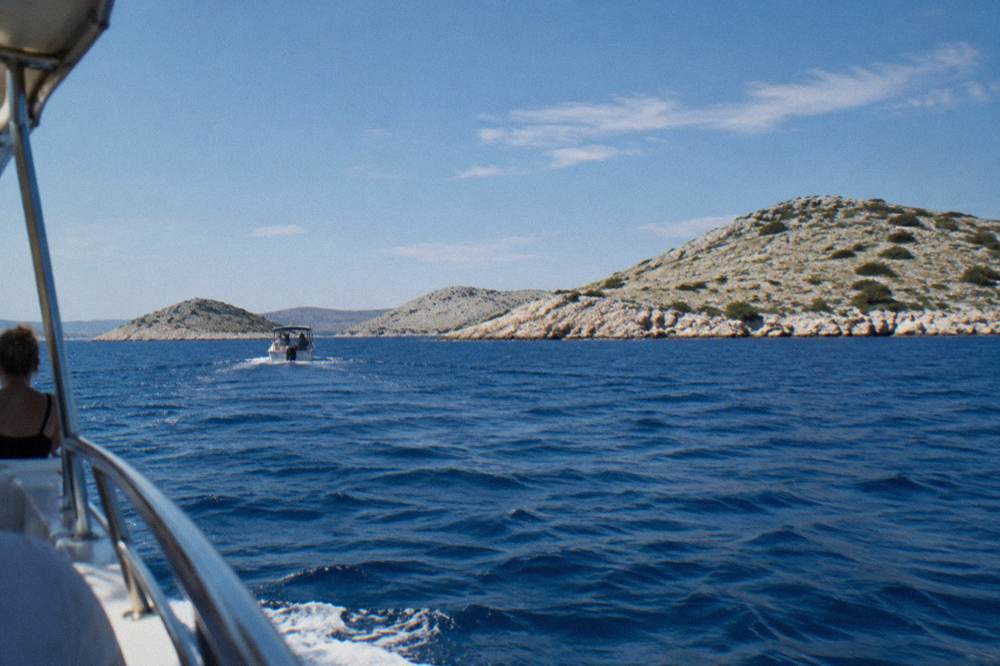
Plitvice is the one that visitors from across the world plan whole trips around: a chain of lakes stepped down a limestone valley, joined by travertine dams and walking trails, with electric boats crossing the lower lakes and a shuttle train linking the upper entrances. From Zadar it is a commitment, around five hours of driving there and back on top of a full circuit of the lakes, which is exactly why the guided day trips sell so well here. The ticketing also works differently from Krka: Plitvice sells timed online tickets with daily limits applying, so in peak season the booking question is not optional.
The seasonal logic mirrors Krka's. Winter at 10 euro is the quietest and cheapest way to see the lakes, though some boat services on the lakes scale back outside the main season, and the park's own price list is the place to check what runs when. October's 23 euro ticket, effective from 1 October 2026 on the winter-shoulder list, lands in arguably the best walking weather of the year; the Zadar station, 1961-2024 climate record (DHMZ) puts October's mean at 16.3 C against July's 24.5 C, with rainfall rising through autumn to a November peak of 123 mm.
| Plitvice 2026 adult one-day ticket | Months | Price |
|---|---|---|
| Winter | Jan-Mar, Nov-Dec | 10 euro |
| Shoulder | Apr, May, Oct | 23 euro |
| Summer | Jun-Sep (before about 16:00) | 40 euro |
| Summer late afternoon | Jun-Sep | 25 euro |
For anyone weighing the two headline parks against each other, the honest summary is distance against density. Krka delivers its spectacle in a compact, half-day-friendly package an hour and a quarter from the Old Town; Plitvice spreads a bigger landscape over more hours and more road. The Zadar day trips overview lists the organized options for both.
What Does Kornati National Park Entry Cost For Boat Visitors?
Kornati charges per vessel, by boat length and season, and the ticket is bought outside the park before you enter: in 2026 a boat up to 6.99 m pays 25 euro outside the summer season and 45 euro in June to September for one day, while 7 to 10.99 m pays 30 or 65 euro and 11 to 17.99 m pays 50 or 95 euro, all on the park's official price list.
This makes Kornati structurally different from every other park on this page. There is no per-person gate with a turnstile; the archipelago is entered by sea, and the skipper buys the entry for the boat. If you sail yourself or charter, the length of the vessel sets the fee, and the ticket must be arranged before crossing into the park boundary, not at some jetty inside it. Joint tickets covering Kornati and the neighbouring Telašćica nature park are available, and they suit the standard cruising loop that combines the Kornati islands with the cliffs and salt lake of Telašćica on Dugi Otok.
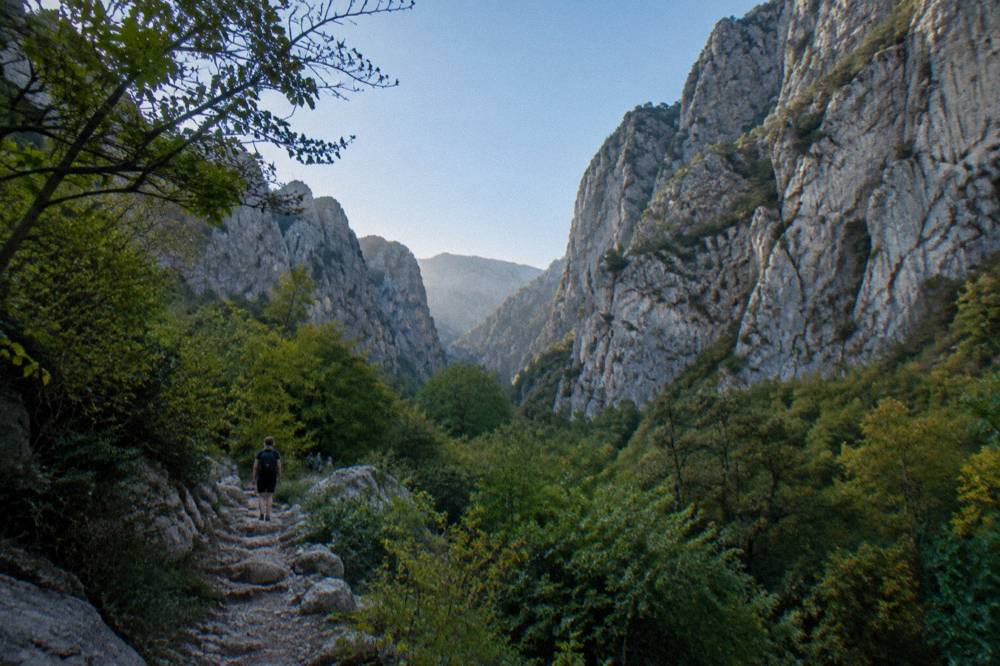
The practical alternative for anyone without a boat is the scheduled full-day excursion from Zadar, where the vessel fee and usually lunch are folded into one ticket and the passenger has nothing to buy at the boundary. That is the format of the Kornati and Telašćica trips in this site's tour roster. Either way, the season matters less for the price a passenger sees than for the sea itself: the crossing is at its calmest and the water at its clearest in the height of summer, which is also when the per-vessel fee peaks.
How Do Paklenica, Telašćica And Vransko Jezero Compare?
Paklenica charges adults 5 euro in January, February, November and December, 8 euro in March, April and October, and 10 euro from May to September; Telašćica's land entrance at Dolac is 6 euro outside summer and 8 euro in June to September; Vransko jezero is 6 euro adult, 3 euro for children aged 7 to 18, and 15 euro for a family ticket, on each park's own 2026 list.
Paklenica is the mountain option, the canyon of Velika Paklenica cutting into the Velebit range less than an hour up the coast from Zadar. Its price list scales by season like everything else, and its walking offer ranges from a gentle stroll up the canyon floor to serious climbing routes on the limestone walls, though this site prints no trail-difficulty figures beyond what the parks publish. Because it is so close, it pairs well with a morning in Zadar itself; the city overview covers the mornings.
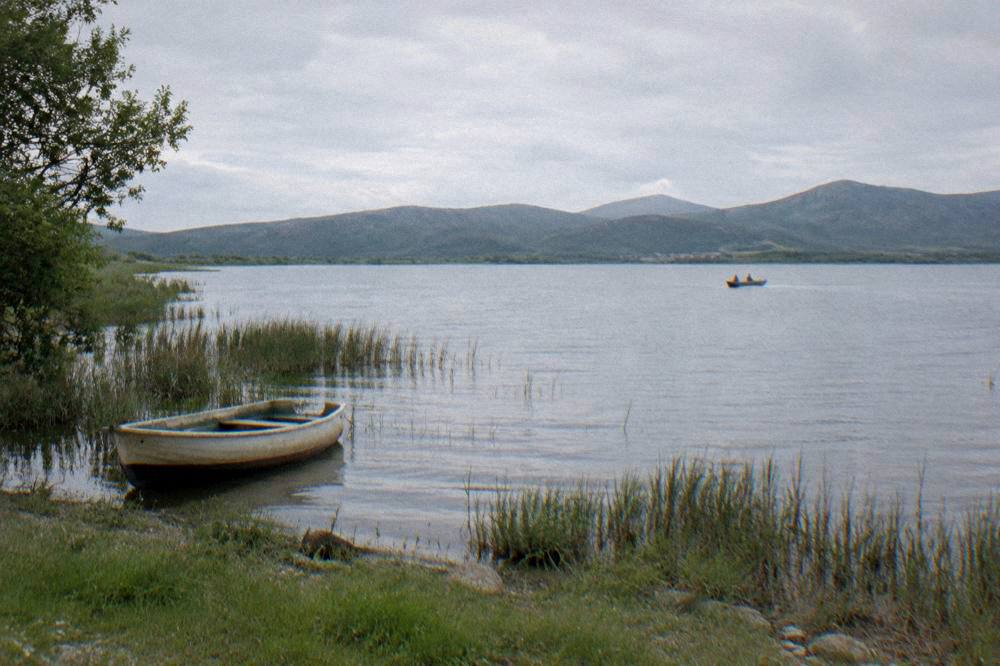
Telašćica, as noted above, is the sea-and-cliff park at the southern end of Dugi Otok, usually visited by boat, with a land entrance at Dolac for anyone staying on the island. Its salt lake Mir and the sheer cliffs on the seaward side are the draw, and its modest entry price is often bundled into an excursion or a joint Kornati ticket. Vransko jezero is the one for birds, cycling and freshwater quiet, a short drive inland near Biograd, and its family ticket makes it the cheapest full-family park day on this page.
| Park | Jan-Feb, Nov-Dec | Mar, Apr, Oct | May-Sep |
|---|---|---|---|
| Paklenica, adult 1-day | 5 euro | 8 euro | 10 euro |
| Telašćica, Dolac land entrance | 6 euro | 6 euro | 8 euro |
| Vransko jezero | 6 euro adult year round; 3 euro child 7-18; 15 euro family | as left | as left |
Do You Need A Tour Or Can You Visit The Parks Independently?
Every park on this page can be visited independently with a car or, for Kornati and Telašćica, a boat, and independent travel costs the entry fee plus transport; a tour instead bundles transport, timing and often tickets into one booking, which matters most for Plitvice's timed tickets, for Krka in July and August, and for anyone without a vehicle.
The independent case is strongest for Paklenica and Krka, both of which are straightforward drives from Zadar with parking at or near the entrances, and for Vransko jezero, which barely features on group itineraries at all. The tour case is strongest for Plitvice, where the drive is long and the timed online tickets in high season reward whoever handles the booking early, and for Kornati, where the sea crossing is the whole point and the passenger has no per-vessel paperwork to think about.
A middle path works too: stay in Zadar without a car, take guided park days, and fill the in-between mornings with shorter local experiences. The city's own boat tours and the wider Zadar tours overview collect those options, and the guide to getting to Zadar covers arrival logistics, including the airport transfer page.
The boat day above is the classic Zadar half-day format, islands and swimming stops with local food, oil and wine served on board, and it slots neatly between two park days.
When Is The Best Season For National Parks Near Zadar?
The best-value park season from Zadar is May, June or September, when full summer pricing applies only from June to September at Krka and Plitvice yet the weather is close to peak, or October, when Krka drops to 20 euro and Plitvice to 23 euro and the Zadar station's 1961-2024 record shows a 16.3 C mean with 106.8 mm of rain.
The climate record, from the DHMZ station table for Zadar, 1961-2024, gives the frame. July is the warmest month at a 24.5 C mean and the driest at 35.4 mm of rain, with August close behind at 24.1 C and 52.8 mm. September still averages 20.2 C but brings 110.9 mm, and November is the wettest month at 123 mm. What that means in practice is a trade: high summer gives the most reliable park weather and the highest prices and queues, early autumn gives the shoulder prices with a rising chance of a wet walking day, and winter gives the lowest prices of all, 7 euro at Krka and 10 euro at Plitvice, for anyone happy with a 7 to 9 C mean and short daylight.
| Month | Mean temperature | Rainfall | Park-price note |
|---|---|---|---|
| April | 13.4 C | 61.4 mm | Krka 20 euro, Plitvice 23 euro |
| July | 24.5 C | 35.4 mm | Krka 40 euro, Plitvice 40 euro |
| September | 20.2 C | 110.9 mm | Krka 40 euro, Plitvice 40 euro |
| October | 16.3 C | 106.8 mm | Krka 20 euro, Plitvice 23 euro |
| November | 12.1 C | 123.0 mm | Krka 7 euro, Plitvice 10 euro |
The Zadar station, 1961-2024, records about 2,600 hours of sunshine a year, spread with a summer peak and a December trough of 106.8 hours, so the winter park visits are bright more often than northern-European visitors expect, just shorter. The best time to visit Zadar guide unpacks the whole calendar, and the Zadar weather page holds the full monthly table.
How Many Days Should You Give The Parks From A Zadar Base?
Most itineraries give the parks two or three days out of a week in Zadar: one day for Krka or Plitvice, one for Kornati and Telašćica by boat, and optionally a half-day for Paklenica, leaving the rest for the Old Town, the Sea Organ and the beaches, and the site's own itinerary guides cover three-day, four-day and longer splits.
The sequencing advice writes itself once the distances are known. Krka and Paklenica are short enough to stay flexible, and Paklenica in particular works as a late-morning decision. Plitvice deserves a dedicated day with an early start, and the timed-ticket system makes a fixed booking the anchor of that day. The Kornati and Telašćica boat day is weather-dependent at the edges of the season, so it is worth keeping one spare day in shoulder months in case a departure moves.
The city days matter as much as the park days here. Zadar's own beaches, restaurants and food guide fill the gaps, the how many days in Zadar page frames the overall split, and whether Zadar is worth visiting answers the upstream question for anyone still choosing bases. Readers torn between this coast and the bigger city south of it can compare in the Zadar versus Split guide.
Whichever mix of parks and city days wins, book the two fixed-commitment items, Plitvice's timed ticket and the Kornati boat day, before locking anything else, and leave the short drives to the weather.
Common Questions About National Parks Near Zadar
How much does Krka National Park cost in 2026?
Adult entry to the accessible land sites is 7 euro from January to March and in November and December, 20 euro in April, May and October, and 40 euro from June to September. The outlying sites including Roški slap run 7, 12 and 20 euro across the same seasons.
Is swimming allowed at Skradinski Buk in Krka?
No. Swimming at Skradinski Buk has been banned since 2021 to protect the travertine. Swimming is permitted only at the designated spots of Roški slap, Stinice and Pisak, from 1 June to 30 September, weather permitting.
How far is Plitvice Lakes from Zadar?
Plitvice is 145 km from Zadar's Old Town, roughly 153 minutes of driving each way, which is why many visitors take an organized day trip rather than drive.
Do you pay per person at Kornati National Park?
No. Kornati charges per vessel, by boat length and season, and the entry is bought outside the park. A boat up to 6.99 m pays 25 euro outside summer and 45 euro in June to September for one day in 2026.
Which park near Zadar is the cheapest to visit?
Paklenica at 5 euro for an adult one-day ticket in January, February, November and December is the lowest entry on this page, and Vransko jezero's 6 euro adult ticket applies year round.
Can you visit the national parks near Zadar without a car?
Yes, through organized day trips, which run from Zadar to Krka, Plitvice, Kornati and Telašćica. Independent visits to the road-accessible parks are simplest with a hire car; the site's getting-there guides cover arrival logistics.