Zadar 2 Day Itinerary
Two days is enough to cover the Old Town peninsula properly and add one big day trip, provided the days are sequenced around the ferries, the museum hours and the sunset on the Riva.
Short answer
Spend day one entirely on the Old Town peninsula: the Roman Forum, St Donatus, the Land Gate, the Museum of Ancient Glass and the evening Sea Organ and Greeting to the Sun. Spend day two out of the city on a booked day trip, most commonly Plitvice Lakes or a Kornati boat trip, then finish back on the Riva at sunset.
Two days in Zadar, the coastal city in Dalmatia on the Adriatic, splits cleanly in two: one day for the compact Old Town peninsula called Poluotok, and one day for the country beyond it. The peninsula holds the Roman Forum, the Church of St Donatus, the Land Gate of 1543 and the free waterfront installations by Nikola Bašić, the Sea Organ from 2005 and the Greeting to the Sun from 2008, all within walking distance of each other. The second day answers a different question, whether to spend it on water among the Kornati islands, or inland at Plitvice Lakes or Krka. This itinerary sequences both days using verified prices, crossing times and seasonal park tariffs, and it flags the one thing that currently matters most: the St Donatus roof restoration that begins in autumn 2026 and may limit access.
Is Two Days In Zadar Enough?
Two days is enough to see the city itself properly and to take exactly one day trip, which is the honest shape of a first visit. The Old Town peninsula is small enough that every major sight, the Forum, St Donatus, the Cathedral, the Land Gate, the Kalelarga and both waterfront installations, fits into a single walking day, and the second day is best spent either at Plitvice Lakes or among the Kornati islands rather than adding more city hours.
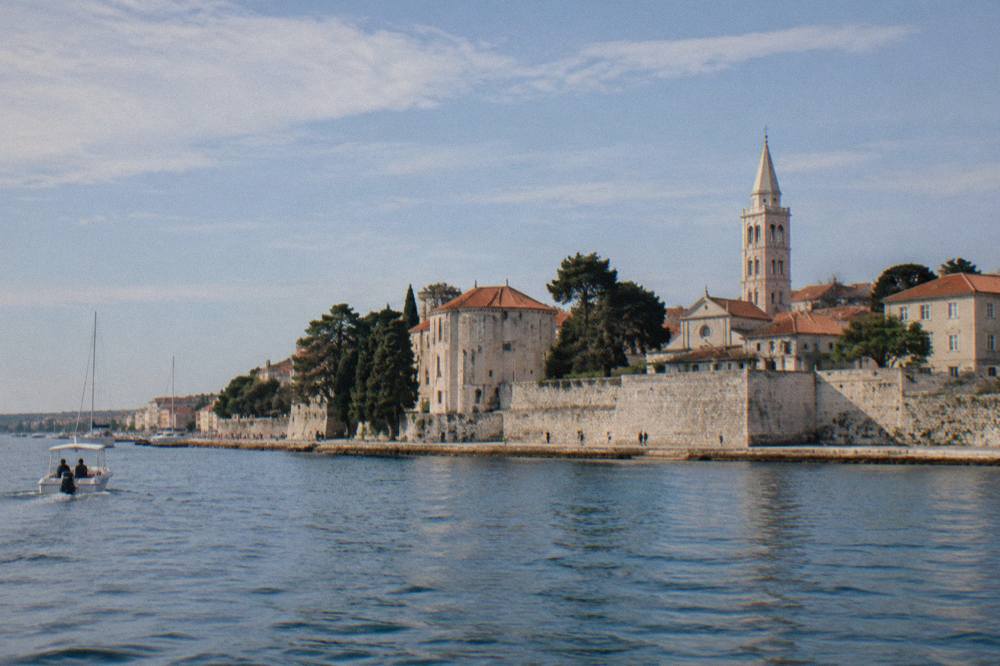
The geography works in a visitor's favour. Zadar's Old Town sits on a narrow peninsula, so the walks are short and the water is never far: the promenade along the western edge faces the open Adriatic and the sunset, which is the reason the evening programme belongs on that side. Ugljan and Dugi Otok sit offshore, and the national parks sit in a ring around the city, from Paklenica under an hour away by car to Plitvice at the far end of the range.
What two days does not allow is everything. A realistic plan picks one big outing. The one day in Zadar guide covers the peninsula alone if the schedule tightens further, and the three days in Zadar plan adds the second day trip that a two day visit has to forgo.
One timing note shapes the whole plan. The tourist board's own pages confirm that the Sea Organ and the Greeting to the Sun are free, open, public installations with no tickets and no opening hours, so they cost nothing and can anchor the end of any evening.
What Should Day One In Zadar Look Like?
Day one stays on the peninsula and runs west all day: the Land Gate and the Kalelarga in the morning, the Forum, St Donatus and the Cathedral around midday, the Museum of Ancient Glass in the afternoon, and the Riva at sunset for the Sea Organ and the Greeting to the Sun, both free and open at all hours. Meals break naturally at the People's Square and along the Kalelarga.
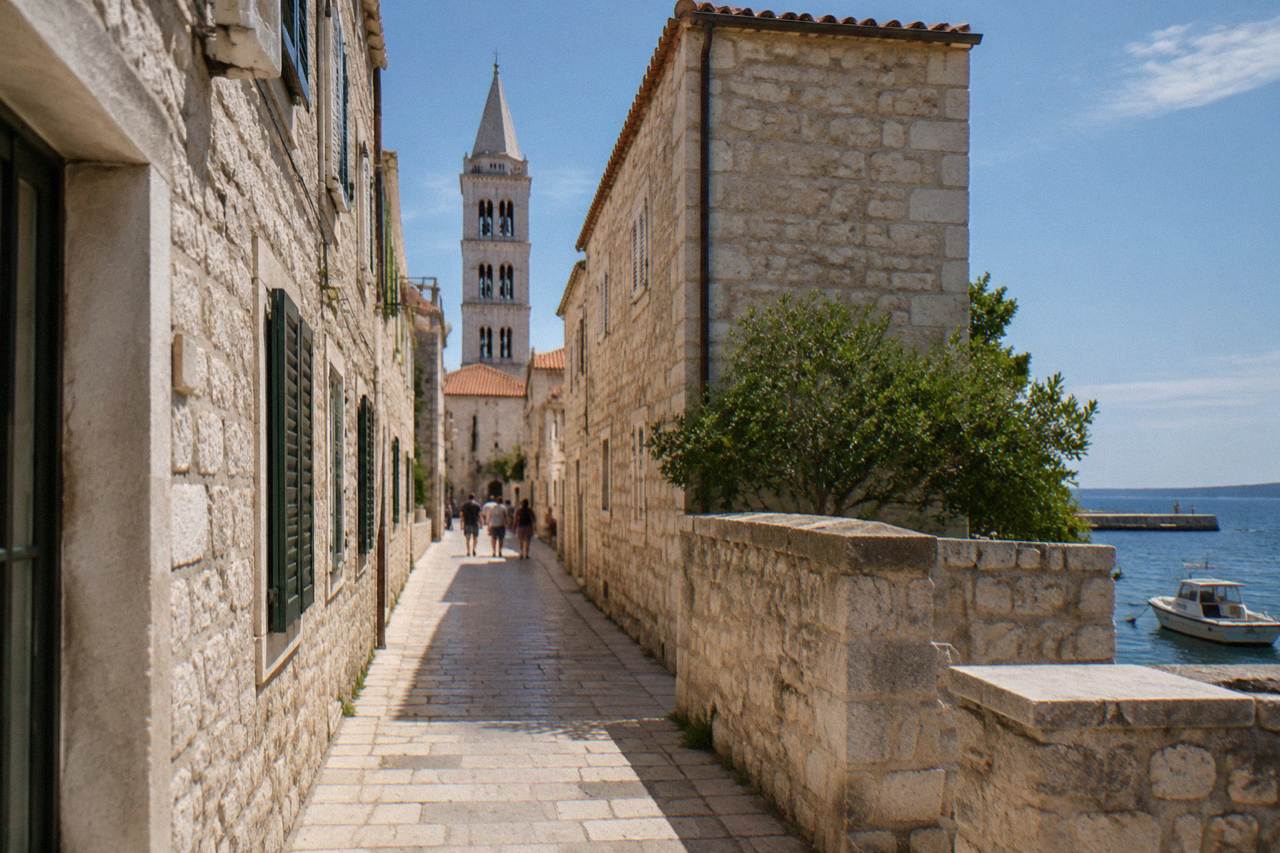
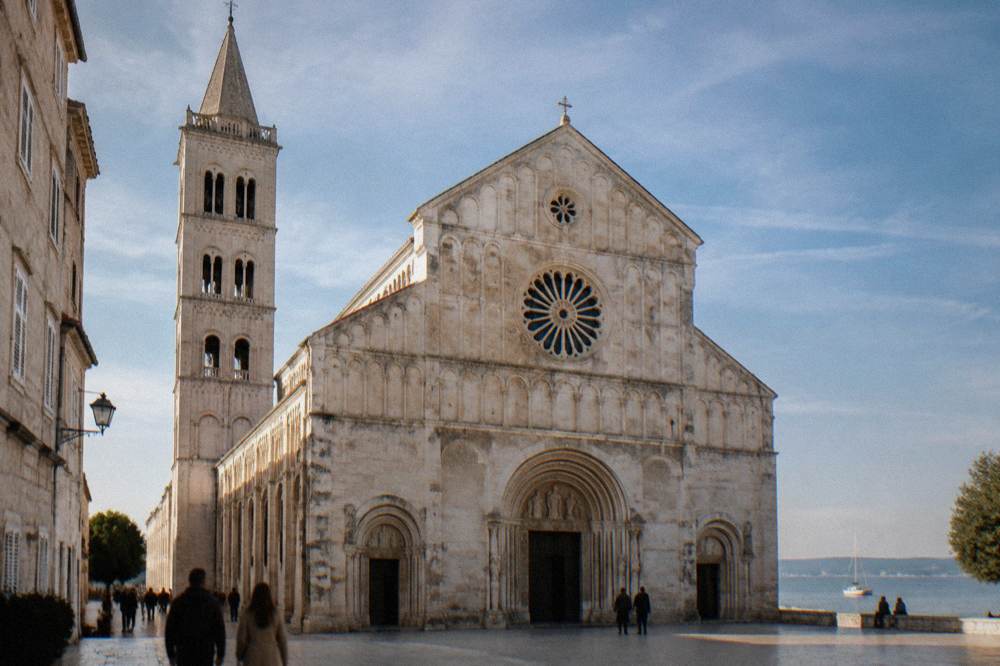
Start at the eastern neck of the peninsula, where the Land Gate stands. It was built in 1543 to a design attributed to Michele Sanmicheli, and it remains the ceremonial entrance to the Old Town. Walking west from it leads onto the Kalelarga, the main street, and then to the People's Square, the historic civic centre. None of these three carries an entry fee; they are public streets and squares.
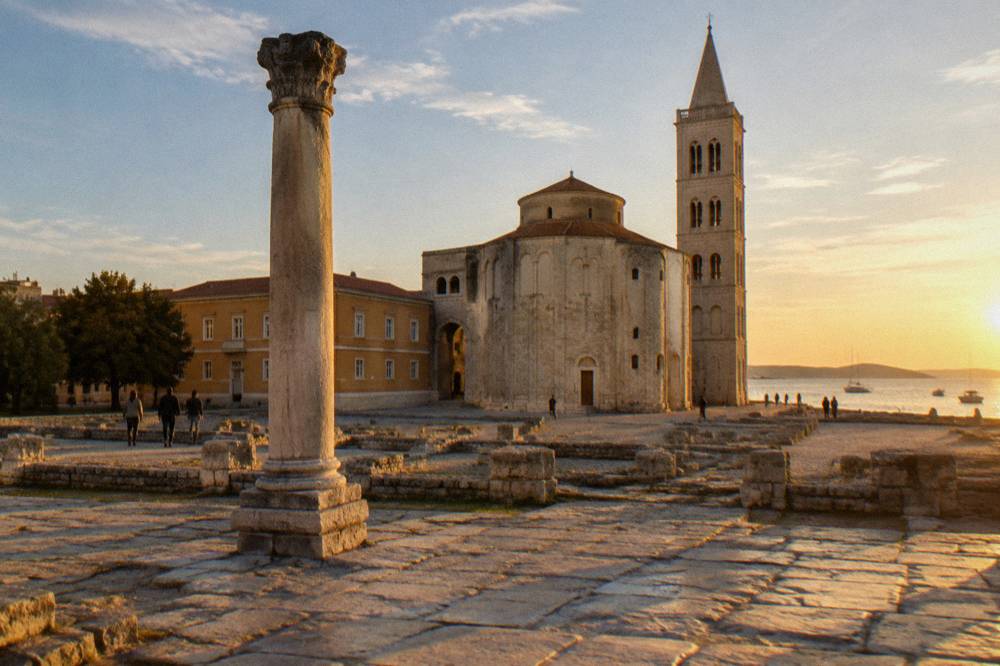
The core cluster sits a few minutes further on. The Roman Forum lies beside the sea on the northeastern side of the peninsula, and the Church of St Donatus stands at its edge. Both have dedicated pages with full detail, the Roman Forum and the Church of St Donatus. One live caveat applies to the church: a roof restoration with an estimated value around 1.3 million euros enters its public procurement phase in autumn 2026, with about six months of roof works planned as the first stage of a wider restoration. During the works, group visits are suspended and individual access depends on the phase, so access should be checked before counting on an interior visit.
The afternoon belongs to one or two museums. The Museum of Ancient Glass charges 7.00 EUR for an adult ticket, with 5.00 EUR for groups of five or more and 4.00 EUR for schoolchildren, on the tariff its own price list publishes; guided tours run at 20 EUR in Croatian or 30 EUR in other languages. The Archaeological Museum and St Donatus share a tariff page that shows 7,00 and 5,00 EUR rows, so a fair planning figure is around 7 EUR at full price. The Cathedral of St Anastasia stands next door; its bell tower climb has no verified price or hours on an official page, so that detail is confirmed on site.
A short walking tour can substitute for the first self-guided hours if the arrival is late or the orientation is wanted. The Gligora-sponsored walking tour covers the Old Town with a cheese tasting, and a highlights walk that includes the Sea Organ and local tastings also runs; both are listed above and either compresses the morning into a guided block.
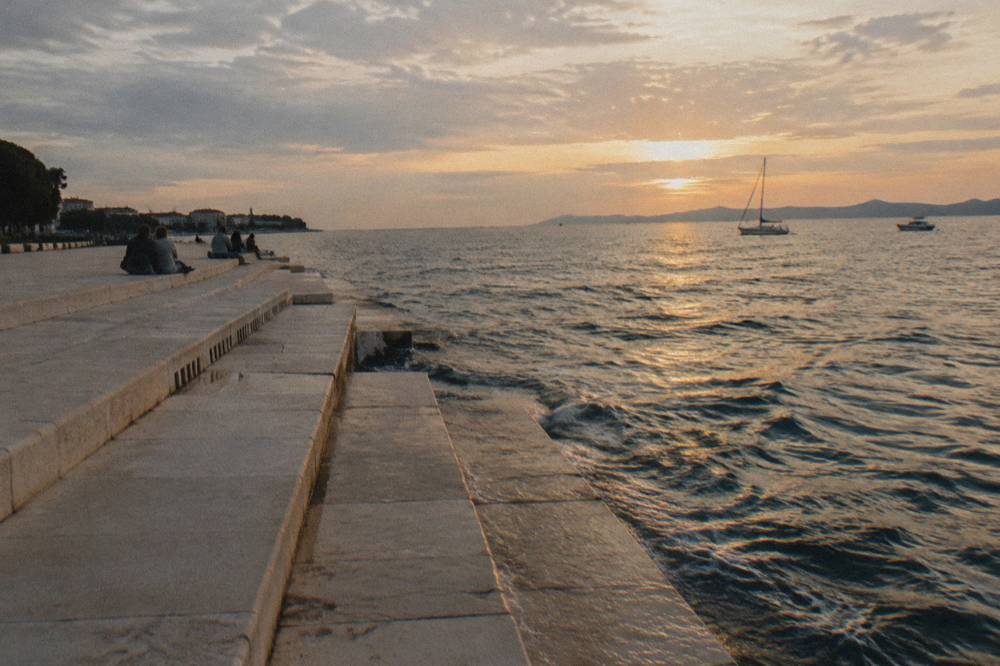
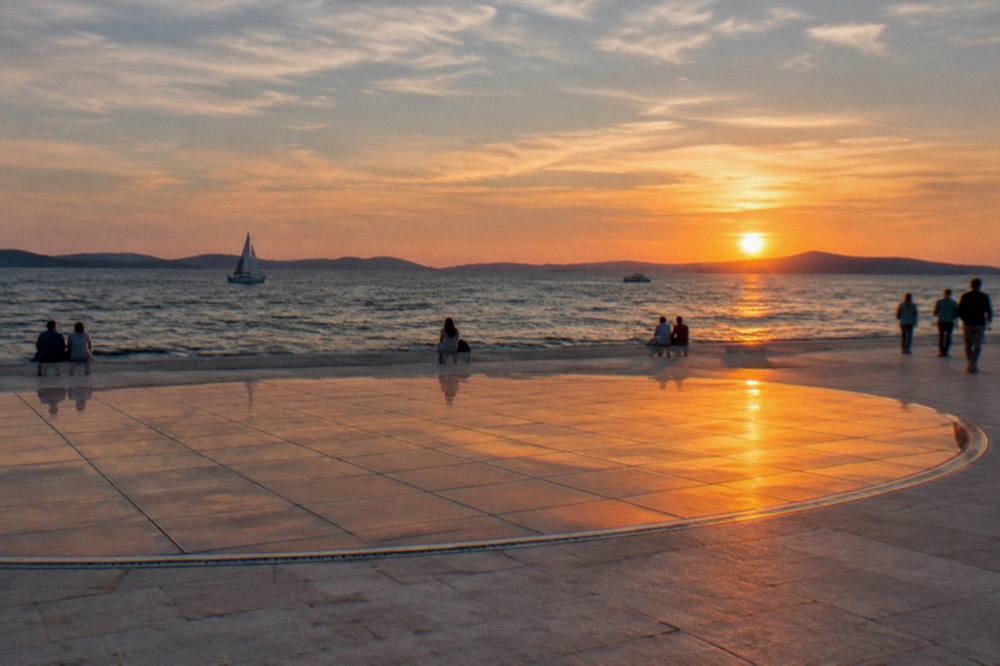
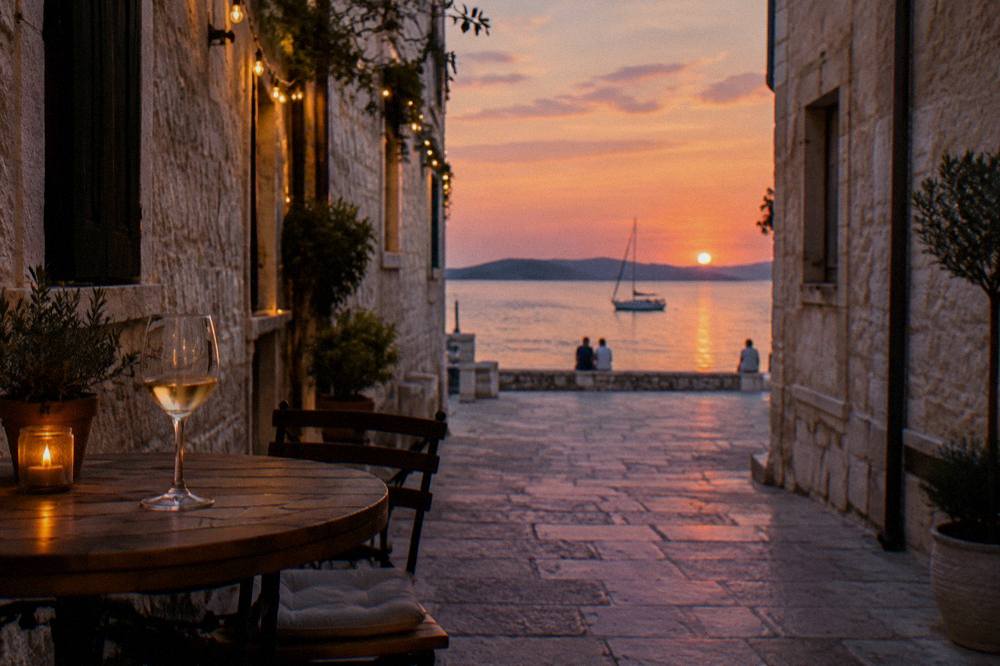
The day ends where Zadar's fame ends: on the western Riva at sunset. The Sea Organ is a set of pipes set under the seaward steps, built in 2005, that the waves play as low tones, and the Greeting to the Sun beside it is a 22 m solar-powered light installation from 2008. Both are free. The sunset and evening route guide maps the full sequence for the last two hours of daylight.
A shaped day one, with the walking order and the paid items:
| Time Block | Place | Entry Cost | Notes |
|---|---|---|---|
| Morning | Land Gate (1543), Kalelarga, People's Square | Free | Public streets and squares |
| Midday | Roman Forum and St Donatus | Around 7 EUR | Roof works from autumn 2026 may limit access |
| Midday | Cathedral of St Anastasia | Confirm on site | Bell tower price not published officially |
| Afternoon | Museum of Ancient Glass | 7.00 EUR adult | Hours vary, check the museum page |
| Evening | Sea Organ and Greeting to the Sun | Free | Open at all hours, best at sunset |
What Should Day Two In Zadar Look Like?
Day two leaves the city for one booked outing, and the strongest candidates by travel time are Plitvice Lakes at about 145 km by road, Krka's Skradinski Buk at about 91 km, or a Kornati and Telašćica boat trip direct from the harbour. A second option keeps the day shorter and on the water with an island boat tour or a sunset cruise from the Old Town quay, returning in time for the Riva again.
The road distances and drive times below come from route calculations for each exact journey, and they are the honest basis for choosing. Plitvice is the long day, Krka the middle one, and Paklenica the short one for hikers.
| Destination From Zadar | Distance | Drive Time |
|---|---|---|
| Nin | 19.8 km | 28 min |
| Paklenica National Park | 46.8 km | 57 min |
| Skradin (for Krka) | 76 km | 62 min |
| Krka, Skradinski Buk | 91 km | 73 min |
| Plitvice Lakes | 145 km | 153 min |
The park entry fees are seasonal, and this is where planning pays. Plitvice charges adults 10 EUR in January to March and November to December, 23 EUR in April, May and October, and 40 EUR in June to September before about 16:00, with a lower late-afternoon price in summer. Krka charges 7, 20 or 40 EUR by the same logic for all accessible land sites. Kornati is different: its fee is charged per vessel by length and season, from 25 EUR for a boat up to 6.99 m in the off-season to 95 EUR for 11 to 17.99 m in summer, and the ticket is bought outside the park. Telašćica charges 6 EUR at its land entrance off-season and 8 EUR in summer. Paklenica runs 5, 8 or 10 EUR by season. The full breakdowns sit in the Krka and Plitvice guides.
A guided Plitvice day trip from Zadar is the straightforward version of the long day: the driving and the park tickets are handled by the operator, and the day is spent inside the park rather than in a car park queue. The listing shows what the ticket covers. Check availability
One swimming rule matters if day two goes to Krka: swimming at Skradinski Buk has been banned since 2021 to protect the travertine, and swimming is allowed only at designated spots, Roški slap, Stinice and Pisak, from 1 June to 30 September, weather permitting. A Krka day trip that promises a swim under the main falls is promising something the park prohibits.
For a water day instead, the boat options divide into short harbour tours and full-day runs. A Kornati and Telašćica full-day trip with lunch runs from the city, and the shorter island and sunset tours leave from the Old Town quay and return before dinner. The Kornati islands guide covers the park fee mechanics in detail.
If day two is late in the season, one more factor applies: from 1 October 2026 both Plitvice and Krka dropped to their winter-shoulder rates, Plitvice to 23 EUR in October and 10 EUR in November and December, Krka to 20 EUR in October and 7 EUR in the later winter months. An October two day trip is therefore materially cheaper inside the parks than a July one, with the trade-off of shorter daylight for the sunset sequence.
Where Should You Eat During Two Days In Zadar?
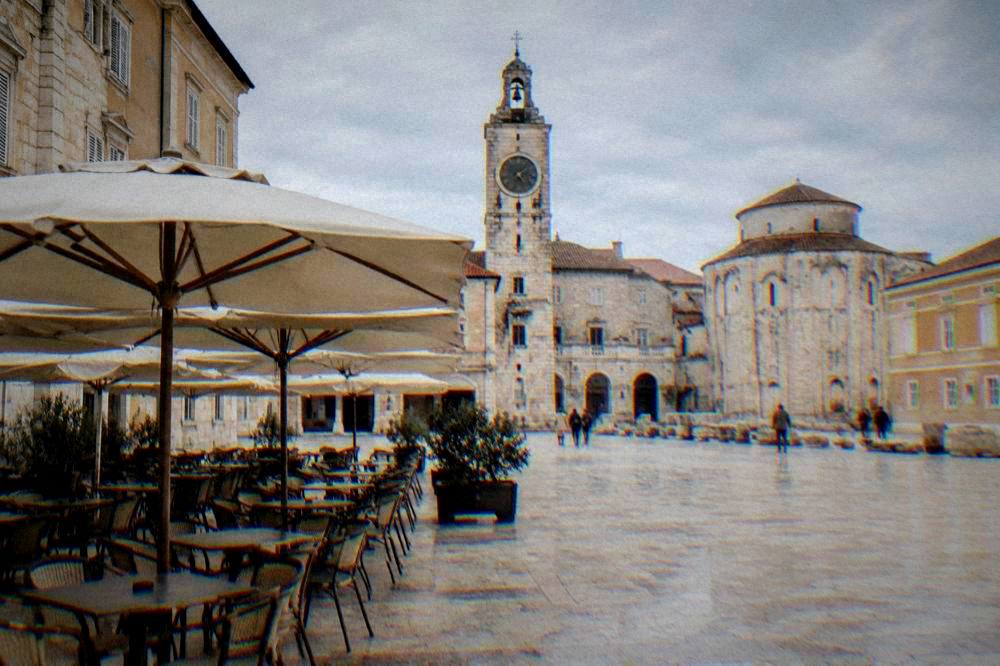
Meals across two days sit on and around the peninsula: breakfast and coffee on the People's Square or the Kalelarga, lunch near the Forum or the green market, and dinner on the western side so the Sea Organ is a two minute walk afterwards. The local staples to look for are fresh Adriatic fish, lamb, cheese from the island of Pag, and maraschino, the cherry liqueur Zadar has produced for centuries.
The green market and the fish market anchor the local food economy, and the streets between them hold the bakeries that open early. For the specifics, the site's food guide covers dishes, the restaurant guide covers where to eat them, and the maraschino guide covers the liqueur that doubles as the standard souvenir. The Old Town dress code also touches meals: signs posted at the peninsula's access points since summer 2026 ask for appropriate clothing, no swimwear, with fines up to 130 EUR reported after a warning, so lunch in the historic core is not a beach-wear occasion. Everything else covered here is indexed on Zadar Croatia Travel Guide.
Two tasting formats compress the food programme into a booked block. A Gligora-sponsored walking tour folds a cheese tasting into the Old Town circuit, and a dedicated food and history walk covers the same ground through its kitchens. Both appear in the picks on this page.
What Does A Two Day Zadar Trip Cost?
The city itself is close to free: the Sea Organ, the Greeting to the Sun, the Forum, the Land Gate and the beaches cost nothing, and the paid city items run around 7 EUR each at full price, so a two day sightseeing budget before food and lodging is roughly 14 to 21 EUR per person in museum entries.
The variable cost is day two, where park fees alone range from 6 EUR at Telašćica's land gate off-season to 40 EUR at Plitvice or Krka in high summer, before any tour or transport.
The table below lists the verified per-person figures that a two day budget is actually built from. Croatia uses the euro since 1 January 2023, so every price on this page is in EUR. The tourist tax exists and is collected by the accommodation; its amount is confirmed at booking, not printed here.
| Item | Cost | Basis |
|---|---|---|
| Sea Organ and Greeting to the Sun | Free | Open public installations, no hours |
| Roman Forum, Land Gate, Kalelarga | Free | Public spaces |
| Museum of Ancient Glass | 7.00 EUR | Adult, museum price list |
| Archaeological Museum / St Donatus | Around 7 EUR | Tariff page full-price row |
| Plitvice Lakes NP | 10 / 23 / 40 EUR | Adult by season |
| Krka NP (all land sites) | 7 / 20 / 40 EUR | Adult by season |
| Paklenica NP | 5 / 8 / 10 EUR | Adult by season |
| Telašćica land entrance | 6 / 8 EUR | Off-season / summer |
| Kornati NP | Per vessel | By length and season, bought outside the park |
Accommodation is the budget item this page does not price, because verified nightly rates are not in the facts behind this site. The where to stay in Zadar resources on the site's stay guides cover the areas, from the Old Town itself to Borik to the north, and the booking rate is confirmed on the booking page.
When Is The Best Time For A Two Day Zadar Trip?
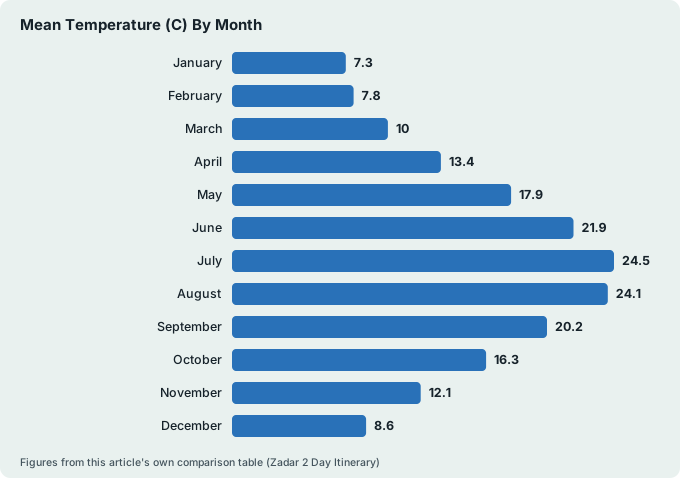
The sweet spot for two days in Zadar is the shoulder season, May, June, September and early October, when the July mean of 24.5 C has not arrived or has passed, the November rainfall peak of 123 mm is still months away, and both Plitvice and Krka sit in cheaper or mid-priced ticket seasons. July and August bring the warmest means, 24.5 and 24.1 C, and the 40 EUR park tickets; winter brings 7 to 10 EUR park entries and the Advent programme instead.
The climate table below is the Zadar station record, 1961-2024, published by the Croatian national meteorological service. The year delivers about 2,600 hours of sunshine. November is the wettest month at 123 mm and July the driest at 35.4 mm; July is the warmest at a 24.5 C mean and January the coldest at 7.3 C.
| Month | Mean Temperature (C) | Rainfall (mm) |
|---|---|---|
| January | 7.3 | 76.4 |
| February | 7.8 | 67.0 |
| March | 10.0 | 66.3 |
| April | 13.4 | 61.4 |
| May | 17.9 | 64.4 |
| June | 21.9 | 48.5 |
| July | 24.5 | 35.4 |
| August | 24.1 | 52.8 |
| September | 20.2 | 110.9 |
| October | 16.3 | 106.8 |
| November | 12.1 | 123.0 |
| December | 8.6 | 99.6 |
A December two day trip is a different animal rather than a worse one. Zadar Advent runs 24 November 2026 to 2 January 2027 across three locations including, for the first time, an ice rink on the Forum, with a concert programme and the Zadar Christmas Run on 27 December 2026. The parks are at their cheapest entry prices and emptiest, and the sunset arrives early enough to be watched before dinner. Rain is the trade-off: 12 rain days a month in November and December against 5 in July.
What If You Have More Time After Two Days In Zadar?
A third day adds the trip the two day plan cut, and the natural order is Krka and Skradin next, then Nin or Pag for a half day, then Šibenik or Split as city outings, each reachable in the drive times already tabled. A fourth day opens the full road trip and island options, including Ugljan and Dugi Otok by ferry from the Gaženica port.
The three days in Zadar and Zadar 4 day itinerary guides carry those extensions in full, and the day trips from Zadar guide ranks the whole ring. The ferries are the detail worth flagging: Jadrolinija's line from Gaženica to Brbinj on Dugi Otok runs a crossing of about an hour and forty minutes, and the crossing to Preko on Ugljan takes about 25 minutes, with fares confirmed on the carrier's pages rather than printed here.
If the trip runs into rain instead, the rainy day itinerary reorganises the same two days around the museums and the covered streets, and the cruise port day plan covers the compressed version for visitors arriving by ship.
Common Questions About Two Days In Zadar
Is two days in Zadar enough?
Two days covers the Old Town peninsula in full on day one and one major day trip on day two. That is the honest shape of a first visit; a third day adds a second outing such as Krka or Nin.
What is the best day trip from Zadar for a two day visit?
Plitvice Lakes is the headline outing at about 145 km by road, Krka is closer at about 91 km to Skradinski Buk, and a Kornati and Telašćica boat trip leaves directly from the harbour with no driving at all.
Can you see the Sea Organ and the Greeting to the Sun in one evening?
Yes. Both are free open installations by Nikola Bašić, the Sea Organ from 2005 and the Greeting to the Sun from 2008, standing beside each other on the western Riva, open at all hours.
How much do the paid sights in Zadar cost?
The Museum of Ancient Glass lists 7.00 EUR for adults, and the Archaeological Museum and St Donatus tariff page shows full-price rows around 7 EUR. The Forum, the Land Gate and both waterfront installations are free.
Is St Donatus open during its restoration?
Roof works planned from autumn 2026 suspend group visits, and individual access depends on the phase of the works. Access should be confirmed before the visit rather than assumed.
Do you need to book the day trip in advance?
Plitvice operates online timed tickets with daily limits, so booking ahead, either direct or through a guided tour with tickets included, avoids the queue and the sell-out risk in the 40 EUR season.
The two day shape holds across seasons: peninsula day, outing day, sunset on the Riva both evenings. Adjust the outing to the calendar, boats and beaches in the 20 C months, parks and Advent in the cold ones, and the rest of this plan stands as written.
