St Donatus Church Zadar
St Donatus Church is the stone landmark at the heart of Zadar's Old Town peninsula, sharing a ticket tariff with the Archaeological Museum and entering a major restoration in autumn 2026.
Short answer
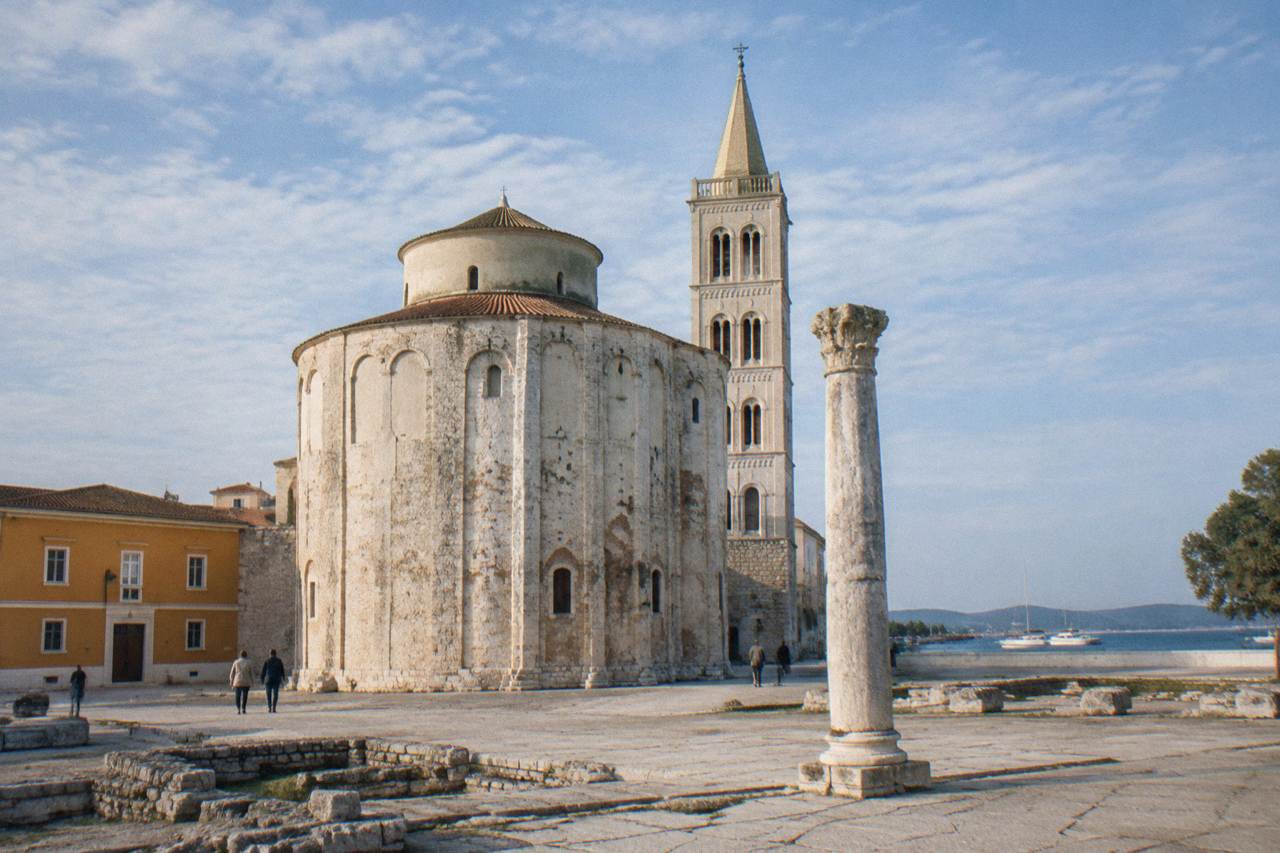
St Donatus Church stands on the Roman Forum in Zadar's Old Town and costs around 7 euro at full price on the shared Archaeological Museum tariff. Roof restoration works planned from autumn 2026 for about six months may limit access, so check before going.
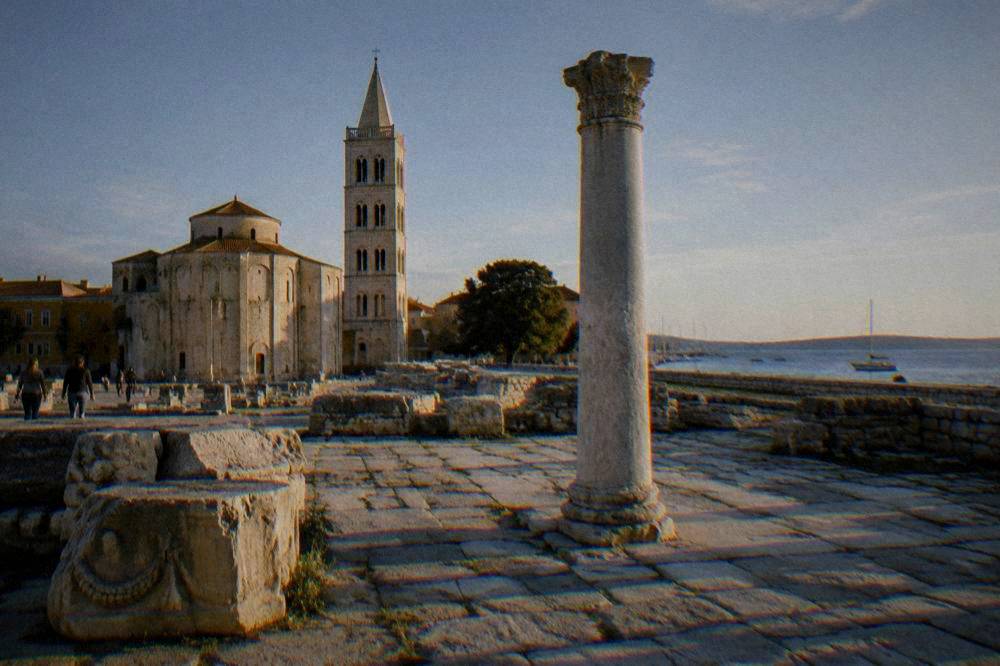
St Donatus Church stands at the centre of Zadar, a coastal city in Dalmatia on the Adriatic, its round stone bulk anchoring the western end of the Old Town peninsula a short walk from the Roman Forum columns that surround it.
What Is St Donatus Church In Zadar?
St Donatus Church is a round pre-Romanesque stone church on the Old Town peninsula of Zadar, in Dalmatia, Croatia, standing beside the Roman Forum and named after a bishop of the city, and it functions today as an exhibition space tied to the Archaeological Museum rather than as a regular parish church. Its shape alone sets it apart from every other building on the peninsula: a plain cylindrical body with no tower, no elaborate facade and almost no ornament, built to be read as volume and mass rather than decoration. The city's own tourism pages treat it as the visual symbol of Zadar, the silhouette that appears on souvenirs, posters and postcards across Dalmatia. For a visitor arriving on the peninsula for the first time, it is also the easiest landmark in the city to navigate by, because its form is visible from several angles of the approach along Kalelarga, the main street that runs west toward it.
The building shares its administration with the Archaeological Museum Zadar, and that arrangement shapes everything about a visit: the ticket, the opening pattern and the occasional use of the interior for concerts in summer, when its bare stone walls give music an unusual acoustic. The church sits within the historic core whose defences earned Zadar a place on the UNESCO list in 2017, as one of six components of the "Venetian Works of Defence" property, though the inscription covers the fortification system, not the church itself. That distinction matters for anyone planning a heritage-themed visit, because the Old Town holds layers of Roman, medieval and Venetian building that no single ticket or inscription covers together.
Practically, the church works as a hub. The Roman Forum is literally at its doorstep, the Cathedral of St Anastasia rises a minute to the north, and the Archaeological Museum is adjacent. Everything else on this page, from the ticket detail to the restoration schedule, flows from that central position.
How Much Does It Cost To Visit St Donatus Church In Zadar?
St Donatus Church costs around 7 euro at full price, sold on the tariff it shares with the Archaeological Museum Zadar, whose pricing page shows rows of 7.00 and 5.00 euro for the combined sites, with free entry for children up to 10 and for listed groups on Museum Night days. The frequently repeated claim that the church costs 3.50 euro or is free does not match the tariff page and should be ignored.
The museum-tariff arrangement is worth understanding before you queue. St Donatus and the Archaeological Museum run on one published list, so a ticket bought for the museum sites generally covers the church when both are open, and the church can close independently when it hosts an event or, from autumn 2026, when restoration scaffolding changes access. Two other Zadar institutions price separately: the Museum of Ancient Glass lists 7.00 euro adult, 5.00 euro for groups of five or more and 4.00 euro for schoolchildren, with guided tours at 20 euro in Croatian or 30 euro in other languages, verified on its own ticket page.
| Site | Verified price | Notes |
|---|---|---|
| St Donatus Church | Around 7 euro full price | Shared AMZD tariff page shows 7.00 and 5.00 euro rows |
| Archaeological Museum Zadar | Same shared tariff | Free for children to 10 and on Museum Night days |
| Museum of Ancient Glass | 7.00 euro adult | 5.00 euro groups of 5+, 4.00 euro schoolchildren |
| Sea Organ | Free | Open public installation, accessible at all hours |
| Greeting to the Sun | Free | Open public installation beside the Sea Organ |
The free row in that table is not filler. The Sea Organ from 2005 and the Greeting to the Sun from 2008, both by architect Nikola Bašić, sit on the riva a few minutes' walk west of the church and cost nothing, which makes them the natural budget counterweight to a morning of paid museum entries. A realistic Old Town budget pairs one or two paid sites with the free waterfront installations.
A ticket is only half the planning question, because the bigger paid decisions in a Zadar stay usually sit offshore or inland. The trio below covers the three directions visitors combine with the city itself.
Is St Donatus Church Open During The 2026 Restoration Works?
A public procurement tender launched at the end of August 2026 for the full replacement of the church's deteriorated wooden roof structure, with works planned from autumn 2026 for about six months, during which no programmes or events are held, group visits are suspended and individual access depends on the phase of the works. The restoration is the first stage of a wider project of roughly two years covering the exterior, interior, columns, floors and electrical installations. During the works, scaffolding on the exterior is likely, and the interior may be partly or fully off limits. The practical advice is simple: check access with the Archaeological Museum or the city's channels before planning a visit around the church specifically.
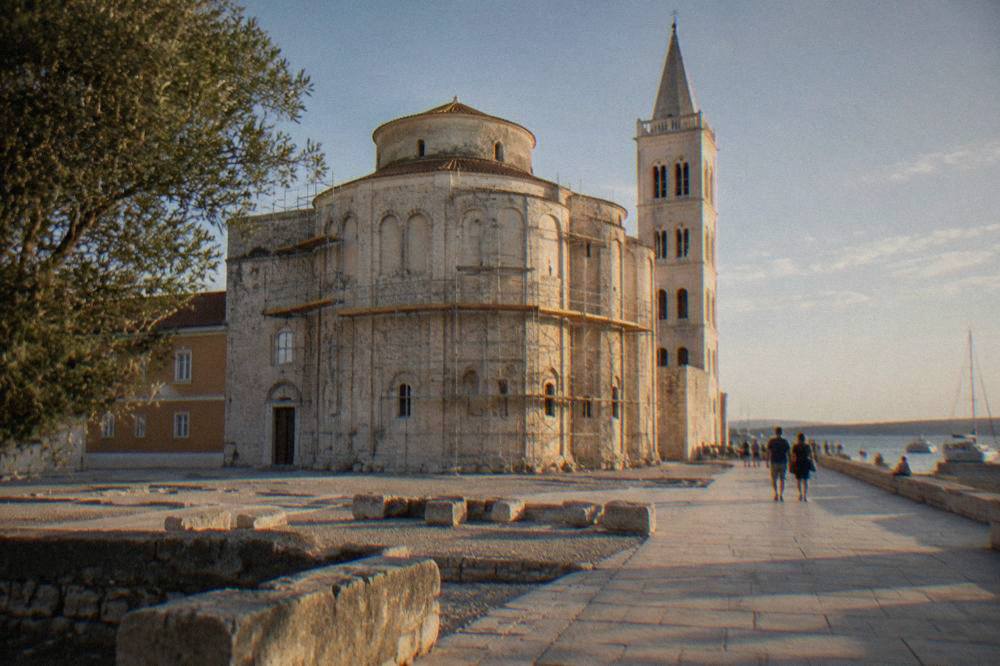
The tender figures tell you how serious the project is. The estimated value is about 1.3 million euro, with the Ministry of Culture and Media funding 600,000 euro for 2026, and seven bids were received by early October 2026 with the lowest at roughly 839,037 euro. For a visitor, the budget size does not change much day to day, but it signals that the exterior of the building will be a construction site for a substantial stretch of time, and the classic photographs of a clean round silhouette may need patience or particular angles.
The works do not empty the peninsula. The Roman Forum beside the church, the cathedral, the Land Gate of 1543 by Michele Sanmicheli, Five Wells Square and People's Square all remain public space, free to walk, and the riva installations keep their evening crowds. Even the museum tariff survives the works, because the Archaeological Museum's own buildings continue to operate normally. What the works change is the interior experience and the summer concert programme, which moves elsewhere for the duration.
| Restoration detail | Status |
|---|---|
| Roof works start | Planned from autumn 2026 |
| Roof works duration | About six months |
| Wider restoration | Roughly two years, first phase is the roof |
| During roof works | No programmes, group visits suspended, individual access by phase |
| Funding | About 1.3 million euro estimated, 600,000 euro from the ministry for 2026 |
If the church interior is closed on a given day, the surrounding quarter still fills an easy half day, and pairing the Old Town morning with an afternoon on the water is the pattern the rest of this guide follows.
Where Is St Donatus Church And How Do You Get There?
St Donatus Church stands on the Old Town peninsula of Zadar at the eastern edge of the Roman Forum, roughly five minutes on foot from the bus station side of the peninsula entrance and within a compact, entirely walkable historic core where no vehicle is needed. The peninsula, Poluotok, is narrow enough that the sea is never far: the riva with the Sea Organ and the Greeting to the Sun lies a few minutes west, and the ferry port at Gaženica sits about 5.2 km away by road, with the bus station about 2.6 km from the Old Town edge. Arriving from the airport, which lies about 8 km from the city by its own how-to-get-here page, the Liburnija shuttle runs to the bus station and onward toward the Old Town for 5.00 euro one way including luggage, in about 20 minutes, with the ticket valid for 90 minutes on city buses.
Distances on the peninsula are short, and the day-trip radius is what surprises first-time visitors: the parks and islands that define a full Zadar week all start from this small core. The table below gathers the verified road figures.
| From the Old Town | Road distance | Driving time |
|---|---|---|
| Bus station (Ante Starčevića 1) | 2.6 km | 6 min |
| Gaženica ferry port | 5.2 km | 10 min |
| Zadar Airport (Zemunik) | 13.3 km | 22 min |
| Nin | 19.8 km | 28 min |
| Paklenica National Park | 46.8 km | 57 min |
| Krka National Park (Skradinski Buk) | 91 km | 73 min |
| Plitvice Lakes National Park | 145 km | 153 min |
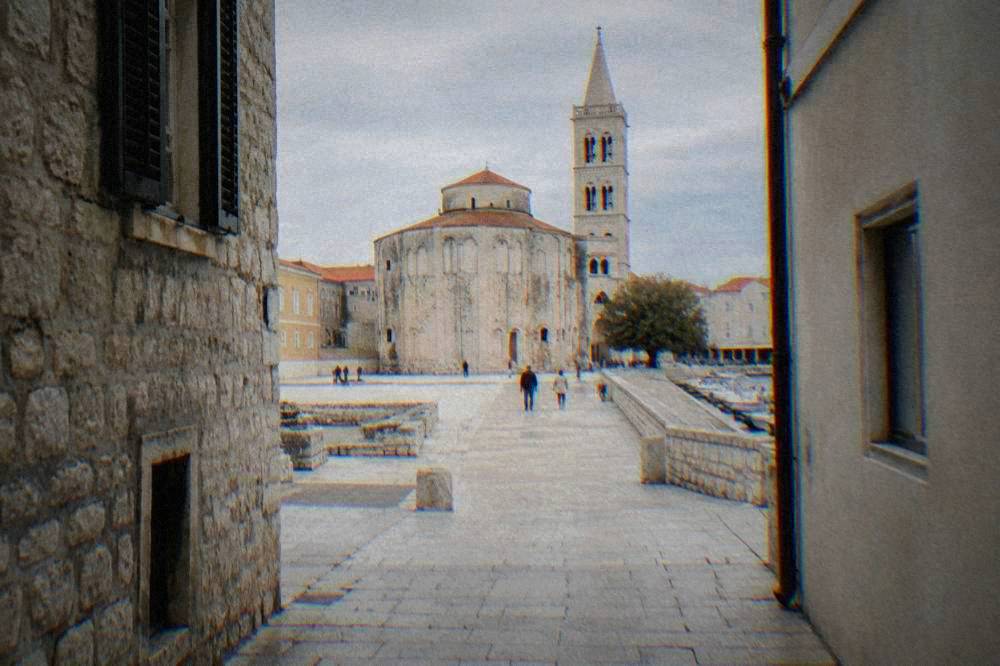
Inside the peninsula, navigation is trivial. The main street leads west and opens onto the Forum square where the church stands, and every other landmark on this page is within a short stroll. Visitors staying in Borik or along the coast can walk or take a city bus to the peninsula edge and continue on foot. One local quirk worth knowing: the Barkajoli rowing boats cross the narrow channel to the old harbour side in about 1.5 to 2 minutes for a euro or two, though no official fare list exists, so confirm with the boatman.
Old Town rules also bear on arrival. Dress-code signs posted at key access points in summer 2026 require appropriate clothing, with no swimwear or nudity, enforced by a warning and then fines up to 130 euro, and the municipality has moved to restrict night-time retail alcohol sales on the peninsula for the 2026 season, following a national law change; bars and restaurants are not covered. Neither rule affects ordinary daytime sightseeing around the church.
Once the stone core is covered, the sea takes over, and the Dugi Otok route is the one that pairs naturally with an Old Town day.
What Can You See Inside And Around St Donatus Church In Zadar?
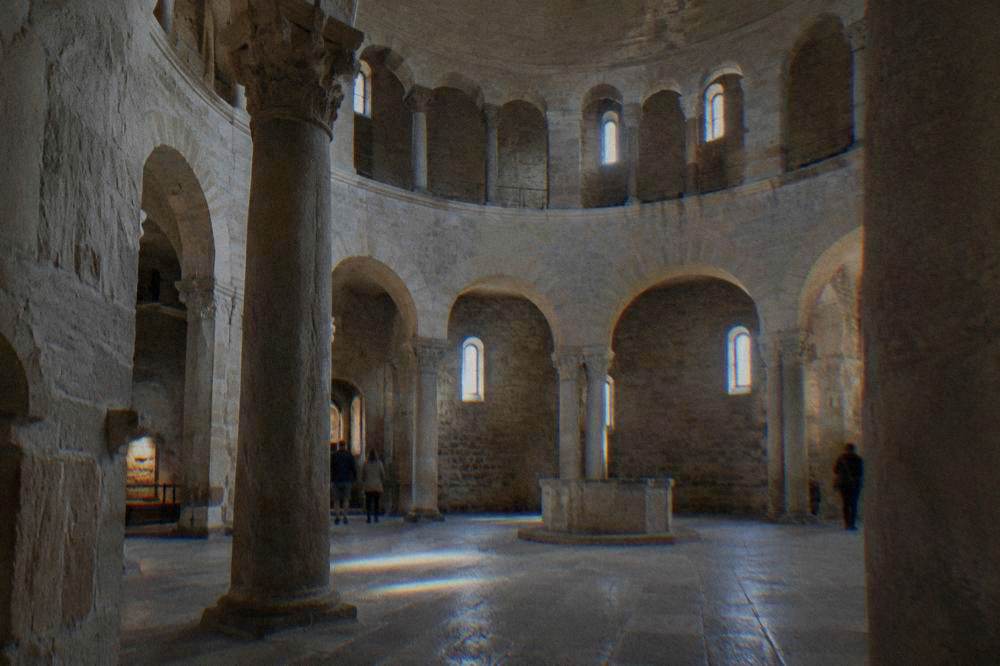
The interior of St Donatus is a bare round stone space with a gallery level and almost no furnishing, used as an exhibition and concert venue under the Archaeological Museum's administration, and its immediate surroundings hold the Roman Forum, the Cathedral of St Anastasia and the Archaeological Museum, all within one minute's walk of the church door. Inside, the appeal is proportion and acoustics rather than decoration: the plan centres on the round nave, and the museum uses the space for displays and seasonal concerts. During the 2026 roof works the interior may be partly closed, and the concert programme is suspended for their duration, so the exterior and the Forum become the reliable part of a visit.
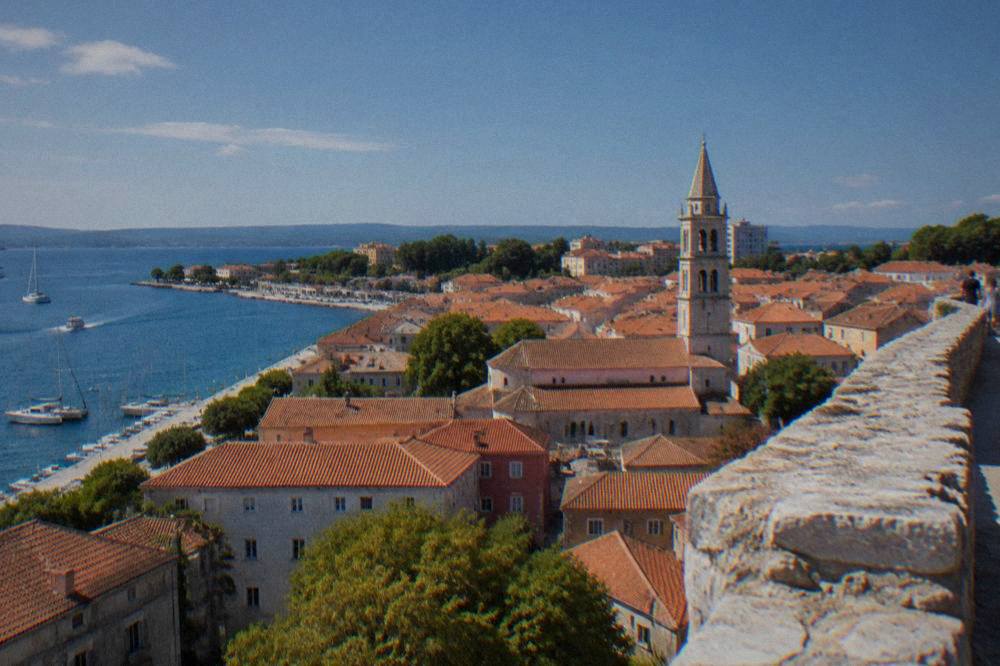
The Forum itself is the church's true setting. Excavated Roman columns and paving frame the church on its eastern side, and the space is free public realm at all hours, which makes it one of the city's default evening gathering points, a role that grows during Advent when the new ice rink opens on the Forum from 24 November 2026 as part of a programme running to 2 January 2027 across three locations. North of the church, the Cathedral of St Anastasia dominates the skyline, and its bell tower offers the classic view down over the round roof of St Donatus, though no official price or hours for the climb could be found, so confirm at the cathedral. The Archaeological Museum beside the Forum rounds out the shared ticket with collections covering the city's Roman and medieval layers.
A sensible circuit, all on foot and mostly free, runs: the Forum and church exterior, the cathedral, the Archaeological Museum if open, then Kalelarga east toward People's Square, with a return leg along the riva past the Sea Organ to the Greeting to the Sun for sunset. The one day in Zadar itinerary expands this into a full schedule, and the two-day and three-day versions add the islands and parks.
| Sight | Position relative to the church | Cost |
|---|---|---|
| Roman Forum | At the church's eastern side | Free |
| Cathedral of St Anastasia | About 1 minute north | Confirm at the cathedral |
| Archaeological Museum | Beside the Forum | Shared tariff, around 7 euro |
| Kalelarga | East, straight line | Free |
| Sea Organ and Greeting to the Sun | West, on the riva | Free |
| Land Gate | South-east approach | Free |
Between the free column of that table and the two paid museum entries, a full Old Town sightseeing day costs very little in tickets. The real budget decisions sit in the day trips, which is where the paid experiences concentrate.
Which Day Trips From Zadar Pair Well With The Old Town?
The day trips that pair well with St Donatus and the Old Town are the boat routes to Dugi Otok and Kornati, the inland parks at Krka and Plitvice, and the short hops to Nin and Pag, all starting from Zadar's peninsula, ferry port or bus station and all reachable within the distances tabled above. The logic is geographic: the Old Town consumes at most a day and a half of walking, and the surrounding region supplies the rest. The Dugi Otok route in particular is the closest match to a first visit, because it leaves from the city waterfront and returns the same day.
The Dugi Otok, sunken ship and tunnel half-day trip covers exactly the kind of coastal sights the peninsula cannot: the island's cliffs and coves, a wreck dive site and a military tunnel, all within a half-day frame that still leaves an evening for the riva. The tour has its own page on this site at 4 Jewels of Dugi Otok, where the itinerary and inclusions are set out in detail. For travellers who want the water without the island crossing, a shorter kayak or boat option works from the city shore, and the Zrmanja river kayaking route inland offers a freshwater alternative.
Park entry is the cost to plan for on the inland days, and every figure below comes from the parks' own 2026 price lists, quoted with its season.
| Park | Adult entry by season (2026) | Basis |
|---|---|---|
| Krka NP | 7 euro Jan-Mar, Nov-Dec / 20 euro Apr, May, Oct / 40 euro Jun-Sep | Per person, land sites |
| Plitvice Lakes NP | 10 euro Jan-Mar, Nov-Dec / 23 euro Apr, May, Oct / 40 euro Jun-Sep | Per person, 1 day |
| Paklenica NP | 5 euro Jan, Feb, Nov, Dec / 8 euro Mar, Apr, Oct / 10 euro May-Sep | Per person, 1 day |
| Telašćica Nature Park | 6 euro Jan-May, Oct-Dec / 8 euro Jun-Sep | Land entrance at Dolac |
| Kornati NP | 25 to 95 euro for 1 day depending on vessel length and season | Per vessel, bought outside the park |
The Kornati row is the one that catches people out: entry is charged per vessel by length and season, not per person, and it is bought outside the park boundaries. Swimmers should also note that swimming at Skradinski Buk in Krka has been banned since 2021 to protect the travertine, and is allowed only at designated spots, Roski slap, Stinice and Pisak, from 1 June to 30 September, weather permitting. The Krka National Park and Plitvice Lakes pages on this site cover both parks in full, and the question of which to choose has its own treatment in the three days in Zadar itinerary.
When Is The Best Time To Visit St Donatus Church In Zadar?
The best time to visit St Donatus Church is late spring or early autumn, when Zadar's mean temperatures run from 17.9 C in May to 20.2 C in September, rainfall is moderate, the crowds of high summer have thinned and the surrounding day-trip parks sit at shoulder-season entry prices, with October 2026 adult entry at 20 euro for Krka and 23 euro for Plitvice. The climate record behind that advice is the Zadar station, 1961-2024, published by the Croatian national meteorological service. July is the warmest month at a 24.5 C mean with only 35.4 mm of rain, and November is the wettest at 123 mm, so the two ends of the season feel very different.
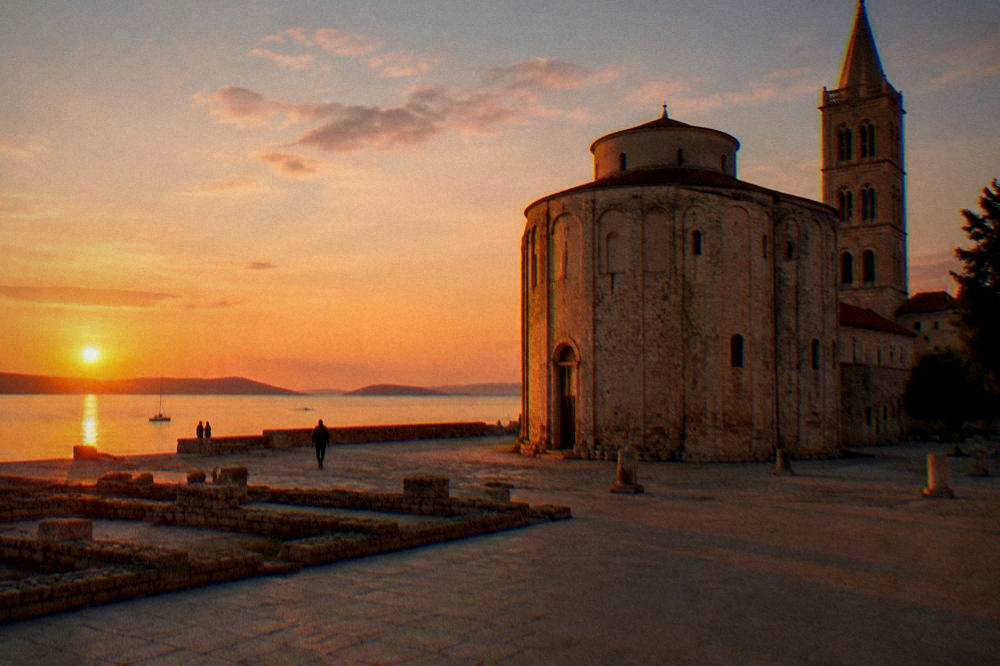
Winter visiting is underrated, with a caveat. January means a 7.3 C mean and short days, but the peninsula is quiet, the parks drop to their lowest entry prices, and Zadar Advent, running 24 November 2026 to 2 January 2027, fills the Forum beside the church with an ice rink and concerts, including the opening at Trg Petra Zoranića on 24 November and further dates into December. The Zadar Christmas Run on 27 December 2026 is part of the same programme. The caveat is the restoration: a winter 2026-27 visit may find the church interior closed for the roof works, though the Advent programme and the Forum itself continue around it.
| Month (Zadar station, 1961-2024) | Mean temperature | Rainfall |
|---|---|---|
| April | 13.4 C | 61.4 mm |
| May | 17.9 C | 64.4 mm |
| June | 21.9 C | 48.5 mm |
| July | 24.5 C | 35.4 mm |
| September | 20.2 C | 110.9 mm |
| October | 16.3 C | 106.8 mm |
| November | 12.1 C | 123.0 mm |
Sunshine runs to about 2,600 hours a year at the station, spread unevenly, with July the brightest month at 358.6 hours. Whatever the month, evening on the riva west of the church is the constant: the Sea Organ plays with the waves at all hours, and the Greeting to the Sun's light pattern follows sunset, though no fixed start time is published, so it simply follows the season's dusk.
How Does St Donatus Fit Into A Full Zadar Itinerary?
St Donatus Church anchors day one of almost any Zadar itinerary, sitting at the midpoint of the peninsula's walking spine between the Land Gate and the Sea Organ, with days two and three typically given to the islands by boat and the national parks inland, using the city as a compact base where everything on the peninsula is within a quarter hour on foot. The two days in Zadar itinerary formalises that split, and the four-day version adds Nin or Pag. The church's role is structural rather than time-consuming: an exterior circuit and, when open, a short interior visit, absorbed into a morning that also covers the Forum, the cathedral and one museum.
For cruise passengers, the church is the first landmark on the standard route from the port into the peninsula, and the things to do in Zadar roundup places it among the paid entries alongside the free installations. Independent travellers staying in the Old Town itself will pass it daily, which is part of its charm: the building rewards repeat glances at different hours, especially early morning before the square fills and late evening under the Advent lights in winter.
The boat day remains the strongest complement to the stone day. The Dugi Otok route, covered above, is the site's featured pairing for this page, and the Kornati and Telašćica full-day option reaches the archipelago whose entry fee is charged per vessel, a reminder that boat logistics, not walking, define that day. For freshwater, the Zrmanja kayaking route gives the region's river landscape, and the quad route inland adds the hinterland trails. Each has its details on the linked pages, and none requires a car if the departure transfer is included.
Practicalities for the whole stay: Croatia uses the euro since 1 January 2023 and is a Schengen member, the emergency number is 112, and Zadar charges a tourist tax collected by your accommodation, with the amount confirmed at booking. The airport shuttle's published fare is 5.00 euro; for taxis and ride-hailing, check the current fare with the operator before you set off.
Common Questions About St Donatus Church In Zadar
How much does it cost to visit St Donatus Church?
Around 7 euro at full price on the tariff shared with the Archaeological Museum Zadar, whose pricing page shows 7.00 and 5.00 euro rows, with free entry for children up to 10 and listed groups on Museum Night days. Reduced rates are confirmed at the desk.
Is St Donatus Church open during the restoration?
Roof works are planned from autumn 2026 for about six months. During the works no programmes or events are held, group visits are suspended, and individual access depends on the phase. Check with the Archaeological Museum before planning a visit around the interior.
Can you climb the Cathedral of St Anastasia bell tower?
The bell tower stands about a minute north of the church and offers views over its round roof, but no official price or hours were found for the climb. Confirm at the cathedral on the day of your visit.
Is St Donatus Church part of the UNESCO World Heritage Site?
The church itself is not inscribed. Zadar's fortification system is one of six components of the UNESCO Venetian Works of Defence property, inscribed in 2017, which covers the defensive system rather than the church.
What is next to St Donatus Church?
The Roman Forum stands at the church's eastern side as free public space, the Cathedral of St Anastasia rises just north, and the Archaeological Museum sits beside the Forum on the shared ticket. The Sea Organ and Greeting to the Sun are a few minutes west on the riva.
When is the best time of day to see the church?
Early morning before the square fills, and evening, when the Forum hosts the Advent ice rink from 24 November 2026 to 2 January 2027 and the riva installations follow sunset toward the Greeting to the Sun. No fixed light-show start time is published.
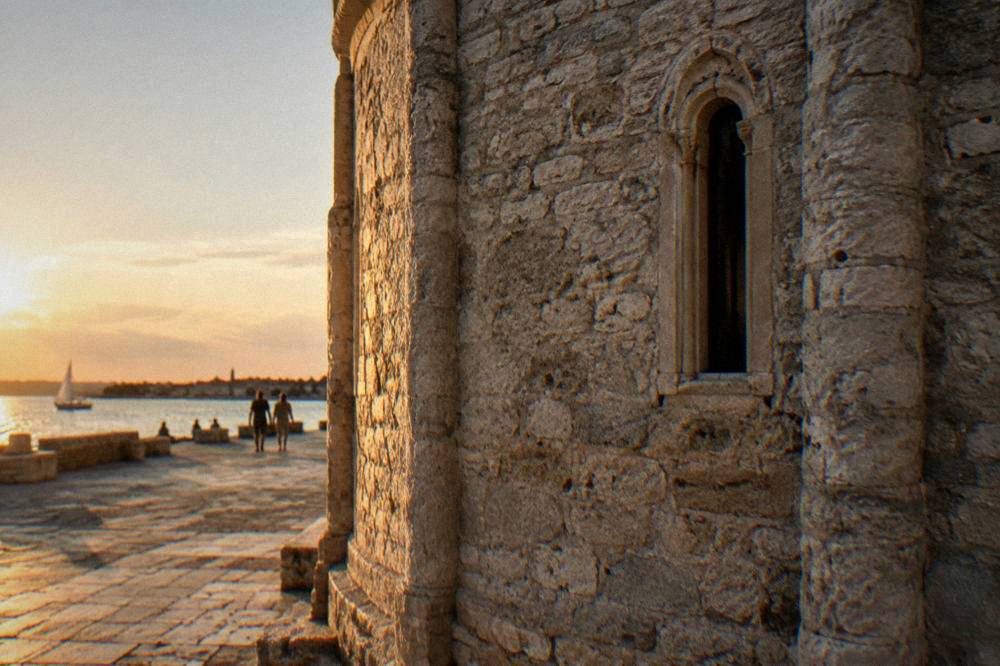
St Donatus Church rewards exactly the kind of unhurried visit the peninsula makes easy: a short paid entry on a shared museum tariff, a free Roman square at its feet, and a whole coast of islands, parks and rivers within a day's reach of its round stone walls, with the 2026 restoration the one development worth checking before you set the itinerary.
