Zadar To Dubrovnik Day Trip
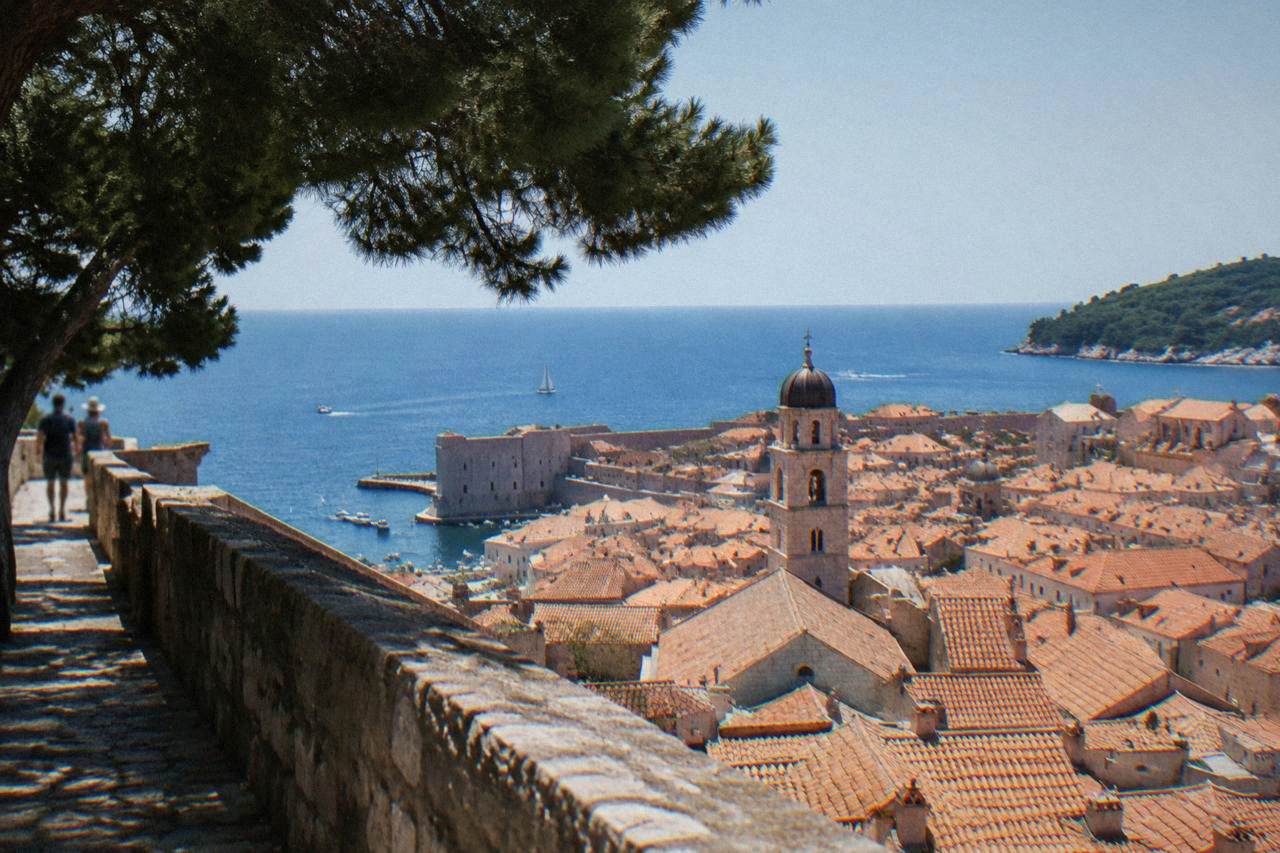
Dubrovnik sits at the far southern end of the Croatian coast, and the Zadar to Dubrovnik day trip is the longest single-day run a Zadar base allows. This guide sets out what is actually sourced about the route, what the drive passes, and when a closer day trip from Zadar is the better plan.
Short answer
There is no direct ferry between Zadar and Dubrovnik and passenger trains do not currently run to Zadar, so the trip runs by road, south past Split, 158 km from Zadar. A return run to Dubrovnik in one day is possible but it is a very long day; Krka, Plitvice, Nin and the islands are all shorter day trips from Zadar.
Dubrovnik stands at the southern tip of the Croatian coast, and the Zadar to Dubrovnik day trip is the longest single-day excursion a Zadar base realistically supports. Zadar itself is a coastal city in Dalmatia, on the Adriatic, with its Old Town on the narrow Poluotok peninsula and the islands of Ugljan and Dugi Otok offshore. The two cities sit at opposite ends of the Croatian littoral, which is exactly why this page exists: the trip is possible, but the arithmetic of distance and daylight deserves a hard look before anyone commits a holiday day to it.
This guide reports the numbers that matter for planning. It carries driving distances from Zadar to Split, Šibenik, Skradin, Nin and the national parks, while Dubrovnik's attractions, walls, prices and hours fall outside its scope, so no figures are offered for them. Where a figure exists it is given, and where it does not, the page says so plainly. That discipline is what separates a planning guide from a brochure, and on a route this long the difference matters in real money and real hours.
The other thing worth saying up front is that this page is written for the traveller already based in Zadar, not the traveller choosing between the two cities. If the choice of base is still open, the Zadar versus Dubrovnik comparison addresses that question directly, and the is Zadar worth visiting guide makes the case for the smaller city on its own terms.
Is A Zadar To Dubrovnik Day Trip Realistic?
A same-day return from Zadar to Dubrovnik is technically possible but it consumes nearly the whole day on the road, because the route runs the length of the Dalmatian coast past Split, which the Zadar airport page lists at 158 km from Zadar, and Dubrovnik lies well beyond Split. Passenger trains do not currently run to Zadar, so the coach is the practical option, and no direct ferry links the two cities. Allow a long day of travel either way.
That last point matters more than it might seem. A great deal of what circulates online about the Zadar to Dubrovnik drive is plausible but unchecked, so stick to figures you can confirm on the spot, such as the price at the toll booth. The guide to the Zadar to Dubrovnik route covers the practicalities of the journey in detail, and the Zadar versus Dubrovnik comparison looks at how the two cities stack up as bases.
What can be said with certainty is structural. The road south from Zadar passes the same corridor that carries the shorter day trips: Nin at 19.8 km, Paklenica at 46.8 km, Skradin at 76 km, Šibenik at 89 km, and Split at 158 km. Dubrovnik is beyond all of them. Anyone planning the run should treat it as an early start, a late return, and a decision made with open eyes rather than a casual add-on.
There is a second, quieter argument against the same-day dash: the corridor itself is the destination list. Every kilometre south of Šibenik passes towns and viewpoints that a through-drive treats as blur. Travellers who stop at even two of them arrive in Dubrovnik with no daylight left to use. The road-trip frame, covered further down this page, is the honest resolution of that problem.
How Do You Get From Zadar To Dubrovnik?
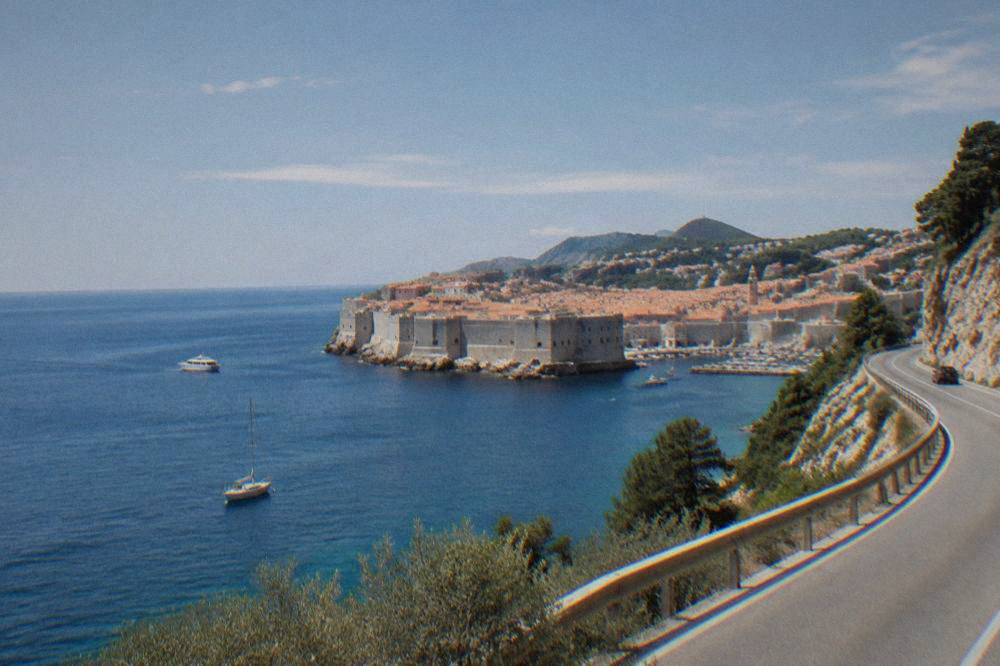
The only realistic public connection between Zadar and Dubrovnik is the long-distance bus along the coastal road, since passenger trains do not currently run to Zadar, and no direct ferry sails between the two cities. Zadar's bus station is at Ante Starčevića 1 and is operated by Liburnija; check the current schedule, fare and journey time for the Zadar to Dubrovnik service at the bus station or with the operator before travelling.
Driving is the alternative, and the road corridor south is the same one used for every southern day trip from Zadar. The distances involved give a sense of the scale of the coast:
| Destination from Zadar Old Town | Distance by road | Driving time |
|---|---|---|
| Nin | 19.8 km | 28 min |
| Paklenica National Park | 46.8 km | 57 min |
| Skradin | 76 km | 62 min |
| Šibenik | 89 km | 71 min |
| Krka, Skradinski Buk | 91 km | 73 min |
| Plitvice Lakes | 145 km | 153 min |
| Split (per the airport page) | 158 km | not stated |
Notice that Plitvice, at 145 km, is already considered a full-day outing from Zadar, and Split sits at 158 km by the airport page's figure. Dubrovnik is materially further south again. The can you take a ferry from Zadar to Dubrovnik page covers the sea option in full, including the coastal ferry hops that do exist elsewhere on the coast.
A note on getting here by rail: Zadar does have a railway station, next to the main bus station, but passenger trains do not currently run to it, so the practical overland routes are coach, car and ferry. Air travellers sometimes ask whether flying between the two cities shortens the day. Zadar Airport sits about 8 km from the city, but domestic flight routes and fares to Dubrovnik change often, so check with the airline before planning a connection.
For anyone determined to make the run, the practical advice reduces to three lines: book the transport before the season peaks, treat the journey time as the whole day's spine rather than a detail, and keep the return leg out of the late-evening hours on an unfamiliar coast.
What Should You Do Instead If The Day Is Too Long?
The shorter, better-sourced day trips from Zadar are the islands and parks on its doorstep: Ugljan and Dugi Otok offshore, Krka at 91 km to Skradinski Buk, Plitvice at 145 km, Paklenica at 46.8 km, and Nin at 19.8 km, all with verified distances and, for the parks, verified entry prices. A day trip that starts and ends in daylight, with real time at the destination, beats a marathon run to Dubrovnik that spends the day on tarmac.
The islands deserve special mention because they invert the problem. Instead of driving for hours, a boat leaves Zadar's harbour and the trip begins at the quay. The Kornati and Telašćica full-day boat trip with lunch reaches an archipelago that no car can touch, and Check availability if that sounds like a better use of the day than hours of driving.
For the parks, the entry prices are verified and seasonal, which makes planning straightforward. Krka charges 7 EUR in the winter months, 20 EUR in April, May and October, and 40 EUR from June to September, per the park's 2026 price list. Plitvice charges 10 EUR from January to March and November to December, 23 EUR in April, May and October, and 40 EUR in the summer season. Paklenica runs 5, 8 and 10 EUR across the same seasonal bands, and Telašćica's land entrance at Dolac is 6 EUR outside summer and 8 EUR in it.
| Park from Zadar | Winter adult | Shoulder adult | Summer adult | Verified distance |
|---|---|---|---|---|
| Krka NP | 7 EUR | 20 EUR | 40 EUR | 91 km to Skradinski Buk |
| Plitvice Lakes NP | 10 EUR | 23 EUR | 40 EUR | 145 km |
| Paklenica NP | 5 EUR | 8 EUR | 10 EUR | 46.8 km |
| Telašćica (land, Dolac) | 6 EUR | 6 EUR | 8 EUR | reached by boat from Sali |
| Vransko jezero | 6 EUR | 6 EUR | 6 EUR | within Zadar County |
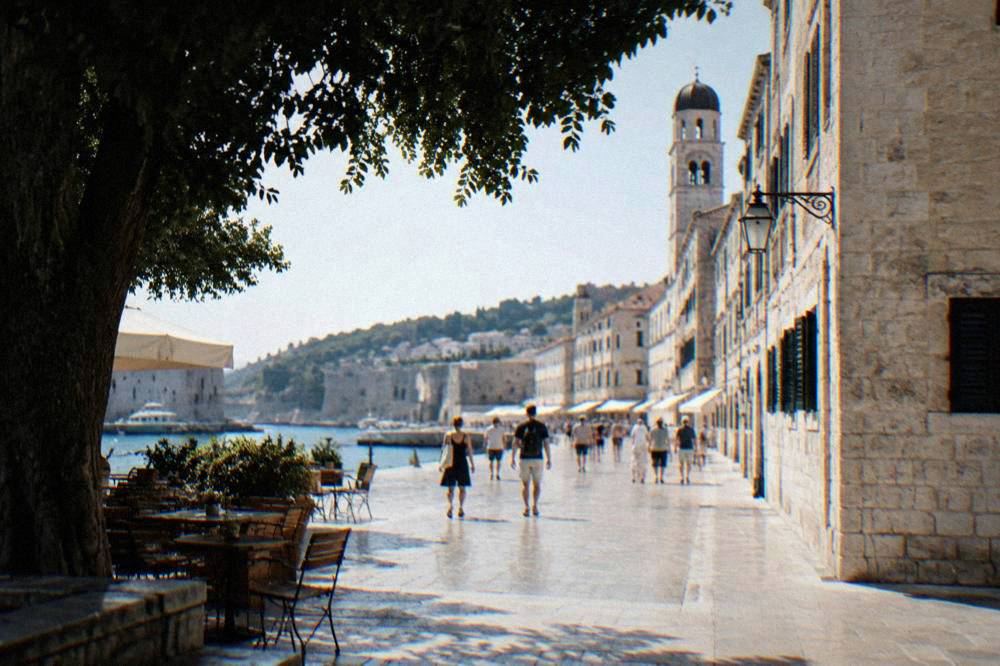
The seasonal price bands carry a planning lesson of their own. The same Krka day in October costs half the summer ticket, and Plitvice drops to 23 EUR in October and 10 EUR from November, per the park price lists effective from 1 October 2026. Off-season travellers who skip Dubrovnik and stay local get quieter parks and lower prices on the same landscapes.
The broader day trips from Zadar overview and the best day trips from Zadar page rank the options, and the one day in Zadar itinerary shows how much of the city itself fits into a single day without leaving the peninsula. The four day Zadar itinerary goes further, mixing city days with island and park days, which is the structure a Dubrovnik overnight would otherwise disrupt.
Is It Better To Visit Dubrovnik On A Longer Route?
Yes: Dubrovnik rewards an overnight or a multi-stop southern route rather than a same-day dash, and the site's Zadar Croatia road trip itinerary is built for exactly that, pairing the drive south with stops such as Šibenik at 89 km and Split at 158 km along the way. Turning the journey into the trip, rather than a tax on it, is the only version of this route where the distances start to work in the traveller's favour.
The road-trip frame also makes sense of Dubrovnik. Build the itinerary around the stops that reward planning, Šibenik, Split, and the park corridor, and let Dubrovnik be the destination at the end of the road rather than something squeezed into the tail of a day. The Split day trip page and the Šibenik day trip page carry the figures for those two intermediate stops.
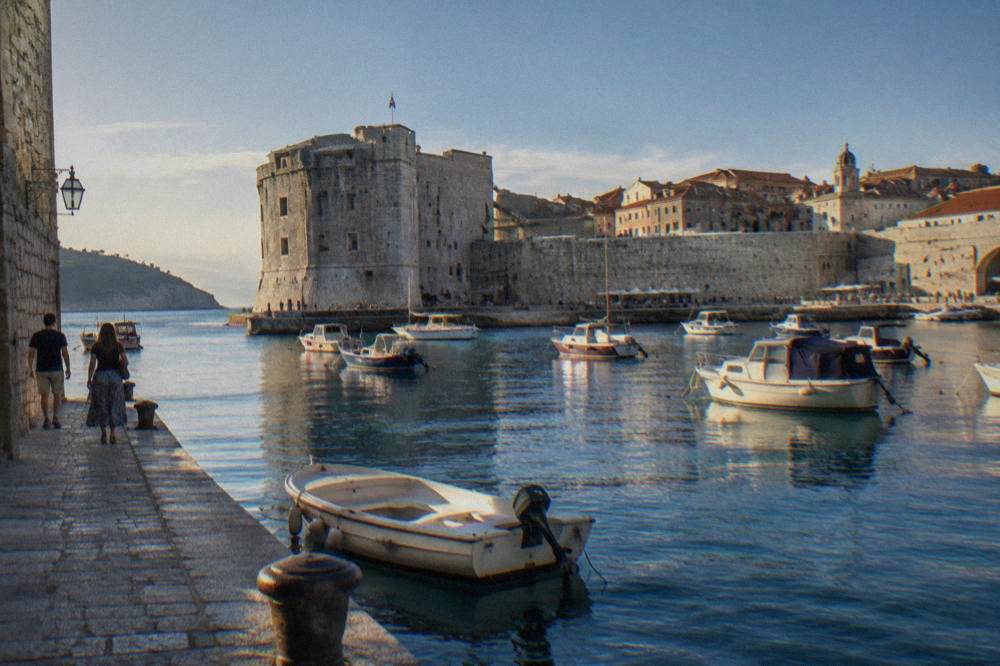
Weather is worth folding into that planning, because the drive south is best not attempted in the wettest months. The Zadar station record, 1961-2024, shows the shape of the Dalmatian year:
| Month | Mean temperature (Zadar station, 1961-2024) | Precipitation (mm) |
|---|---|---|
| January | 7.3 C | 76.4 |
| March | 10.0 C | 66.3 |
| May | 17.9 C | 64.4 |
| July | 24.5 C | 35.4 |
| September | 20.2 C | 110.9 |
| November | 12.1 C | 123.0 |
November is the wettest month in the record at 123 mm and July the driest at 35.4 mm, with about 2,600 hours of sunshine a year at the station. The autumn months carry the heaviest rain of the calendar, which is a real consideration for a long coastal drive booked on a tight schedule. July and August, the driest months, are also the months when the coastal road carries its heaviest summer traffic, so there is no month that is perfect on every axis, only trade-offs a planner can see in advance.
What Does The Trip Cost Compared With Staying Near Zadar?
The cost comparison favours the local option decisively: Zadar's headline waterfront installations, the Sea Organ and the Greeting to the Sun, are free and open at all hours, the Museum of Ancient Glass charges 7.00 EUR for an adult ticket, and the nearby parks run 5 to 40 EUR depending on park and season.
That asymmetry is not an argument against Dubrovnik, it is an argument about what this site can honestly claim. The Zadar side of the ledger is fully priced:
| Item in or near Zadar | Verified price |
|---|---|
| Sea Organ (2005, Nikola Bašić) | Free, open at all hours |
| Greeting to the Sun (2008, Nikola Bašić) | Free, open at all hours |
| Roman Forum, Five Wells Square, Kalelarga, Land Gate (1543) | Free public access |
| Museum of Ancient Glass, adult | 7.00 EUR |
| Museum of Ancient Glass, groups of five or more | 5.00 EUR |
| Archaeological Museum and St Donatus | around 7 EUR full price |
| Krka National Park, adult, by season | 7 / 20 / 40 EUR |
| Plitvice Lakes National Park, adult, by season | 10 / 23 / 40 EUR |
Add the fuel and time cost of the longest drive on the coast, and the arithmetic of a Dubrovnik day trip from Zadar becomes hard to defend against a morning on the Old Town or an afternoon on the water. The how many days in Zadar guide and the two days in Zadar and three days in Zadar itineraries lay out how the days stack up when the city itself is the destination.
The cost logic extends beyond tickets. A Dubrovnik day trip adds the price of the longest transport leg on the Croatian coast to the day's budget, plus whatever a traveller spends on food en route. A Zadar day built around the free waterfront installations, a 7.00 EUR museum ticket and a picnic keeps spending tight and easy to plan, and the money question, like the time question, resolves in favour of staying close.
What Are The Rules Worth Knowing Before A Long Day Trip From Zadar?
Three 2026 rules shape any long day out of Zadar: the city posts dress-code signs at key access points to the historic peninsula requiring appropriate clothing, with fines up to 130 EUR reported after a warning; Zadar County's new beach concession rules guarantee free public access on every concession beach, with commercial use capped at part of the area; and Krka National Park bans swimming at Skradinski Buk, permitting it only at designated spots from 1 June to 30 September.
None of these stops a Dubrovnik run, but all three catch travellers out on the way back through Zadar in the evening. A swim stop earlier in the day is fine, provided swimwear stays at the beach and does not walk back into the Old Town streets. The park rule matters for anyone combining the southern drive with a Krka visit: the designated swimming spots are Roški slap, Stinice and Pisak, and only in the stated window, weather permitting.
Practical country facts round out the list: Croatia uses the euro, since 1 January 2023, it is a Schengen member, and 112 is the emergency number. Zadar charges a tourist tax collected by the accommodation; confirm the exact amount when booking. Drivers planning the southern run should build their budget on local figures: check the current parking tariffs and the A1 motorway toll before setting out.
Which Tour Covers The Best Of What Dubrovnik Cannot Offer?
A boat trip into the Kornati archipelago and Telašćica Nature Park is the strongest like-for-like answer to Dubrovnik from a Zadar base, because the archipelago is reachable only by water, the entry fees are verified, Kornati charging per vessel by length and season rather than per person, and the Telašćica land entrance at Dolac costing 6 EUR outside summer and 8 EUR within it, all of it a few hours from Zadar's quay rather than a full coastal drive away.
The fuller picture of the island options is on the Kornati islands and Telašćica Nature Park pages, and the Dugi Otok guide covers the island the ferry reaches at Brbinj. If the evening is the part of the Zadar day that matters, the sunset boat tour in the picks below pairs a short cruise with the waterfront the city is known for.
The Plitvice option makes the opposite case: a long inland day, but one with verified prices, a seasonal drop to 23 EUR in October and 10 EUR from November, and a landscape that no coastal town can substitute for. Check availability for the guided version with a boat ride included.
The three tours in the band below cover the three axes of a Zadar stay: the archipelago by boat, the lakes by road, and the waterfront by sunset. Any one of them answers the Dubrovnik question the same way, by showing what the hours saved from driving can buy instead.
Common Questions About The Zadar To Dubrovnik Day Trip
How far is Dubrovnik from Zadar?
The drive from Zadar to Split covers 158 km, and Dubrovnik lies beyond Split at the southern end of the coast. The route guide covers the full journey in detail.
Can you take a ferry from Zadar to Dubrovnik?
No direct ferry links the two cities, and passenger trains do not currently run to Zadar. The dedicated ferry answer page explains the sea options that do exist along the coast.
Is one day enough for the trip?
One day is enough for the journey and a walk, not for Dubrovnik itself at any relaxed pace, given that the return run repeats the whole coastal corridor. An overnight, or the road trip itinerary with stops in Šibenik and Split, is the better frame.
What is the best bad-weather alternative?
The rainy day itinerary covers Zadar's indoor options, and the Museum of Ancient Glass at 7.00 EUR for an adult is a verified stop. September and November carry the heaviest rain in the Zadar station record, 1961-2024, at 110.9 and 123 mm.
Which day trips from Zadar are shorter?
Nin at 19.8 km, Paklenica at 46.8 km, Skradin at 76 km, Šibenik at 89 km and Krka at 91 km are all verified distances, and the islands of Ugljan and Dugi Otok sit just offshore. The best day trips from Zadar page ranks them.
Does Zadar charge a tourist tax?
Yes, collected by the accommodation, and the amount is confirmed at booking.
The honest summary from the Zadar Croatia Travel Guide editorial desk: the Zadar to Dubrovnik day trip is a real option for travellers who accept a very long day on the road, but everything verified about distances on this coast points the same way. Split at 158 km is already the far edge of a comfortable Zadar day trip, Plitvice at 145 km fills a full itinerary on its own, and the islands and parks within an hour or two of the city deliver the experiences no car journey can. Plan Dubrovnik as a journey with a night at the end of it, and spend the day-trip days closer to the peninsula.