Zadar Vs Dubrovnik
Zadar and Dubrovnik sit on the same Croatian coast but play very different roles in a Dalmatia itinerary. This guide compares them on what can actually be verified: Zadar's park day trips, its station-recorded climate, its priced sights, and the road and ferry links between the two.
Short answer
Choose Zadar as a base for national parks and island day trips with free waterfront sights; choose Dubrovnik for its walled old city and fly-in short breaks. Zadar's advantages: five parks within day-trip range, free Sea Organ and Greeting to the Sun, and lower museum and park entry fees in the shoulder season.
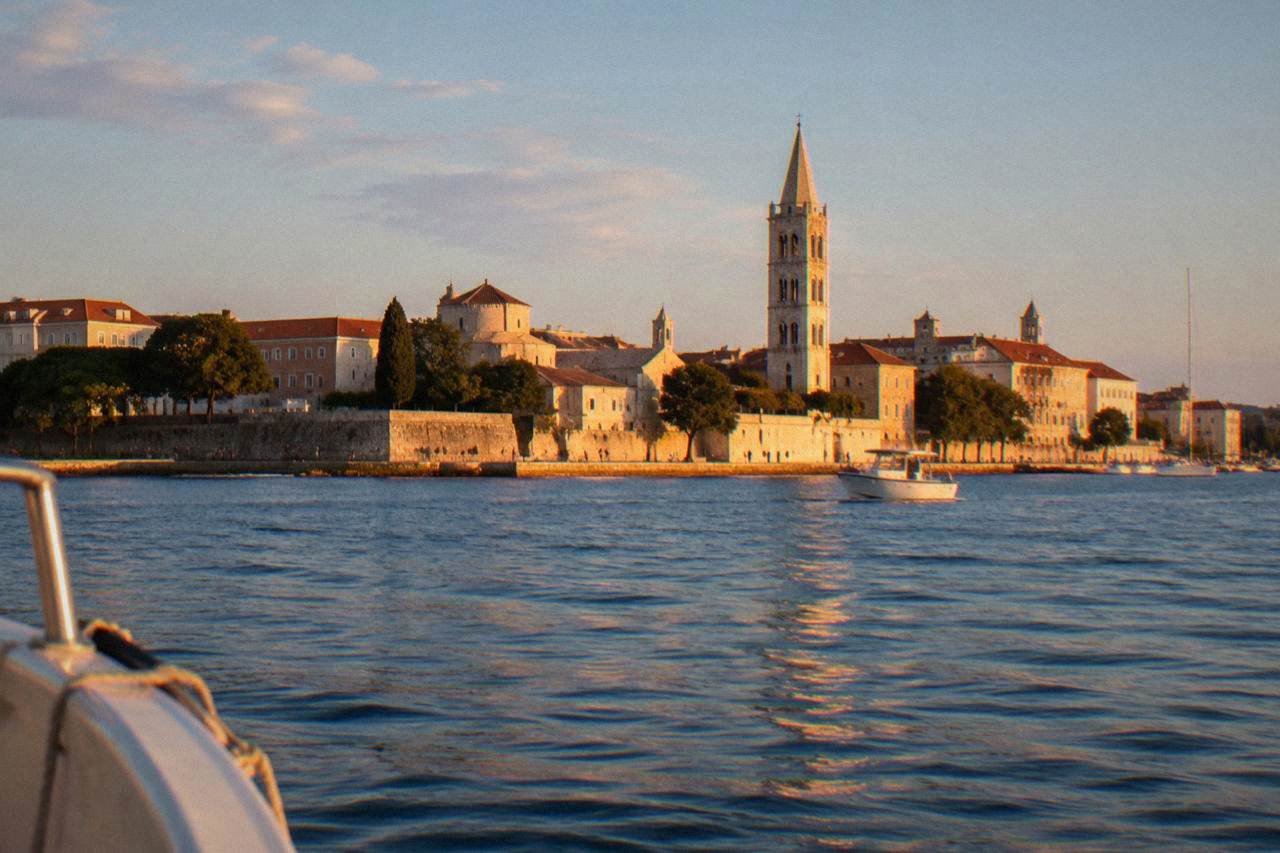
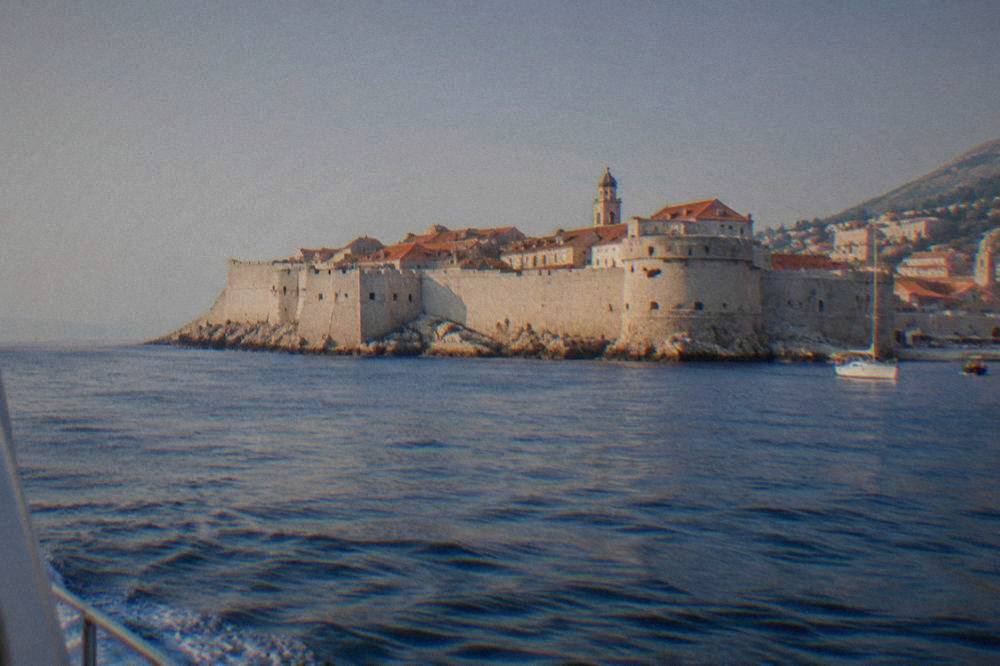
Zadar is a coastal city in Dalmatia, on the Adriatic Sea, with its Old Town packed onto a narrow peninsula and the islands of Ugljan and Dugi Otok sitting just offshore. Dubrovnik, far down the coast, is the walled city that fills the posters. Travellers with limited days in Croatia often have to pick one, and the honest comparison cannot be made on postcards. It has to be made on what the sources actually say: drive times, park tariffs, station-recorded weather, and what each city's own institutions publish. That is what this page does, from the Zadar Croatia Travel Guide desk, using verified Zadar figures and staying silent where Dubrovnik data was not sourced.
One framing note before the sections. The comparison below leans on Zadar's strengths and stops short of a verdict on Dubrovnik's attractions, prices or character. For the practical link between the two, see the dedicated Zadar To Dubrovnik route guide.
Why Compare Zadar And Dubrovnik At All?
Travellers compare Zadar and Dubrovnik because both are coastal Dalmatian cities with historic centres, but they fill different slots in a Croatia itinerary: Zadar works as a multi-day base for national parks and island boat trips, while Dubrovnik functions as a single-world-famous walled city that absorbs one to two sightseeing days. The choice usually comes down to trip shape, not city quality. A week based in Zadar can include Plitvice Lakes, Krka, Kornati, Paklenica and the islands, all as day trips from one bed. A week based in Dubrovnik has no equivalent spread of priced park destinations, so the comparison below uses Zadar's verified day-trip range as the measuring stick.
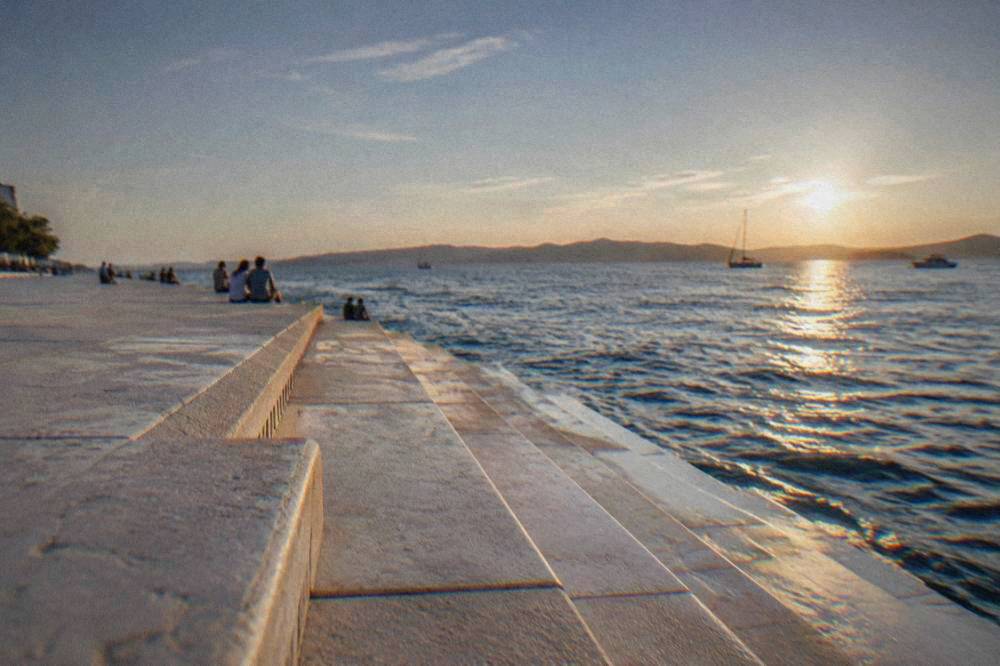
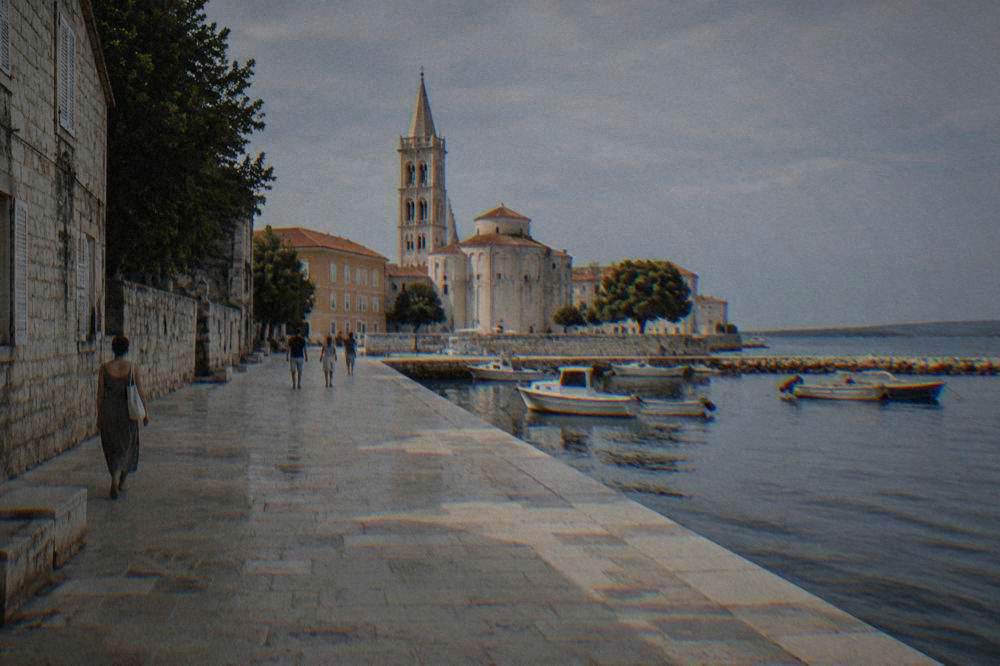
Zadar's own sightseeing core is unusually cheap. The Sea Organ, installed in 2005, and the Greeting to the Sun, installed in 2008, both designed by Nikola Bašić, are free public installations on the western tip of the peninsula, open around the clock. The Roman Forum, Five Wells Square, Kalelarga and the Land Gate of 1543 are all free public spaces. The priced sights, such as the Museum of Ancient Glass at 7.00 EUR adult, sit around them. Zadar is also one of six components of the UNESCO "Venetian Works of Defence" property inscribed in 2017, though the Old Town as a whole is not itself a World Heritage Site.
What can be said is structural: a city whose fame concentrates on one monumental sight rewards a short stay, while a city whose value spreads across a day-trip radius rewards a longer one. Is Zadar Worth Visiting covers the Zadar side of that question in detail.
What Does Zadar Offer That A Dubrovnik Stay Cannot Match?
Zadar's distinguishing offer is a day-trip radius covering five priced parks and a string of islands, all reachable from one accommodation, combined with a free waterfront of modern installations: Plitvice Lakes at 145 km, Krka's Skradinski Buk at 91 km, Paklenica at 46.8 km, Kornati by boat, and Telašćica by boat or ferry, plus the Sea Organ and Greeting to the Sun on the peninsula itself at no charge. No equivalent park network exists around Dubrovnik, and the drive times below are for trips starting in Zadar's Old Town.
The table shows the scale of it. Every distance is a road figure computed for this site from the Old Town, except where noted.
| Day trip from Zadar Old Town | Road distance | Driving time |
|---|---|---|
| Nin | 19.8 km | 28 min |
| Paklenica National Park | 46.8 km | 57 min |
| Skradin (Krka gateway) | 76 km | 62 min |
| Krka, Skradinski Buk | 91 km | 73 min |
| Šibenik | 89 km | 71 min |
| Plitvice Lakes | 145 km | 153 min |
Add the sea options and the picture widens further. Jadrolinija runs the Gaženica to Brbinj ferry on Dugi Otok in 1 h 40 min, and its crossing to Preko on Ugljan takes about 25 to 30 minutes. Boat tours from Zadar's harbour reach the Kornati archipelago, Telašćica Nature Park and the Sakarun lagoon on Dugi Otok without any ferry logistics at all. For a traveller weighing Zadar against another city, the deciding fact is this: Zadar's excursion range is priced and bookable, and it is the reason a Zadar day trips plan can fill four or five distinct days.
The island and boat side deserves its own paragraph, because it is the part of Zadar that a southern-city itinerary replaces hardest. Kornati National Park charges entry per vessel by length and season, from 25 EUR for a boat up to 6.99 m in the off-season to 95 EUR for 11 to 17.99 m in summer, and the ticket is bought outside the park itself. Telašćica charges 6 EUR at the land entrance off-season and 8 EUR in season. A guided boat trip bundles all of that logistics, which is why the Kornati option appears in the picks below.
For the lakes, the same logic applies. Plitvice sells timed tickets with daily limits in force, so a guided trip with pre-booked entry removes the one genuinely stressful part of that day. You can also read Krka Vs Plitvice if the two park names are competing for your days.
Which City Works Better As A National Parks Base?
That seasonal drop matters for trip timing. From 1 October 2026 the Plitvice adult one-day ticket is 23 EUR in October and 10 EUR in November and December, and Krka's all-sites adult ticket falls to 20 EUR in October and 7 EUR in the later winter months. Nothing equivalent was sourced for parks around Dubrovnik.
Here is the full price list, per person, for 2026:
| Park (from Zadar) | Adult ticket, low season | Adult ticket, shoulder | Adult ticket, Jun-Sep |
|---|---|---|---|
| Plitvice Lakes | 10 EUR (Jan-Mar, Nov-Dec) | 23 EUR (Apr-May, Oct) | 40 EUR before ~16:00 |
| Krka, all land sites | 7 EUR (Jan-Mar, Nov-Dec) | 20 EUR (Apr-May, Oct) | 40 EUR |
| Paklenica | 5 EUR (Jan, Feb, Nov, Dec) | 8 EUR (Mar, Apr, Oct) | 10 EUR |
| Telašćica | 6 EUR (Jan-May, Oct-Dec) | 6 EUR | 8 EUR |
| Vransko jezero | 6 EUR | 6 EUR | 6 EUR |
Kornati differs from all of the above: its fee is charged per vessel, by boat length and season, and it is purchased outside the park. That quirk makes Kornati the one park where joining an organised boat is not just convenience but the practical way to pay correctly.
The seasonal price ladder is the quiet argument for a Zadar base in October or the spring. The same Plitvice day that costs 40 EUR per adult in August costs 23 EUR in the first weeks of October and 10 EUR from November. Pair that with the climate record in the next section and the value case for an autumn Zadar trip writes itself. If that is the direction you lean, the guided lakes day trip is the article's featured pick: Plitvice from Zadar with guide and boat tour, with live dates via Check availability.
How Does The Zadar Climate Record Compare With The Croatian South?
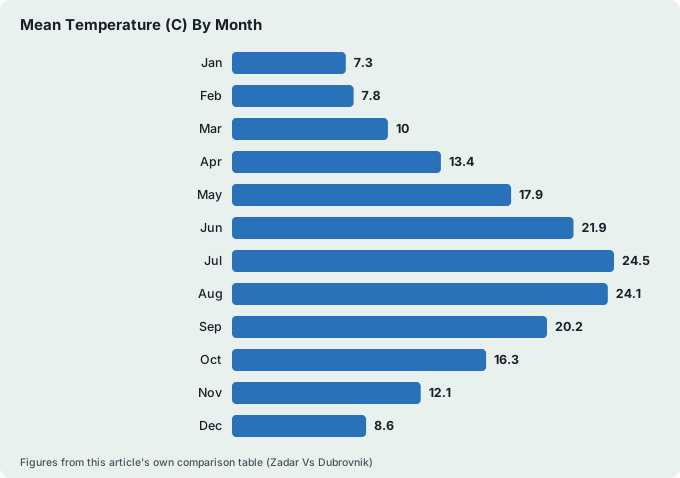
What the Zadar record does support is planning: it tells you which months combine warmth with low rainfall, and it corrects the inflated sunshine figures that circulate online.
| Month | Mean temperature (C) | Precipitation (mm) | Rain days |
|---|---|---|---|
| Jan | 7.3 | 76.4 | 10 |
| Feb | 7.8 | 67.0 | 9 |
| Mar | 10.0 | 66.3 | 9 |
| Apr | 13.4 | 61.4 | 10 |
| May | 17.9 | 64.4 | 10 |
| Jun | 21.9 | 48.5 | 8 |
| Jul | 24.5 | 35.4 | 5 |
| Aug | 24.1 | 52.8 | 6 |
| Sep | 20.2 | 110.9 | 9 |
| Oct | 16.3 | 106.8 | 9 |
| Nov | 12.1 | 123.0 | 12 |
| Dec | 8.6 | 99.6 | 12 |
Read the table before generalising. September and October carry more rain than the summer months, 110.9 mm and 106.8 mm respectively, but the mean temperatures, 20.2 C and 16.3 C, remain mild, and the rain arrives on only about nine days a month. July and August are the dry, busy, expensive months. Anyone claiming the south of the coast is dramatically warmer or drier is welcome to produce a station record; no such record is held here, so the page will not print one. The Zadar weather guide unpacks the full record, including the July and August count of days at or above 30 C, ten each.
Sea temperature gets asked about constantly, and the honest answer is narrow: only a live official reading exists for Zadar, published by DHMZ, and no monthly sea-temperature normal was found on an official page. Nothing is printed here that the sources do not carry.
How Much Do Zadar's Sights Cost Against A Dubrovnik-Style Short Break?
Zadar's priced sightseeing is cheap and mostly under 10 EUR: the Museum of Ancient Glass lists 7.00 EUR adult, the Archaeological Museum and St Donatus run around 7 EUR at full price on the AMZD tariff, and the two signature waterfront installations are free. What can be tabled is Zadar's own priced list, every figure from an official page.
| Zadar sight or activity | Price | Notes |
|---|---|---|
| Sea Organ (2005) | Free | Open public installation |
| Greeting to the Sun (2008) | Free | Open public installation |
| Roman Forum, Kalelarga, Five Wells Square, Land Gate | Free | Public spaces |
| Museum of Ancient Glass | 7.00 EUR adult | Official price list |
| Archaeological Museum and St Donatus | Around 7 EUR full price | Check the current tariff with the museum |
| Guided visit, Museum of Ancient Glass | 20 EUR Croatian, 30 EUR other languages | Per group of about 30 |
Some cautions travel with these numbers. St Donatus Church faces roof restoration from autumn 2026, about six months of works as the first phase of a roughly two-year restoration, with group visits suspended and individual access dependent on the phase: check access before planning a visit. Zadar charges a tourist tax collected by your accommodation, and the amount is confirmed at booking. None of that is hidden cost; it is simply the detail a short-break budget needs.
Two further 2026 rules shape the Old Town experience and are reported rather than official prices: dress-code signs at peninsula access points ask for appropriate clothing, no swimwear, with fines up to 130 EUR after a warning, and the city has signalled a night-time restriction on retail alcohol sales in the Old Town for the 2026 season. Neither applies to bars or restaurants in the way the reports describe the retail rule. Beachgoers should also know that county concession rules for 2026 forbid fencing or entry fees on concession beaches, with commercial zones capped at 40 to 60 percent of a beach's area.
How Do You Travel Between Zadar And Dubrovnik?
The dedicated Zadar To Dubrovnik guide carries the full route detail, and the ferry answers page addresses the sea question directly. What this section adds is the verified Zadar-side transport frame.
Zadar Airport sits about 8 km from the city by its own how-to-get-here page. The airport shuttle, run by Liburnija, costs 5.00 EUR one way including luggage, takes about 20 minutes to the Old Town via Gaženica ferry port and the bus station, and the ticket stays valid 90 minutes on city buses. The airport's own pages also give road distances from the terminal: Zagreb 297 km, Split 158 km, Rijeka 305 km. New for 2026, the airport's announcements show Wizz Air routes to Budapest and Warsaw from 7 June 2026, a new departures terminal presented on 24 July 2026, and all-year Zadar to Munich flights confirmed for the winter. The Zadar airport guide and the transfer page cover the rest.
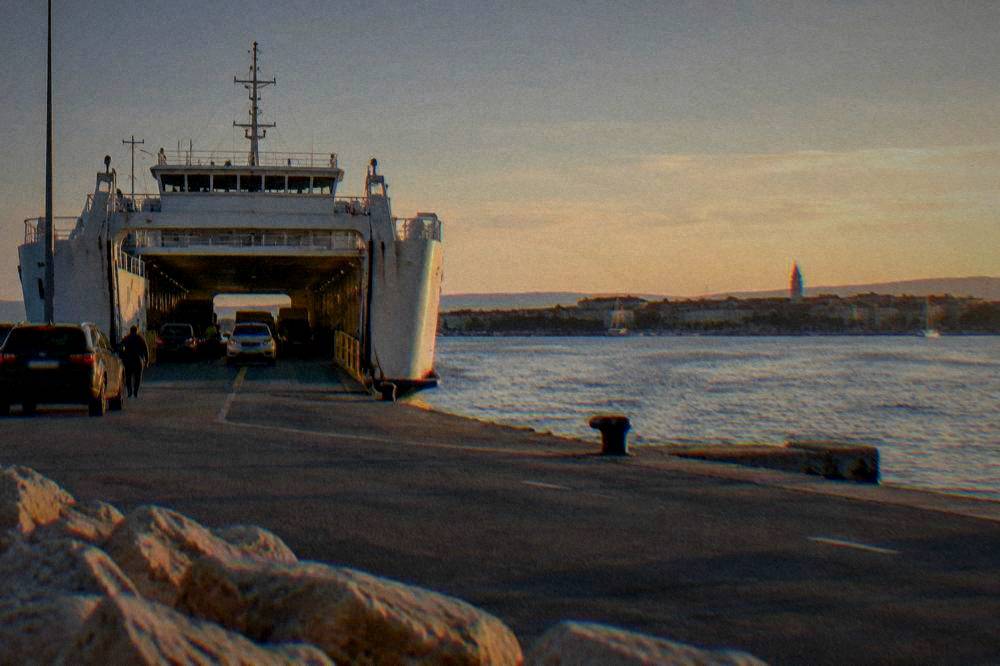
For the international angle, Jadrolinija's Zadar to Ancona fast catamaran ran its 2026 season from 26 June, extended to 6 September 2026, passenger-only and about four hours, but the 2027 season has not been announced. The Zadar ferry guide tracks the domestic island routes. If your itinerary splits the coast, the Zadar To Split guide handles the northern half of the southbound journey.
Where Should You Base A Longer Dalmatia Stay?
For a stay of four days or more, Zadar's verified advantages compound: the day-trip radius documented above, a walkable peninsula core, free evening waterfront installations, and seasonal park pricing that cuts costs in October and spring, while Dubrovnik's case for a long base rests on factors outside this comparison, so the recommendation here is framed on Zadar's record alone. The practical Zadar questions are answered elsewhere on this site: How Many Days In Zadar suggests a split of city days and excursion days, and Where To Stay In Zadar maps the peninsula, Borik, Puntamika, Diklo and Arbanasi against that plan.
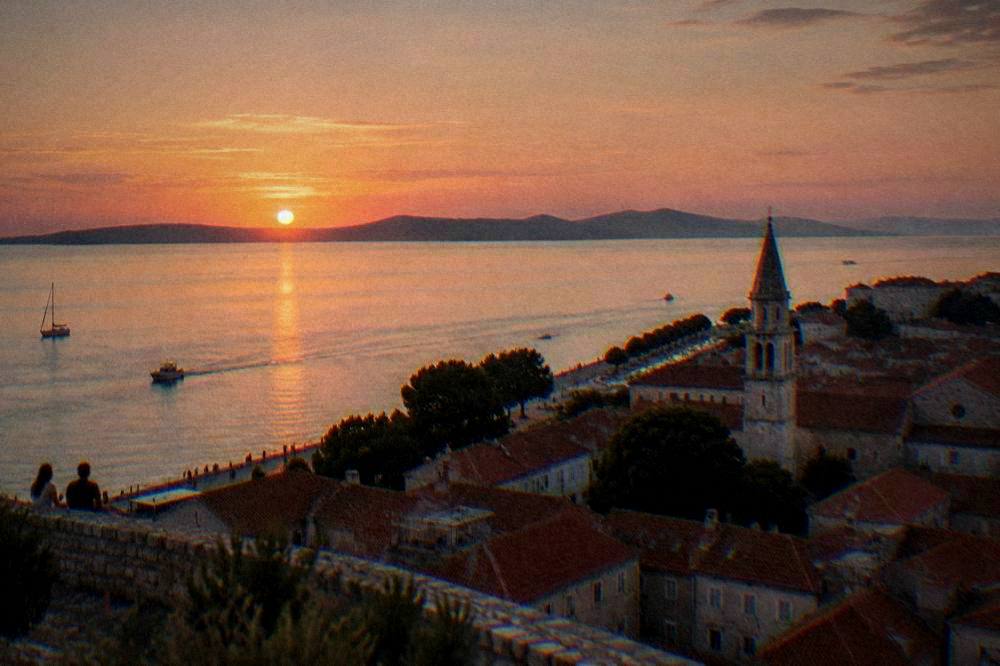
Evenings deserve the mention. The Sea Organ and the Greeting to the Sun are the sunset draw, free and open at all hours, and the riva between them is the stage. The sunset and evening route sequences it. Beyond the waterfront, the food and drink pages, Zadar restaurants and Zadar food, cover the local table, including the maraschino tradition, and Zadar Nightlife covers the late hours.
One planning note specific to 2026-27: Zadar Advent runs 24 November 2026 to 2 January 2027, expanded to three locations with an ice rink on the Forum, and the Zadar Christmas Run falls on 27 December 2026. A winter city break here is no longer an empty proposition, and the best time to visit guide weighs the seasons against the climate table above.
Is Zadar The Better Choice For Your Trip?
Zadar is the better choice when the trip is five days or more, park day trips matter, October or spring timing can capture the lower seasonal tariffs, and a free, walkable waterfront core appeals; Dubrovnik remains the choice for a short, sight-intense city break centred on its walled town, a case this page leaves to Dubrovnik's own sources rather than inventing figures for it. The decision rule is trip shape. A traveller flying in for a weekend wants density of spectacle within walking distance. A traveller with a week wants a base whose radius keeps producing new days.
Zadar's radius, on verified numbers, looks like this: two national park lake and waterfall systems at 91 km and 145 km, a canyon park at 46.8 km, an archipelago park by boat, a salt-and-history town at 19.8 km, and islands by 25-minute or 1 h 40 minute ferry. None of that requires moving accommodation. The city core adds the free Bašić installations, the Roman Forum, the 1543 Land Gate and a UNESCO-listed defence component from the 2017 inscription. Add the 2026 airport expansion and the all-year Munich link, and the logistics case strengthens further.
The honest caveats sit on Zadar's side too. September and October double the summer rainfall. The signature church is entering two years of phased restoration. Opening hours for at least one major museum conflict between sources and need local confirmation. And a share of the Old Town's evening rules tightened in 2026, from dress-code signage to the reported retail alcohol restriction. None of these break a trip; all of them reward a planner who reads past the postcards.
If the comparison has settled the argument in Zadar's favour, the practical next stops are the things to do in Zadar overview and the Zadar tours guide. If the parks are the draw, the picks below are the three this site rates for a first visit from a Zadar base.
Common Questions About Zadar Vs Dubrovnik
Is Zadar cheaper than Dubrovnik?
Zadar's prices were verified only, so no cross-city total is offered. Zadar's own figures are low: signature waterfront installations free, main museums around 7 EUR, and park day trips from 5 to 40 EUR by season. Confirm Dubrovnik's current prices at booking.
Which city is better for national parks, Zadar or Dubrovnik?
Zadar, on every figure sourced here. Plitvice, Krka, Paklenica, Kornati and Telašćica all sit within its day-trip range, with 2026 adult fees from 5 EUR at Paklenica in winter to 40 EUR at the big two in summer.
Can you take a ferry from Zadar to Dubrovnik?
No direct Zadar to Dubrovnik ferry was found on the route pages checked. The practical link is road, driving south past Split, which lies 158 km from Zadar by the airport's distance table.
Is Zadar warmer than Dubrovnik?
No station record for Dubrovnik was verified, so the comparison is not made. The Zadar station table, 1961-2024, shows a July mean of 24.5 C and a January mean of 7.3 C.
How many days should I spend in Zadar instead of Dubrovnik?
The site's own planning guide suggests enough days to pair city time with excursions, since the park radius rewards a longer stay. See How Many Days In Zadar for the day-by-day split.
Is Zadar Old Town worth visiting on its own?
Yes, on the free-sights record: the Sea Organ, Greeting to the Sun, Roman Forum, Kalelarga, Five Wells Square and the 1543 Land Gate cost nothing, and the Museum of Ancient Glass lists 7.00 EUR adult. Note St Donatus may have limited access during roof works from autumn 2026.
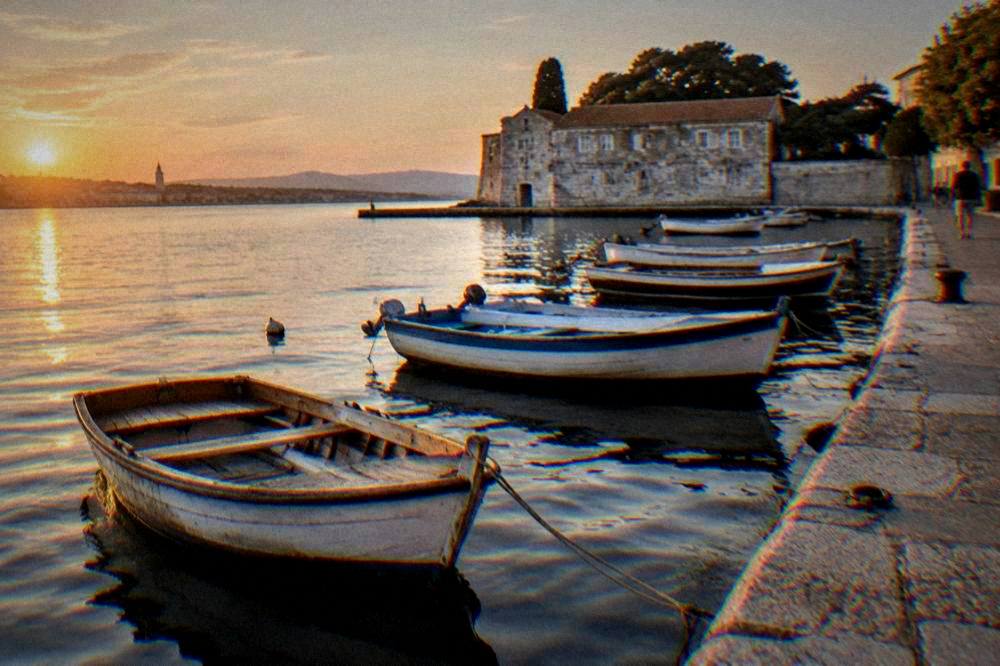
The two cities will keep pulling at the same itineraries, and both can win for the right traveller. The pattern is consistent, though: Dubrovnik sells one unforgettable walled day, while Zadar sells a week of them, with the lakes, the waterfalls, the archipelago and a free sunset soundtrack all within reach of a single booked bed.
