Ferry Ancona To Zadar
The Ancona to Zadar link is a seasonal fast catamaran, not a year-round car ferry, and that single fact shapes every plan built around it. This guide reports what Jadrolinija's own announcements say about the 2026 season, where the boat docks, and how to move on from there.
Short answer
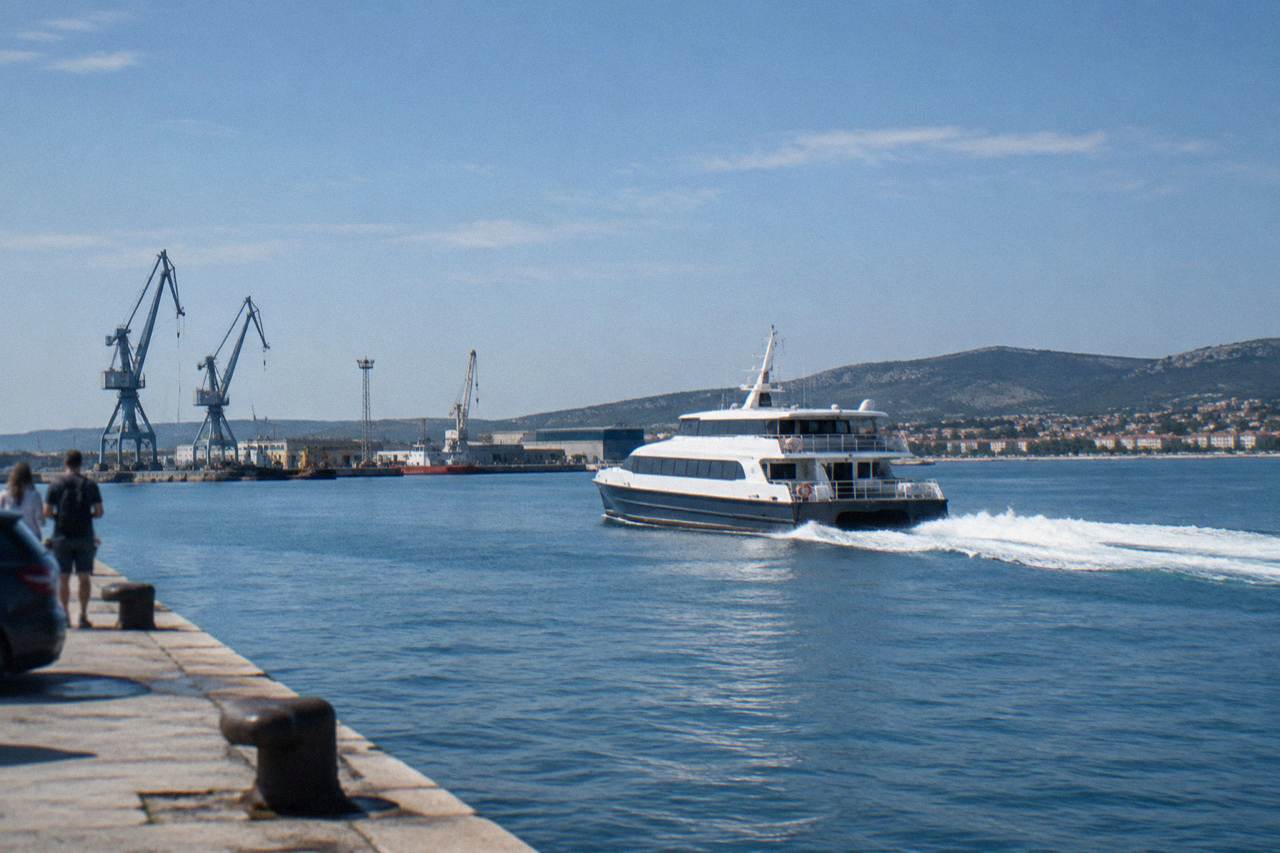
Jadrolinija ran a passenger-only fast catamaran from Zadar to Ancona roughly four times a week from 26 June to 6 September 2026, a crossing of about 4 hours. The 2027 season has not been announced, so check Jadrolinija's route pages before planning.
The sea route between Italy and Dalmatia has always been the shortcuts-and-detours kind of journey, and the Zadar end of it is no exception. Zadar sits on a narrow peninsula on the Croatian coast, and the port that handles its international traffic, Gaženica, sits a few kilometres south of the Old Town rather than beside it. Jadrolinija, the Croatian state operator, ran a fast catamaran on the Ancona route through the 2026 summer season, and the operator's own announcements describe a passenger-only service of about 4 hours. This guide reports what those sources say, connects the arrival point to the rest of the city, and sets out what the crossing opens up once you are ashore.
Is There A Ferry From Ancona To Zadar?
Yes, but as a seasonal fast catamaran rather than a year-round car ferry. Jadrolinija operated line 51 between Zadar and Ancona as a passenger-only summer service in 2026, running from 26 June to 6 September, up to five times a week, with a crossing of about 4 hours on the vessel Jelena. The season was extended past its original 30 August end date to 6 September because of demand, and no 2027 dates have been announced.
That last sentence is the one to hold on to. The service is new enough that its future shape is not settled in any published timetable, and anything a secondhand site claims about next summer is a guess dressed as a schedule. Jadrolinija's route and news pages are the place where the season gets announced, and until they publish it, no date on this or any other page should be trusted. The basics of the Zadar ferry network are stable, but the Italy link is the moving part.
Two practical consequences follow from the passenger-only design. First, you cannot bring a car across on this line: the vessel takes foot passengers, so a driving itinerary that starts in Italy has to reach Croatia another way. Second, the timetable is built around the summer weeks, so shoulder-season travellers arriving from Italy will usually be routed through other ports or other transport entirely. If your heart is set on arriving by sea, the window is roughly late June to early September, and the window moves only when the operator says so.
How Long Does The Ancona To Zadar Crossing Take, And What Is The Boat Like?
The crossing takes about 4 hours on the catamaran Jelena, a fast passenger vessel rather than a conventional overnight ferry, and in 2026 it sailed up to five times a week between 26 June and 6 September. Because it is passenger-only, there is no car deck, and the schedule runs as a daytime crossing rather than an overnight sailing with cabins.
The contrast with the classic Italy-to-Croatia crossings is worth spelling out. The conventional overnight ferries on other Adriatic routes bundle a cabin, a long night at sea and a car deck into one ticket. Line 51 is a different product: a daytime sprint across the Adriatic aimed at foot travellers who want to be in Dalmatia by afternoon. Jadrolinija's announcement of the extended season, published in late August 2026, frames the extra September sailings as a response to demand, which tells you the boat was running full in high summer. Booking early in July and August is the obvious reading of that fact, though the operator publishes no occupancy figures.
| Line 51 fact | What Jadrolinija's pages say |
|---|---|
| Route | Zadar to Ancona, Italy |
| Vessel | Jelena, fast catamaran |
| Passenger type | Foot passengers only, no vehicles |
| Crossing time | About 4 hours |
| 2026 frequency | Up to 5 sailings a week |
| 2026 season | 26 June to 6 September, extended from 30 August |
| 2027 season | Not announced |
What you do with the hours aboard is a fair question and an honest answer is that the operator describes the vessel, not the catering. Treat the crossing as sea transport with a view rather than a cruise, and pack accordingly: water, something to read, and passports within reach for both countries' controls. Croatia is in the Schengen area and has used the euro since 1 January 2023, so there is no currency change on arrival, but a sea border is still a border and documents get checked.
Where Does The Ferry Arrive In Zadar, And How Do You Reach The Old Town?
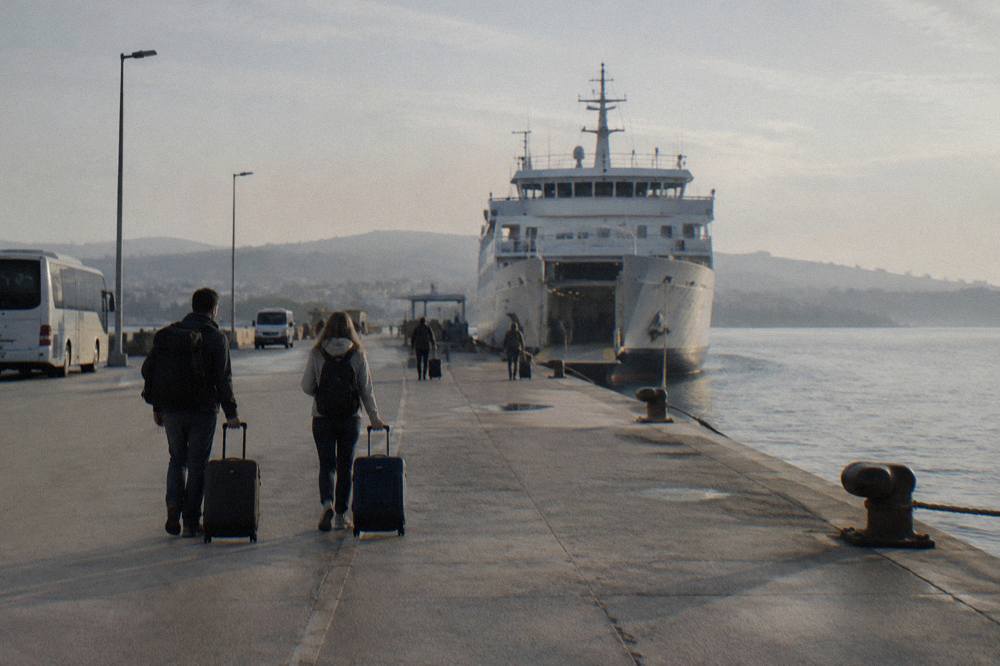
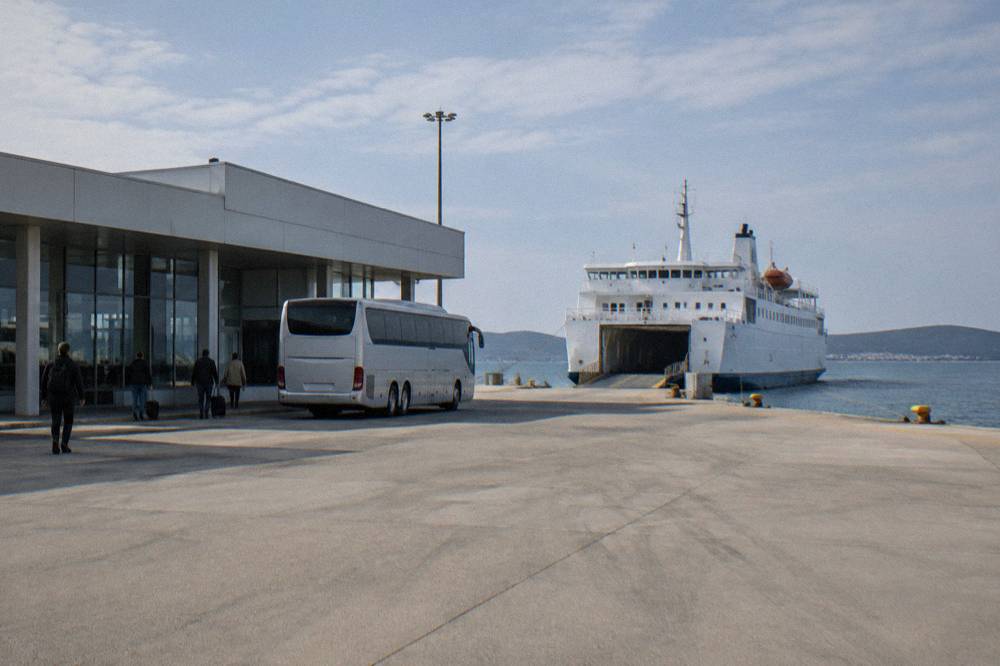
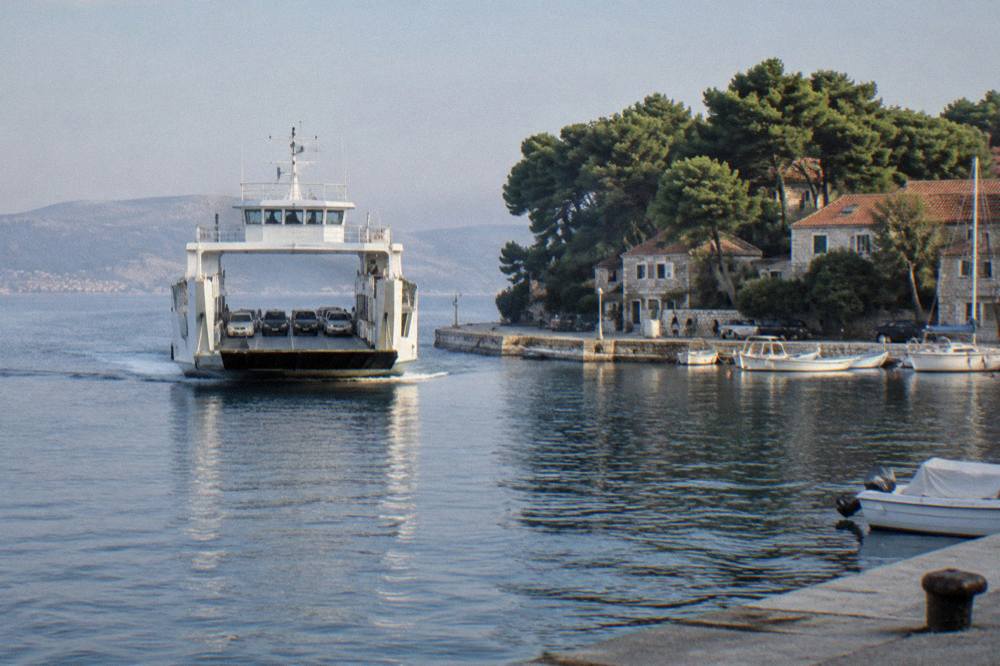
The catamaran uses the Gaženica ferry port, about 5.2 km from the Old Town by road, roughly 10 minutes of driving, not the historic harbour beside the peninsula. The Zadar airport shuttle run by Liburnija stops at Gaženica on its route between the airport, the bus station and the Old Town, and the airport page confirms the shuttle at 5.00 EUR one way including luggage, about 20 minutes airport to city.
Gaženica is the working port, and its location south of the peninsula is the single most useful fact for planning an arrival. The computed road distances from the Old Town, based on OSRM routing, put the main bus station at 2.6 km and Gaženica at 5.2 km, so a foot arrival is a short transfer, not a walk with luggage. Local buses connect the port to the city, and the Liburnija-operated city network runs from the bus station at Ante Starčevića 1. For the details of that first transfer, the airport to city centre guide covers the same shuttle and bus mechanics that apply at Gaženica.
Once you are on the peninsula, the geography becomes simple. The Old Town, Poluotok, is a compact car-light grid where the Roman Forum, the Sea Organ and the Land Gate of 1543 all sit within a few minutes' walk of each other. Deciding where to base yourself is mostly a choice between the peninsula itself and the mainland districts, and the where to stay in Zadar guide breaks those areas down. Arriving without a car makes the peninsula or its immediate surroundings the natural pick.
| Place | Distance from the Old Town | Time by car |
|---|---|---|
| Gaženica ferry port | 5.2 km | 10 min |
| Main bus station | 2.6 km | 6 min |
| Zadar Airport | 13.3 km | 22 min |
| Nin | 19.8 km | 28 min |
| Paklenica National Park | 46.8 km | 57 min |
| Skradin (for Krka) | 76 km | 62 min |
| Plitvice Lakes | 145 km | 153 min |
Do You Need A Car If You Arrive By Ferry In Zadar?
For the city itself and the near islands, no: the Old Town is walkable, the islands of Ugljan and Dugi Otok have their own Jadrolinija crossings from Zadar, and the organized day trips to Krka, Plitvice and the Kornati islands leave from the city. A car earns its keep for coastal hopping north and south, with Nin 19.8 km, Paklenica 46.8 km and Pag Town 54 km away by road.
The honest framing is that the ferry deposits you in one of the least car-dependent cities on this coast. The peninsula restricts traffic, the Riva waterfront and the beaches at Kolovare sit within walking or short bus range, and the two ferry lines to the islands take foot passengers as a matter of course. If the question of islands pulls at you, it gets its own treatment in the is-there-a-ferry-from-zadar-to-italy answer page and the wider ferry guide.
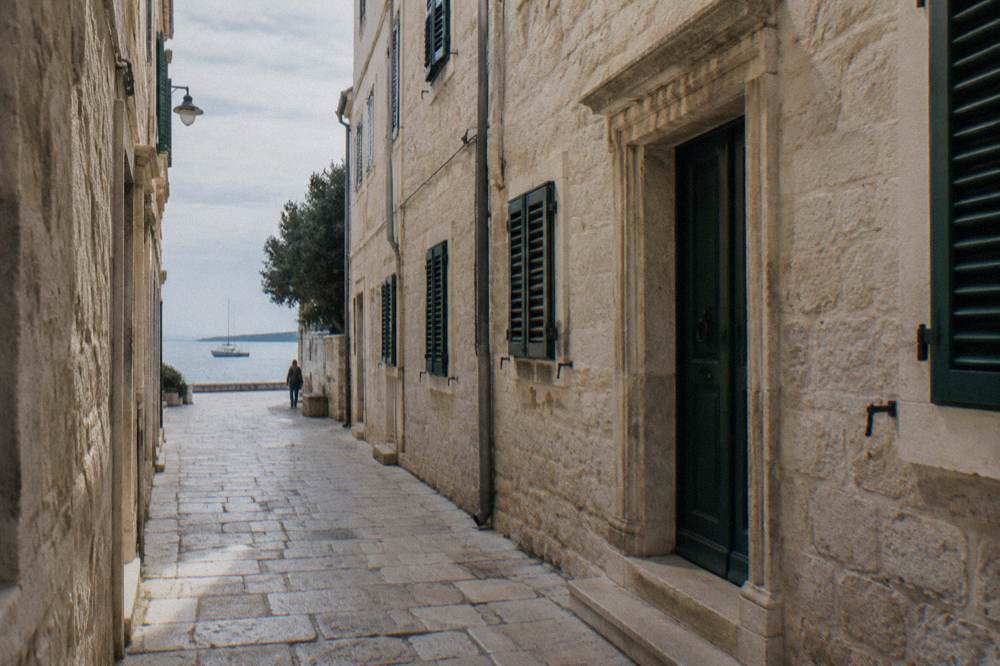
Where a car changes the trip is the lateral stuff. Nin and its salt pans, the Velebit mountain trails at Paklenica, Pag's lunar interior, and the long drive to Plitvice at 145 km are all easier on four wheels. The Zadar road trip guide lays out the loops. But note what the table above already implies: Krka's gateway at Skradin is barely an hour's drive, close enough that a guided departure without a car is entirely workable, and the Plitvice run is a long day however you cut it.
What Can You Do In Zadar Without Taking Another Ferry?
A full stay fits inside the city itself: the Sea Organ of 2005 and the Greeting to the Sun of 2008 are free, open-at-all-hours installations on the western quay, and the Archaeological Museum and St Donatus run on a tariff showing rows of 7.00 and 5.00 EUR. Beyond the peninsula, half-day boat trips, kayak tours and guided park excursions all depart from the city.
Start with the quay, because it is the reason the sunset here gets quoted so often. The Sea Organ, built by Nikola Bašić, turns wave movement into sound through pipes set in the steps, and the Greeting to the Sun beside it is a 22 m circle of solar-powered glass plates that releases stored light after dark. Neither sells a ticket, both are open around the clock, and no verified light-show start time exists, so treat the evening display as something you wait for rather than something you time. The Sea Organ and Greeting to the Sun pages go deeper on how each works.
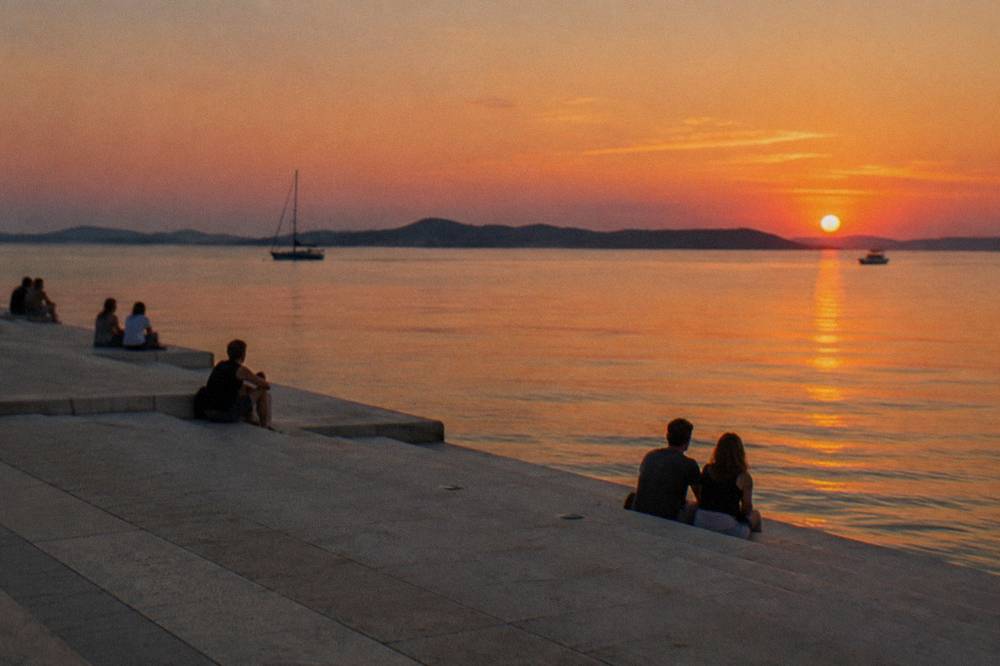
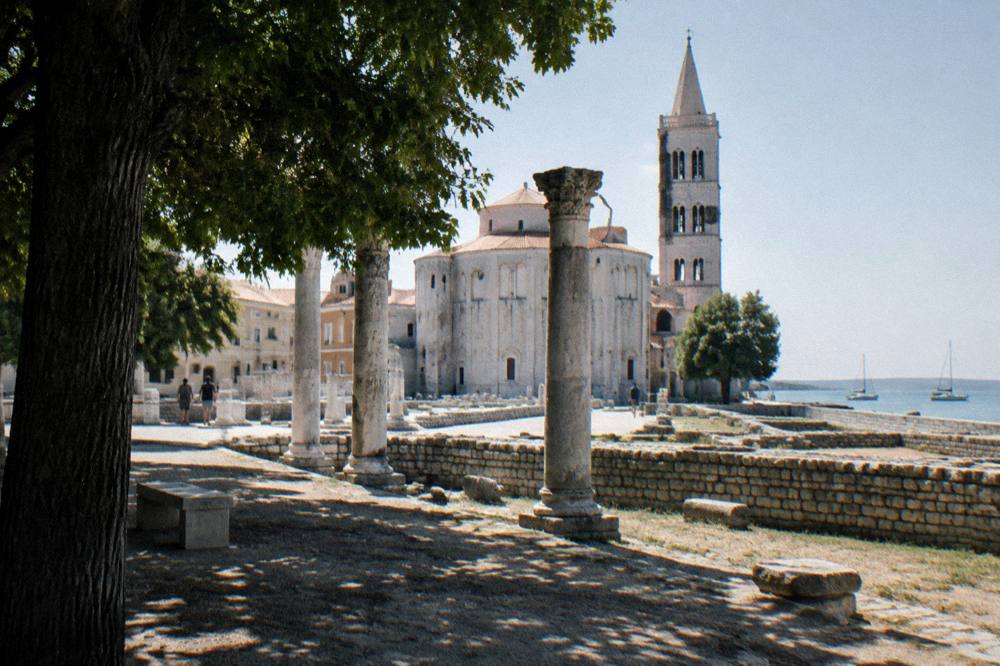
The museums carry the indoor hours. The Museum of Ancient Glass, whose ticket page lists 7.00 EUR for adults, 5.00 EUR for groups of five or more and 4.00 EUR for schoolchildren, with guided tours at 20 EUR in Croatian and 30 EUR in other languages, holds Roman glasswork recovered from the waters off this coast. Its opening hours conflict between sources, so use the museum's own hours page before going. St Donatus, the circular stone church that defines the city's skyline, faces roof restoration works planned from autumn 2026 for about six months, so access may be limited and is worth checking before a visit. For a first circuit of the peninsula, one day in Zadar sequences the Forum, Kalelarga and the quay into a single walk.
Water-based departures round it out. The boat trips leaving from the Old Town harbour reach swimming stops among the islands within a short sail, and one of the best-reviewed options is the Zadar: Luxury Island Boat Tour, Snorkeling & Unlimited Wine, with live pricing on the operator's live listing.
For a first day focused on the water rather than the streets, the shorter snorkeling sailings cover the same near-island coastline in a smaller window, which suits an arrival day when the catamaran lands at midday and the afternoon is the only block of daylight left. The wider set of guides lives on Zadar Croatia Travel Guide.
What Does The Zadar Climate Mean For Your Ferry Timing?
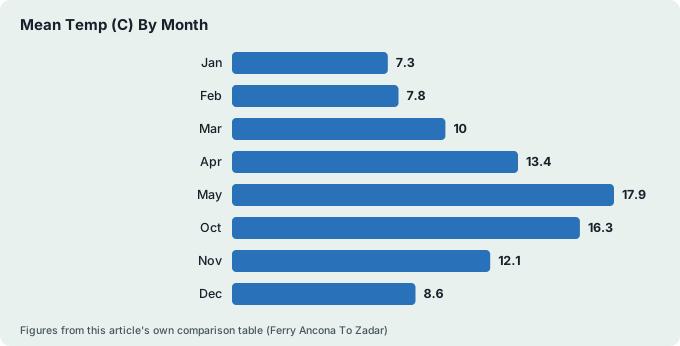
The Zadar station record for 1961 to 2024 shows July as the warmest month at 24.5 C mean and January the coldest at 7.3 C, with November the wettest month at 123 mm and July the driest at 35.4 mm, and the station sums to about 2,600 hours of sunshine a year, so the ferry season overlaps the warmest, driest and busiest stretch of the year almost exactly.
That overlap is not an accident. A four-hour open-water crossing in a fast catamaran, and a tourism economy built around swimming, both want the June-to-September window, and that is precisely the window the line ran in 2026. September is the quiet compromise: the sea is still warm after the summer, the operator extended the season into the first week of the month, and the rainfall table shows September's 110.9 mm already climbing toward the autumn peak. The best time to visit Zadar guide weighs those months for the city as a whole.
| Month | Mean temp (C) | Rain (mm) | Rain days |
|---|---|---|---|
| Jun | 21.9 | 48.5 | 8 |
| Jul | 24.5 | 35.4 | 5 |
| Aug | 24.1 | 52.8 | 6 |
| Sep | 20.2 | 110.9 | 9 |
| Month | Mean temp (C) | Rain (mm) | Rain days |
|---|---|---|---|
| Jan | 7.3 | 76.4 | 10 |
| Feb | 7.8 | 67.0 | 9 |
| Mar | 10.0 | 66.3 | 9 |
| Apr | 13.4 | 61.4 | 10 |
| May | 17.9 | 64.4 | 10 |
| Oct | 16.3 | 106.8 | 9 |
| Nov | 12.1 | 123.0 | 12 |
| Dec | 8.6 | 99.6 | 12 |
All figures are from the DHMZ station record for Zadar, 1961-2024. The bora, a dry northeasterly wind that gusts hardest in winter, is the one weather feature a sea traveller should know by name: fast catamaran schedules anywhere on this coast are weather-dependent, and a strong bora can delay sailings. No printed sea-temperature normal exists in an official source, so check the live reading rather than a monthly average.
Which Other Ferries And Islands Can You Reach From Zadar?
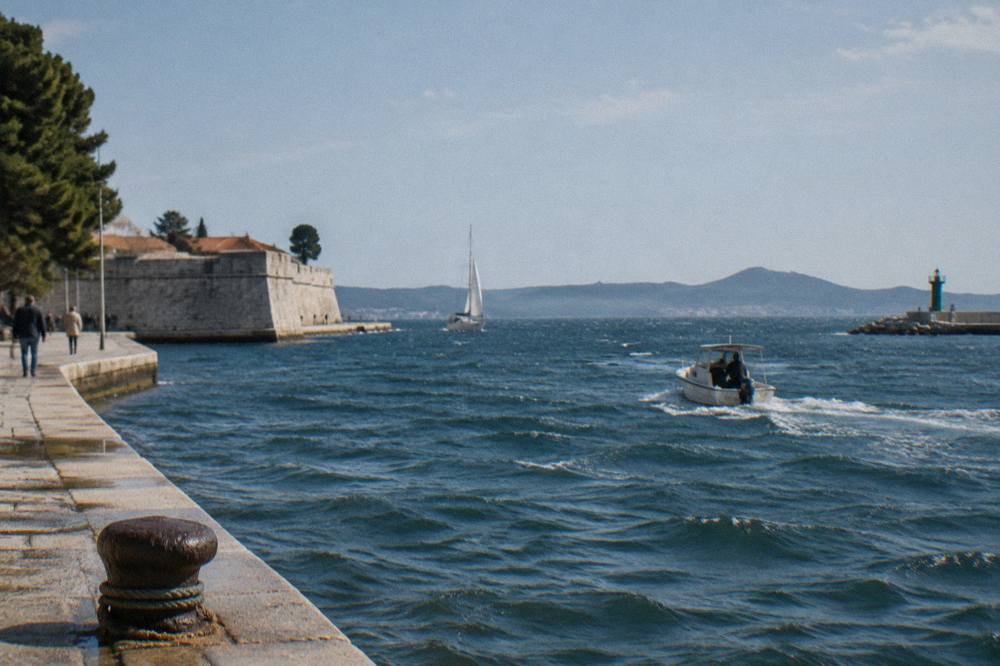
From the same port system you can reach Preko on Ugljan in about 25 to 30 minutes, Brbinj on Dugi Otok in 1 h 40 min on Jadrolinija line 434, and the Barkajoli rowing boats cross the inner harbour in about 1.5 to 2 minutes year-round, weather permitting; no ferry runs from Zadar to Dubrovnik, and the Italy link is the seasonal catamaran described above.
The island lines are the everyday machinery of the port, and they run on published timetables with or without the summer catamaran. Ugljan is the commuter island, close enough that its villages function almost as suburbs; Dugi Otok is the long, wild one whose coastline hides Sakarun beach and the Telašćica inlet. Both are foot-passenger friendly.
| Connection | Crossing | Notes |
|---|---|---|
| Zadar (Gaženica) to Brbinj, Dugi Otok | 1 h 40 min | Jadrolinija line 434 |
| Zadar to Preko, Ugljan | About 25 to 30 min | Fare not published in a verified source |
| Zadar inner harbour (Barkajoli) | 1.5 to 2 min | Year-round, weather permitting, fare a euro or two |
| Zadar to Ancona | About 4 h | Passenger-only catamaran, summer 2026 season ended 6 September |
What does not exist matters too. There is no direct Zadar to Dubrovnik ferry, a question the can you take a ferry from Zadar to Dubrovnik page answers in full. For movement along the coast, the bus station and the road do the work, and the how to get to Zadar guide assembles the options. If the island itch is strong, the dedicated Dugi Otok and Ugljan pages hold the detail.
What Should You Budget For Once You Are Ashore In Zadar?
The verified city figures are modest: the Museum of Ancient Glass at 7.00 EUR adult, the Archaeological Museum and St Donatus around 7 EUR at full price, the airport shuttle at 5.00 EUR one way including luggage, and the national parks at 7 to 40 EUR per adult depending on park and season, while the Sea Organ, Greeting to the Sun, Roman Forum and Five Wells Square cost nothing. Accommodation adds a tourist tax collected at check-in, whose amount is confirmed at booking.
The table below gathers the listed figures, with their seasons. For anything not shown, such as the bell-tower climb price or any city card, check the current price on the spot.
| Item | Adult price | Source note |
|---|---|---|
| Sea Organ and Greeting to the Sun | Free, open at all hours | Public installations |
| Museum of Ancient Glass | 7.00 EUR | Museum ticket page |
| Archaeological Museum and St Donatus | Around 7 EUR full price | AMZD tariff rows of 7.00 and 5.00 EUR |
| Krka National Park | 7 / 20 / 40 EUR by season | Official 2026 price list |
| Plitvice Lakes National Park | 10 / 23 / 40 EUR by season | Official price list |
| Paklenica National Park | 5 / 8 / 10 EUR by season | Official 2026 price list |
| Airport shuttle to city | 5.00 EUR one way | Operator page |
Park prices are per person, with one exception that catches planners out: Kornati National Park charges per vessel, by boat length and season, roughly 25 to 45 EUR a day for the smallest boats, and the ticket is bought outside the park itself. If a Kornati day trip is on the list, the Kornati islands guide explains how that fee interacts with organized tours, where the operator usually handles it.
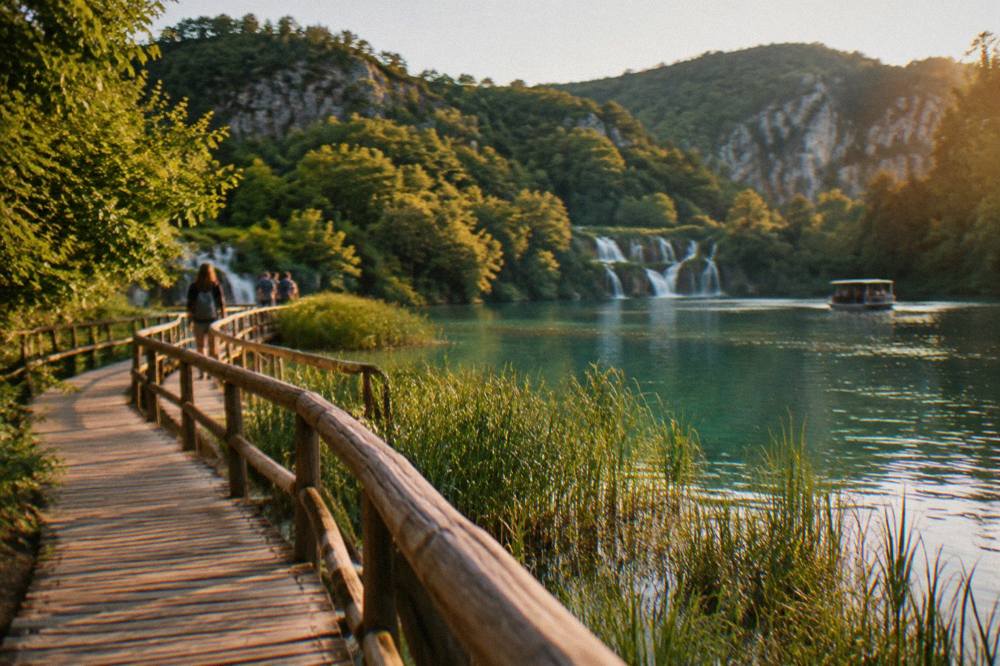
The day-trip decision is where an arrival by ferry connects back to the rest of a Dalmatian itinerary. Plitvice, at 145 km, is the long one, and its summer tickets are timed and capped, which is exactly why guided departures with pre-booked entry exist: the From Zadar: Plitvice Lakes Guided Day Tour with Tickets covers transport, guidance and entry in one booking, with live pricing on the operator's live listing.
Krka, closer at 76 km to Skradin, makes a gentler day, and the Krka versus Plitvice comparison lays out the trade-offs, including the fact that swimming at Skradinski Buk has been banned since 2021, with swimming allowed only at designated spots such as Roški slap, Stinice and Pisak from 1 June to 30 September. For a different register entirely, the Zrmanja river canyon inland of the city runs kayak trips on warm-season flows, and the Zrmanja option is the one to check for a day of freshwater over salt.
Common Questions About The Ancona To Zadar Ferry
Is there a ferry from Ancona to Zadar?
Yes, as a seasonal passenger-only fast catamaran. Jadrolinija's line 51 ran about four times a week, up to five, between 26 June and 6 September 2026, with a crossing of about 4 hours. The 2027 season has not been announced, so check Jadrolinija's pages before planning.
Can you take a car on the Ancona to Zadar ferry?
No. The 2026 service on the catamaran Jelena was foot-passenger only, with no car deck. Travellers bringing a vehicle from Italy need a different route or port, and should confirm current options with the operator.
How long is the ferry from Ancona to Zadar?
About 4 hours on the fast catamaran. It is a daytime crossing rather than an overnight sailing with cabins.
Where does the ferry dock in Zadar?
At the Gaženica ferry port, about 5.2 km from the Old Town by road, roughly 10 minutes by car. City buses and the airport shuttle route connect the port with the city centre.
Is the Zadar to Ancona ferry running in 2027?
No 2027 dates have been announced in any official source. The service is seasonal by design, so treat summer operation as likely but unconfirmed until Jadrolinija publishes the next season's timetable.
What is the best time of year to take the ferry to Zadar?
The ferry itself only runs in summer, from late June to early September in 2026. The Zadar station record for 1961-2024 shows July and August as the warmest months at 24.5 and 24.1 C mean, with early September still at 20.2 C mean, though rain rises toward the November peak of 123 mm.
The crossing itself, in the end, is four hours of open water between two countries that share a sea and a calendar. What you do with the Zadar side of it, from the free quay installations to the park day trips that fan out 76 to 145 km inland, is where the real planning sits, and the operator's own pages are the only source worth trusting for next season's sailings.