Is There A Ferry From Zadar To Italy?
Is there a ferry from Zadar to Italy? Yes, a seasonal passenger-only fast catamaran to Ancona ran from 26 June to 6 September 2026; here is what exists, what does not, and what to do instead.
Zadar sits on a peninsula that has faced Italy across the Adriatic for its whole history, and the sea between the two coasts is short enough that a fast vessel can cross it in an afternoon. That does not mean a conventional car ferry waits at the quay every morning. What Jadrolinija, the Croatian state shipping line, actually operates from Zadar to Italy is a summer-only, passenger-only fast catamaran, and its season is short. The rest of the year the Italy crossing has to be made from elsewhere, or replaced with a flight, while Zadar's own ferries keep running to the islands just offshore.
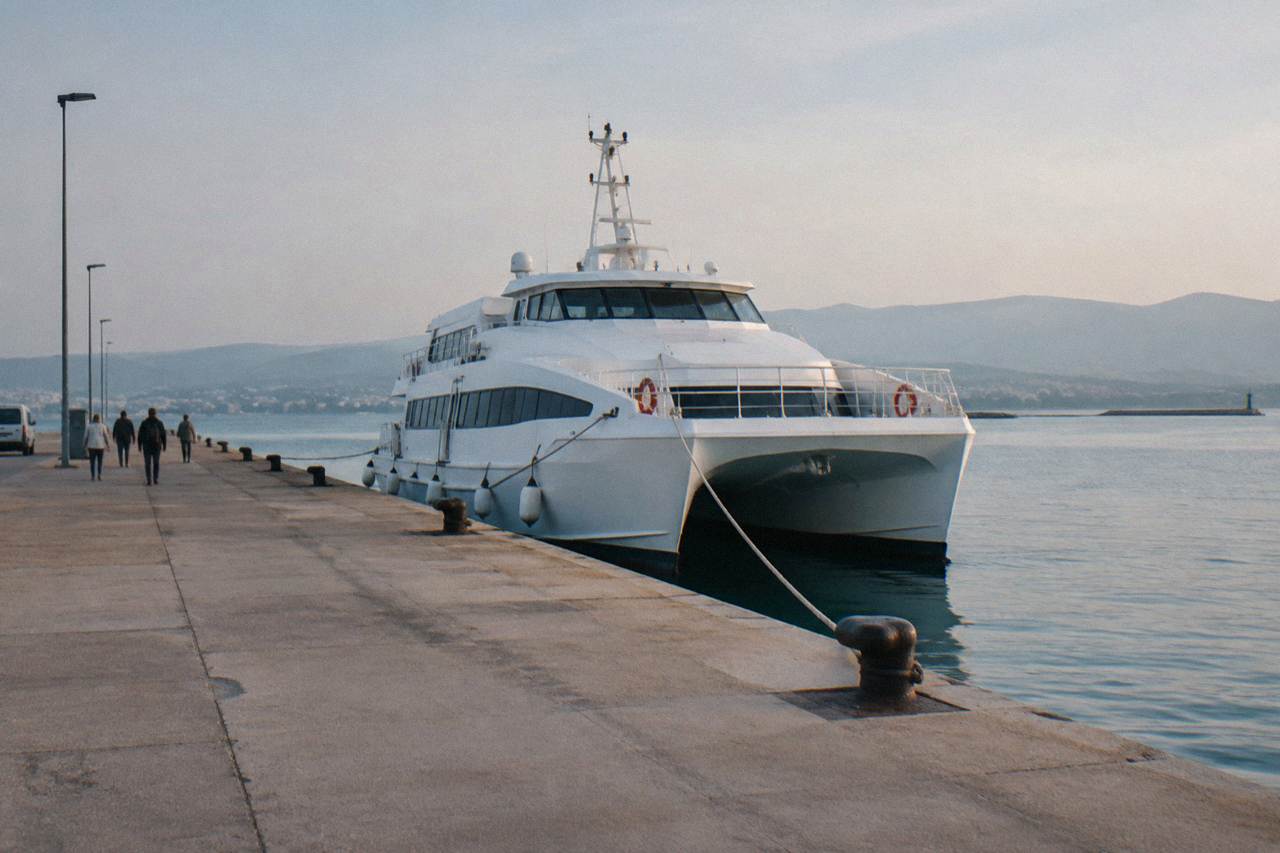
Is There A Ferry From Zadar To Italy?
Yes, but only in summer and only for foot passengers: Jadrolinija's line 51 fast catamaran, the Jelena, ran between Zadar and Ancona from 26 June to 6 September 2026, sailing up to five times a week. There is no year-round service and no car ferry from Zadar to Italy, so vehicles have to cross the Adriatic from another port or go by air. The 2027 season has not been announced.
The service is new enough that plenty of guidebooks still describe Zadar as having no Italy link at all. Jadrolinija's own announcement, republished by the port authority press, records that the first season ran from 26 June to 30 August 2026 and was then extended to 6 September because demand held up, with extra Wednesday, Friday, Saturday and Sunday sailings added. The crossing takes roughly four hours on a passenger-only vessel, which means cars, caravans and motorbikes cannot board.
Two practical points follow from that. First, the departure point is not the little harbour beside the Old Town but the Gaženica ferry port a few kilometres south, where Jadrolinija's island ferries also berth; driving distance from the Old Town is about 5.2 km, roughly ten minutes, and the city's bus station on Ante Starčevića is about 2.6 km away. Second, because the season is announced year by year, a traveller planning for 2027 should treat the 2026 dates as history, not a promise, and check Jadrolinija's route pages rather than any secondhand listing. An extension in one summer says nothing certain about the next.
For anyone connecting onwards, Ancona is a working Italian port city on the central Adriatic coast, with rail links inland towards Rome and Bologna. A foot-passenger arrival there is genuinely useful for a car-free itinerary through Italy, which is exactly the market the catamaran was built for. If you arrive without a vehicle, the transfer at the other end comes down to a train or bus ticket rather than a driving route, and the whole trip stays simple.
How The Zadar To Ancona Catamaran Season Works
The catamaran is a seasonal service with a defined window: in 2026 it operated from 26 June to 6 September, after an extension past the originally planned end of 30 August, with up to five departures a week in each direction and a crossing of about four hours. Tickets are sold by Jadrolinija, and the operator's route page is the only place where current timetables and fares are certain.
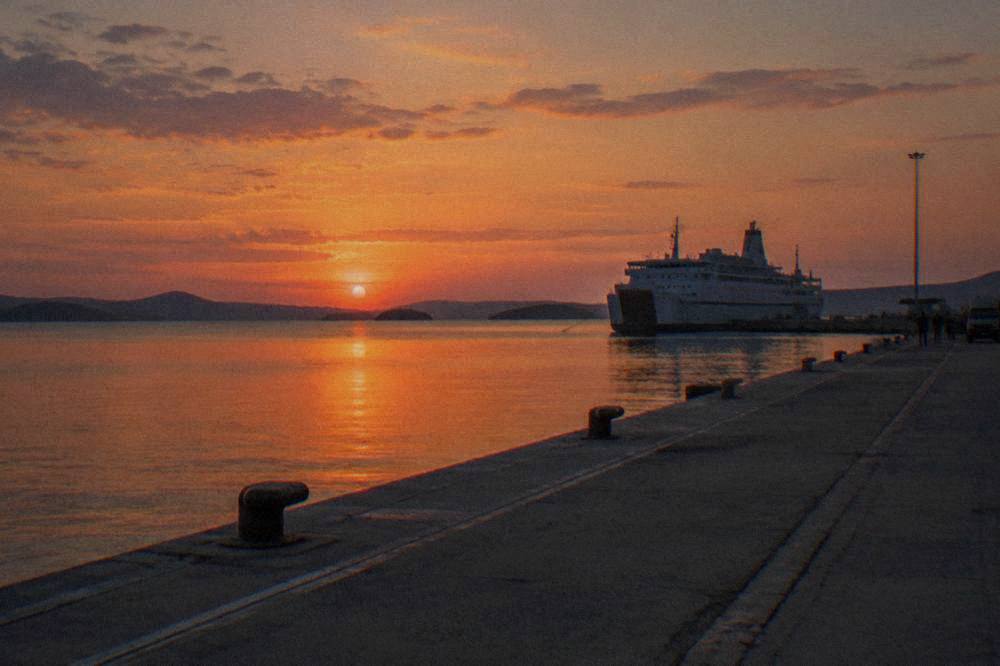
What the desk can report from the operator's own material, and nothing beyond it:
| Item | What the sources say |
|---|---|
| Route | Zadar (Gaženica) to Ancona, Italy, line 51 |
| Vessel | Jelena, a fast catamaran |
| Passengers | Passenger-only; no vehicles carried |
| Crossing time | About 4 hours |
| 2026 season | 26 June to 6 September, extended from 30 August |
| Frequency | Up to 5 sailings a week each way |
| 2027 season | Not announced |
The pattern matters more than any single date. A summer-only catamaran answers a summer-only demand: Ancona is the gateway to central Italy, and the schedule is built around holiday traffic in July and August. Anyone travelling in, say, April or October should assume there is no direct sea crossing from Zadar until an operator says otherwise. Croatia joined the Schengen area in 2023, so on paper the arrival into Ancona is an internal Schengen border, but checks at sea crossings can still happen and passports should be carried; that is standard advice for any Adriatic ferry, not a Zadar-specific rule.
For the fare, this page deliberately prints nothing. Jadrolinija prices its routes by season and demand, and the figure belongs on the operator's own booking pages, refreshed at the moment of travel. What can be said is that a four-hour catamaran crossing is a different product from a nine-hour overnight ferry with a cabin, and the two are not compared on price alone. Check-in also deserves a little slack: international departures from Gaženica ask passengers to present themselves ahead of sailing, and the exact cut-off is on the ticket, so it should be read there rather than assumed.
Why There Is No Car Ferry From Zadar To Italy
Travellers with a vehicle either drive to a port that does offer the crossing, put the car aside and fly, or reshape the trip around Croatia's own coast and islands.****
The reason is commercial rather than geographic. Vehicle ferries across the Adriatic concentrate where the freight and passenger volumes justify a large ship running all year, and Zadar's port economy is built around island traffic: the car ferries to Preko on Ugljan and Brbinj on Dugi Otok, and the boats to the Kornati archipelago. The Gaženica terminal, opened to take pressure off the Old Town waterfront, handles those routes daily through the year, while the Italy experiment runs only when the summer market exists. The wider set of guides lives on Zadar Croatia Travel Guide.
That leaves three realistic shapes for an Italy-bound trip from Zadar. One: fly. Zadar Airport, about 8 km from the city, has been expanding, with a new departures terminal presented in July 2026 and year-round Munich flights running through the winter 2026-27 season. Two: travel overland to a port with a year-round Italy service and cross from there; the road options from Zadar are Zagreb, Split and Rijeka, but check current ferry schedules directly with the operators. Three, and the option this site exists to argue for: stay on the water closer to home, because Zadar's own archipelago is the reason the catamaran's off-season absence hurts so little.
Where Zadar's Ferries Do Run All Year
While the Italy link is summer-only, Jadrolinija's local network from Zadar runs continuously: the car ferry to Preko on Ugljan crosses in roughly 25 to 30 minutes, and line 434 to Brbinj on Dugi Otok takes 1 hour 40 minutes, both from the Gaženica terminal. These are the departures a visitor can plan around in any month, and their timetables sit on Jadrolinija's route pages.
The islands are not a consolation prize. Ugljan sits directly opposite the city, close enough that the crossing is measured in minutes; Dugi Otok stretches northwest with the sandy lagoon of Sakarun and the cliffs of Telašćica at its far end. The full shape of that network, including where each ferry berths and how the crossings differ, is covered in the site's guide to Zadar's ferry connections and the Dugi Otok ferry crossing explained, while the round-up of every ferry destination from Zadar lists the whole board.
A reader who wanted the Italy catamaran for the sea day itself, rather than for arrival in Ancona, can reconstruct that experience on the same water without an international ticket. The Dugi Otok shipwreck and sea cave boat trip covers the wreck, a sandy beach and a cave in one loop, and its operator's listing carries the live price, rating and schedule. Check availability if the Italy dates fall outside the season.
One detail worth knowing before any island day: Kornati National Park charges entry per vessel, by boat length and season, and the ticket is bought outside the park itself, not at a gate on the islands. That is unusual among Croatian parks, where per-person fees are the norm, and it catches out skippers who arrive expecting a booth.
Weather is the other factor that shapes a Zadar sea day at any time of year. The bora, a dry northeasterly wind, can blow hard in the colder months, and fast vessels and small-boat tours alike will hold or cancel sailings when it does; island car ferries are hardier but not immune. In July, by contrast, the Zadar station record shows the driest and one of the calmest months of the year, with a mean temperature of 24.5 C, which is why the whole seasonal economy, catamaran included, packs itself into the weeks between late June and early September.
Common Questions About Ferries From Zadar To Italy
Is there a ferry from Zadar to Italy?
Yes, seasonally. A passenger-only fast catamaran, Jadrolinija line 51, ran Zadar to Ancona from 26 June to 6 September 2026, taking about four hours. There is no year-round service and no car ferry from Zadar, and the 2027 season had not been announced.
Can I take a car from Zadar to Italy by ferry?
No vehicle crossing from Zadar could be verified. The catamaran is foot-passenger only. A car has to be driven to another Adriatic port with a vehicle service, left behind in favour of a flight, or the trip re-planned around Croatia's coast.
Where does the Italy ferry leave from in Zadar?
From the Gaženica ferry terminal south of the city centre, the same port used by the island car ferries, not the small harbour beside the Old Town. Gaženica is about 5.2 km, roughly ten minutes' drive, from the Old Town.
How long is the crossing from Zadar to Ancona?
About four hours on the fast catamaran, which is why it carries passengers only. A conventional vehicle ferry on a longer Adriatic route would typically run overnight, but no such service from Zadar exists to report.
Do Zadar's island ferries run when the Italy catamaran does not?
Yes. The crossings to Preko on Ugljan, roughly 25 to 30 minutes, and to Brbinj on Dugi Otok, 1 hour 40 minutes on line 434, operate year-round from Gaženica, subject to weather. Timetables are on Jadrolinija's route pages.
Is there a ferry from Zadar to Dubrovnik or along the Croatian coast?
For getting down the coast, the desk's comparison of Zadar and Split and the Split to Zadar journey guide cover the realistic options, and there is a separate page on whether a Zadar to Dubrovnik ferry exists.
The short version: the sea between Zadar and Italy is real, crossed in about four hours by a summer catamaran whose 2026 season ran to 6 September, and outside that window the smarter move is usually not a detour to another port but a turn towards Ugljan, Dugi Otok and the Kornati, on ferries that run when the Italy one does not.