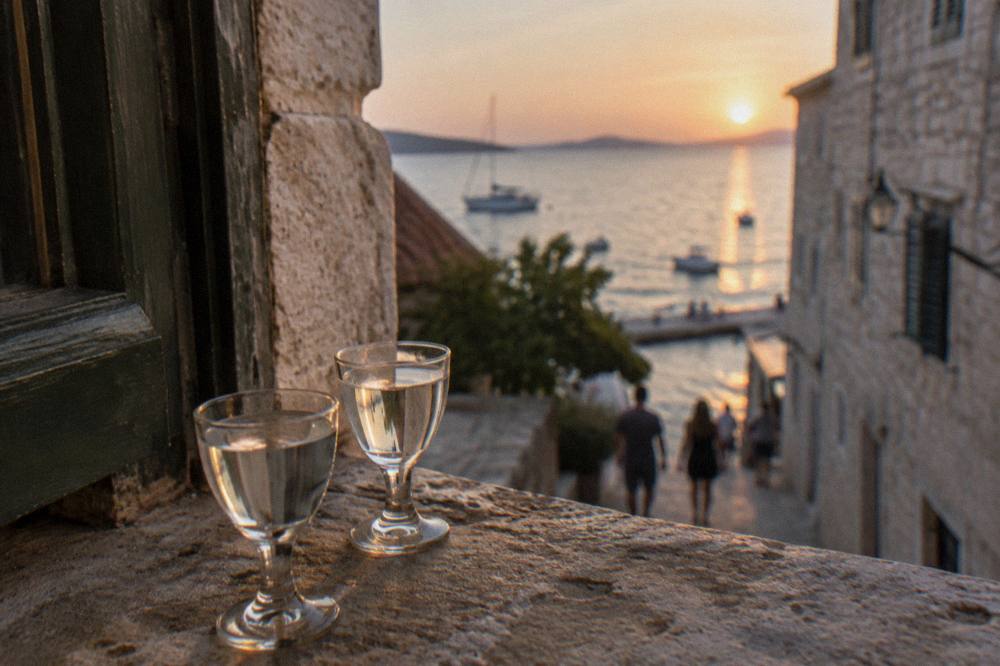
Zadar Maraschino
Zadar Maraschino is a cherry liqueur with centuries of history behind it, and it is the drink this Dalmatian city is known for. This guide covers what it is, how it is made, where to taste it, and what else is in the glass in Zadar.
Short answer
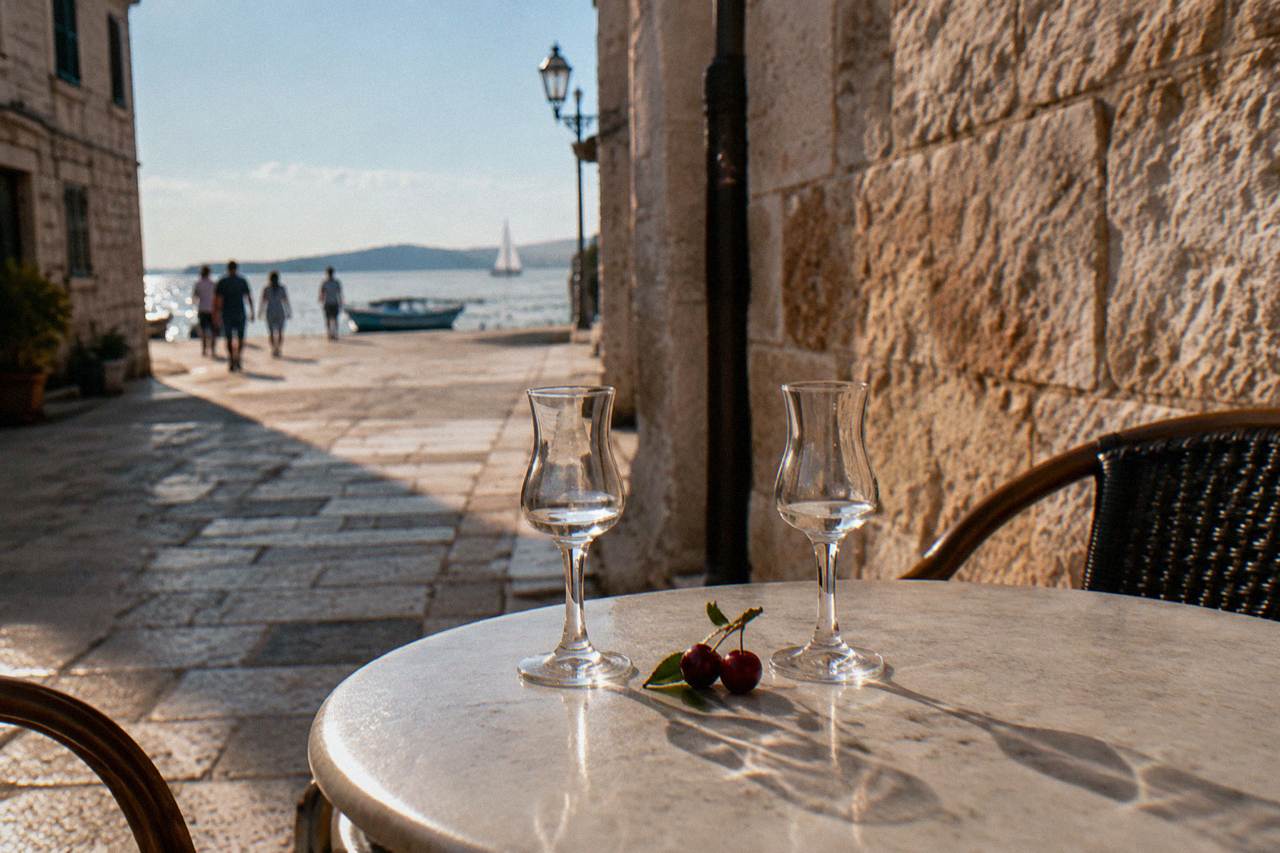
Zadar Maraschino is a dry cherry liqueur made from Marasca cherries, historically produced in Zadar and traditionally served neat, chilled, or in cocktails. The Old Town's bars and the Old Town food and wine walks are the easiest places to taste it.
Zadar, a coastal city in Dalmatia on the Adriatic, is the home of Maraschino, a cherry liqueur that apothecaries in this city were producing long before it travelled to courts across Europe. The drink is made from Marasca cherries, a small, dark, tart variety grown on Dalmatian soil, and its history is tied to the city's own: production here was documented under Venetian rule, and the liqueur later became one of the most exported products of the region. Today the name survives on bottles around the world, while in Zadar itself maraschino sits on back-bar shelves, in local restaurants and in the tasting glasses of the Old Town's food walks.
This guide from the Zadar Croatia Travel Guide editorial desk covers the liqueur itself, how it is made and served, where to taste it in the city, the other drinks Dalmatia puts in front of you, what a night out costs, and the local rules on alcohol that matter if you are staying in the Old Town. Prices for guided tours are not typed on this page: they render live from the listings themselves.
What Is Zadar Maraschino And Where Does It Come From?
Zadar Maraschino is a dry, slightly sweet cherry liqueur distilled from Marasca cherries, including the crushed stones, and it originated with the apothecaries of Zadar under Venetian rule, before becoming one of Dalmatia's most exported drinks. The liqueur is clear to pale gold, and its flavour is almond-scented from the cherry stones rather than syrupy like a cherry syrup liqueur. The name comes from the Marasca cherry itself, not from any cocktail.
The story is genuinely local. Apothecaries in Zadar distilled the Marasca cherry into a medicinal liqueur, and in time commercial distilleries in the city were shipping it across Europe. The drink reached the courts of Russia, the drinking glasses of Britain and the cocktail books of the United States, where maraschino became a classic cocktail ingredient. The industry later moved its main production out of the city, but the liqueur's identity remains Zadar's, and this page is about the drink as it exists in the city today.
What makes it different from a supermarket "cherry liqueur" is the production. The whole fruit goes in, flesh, skins and crushed stones, and the stone is where the almond character comes from. A proper maraschino is dry enough to drink neat after a meal and complex enough to stand up in a cocktail. In Zadar it is served three ways, and knowing the three ways is most of what a first-time visitor needs.
| Serving | What it is | When it is usually drunk |
|---|---|---|
| Neat, chilled | A small cold glass of maraschino on its own | After dinner, as a digestif |
| With coffee | A shot alongside a Croatian coffee | Mid-morning or after lunch |
| In cocktails | Maraschino as the base or modifier | Evening, in Old Town bars |
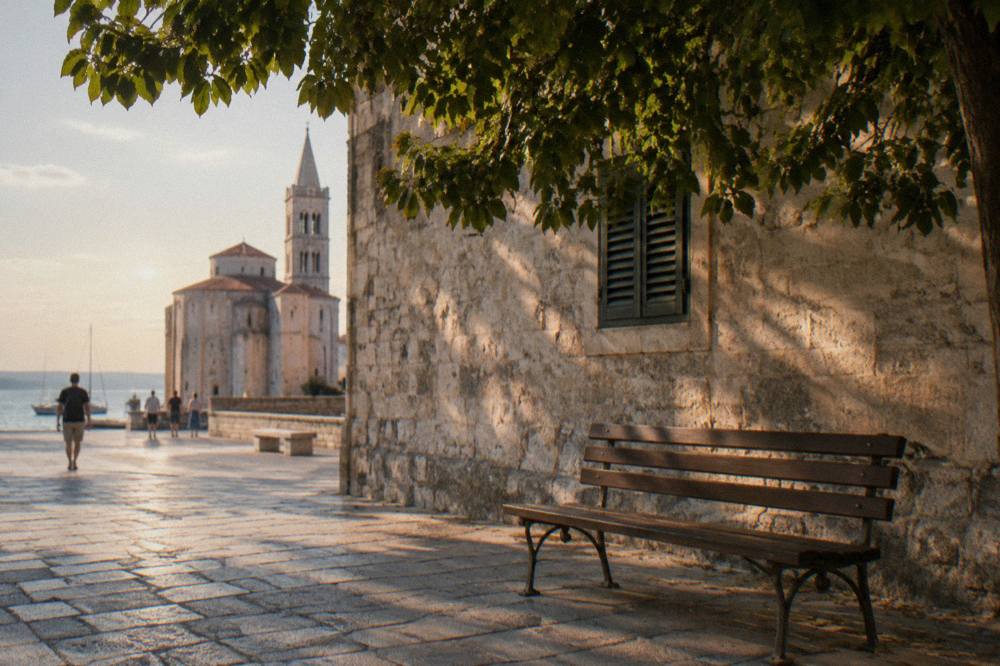
How Is Zadar Maraschino Made?
Maraschino is made by fermenting and distilling whole Marasca cherries together with their crushed stones, then ageing the distillate and finishing it with a small amount of cherry syrup, which keeps the finished liqueur dry rather than sweet. The Marasca cherry is a small, tart, dark variety grown in Dalmatia, and the harvest is short, which is one reason the liqueur was historically valuable. The crushed stones are the source of the almond note that defines the style.
The process, as the historic producers describe it, runs from fruit to glass in stages. The cherries are picked at full ripeness, crushed with their stones, and left to ferment briefly. The mash is then distilled in copper stills, and the clear distillate is aged, traditionally in casks lined with glass or in ash wood, so that the wood does not colour the spirit. Finally a measured amount of syrup made from Marasca cherries is added, and the liqueur is diluted to bottling strength. The result is a clear or pale-straw liquid that smells of cherry, almond and a faint hint of hay.
Two details are worth knowing when you read a label in a Zadar bar. First, "Maraschino" on a historic Dalmatian bottling refers to this dry style; sweeter, brighter-red cherry liqueurs from elsewhere are a different product entirely. Second, the cocktail cherries called "maraschino cherries" in a supermarket are not made by soaking cherries in maraschino, and the connection is historical rather than literal.
The liqueur's dryness is what makes it useful in mixing. Classic recipes that call for maraschino, from the Aviation to the Last Word and the Martinez family, rely on it to add stone-fruit aroma without adding sweetness. In Zadar's bars you will see it used the same way, alongside local citrus and local spirits.
| Stage of production | What happens | What it contributes |
|---|---|---|
| Harvest | Marasca cherries picked at full ripeness | Tart, aromatic fruit base |
| Fermentation | Crushed cherries and stones ferment briefly | Converts sugars before distillation |
| Distillation | Copper-still distillation of the mash | Concentrates aroma into clear spirit |
| Ageing | Rest in glass-lined or ash-wood casks | Rounds the spirit without darkening it |
| Finishing | Marasca syrup added, diluted to strength | Dry but rounded final liqueur |
If tasting your way through the city's food culture appeals more than reading about it, an Old Town food and wine walk is the natural way to do it, and a classic walking tour covers the streets the drink grew up in. The listings below carry current prices and ratings, so nothing on this page has to guess at them.
Where Can You Taste Maraschino In Zadar?
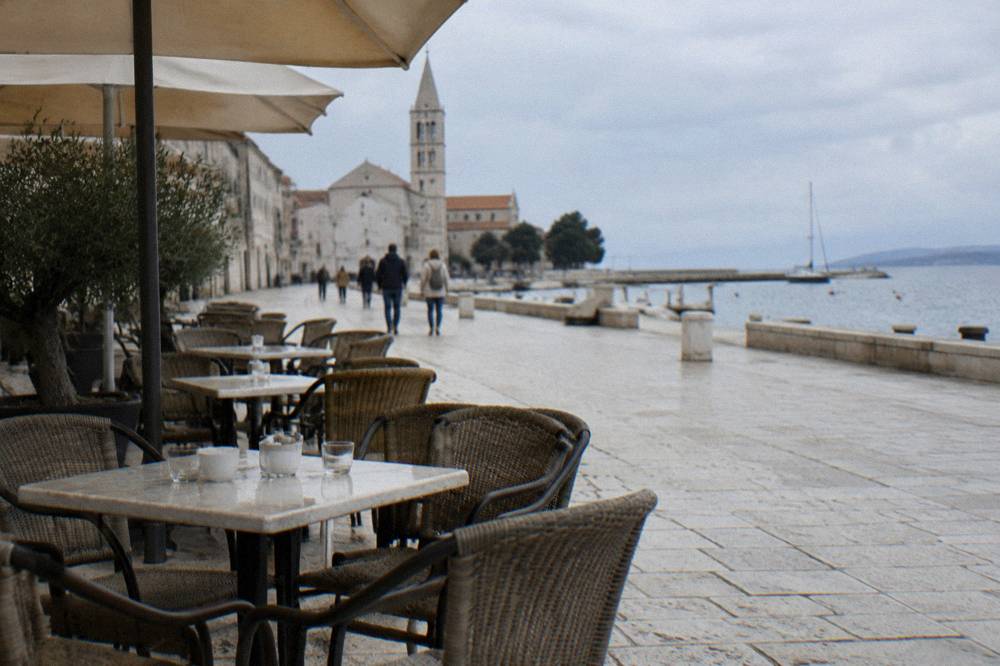
The easiest places to taste maraschino in Zadar are the bars and cafes of the Old Town peninsula, especially around Kalelarga and the squares behind the Riva, the city's guided food and drink walks, and any restaurant that offers a digestif list, since a chilled glass of maraschino is the traditional way to end a Dalmatian meal. Museum shops and delicatessens in the city centre also sell bottles to take home.
The geography is simple. The Old Town sits on a narrow peninsula, and its drinking life is concentrated on a handful of streets and squares: Kalelarga, the main street, the People's Square, the Five Wells Square and the stretch of bars facing the harbour. A short walk crosses all of them. Bars here range from old-fashioned cafe-bars that pour maraschino as a digestif to cocktail bars that use it as a mixing base, and the differences between them matter less than the fact that nearly all of them stock it. The food guide and the restaurants guide cover where those glasses sit alongside what you eat.
A food walk solves the tasting problem in one evening. Guided walks of the Old Town that include tastings pair local wine, cheese and other Dalmatian products with the street-level history, and maraschino typically appears either as a tasting stop or as the closing glass. The listing for the Old Town food and wine walk carries its own price and availability, and there is also a shorter classic walk focused on the city's sights, plus a kayak option further down this page for a day on the water first.
Read more about pairing a tasting evening with the wider city in one day in Zadar, and about the evening scene in the nightlife guide.
| Where | Best for | Notes |
|---|---|---|
| Kalelarga cafe-bars | Maraschino neat or with coffee | Traditional digestif service |
| Old Town cocktail bars | Maraschino in mixed drinks | Local citrus, local spirits |
| Restaurants | End-of-meal glass | Ask what is on the digestif list |
| Food and wine walks | Guided tasting with context | Prices render from the listing |
| Delicatessens and museum shops | Bottles to take home | Check customs limits for your home country |
Croatia uses the euro, since 1 January 2023, so there is no currency arithmetic to do. For the wider question of what a trip here costs, see the cost guide.
What Other Local Drinks Should You Try In Zadar?
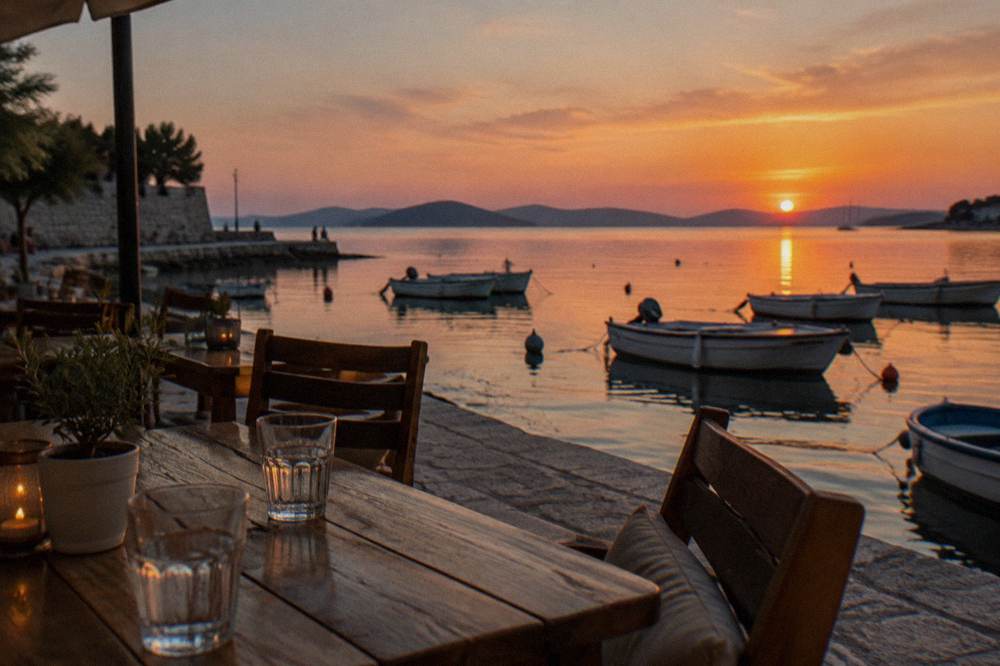
Beyond maraschino, the drinks to look for in Zadar are Dalmatian wines, especially pošip, grk, plavac mali and the local whites, rakija in its travarica and lozovača forms, Croatian craft beer, and Ožujsko and Karlovačko lagers as the everyday standards. Coffee culture is strong too, and a Croatian coffee drunk slowly on a square is as much a part of the city's drinking life as any alcohol.
Wine first. Dalmatia's white varieties, pošip and grk among them, are dry, mineral and made for the seafood that dominates Zadar's tables. Plavac mali, the great red of the southern Dalmatian coast, gives full, dark reds. The northern Dalmatian vineyards around Zadar and on the nearby islands also produce lighter local whites worth asking for by name. A waiter will usually tell you honestly what is local and what is not, and the honest answer is often the cheaper one.
Rakija is the spirit family. Lozovača is grape brandy, travarica is grape brandy infused with herbs, and there are fruit versions made from everything the region grows. Rakija arrives at the start or the end of a meal, sometimes unasked and on the house in small family restaurants, and it is drunk in one small sip, not sipped slowly like whisky.
| Drink | Type | How it is typically served |
|---|---|---|
| Maraschino | Cherry liqueur | Neat and chilled, or in cocktails |
| Pošip | Dry white wine | With fish and shellfish |
| Plavac mali | Full-bodied red wine | With grilled meat and aged cheese |
| Travarica | Herb-infused grape brandy | Small glass, start or end of a meal |
| Lozovača | Grape brandy | Small glass, room temperature |
| Croatian lager | Light beer | Cold, by the bottle or on tap |
The natural way to taste several of these in one evening is a guided walk. The food and wine walk through the Old Town pairs drinks with Dalmatian dishes, and its live listing carries the current price, rating and availability. Check availability if an evening of tasting sounds like the right introduction to the city, and read the food guide for what lands on the plate alongside the glass.
How Much Does Drinking Out In Zadar Cost?
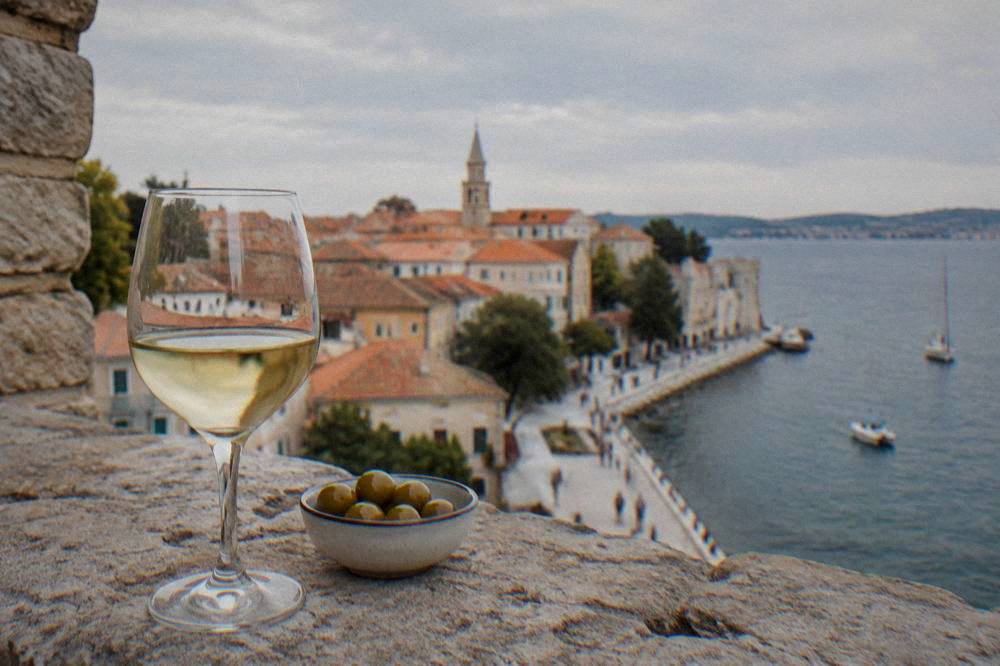
This site does not publish invented price bands, and no verified official price list for Zadar's bars exists, so the honest answer is that a glass of local wine, a beer and a shot of rakija each cost broadly what they cost elsewhere on the Croatian coast, and specific bar prices should be checked on the spot.
What can be stated from verified sources is that Croatia uses the euro, that a tourist tax is collected by your accommodation with the amount confirmed at booking, and that guided tasting tours carry their live prices on their listings.
That refusal to print a band is deliberate. A previous generation of travel content invented ranges like "a glass of wine costs between X and Y" with no source, and readers booked trips on them. The figures that do exist for this city are the ones that matter to planning: the currency is the euro, since 1 January 2023, and the tourist tax is collected by accommodation providers, with the exact amount confirmed at booking rather than published here.
What is safe to say about value is structural rather than numeric. Drinking in the Old Town carries a premium over drinking a street or two outside it, as it does in every tourist city in Europe. House wines by the decilitre are the local custom, and ordering wine "by the glass" is often more expensive per litre than ordering the local house pour. Rakija served on the house at the end of a family-run meal costs nothing and refusing it is not required, though it is polite to at least raise the glass.
If a fixed, bookable tasting experience is what fits your budget best, the tour listings render their own verified prices, ratings and durations, which is exactly why this page places them instead of typing numbers. The tours overview collects the full range, and the day trips guide covers what lies beyond the city for the daytime hours between drinks.
What Are The Rules On Alcohol In Zadar's Old Town?
The rules that matter are three: Zadar has installed dress-code signs at the entrances to the historic peninsula requiring appropriate clothing, with no swimwear or nudity, and fines that can reach 130 EUR after a warning; the city has discussed restricting late-night retail alcohol sales in shops and kiosks in the Old Town, while bars and restaurants are not covered; and the emergency number in Croatia is 112. Drinking age and public drinking are governed by national Croatian law.
Each of those deserves its plain attribution. The dress-code signs were installed at key access points to the historic core in summer 2026, and local reporting describes the sanction as a verbal warning first, followed by fines of up to 130 EUR, based on the city's existing communal order decision. It is a rule about clothing rather than alcohol, but it lands on anyone wandering from the beach to a bar, and it is reported as such rather than stated as this site's own finding.
The night-time retail restriction is a different instrument. Under national law changes, Croatian municipalities gained the power to restrict the hours during which shops, kiosks and delivery services may sell alcohol, and Zadar's mayor confirmed the intent to apply this in the Old Town for the 2026 season. Bars and restaurants are not the target. The details of enforcement should be confirmed locally, since this site treats the measure as reported rather than as a settled published tariff of hours.
The practical summary for a visitor is short. Do not walk the Old Town in swimwear, even in July. Do not expect late-night off-licence sales in the historic core. If something goes wrong, 112 is the single European emergency number. Croatia has been in the Schengen area since 2023, so border formalities with neighbouring Schengen countries do not apply.
When Is The Best Season For Drinking Outdoors In Zadar?
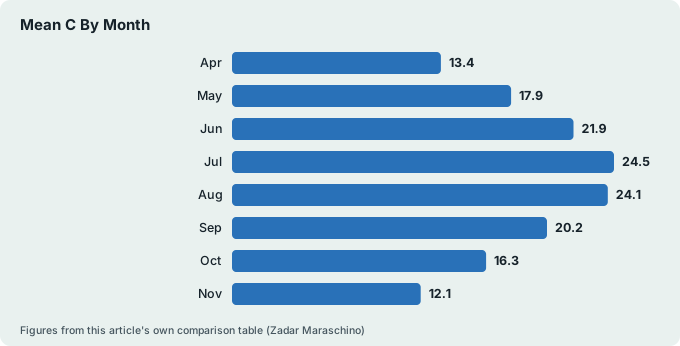
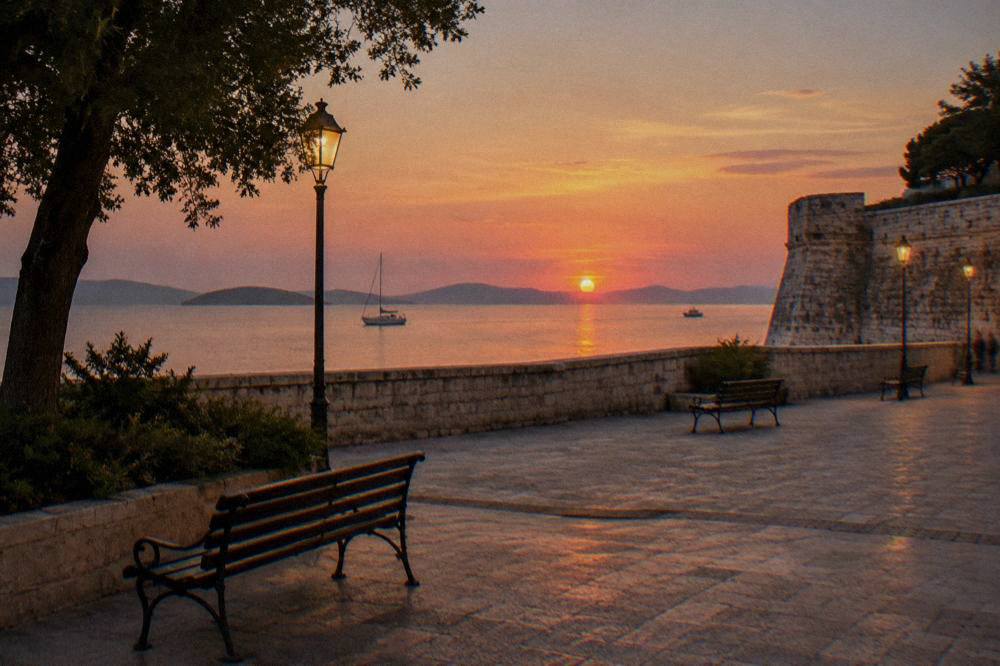
By the Zadar station record, 1961-2024 (DHMZ), July is the warmest month at 24.5 C mean and January the coldest at 7.3 C, November is the wettest month at 123 mm and July the driest at 35.4 mm, so terrace season runs realistically from May into October, with September's 20.2 C mean and 110.9 mm of rain the trade-off for thinner crowds, and winter drinking moving indoors except for Zadar Advent from 24 November 2026 to 2 January 2027.
The station table is worth reading rather than summarising, because the coastal pattern is not obvious. Spring is dry and mild. High summer is hot but not extreme, with the station recording about ten days at or above 30 C in each of July and August. Autumn stays warm but brings the year's heaviest rain in September, October and especially November. Sunshine totals about 2,600 hours a year by the same station record.
| Month | Mean C | Rain mm | Terrace verdict |
|---|---|---|---|
| Apr | 13.4 | 61.4 | Cool evenings, often fine |
| May | 17.9 | 64.4 | Terrace season opens |
| Jun | 21.9 | 48.5 | Full outdoor season |
| Jul | 24.5 | 35.4 | Driest month, warmest |
| Aug | 24.1 | 52.8 | Warm, occasional storms |
| Sep | 20.2 | 110.9 | Warm but the wet season starts |
| Oct | 16.3 | 106.8 | Mild, changeable |
| Nov | 12.1 | 123.0 | Wettest month, indoors |
Winter has its own draw. Zadar Advent runs from 24 November 2026 to 2 January 2027, spread across three locations this year including a new ice rink on the Forum, with concerts and daily programmes, and the Zadar Christmas Run falls on 27 December 2026. Mulled wine and roast chestnuts are part of the standard Advent setup, so the drinking year does not stop when the terraces empty. The best time to visit guide and the weather guide carry the full picture.
Can You Pair A Zadar Drinking Evening With A Day On The Water?
Yes, and it is one of the natural shapes of a day here: Zadar's boat and kayak tours run from the harbour and the surrounding coast, including island trips with wine included and river kayaking on the Zrmanja, so a day on the water followed by a maraschino on the Riva at sunset is a realistic combination rather than a slogan. The Zrmanja River kayaking trip with optional transfer from Zadar is the site's featured pick for this page.
The logic is practical. The day-trip fleet leaves from the city, the islands of Ugljan and Dugi Otok sit offshore, and the river canyons of the hinterland are within reach of an organised transfer. Several boat tours from this roster include drinks on board, and a kayak trip on the Zrmanja covers a stretch of karst river that looks nothing like the coast an hour away. The listing below carries the verified price, rating and review count, and the operator's page holds the live calendar.
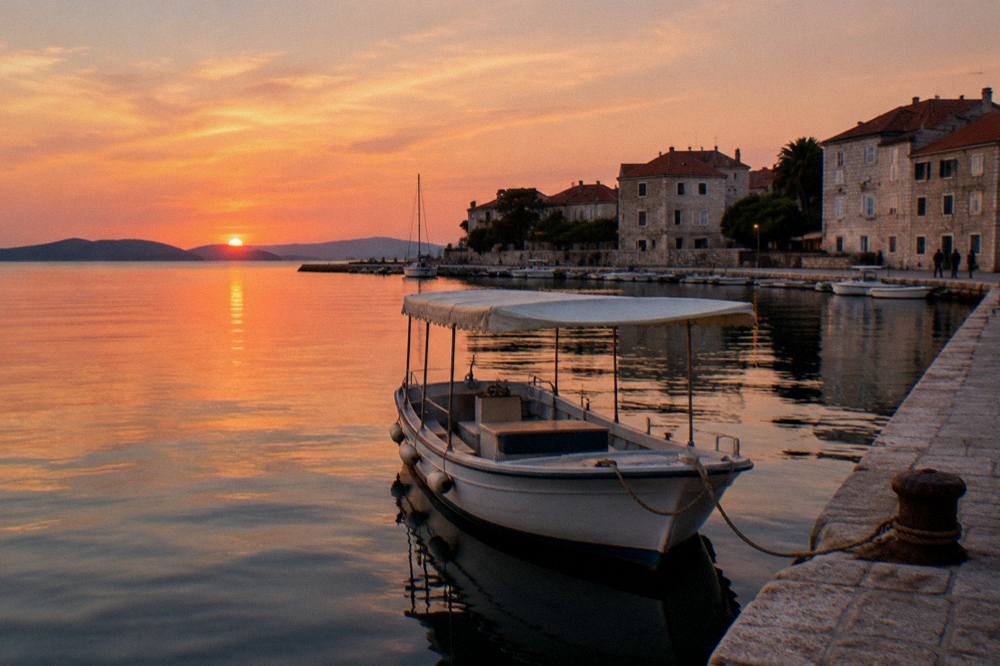
Check availability on the operator's listing, or read the boat tours guide and the islands guide for the sea options. For the drink afterwards, the Riva, the seafront promenade, is where the Sea Organ plays at all hours, since it is a free, open public installation from 2005 by Nikola Bašić, with the Greeting to the Sun beside it from 2008, and both are exactly the kind of unscheduled evening ending that a glass of maraschino was made for.
Common Questions About Zadar Maraschino And Drinks
What is Zadar Maraschino?
A dry cherry liqueur distilled from Marasca cherries and their crushed stones, developed by apothecaries in Zadar under Venetian rule and later exported across Europe. It is clear to pale gold, tastes of cherry and almond, and is served neat, with coffee or in cocktails.
Can you visit a maraschino distillery in Zadar?
Historic large-scale production moved out of the city, and this site has no verified current distillery-visit listing for Zadar. The reliable way to taste the liqueur in the city is through the Old Town bars and the guided food and wine walks, whose listings carry live availability.
Is maraschino sweet?
Classic maraschino is dry, not syrupy. The crushed cherry stones give it an almond character, and only a measured amount of Marasca syrup goes into the finished liqueur. Sweet red "cherry liqueurs" from elsewhere are a different product.
What do you drink in Zadar besides maraschino?
Dalmatian wines such as pošip, grk and plavac mali, rakija in its travarica and lozovača forms, Croatian lagers and a growing range of local craft beer. Croatian coffee, drunk slowly on a square, is the daytime equivalent.
Can you drink alcohol in public in Zadar?
National Croatian law governs public drinking, and this site does not publish a verified local summary of it. The specific local measures that are reported are a night-time restriction on retail alcohol sales in the Old Town under discussion for the 2026 season, applying to shops and kiosks rather than bars, plus dress-code signs banning swimwear in the historic core with fines up to 130 EUR after a warning.
Is Zadar good for a drinks-focused evening?
The Old Town peninsula concentrates bars, cafes and restaurants within a short walk of each other, from Kalelarga to the squares behind the Riva, and the nightlife guide on this site covers the shape of an evening in detail.
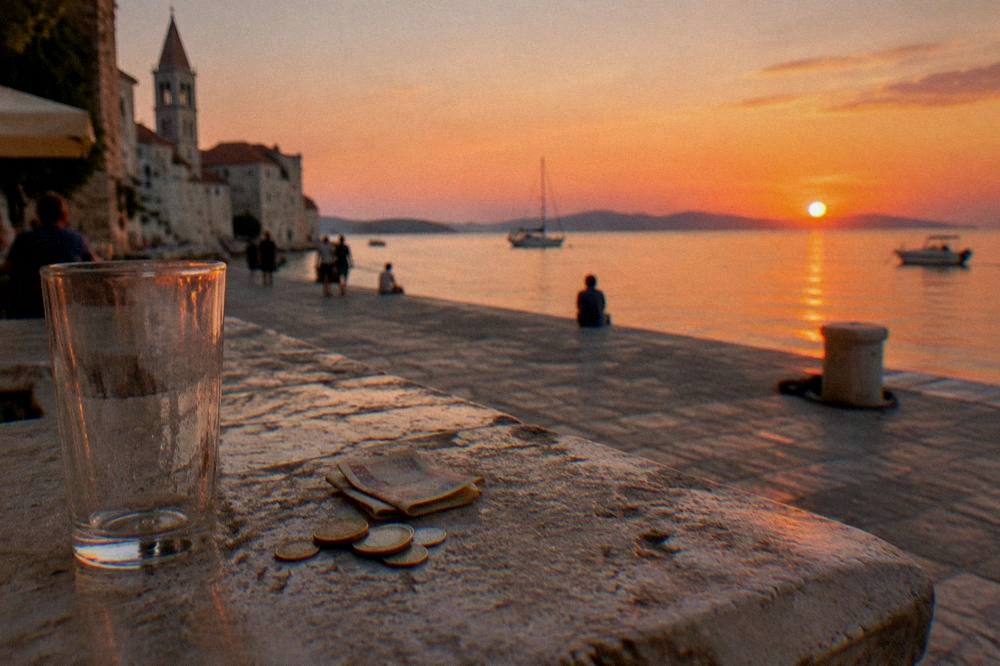
The glass at the end of the evening is where Zadar's drinking story stops being history and becomes simply a good night out: a chilled maraschino on the Riva, the Sea Organ working quietly in the dark, and a short walk back through the Old Town to bed.