Zadar Museums
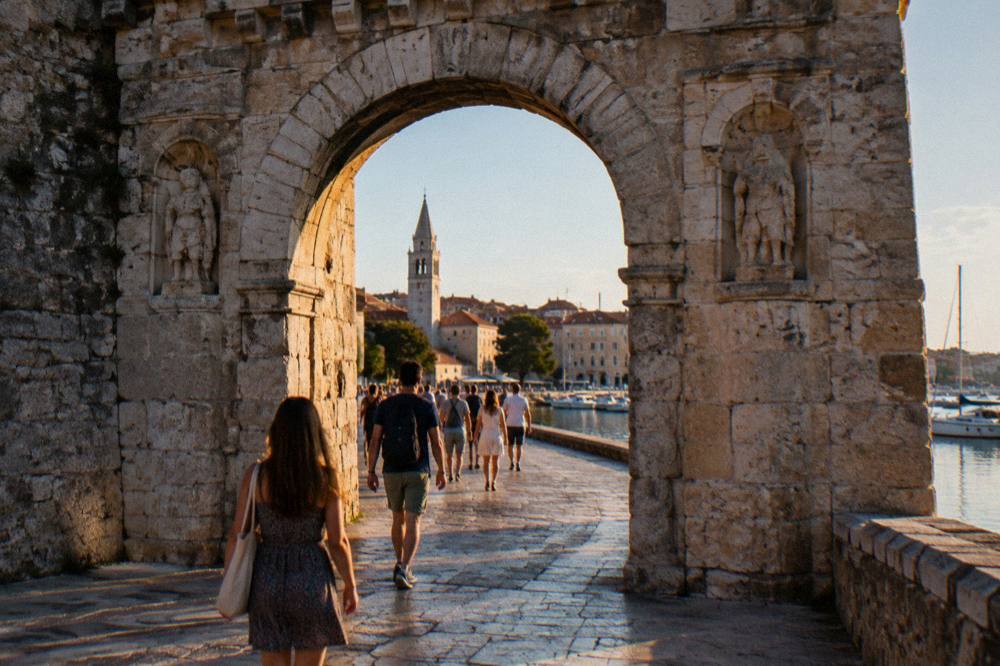
Zadar's museums sit inside the Old Town peninsula and cover everything from Roman glass to church treasure. Here is what each one holds, what a ticket costs, and which details the official pages do and do not publish.
Short answer
Zadar's main museums are the Archaeological Museum, the Museum of Ancient Glass, the permanent exhibition of religious art, and the city's smaller galleries, nearly all within a ten-minute walk on the peninsula. Expect around 7 euro at full price for the major city museums and 7.00 euro at the Museum of Ancient Glass, with seasonal hours that change and should be checked before a visit.
Zadar, a coastal city in Dalmatia on the Adriatic, keeps its museum collections unusually close together: nearly everything worth booking a ticket for sits on the Old Town peninsula, within a short walk of the Roman Forum and the Riva. This Zadar Croatia Travel Guide introduction rounds up the city's museums and pairs a museum morning with everything else the city does well in the afternoon.
Which Museums Does Zadar Have, And Where Are They?
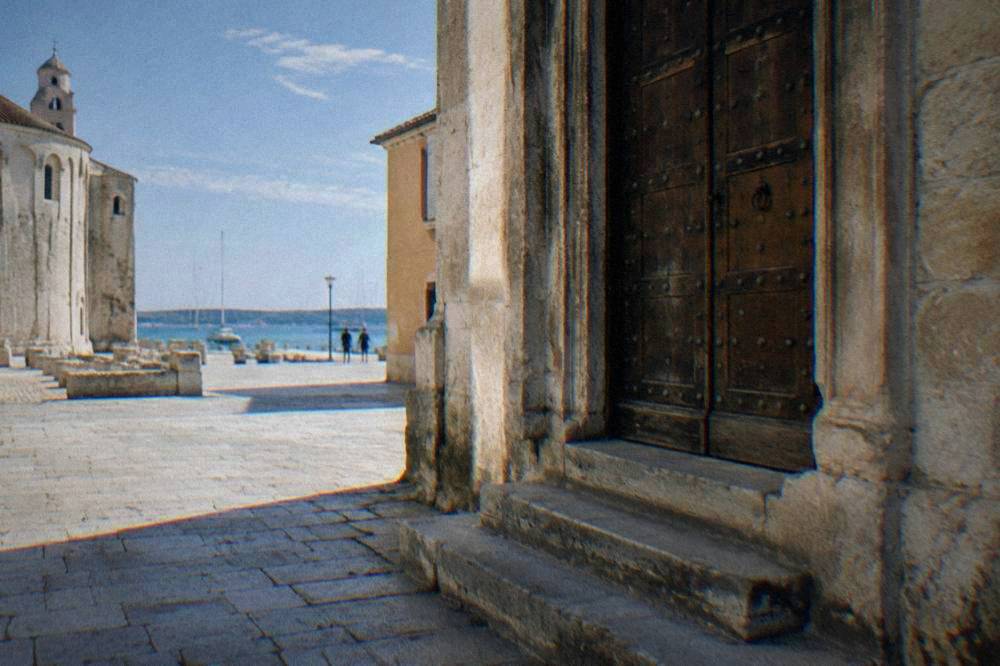
Zadar's core museum offer is the Archaeological Museum on the Roman Forum, the Museum of Ancient Glass a few streets north, the Archaeological Museum's St Donatus exhibition space in the circular church itself, and the permanent religious-art display in the Benedictine convent of St Mary, all on the Old Town peninsula and all walkable in a single loop of roughly fifteen minutes end to end. Around them sit the city's smaller galleries and exhibition venues, including the Rector's and Providur's palaces, which host temporary programmes rather than standing collections. Zadar is one of six components of the UNESCO Venetian Works of Defence property, inscribed in 2017, so the defensive walls themselves function as an open-air exhibit that no ticket covers.
The Archaeological Museum anchors the set. Its building faces the Roman Forum, and its galleries carry the finds from a city that has been continuously occupied through Roman, Byzantine, Venetian and Austro-Hungarian periods. The museum's own tariff page, shared with St Donatus, shows 7.00 and 5.00 euro rows; the split between the two rows was not read line by line, so the honest figure is "around 7 euro at full price", with free entry for children up to 10 and listed groups, and free admission for everyone on Museum Night days.
The Museum of Ancient Glass is the second headline venue. Its ticket page lists 7.00 euro for an adult, 5.00 euro for groups of five or more, and 4.00 euro for schoolchildren, with preschoolers free. The same page prices a guided tour at 20 euro in Croatian or 30 euro in other languages for a group of roughly thirty. The museum is known for its glassblowing demonstrations and its reconstructed Roman glass workshop, which is what separates it from a conventional case-after-case archaeology display.
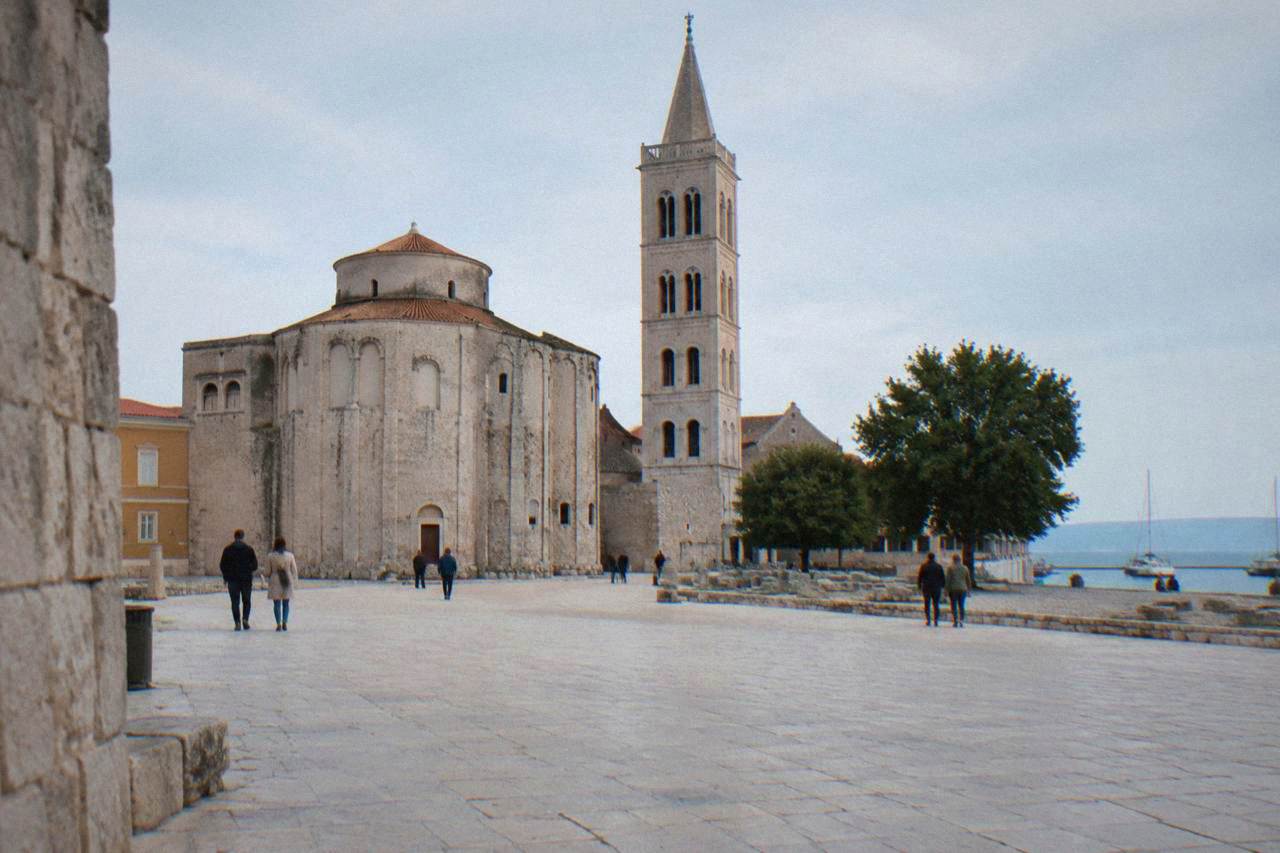
St Donatus, the circular early medieval church that dominates the Forum square, operates as an exhibition space rather than a working parish. One honest caveat applies to any 2026 or 2027 visit: a roof restoration is planned from autumn 2026 for about six months, the first phase of a wider programme, so access may be limited and the building may carry scaffolding. Check the current status before planning a visit around it.
| Venue | Collection focus | Location | Ticket status on this site |
|---|---|---|---|
| Archaeological Museum Zadar | Prehistoric, Roman and medieval finds | Roman Forum, Old Town | Around 7 euro full price (AMZD tariff page) |
| Museum of Ancient Glass | Roman glass, live glassblowing | Old Town, north of the Forum | 7.00 euro adult (verified) |
| St Donatus Church | Monumental interior, exhibitions | Forum square | Runs on the AMZD tariff; restoration from autumn 2026 |
| Permanent exhibition, St Mary's convent | Religious art and goldsmith work | Next to St Donatus | Price not found on an official page |
| Rector's and Providur's palaces | Temporary exhibitions and events | Old Town | Programme-dependent; check locally |
| University Gallery and city venues | Rotating contemporary shows | Old Town | Varies by exhibition |
How Much Do Zadar Museum Tickets Cost In 2026?
A full-price adult ticket to the Museum of Ancient Glass is 7.00 euro, the Archaeological Museum and St Donatus run at around 7 euro full price on their shared tariff, and a guided tour of the glass museum costs 20 euro in Croatian or 30 euro in other languages for a group, so a full museum day in Zadar can be planned for roughly the price of a single dinner elsewhere in the city. Children up to 10 enter the Archaeological Museum free, schoolchildren pay 4.00 euro at the glass museum, and preschoolers enter free there as well. No Zadar City Card price was found for 2026, so no card-based saving can be quoted on this page.
The figures above, and only these, are worth planning around. The Museum of Ancient Glass's ticket page states its prices directly. The Archaeological Museum's page shows 7.00 and 5.00 euro rows without the split between them being clearly readable, which is why this site writes "around 7 euro" rather than a precise tier. Two further figures do not exist on any official page this site could open: the price of climbing the Cathedral of St Anastasia bell tower, and the entry price of the Gold and Silver of Zadar, the celebrated religious-art collection in St Mary's. Secondary sources quote figures for both.
Opening hours deserve their own caution. The same applies to the bell tower, whose hours and price were not found on an official page at all. Plan museum mornings, keep afternoons flexible, and treat any third-party hours listing as a hint rather than a promise.
| Ticket | Verified price | Who it applies to |
|---|---|---|
| Museum of Ancient Glass, adult | 7.00 euro | Full-price visitor |
| Museum of Ancient Glass, group | 5.00 euro | Groups of five or more |
| Museum of Ancient Glass, schoolchild | 4.00 euro | School-age visitors |
| Museum of Ancient Glass, preschool | Free | Listed on the tariff |
| Glass museum guided tour, Croatian | 20 euro | Group of about 30 |
| Glass museum guided tour, other languages | 30 euro | Group of about 30 |
| Archaeological Museum / St Donatus | Around 7 euro | Full price; free to age 10 |
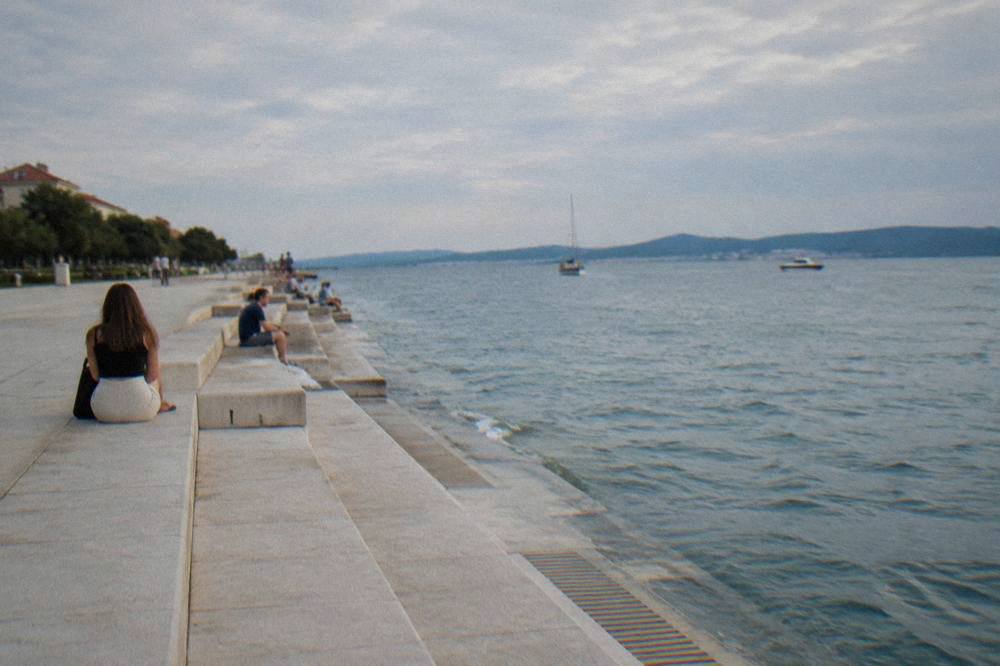
A museum ticket is one of the few fixed costs in a city where the headline attractions cost nothing at all. The Sea Organ, built in 2005 by Nikola Bašić, and the Greeting to the Sun, its 2008 companion installation beside it, are free public works on the Riva, open at all hours. A museum day and a sunset on the peninsula are not competing plans; they are the same day, split at lunchtime.
What Will You See Inside The Museum Of Ancient Glass?
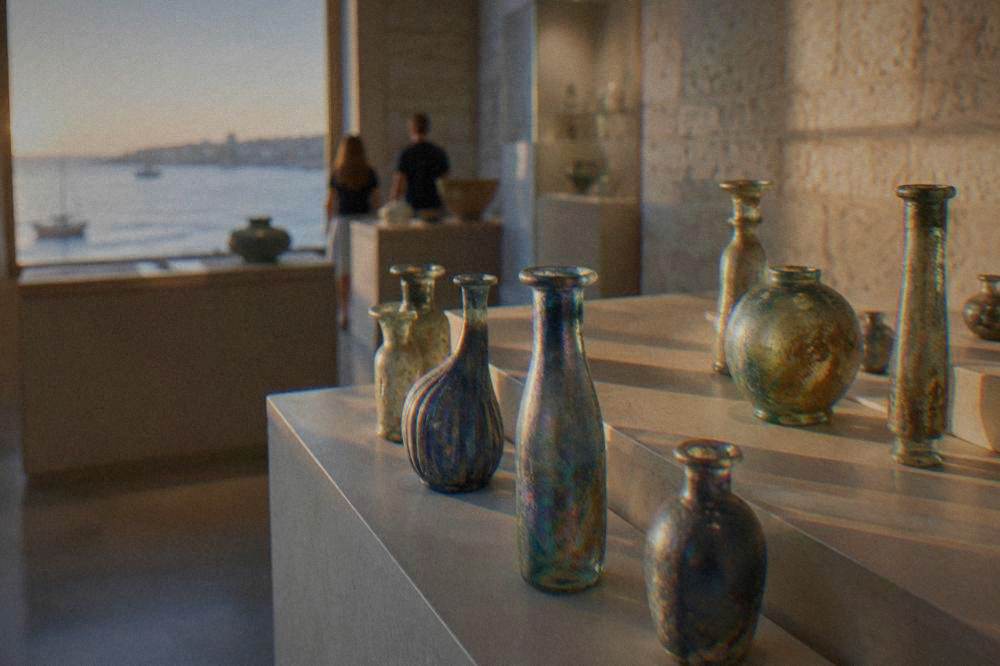
The Museum of Ancient Glass displays Roman-era glass recovered from Zadar and the wider region, including cosmetic vessels, drinking cups and ceremonial items, alongside live glassblowing demonstrations in a reconstructed workshop where craftspeople work hot glass in front of visitors, and its collections give the museum a focus no other Dalmatian venue matches. The ticket page lists the demonstrations as part of the offer, and the guided-tour options, 20 euro in Croatian and 30 euro in other languages for a group, exist specifically because the workshop and the cases reward explanation.
The building itself is a converted historic palace on the edge of the peninsula, and the route runs from the ground-floor workshop upward through chronologically arranged galleries. Roman glass from the earliest periods of the city's life, and later medieval and Renaissance pieces, tell the story of a port town that imported, produced and buried glassware across two thousand years. The collection's funerary and altar glass, recovered from local sites, is the part a general guide usually skips and a guided tour makes sense of.
For families, the demonstration is the practical draw: it is short, visible and loud in the way children remember. For anyone travelling without children, the museum rewards the same slot a church visit would otherwise fill, an hour between the Forum and lunch. The Zadar walking-tour options listed elsewhere on this site often pass the museum's street, and the Old Town guide places it on the standard loop. Tip-based walks also run locally, and their current schedule should be confirmed directly with the guide.
Can You Visit St Donatus And The Archaeological Museum On One Ticket?
Free entry applies to children up to 10, to listed groups, and to everyone on Museum Night days, per the same tariff page.
St Donatus is the reason the question matters at all. The circular church, begun in the early medieval period, is Zadar's most recognisable silhouette, and its bare interior hosts exhibitions and concerts in season. Its acoustics make it a venue as much as a monument, which is exactly why the restoration matters: during the roof works no programmes or group visits are planned, and individual access depends on the phase of the work. The tender for the roof sanation was launched at the end of August 2026, with works planned to run about six months as the first phase of a wider restoration. Anyone visiting in 2027 should check access before building a day around it.
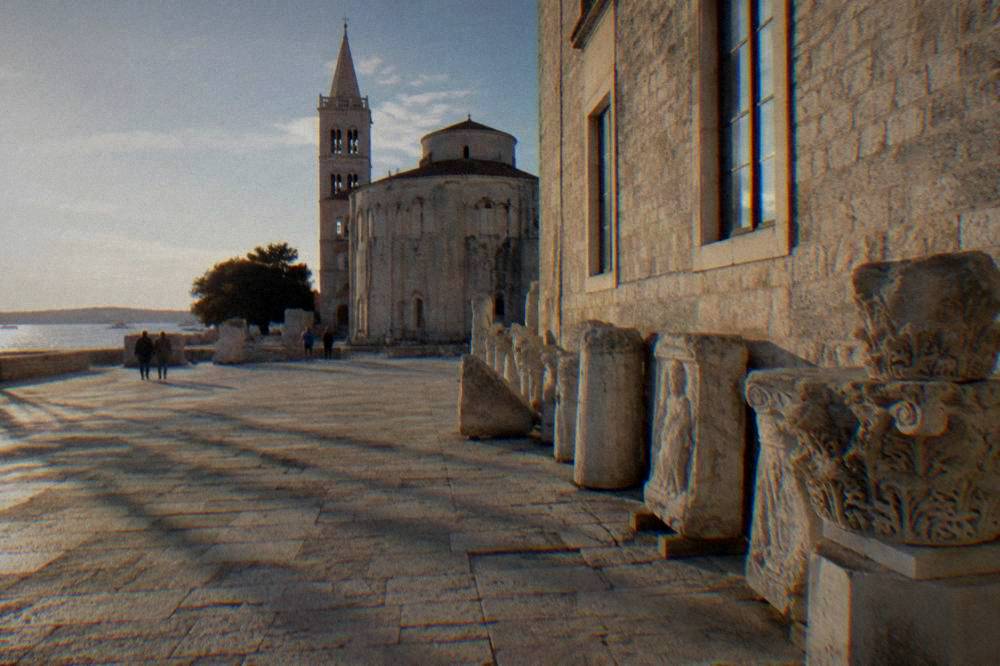
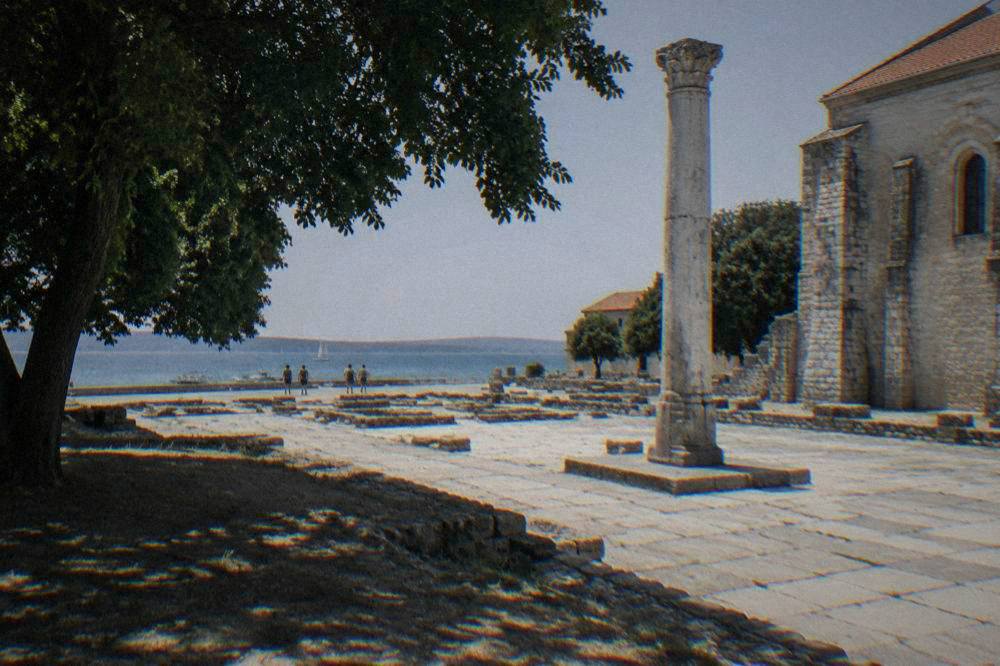
The Archaeological Museum next door is the reliable half of the pair. Its galleries cover the deep history of the peninsula and its hinterland, and its location on the Forum means the outdoor Roman ruins and the indoor cases explain each other. The Forum columns, the paving and the standing remains are free to walk through at any hour, so even a visitor who skips every ticket counter leaves with the outline of Roman Iader underfoot.
One nearby collection stays off this page's price list. Confirm the price at the door.
When Is The Best Time To Visit Zadar Museums?
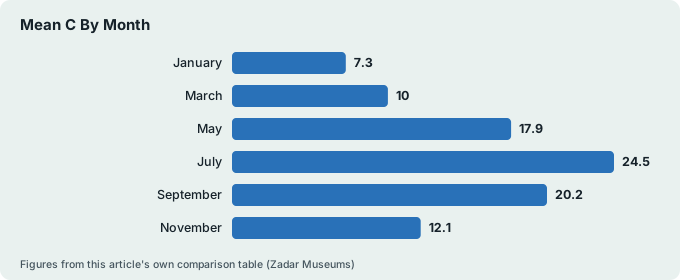
The best museum weather in Zadar is the shoulder season, April, May, June, September and October, when the DHMZ station record for Zadar (1961-2024) shows mean temperatures of 13.4 to 21.9 C and monthly rainfall between 48.5 and 66.3 mm, while July and August, at 24.5 and 24.1 C mean, push sightseeing outdoors and November, at 123 mm the wettest month in the station record, pushes it back indoors. In other words: museums fill the gaps in a Mediterranean climate, and the climate table tells you exactly which gaps.
The station record, Zadar station, 1961-2024, is worth reading rather than paraphrasing. July is the warmest month at a 24.5 C mean and the driest at 35.4 mm of rain across five rain days. November is the wettest month at 123 mm across twelve rain days. Sunshine runs to about 2,600 hours a year, concentrated in June, July and August. A museum-first plan makes sense in the November-to-March window; a museum-light plan makes sense at the height of summer, when the Riva, the beaches and the boat trips use the hours better.
| Month | Mean C | Rain mm | Rain days | Museum logic |
|---|---|---|---|---|
| January | 7.3 | 76.4 | 10 | Full museum day |
| March | 10.0 | 66.3 | 9 | Museums plus walls |
| May | 17.9 | 64.4 | 10 | One museum, one beach |
| July | 24.5 | 35.4 | 5 | Museums at midday only |
| September | 20.2 | 110.9 | 9 | Museums after a morning swim |
| November | 12.1 | 123.0 | 12 | Museum-first itinerary |
The site's Zadar weather guide and the best time to visit guide carry the full month-by-month tables. The short version for museum planning: the glass museum's reported hours shift between summer and winter seasons, and the conflicting reports are precisely why this page refuses to print them, so a shoulder-season visitor should confirm times for the specific week of travel rather than trust a cached listing.
What Can You Do In Zadar When The Museums Close?
When the museums close, Zadar's free public installations take over: the Sea Organ plays from the western Riva at all hours, the Greeting to the Sun lights the promenade beside it after dark, the Roman Forum, Five Wells Square, Kalelarga and the 1543 Land Gate all sit in open public space, and the evening economy of the peninsula, restaurants, bars and the Riva walk, needs no ticket at all. The city is small enough that a museum afternoon flows into an open-air evening without transport.
The transition is the point. The sunset and evening route guide on this site maps the sequence from Forum to Riva, and the restaurant guide and food guide cover where to break it up. A word on local rules for the evening: the Old Town posted dress-code signs at key access points in summer 2026, no swimwear or nudity, with fines up to 130 euro after a warning, so the walk back from the beach needs a change of clothes before the museum quarter.
For a slower evening, the tuk-tuk and cabrio-bus sightseeing rides tour the peninsula and the wider city after the walking distances add up, and the food-and-wine walks of the Old Town run into the early evening. Product details, prices and ratings for all of these render from the listings rather than being typed here; the Zadar tours overview collects them.
Which Day Trips From Zadar Pair Well With A Museum Visit?
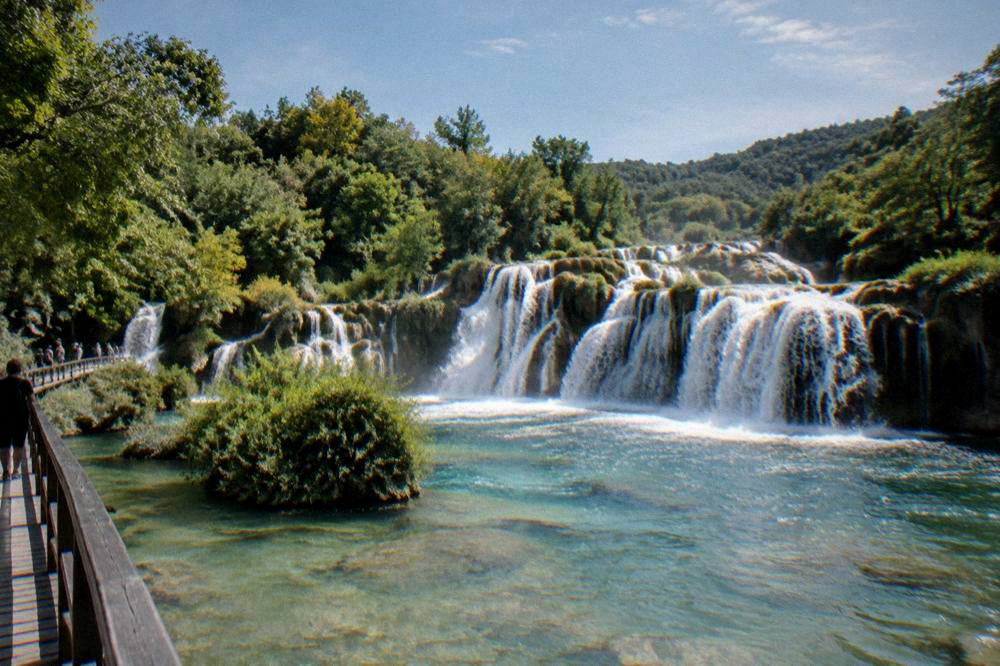
The strongest museum-plus-day-trip pairings from Zadar are Krka National Park at 91 km and about 73 minutes' drive to Skradinski Buk, Plitvice Lakes at 145 km and about 153 minutes, and Paklenica at 46.8 km and about 57 minutes, all figure-checked driving times, which means a two-centre stay in Zadar comfortably fits two museum mornings and two park days without changing accommodation. Nin at 19.8 km and Šibenik at 89 km make shorter pairings for a museum-heavy week.
The national parks sell their own tickets, and their seasonal pricing rewards the shoulder season that already suits museum visits. Krka charges adults 7 euro from January to March and in November and December, 20 euro in April, May and October, and 40 euro from June to September. Plitvice charges 10 euro in the deep winter months, 23 euro in April, May and October, and 40 euro in the June-to-September peak before late afternoon. Paklenica runs 5, 8 and 10 euro across the same seasonal bands. Both Krka and Plitvice dropped to their shoulder rates on 1 October 2026.
| Destination | Driving distance from Zadar Old Town | Drive time | Adult park entry, shoulder season |
|---|---|---|---|
| Krka (Skradinski Buk) | 91 km | ~73 min | 20 euro Apr, May, Oct |
| Plitvice Lakes | 145 km | ~153 min | 23 euro Apr, May, Oct |
| Paklenica | 46.8 km | ~57 min | 8 euro Mar, Apr, Oct |
| Nin | 19.8 km | ~28 min | Entry to old town free |
| Šibenik | 89 km | ~71 min | Varies by site |
| Skradin | 76 km | ~62 min | Town itself free |
One rule travels with the parks: swimming at Skradinski Buk in Krka has been banned since 2021, and swimming is allowed only at designated spots, Roški slap, Stinice and Pisak, from 1 June to 30 September, weather permitting. The Krka guide, the Plitvice guide and the day-trips overview on this site carry the full detail.
Common Questions About Zadar Museums
How much do museums in Zadar cost?
The Museum of Ancient Glass lists 7.00 euro for an adult, 5.00 euro for groups of five or more and 4.00 euro for schoolchildren. The Archaeological Museum and St Donatus run on a shared tariff showing 7.00 and 5.00 euro rows, so expect around 7 euro at full price. The bell-tower climb and the Gold and Silver of Zadar have no verified official price; confirm at the door.
Can you go inside St Donatus Church?
Yes, normally, as an exhibition space on the Archaeological Museum tariff, around 7 euro at full price. Roof restoration works are planned from autumn 2026 for about six months, so access may be limited and should be checked before a visit.
Are Zadar museums free on any days?
The Archaeological Museum tariff lists free entry for children up to 10, for listed groups, and for everyone on Museum Night days. Otherwise the museums charge the tariffs above.
Is there a Zadar City Card that includes museums?
No Zadar City Card price was found for 2026, so this site cannot quote one or claim any museum inclusion. Check with the tourist board for any current pass.
Is the Gold and Silver of Zadar worth visiting?
The collection of religious art and goldsmith work in St Mary's convent is one of the city's noted displays, but its price does not appear on an official page this site could open, so no figures are printed here. Confirm the price and hours at the entrance.
Museums in Zadar are a compact, honest half-day: two verified ticket prices, one restoration to watch, one collection whose price you confirm at the door, and a peninsula that hands you the rest of the day for free, from the Roman Forum underfoot to the Sea Organ playing at the end of the Riva after dark.