Zadar Public Bus
Zadar's city buses are run by Liburnija from the station at Ante Starčevića 1, and the same network covers the airport shuttle, the peninsula and the outer districts. Here is what the sources actually say about routes, tickets and connections.
Short answer
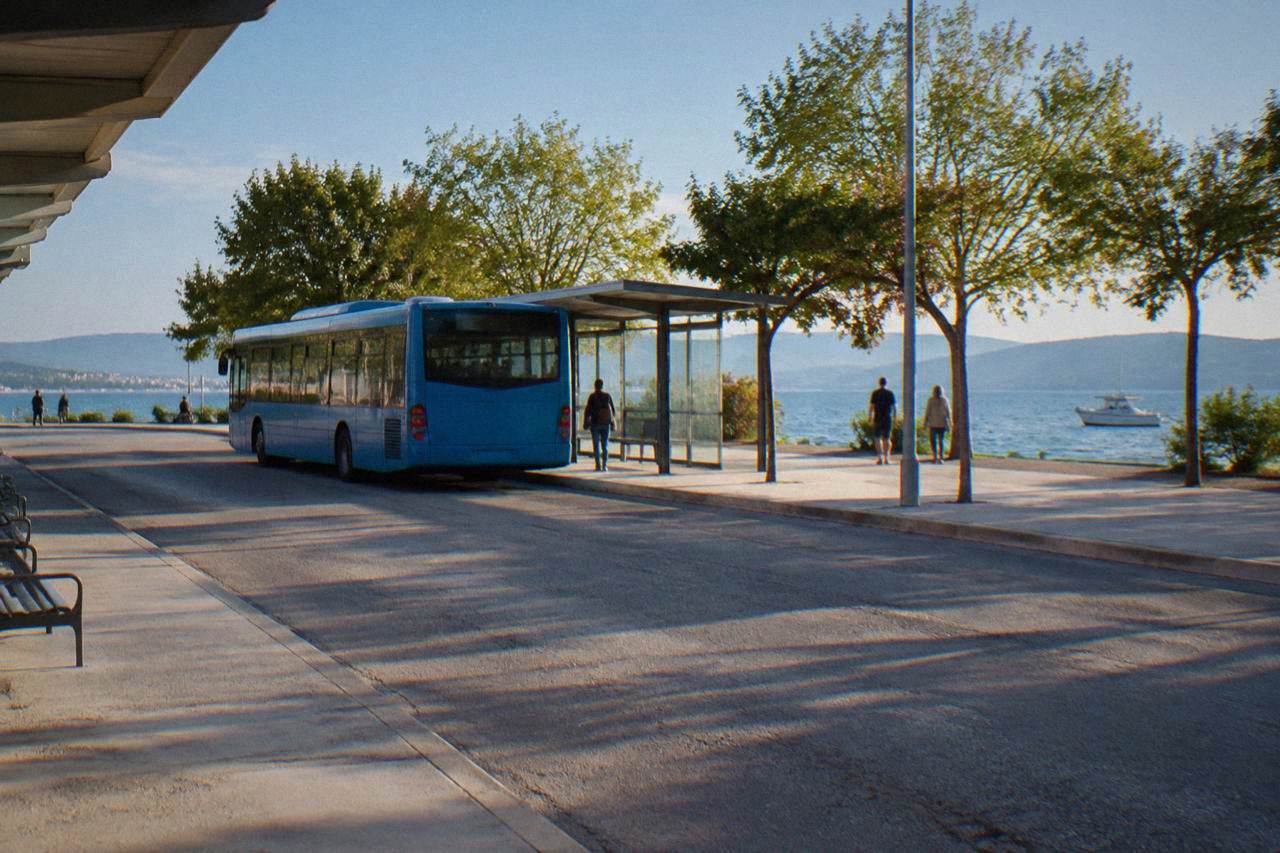
Zadar's public buses are operated by Liburnija from the bus station at Ante Starčevića 1. The airport shuttle costs 5.00 EUR one way, takes about 20 minutes and its ticket is valid 90 minutes on city buses. Passenger trains do not currently run to Zadar, so coaches, car and ferry are the practical overland routes.
Zadar, a coastal city in Dalmatia on the Adriatic, runs its public transport on rubber wheels rather than rails: a network of city buses operated by Liburnija, the local carrier whose station at Ante Starčevića 1 sits about 2.6 km from the Old Town, roughly six minutes by car. The same operator runs the airport shuttle, and the station is also the hub for the long-distance coaches that link Zadar with Zagreb, Split and the rest of the country. This guide reports what the operator's own pages and the verified local record say about all three layers, and it flags the gaps honestly: several fares are simply not published where they can be checked.
For a visitor, three things matter most. The airport shuttle is the cheapest documented link between ZAD and the peninsula. The city buses tie the outer districts, Borik and the beaches to the Old Town, with a ticket rule that rewards the shuttle transfer. And the long-distance coaches, not trains, are how you reach the national parks and the other Dalmatian cities, which is why the guided day trips from the Zadar day trips overview are often the calmer option. The sections below take each layer in turn.
Who Runs The Zadar Public Bus Network, And From Where?
The Zadar city bus network is operated by Liburnija, the municipal carrier, from the bus station at Ante Starčevića 1, about 2.6 km and roughly six minutes by car from the Old Town peninsula. The operator's own services page lists the station as its base, and the same address appears on the airport's how-to-get-here page as the end point of the shuttle route. Liburnija also runs the airport shuttle and publishes the city-line timetables.
That station address is worth memorising, because almost every wheeled journey in and out of Zadar either starts there or passes it. The operator's services page at liburnija-zadar.hr confirms the operation, and the airport's page independently gives the shuttle's route as Airport, then Gaženica ferry port, then the bus station, then the Old Town. Gaženica, the ferry port for the island and Ancona lines, sits about 5.2 km from the Old Town, roughly ten minutes by car, so the shuttle doubles as a useful ferry-connection ride.
One operational change is on record for autumn 2026: from 12 October 2026 the evening departures on the Poluotok, Arbanasi, Kolodvor line, the 21:00 and 22:00 runs, are rerouted because of recurring traffic problems in Arbanasi, as reported in the local press. Anyone planning a late-evening bus back to the peninsula in that period should check the posted timetable rather than assume the daytime route.
The table below gathers the transport nodes a visitor actually uses, with the road distances the verified routing data gives from the Old Town.
| Node | Address or location | Distance from Old Town | Driving time |
|---|---|---|---|
| Bus station (Liburnija) | Ante Starčevića 1 | 2.6 km | ~6 min |
| Gaženica ferry port | Southern shore, beyond the centre | 5.2 km | ~10 min |
| Zadar Airport (ZAD) | Zemunik, about 8 km from the city | 13.3 km by road | ~22 min |
How Does The Airport Shuttle Connect To The Zadar Public Bus Network?
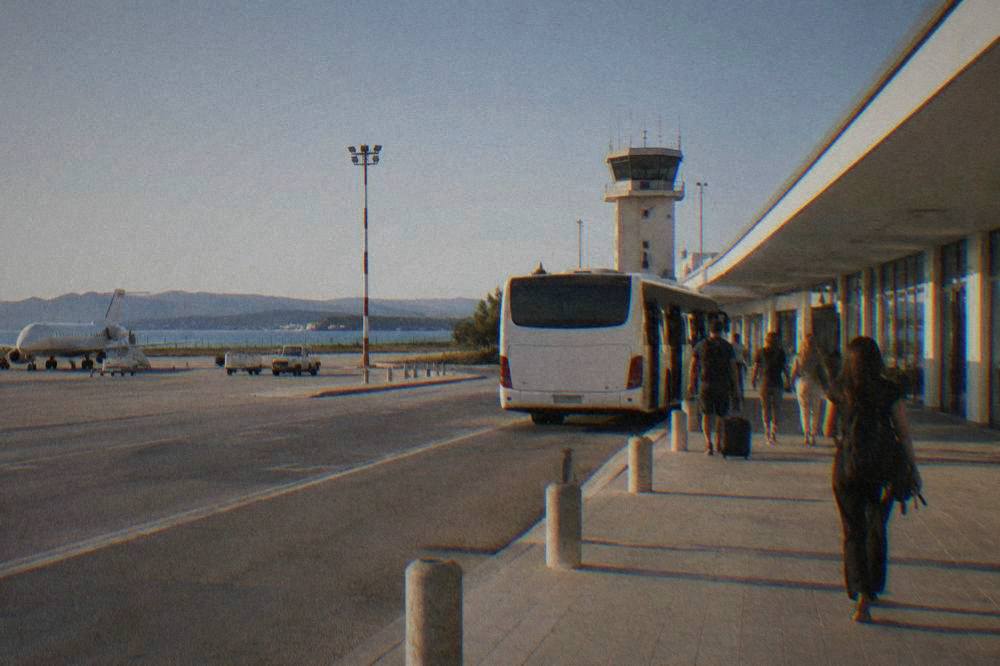
The airport shuttle is a Liburnija service costing 5.00 EUR one way including luggage, taking about 20 minutes to the Old Town, running Airport, Gaženica ferry port, bus station, Old Town, and its ticket stays valid for 90 minutes on the city buses after purchase, per the airport's own how-to-get-here page. The timetable is published monthly, a few days before each month ends.
That 90-minute validity is the detail that makes the shuttle more than an airport ride: it doubles as your first city bus ticket, so a landing passenger can ride into the station and continue to Borik or the beaches on the same piece of paper. The airport page also confirms the shuttle as the documented public-transport link for an airport that describes itself as about 8 km from the city.
The airport itself is in the middle of a capacity expansion: a new departures passenger terminal was officially presented on 24 July 2026, part of an expansion aimed at doubling capacity toward three million passengers a year, per the airport's own news page. Wizz Air added Budapest and Warsaw routes, four times weekly, from 7 June 2026, and year-round Zadar to Munich flights are confirmed for the winter 2026-27 season. More flights mean more shuttle demand, so the monthly timetable note matters: check the posted times for your arrival month rather than relying on a remembered schedule.
Full detail on the transfer options, including where the shuttle stops relative to the peninsula, is in the airport to city centre guide, and the wider flight picture is in flights and the airport itself.
How Do You Pay For A Zadar Public Bus Ride?
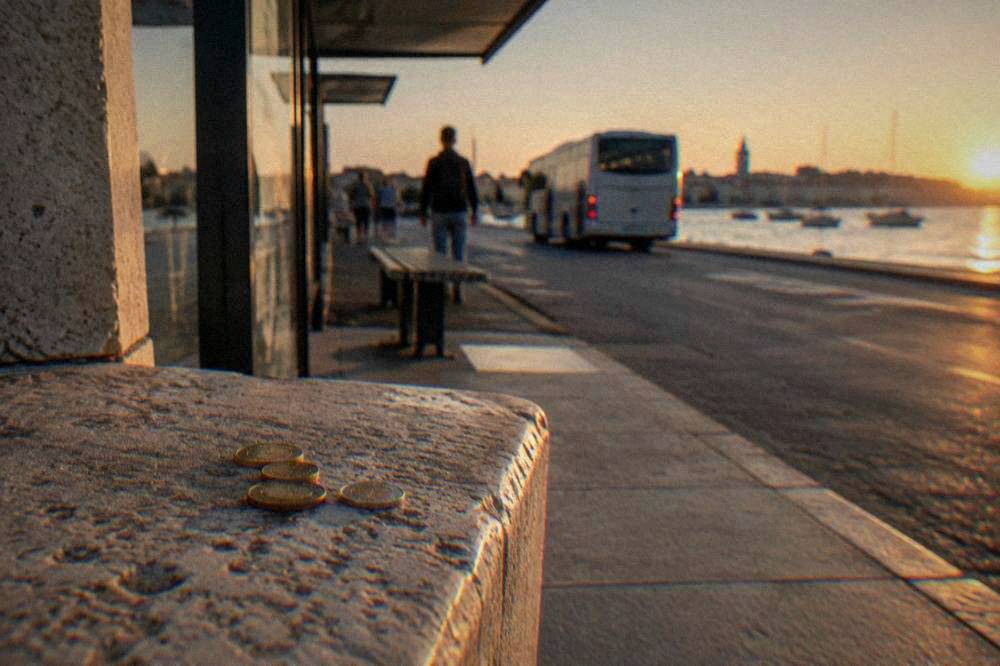
Zadar city bus tickets are bought from the driver or at the Liburnija counter at Ante Starčevića 1, and the one documented fare rule this site can print is the airport shuttle's: 5.00 EUR one way including luggage, valid 90 minutes on city buses after purchase. Beyond that, no verified single-ride city fare appears on an official page, so the price at the point of sale is the one that counts.
This is a page that refuses to invent a number, and the reason is simple: the single-ticket price for the city lines is not published on a page this site could verify, and a fare guessed from memory helps nobody at the driver's door. The practical answer is to carry some euro cash and confirm the fare when boarding, or ask at the Liburnija counter.
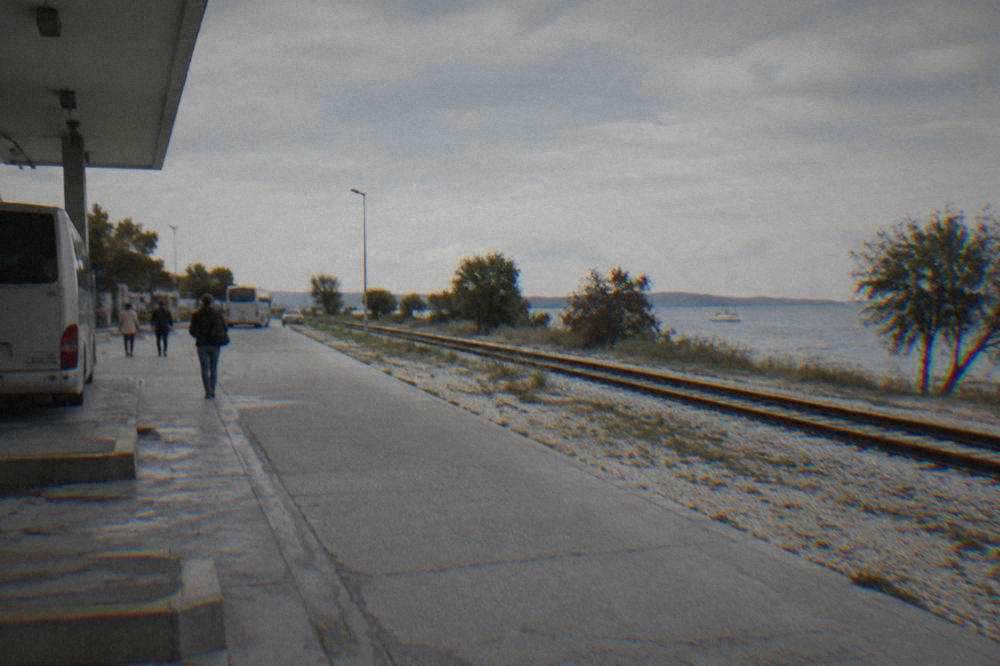
The payment question comes up so often that the site keeps a dedicated answer on it: how to pay for a bus in Zadar walks through the practical side, and where the bus station is in Zadar covers finding the counter in the first place. Both are worth a read before a first ride, especially if you are arriving at Gaženica off a ferry and need to transfer.
Coaches from the Liburnija station at Ante Starčevića 1 are the practical overland route in and out of the city, and readers should confirm current coach services directly before travelling.
That is a deliberately flat answer, and it is the honest one. The bus station, not a rail terminal, is the overland hub.
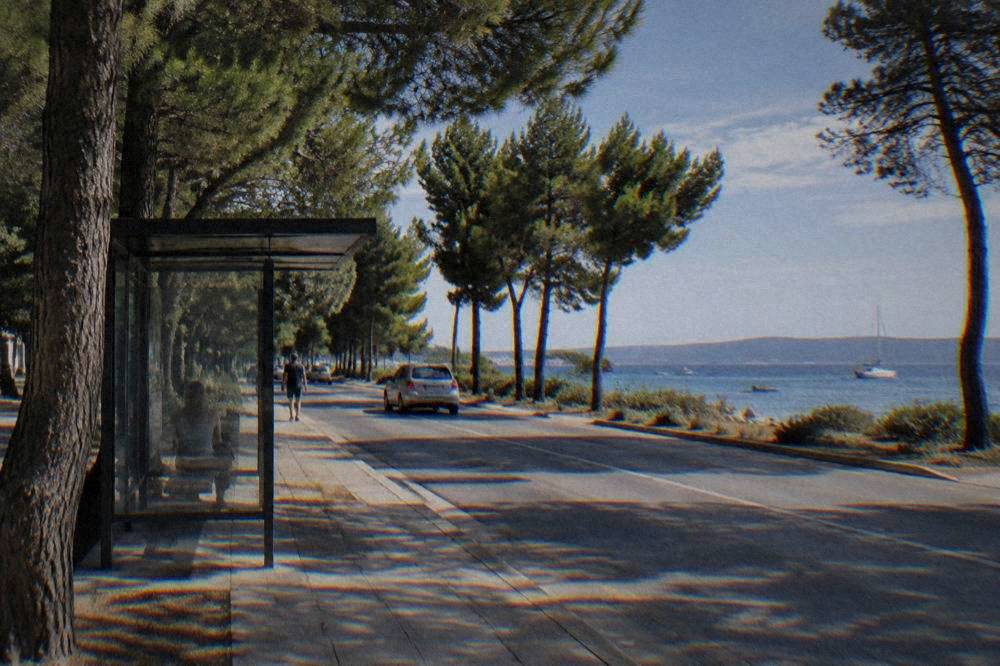
In practice the coach network covers what a train would: Zagreb is 297 km away by road, Split 158 km and Rijeka 305 km, distances the airport's own page lists. The how to get to Zadar guide sets out the arrival options in full, and the Zadar to Split guide covers the busiest intercity corridor, with the bus station guide covering the terminal itself.
Which City Bus Areas Should A Visitor Know In Zadar?
The areas a visitor rides to are the Old Town peninsula (Poluotok) itself, the hotel-and-beach strip at Borik to the northwest, the Puntamika and Diklo stretches beyond it, and Kolovare beach to the southeast, all tied to the centre by the Liburnija city lines, with the bus station at Ante Starčevića 1 as the system's hub about 2.6 km from the peninsula.
The geography makes Zadar easy to picture: a narrow peninsula holding the Old Town, a sheltered shore running northwest toward Borik and Diklo, and the Kolovare shore curving southeast. City buses thread these along the shore roads. The beaches guides, Zadar beaches and specifically the Borik and Kolovare pages, describe what waits at each end.
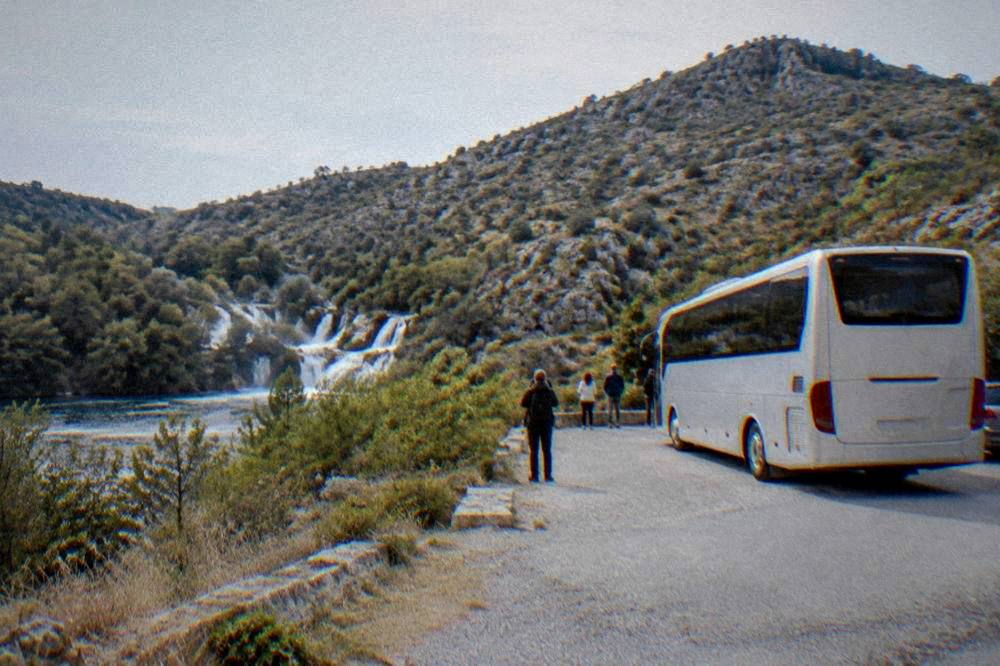
Two district notes follow. Arbanasi, across the channel from the peninsula, is the area affected by the evening rerouting from 12 October 2026 described above. And within the Old Town itself, movement is on foot: the peninsula is a pedestrian zone at its core, so buses serve its edges, above all the station stop, rather than its lanes. The full index of guides sits on Zadar Croatia Travel Guide.
| Area | Direction from Old Town | Why visitors go there |
|---|---|---|
| Borik | Northwest | Hotels, beaches, resorts |
| Puntamika | Northwest, beyond Borik | Beaches, sea views toward Ugljan |
| Diklo | Northwest, furthest stretch | Quieter beaches and lodging |
| Kolovare | Southeast | Closest major beach to the peninsula |
| Arbanasi | Across the channel, east | Residential district, evening bus route changes from 12 Oct 2026 |
Can You Reach The National Parks By Public Bus From Zadar?
Coaches from the Zadar bus station run toward the national park region, and the verified road distances are 91 km, about 73 minutes, to Krka's Skradinski Buk and 145 km, about 153 minutes, to Plitvice, but no single documented public-bus-to-park-gate itinerary exists on an official page, so the site's answer on the Krka bus question is to confirm services and connections locally before committing.
The distances come from verified routing data, not from a timetable, and that distinction matters. A coach on the Zadar to Šibenik road passes within reach of Skradin, the Krka gateway town 76 km from Zadar; whether the departure times line up with park opening hours is a check to make at the station. The dedicated answer page, is there a bus from Zadar to Krka National Park, holds the practical detail, and the Krka National Park guide covers the park itself.
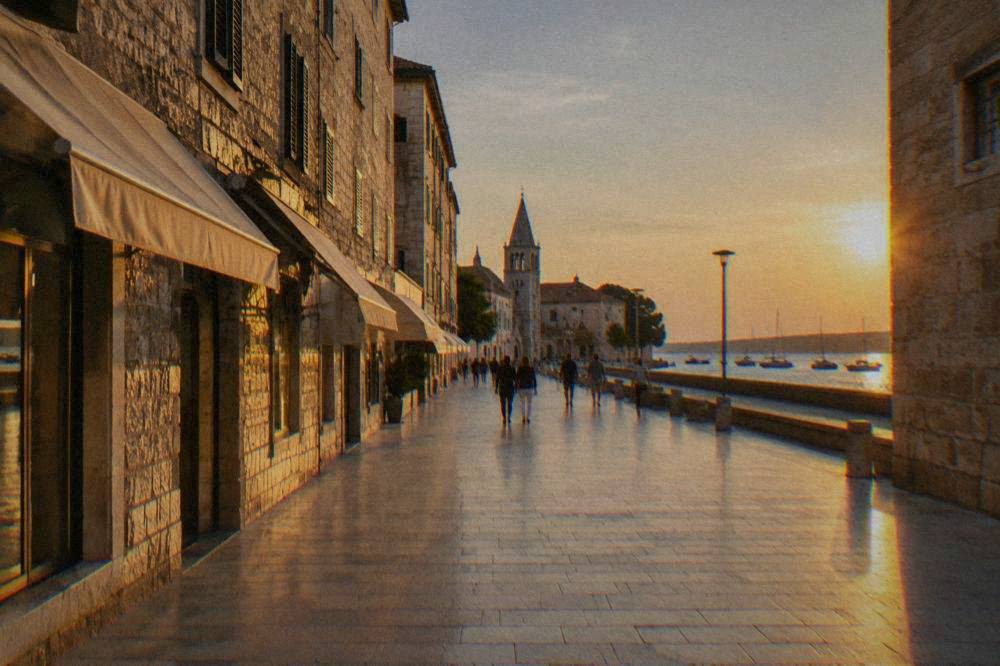
This is also where the guided day trips earn their keep. A tour handles the transfer, the park ticket logistics and the timing in one booking, which removes the dependence on a coach connection. The Plitvice Lakes guide and the national parks overview set out the seasonal entry prices, and the tour below is the one this site features for the corridor.
Do You Need The Buses At All, Or Is Zadar Walkable?
For the Old Town, the Riva, the Sea Organ and the Greeting to the Sun, no bus is needed: the peninsula is compact and its core is pedestrian, and the free installations by Nikola Bašić, the Sea Organ from 2005 and the Greeting to the Sun from 2008, sit a short walk apart on the western shore, open at all hours. The buses earn their fare for Borik, Diklo, the airport and the ferry ports.
The peninsula measures its distances in minutes on foot, not in bus stops. The Roman Forum, Kalelarga, the Land Gate of 1543 and the Five Wells Square all sit within a short walk of one another, and the Old Town guide plus the one day in Zadar itinerary lay out walking routes that never touch a bus. St Donatus, facing roof restoration works planned from autumn 2026 for about six months, may have limited access during that period, so check before counting on an interior visit.
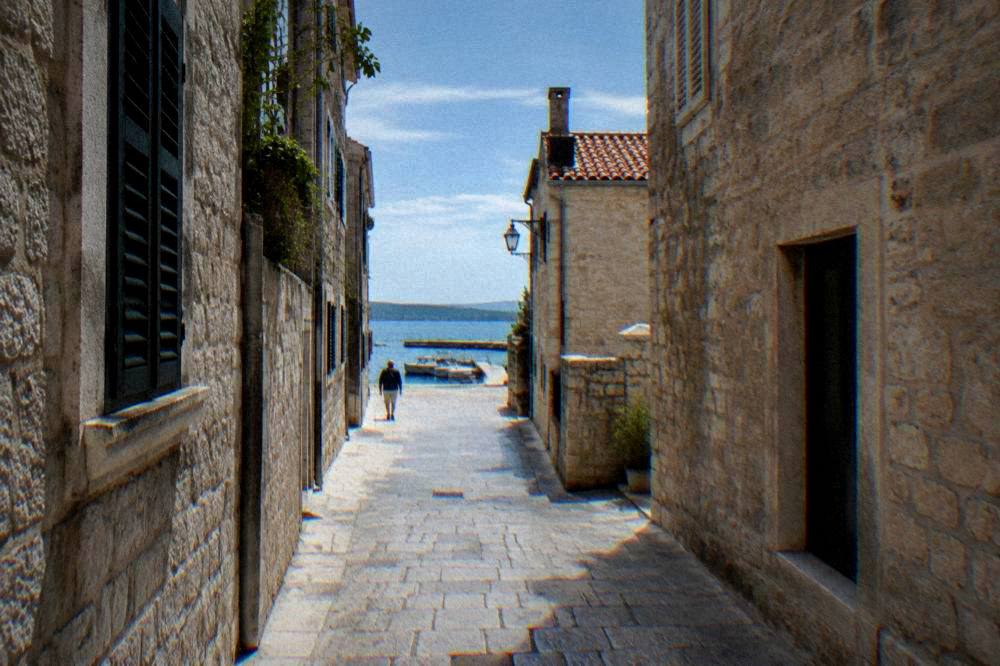
Where the buses and ferries take over is the water and the wider coast. The Zadar ferry guide covers the island crossings, including the 1 h 40 min Jadrolinija line to Brbinj on Dugi Otok, and the Zadar boat tours guide covers the excursion fleet. For the coast beyond the city, the tours below are the site's picks for days when the bus timetable would otherwise dictate the plan.
What Should You Know About Rules And Comfort On Zadar Transport?
Croatia uses the euro since 1 January 2023, is a Schengen member, and uses 112 as the emergency number; on the ground in Zadar, dress-code signs posted at Old Town access points in summer 2026 ask for appropriate clothing with reported fines up to 130 EUR, and a night-time restriction on retail alcohol sales in the Old Town has been discussed for the 2026 season, so carry a cover-up on beach-to-town bus rides and buy evening supplies outside the peninsula.
Those two Old Town rules are reported measures rather than timeless law, and both carry their own attribution: the dress-code signage was reported in July 2026, the alcohol restriction was a stated municipal intention under a national law change. Neither affects the bus ride itself, but both affect what you carry off the bus at the peninsula stop. A towel and swimwear in a bag is fine; walking the Kalelarga in swimwear is what the signs target.
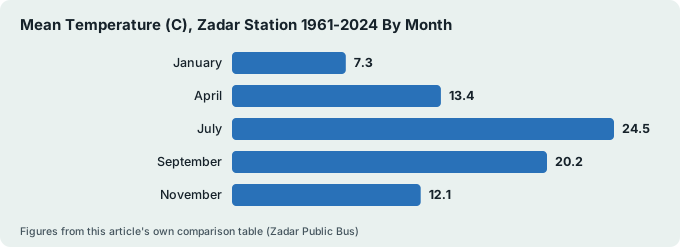
Comfort planning ties back to the climate record. The DHMZ station table for Zadar, 1961-2024, gives a July mean of 24.5 C and a January mean of 7.3 C, with November the wettest month at 123 mm and July the driest at 35.4 mm. Bus shelters and the station forecourt are the difference between a pleasant wait and a hot one in a summer that records ten days at or above 30 C in both July and August. The Zadar weather guide and the best time to visit guide carry the full picture.
| Month | Mean temperature (C), Zadar station 1961-2024 | Precipitation (mm) | Bus-stop planning note |
|---|---|---|---|
| January | 7.3 | 76.4 | Cool waits, occasional bora wind |
| April | 13.4 | 61.4 | Mild, good walking weather |
| July | 24.5 | 35.4 | Heat: water, shade at stops |
| September | 20.2 | 110.9 | Warm but wetter |
| November | 12.1 | 123.0 | Wettest month: waterproof |
How Does The Zadar Public Bus Fit A Longer Stay?
For stays of two days or more, the pattern that works is walking the peninsula, using the city buses for the beach districts and the shuttle for the airport, and reserving the coach station for one or two big day trips, with the ferry port at Gaženica added if Ugljan or Dugi Otok are on the list; the itineraries the site publishes for two, three and four days are built on exactly that split.
The two days in Zadar and three days in Zadar plans keep day one on the peninsula and push day two toward the water or a park, which is where the transport question actually bites. The four day itinerary and the rainy day itinerary cover the longer and the wetter versions, and the cruise port day guide handles the compressed case where every minute counts.
Choosing where to base yourself changes the bus question too. A stay in Borik means beach-side lodging with a bus or a long walk to the Old Town; a peninsula stay inverts that. The where to stay in Zadar guide works through the trade-offs, and the wider is Zadar worth visiting and Zadar versus Split pages put the city in regional context.
| Trip layer | Transport that serves it | Verified figure |
|---|---|---|
| Airport to city | Liburnija shuttle | 5.00 EUR one way, ~20 min, ticket valid 90 min on city buses |
| City districts | Liburnija city lines | Fares confirmed at the counter or with the driver |
| Islands | Jadrolinija ferries from Gaženica | Brbinj (Dugi Otok) crossing 1 h 40 min |
| National parks | Coaches from Ante Starčevića 1 | Krka 91 km, Plitvice 145 km by road |
| Old Town itself | On foot | Peninsula core is pedestrian |
Common Questions About The Zadar Public Bus
Overland travel to Zadar
Coaches from the Liburnija station at Ante Starčevića 1 are the practical overland route, and current services should be confirmed before travelling.
How much is the airport shuttle in Zadar?
The Liburnija airport shuttle is 5.00 EUR one way including luggage, takes about 20 minutes to the Old Town, and the ticket is valid for 90 minutes on city buses, per the airport's own page.
How do you pay for a city bus in Zadar?
Tickets are handled with the driver or at the Liburnija counter; no verified single-ride city fare appears on an official page, so confirm the price at the point of sale.
Where is the Zadar bus station?
At Ante Starčevića 1, about 2.6 km and roughly six minutes by car from the Old Town, operated by Liburnija.
Can you take a bus from Zadar to Krka National Park?
Coaches run toward the region and Krka's Skradinski Buk is 91 km away by road, but no single verified bus-to-gate itinerary exists; confirm services locally or consider a guided day trip.
Do the buses change routes in Zadar?
Yes, occasionally: from 12 October 2026 the 21:00 and 22:00 Poluotok, Arbanasi, Kolodvor departures were rerouted due to traffic problems in Arbanasi. Check the posted timetable for late-evening runs.
The Zadar public bus system is small, honest and, on the evidence of the operator's own pages, built around one station, one shuttle and a set of shore lines. Walk the peninsula, ride to the beaches, catch the shuttle for 5.00 EUR with its 90-minute transfer validity, and leave the long hauls to the coaches or to a day trip that carries you door to door.