Zadar Bus Station
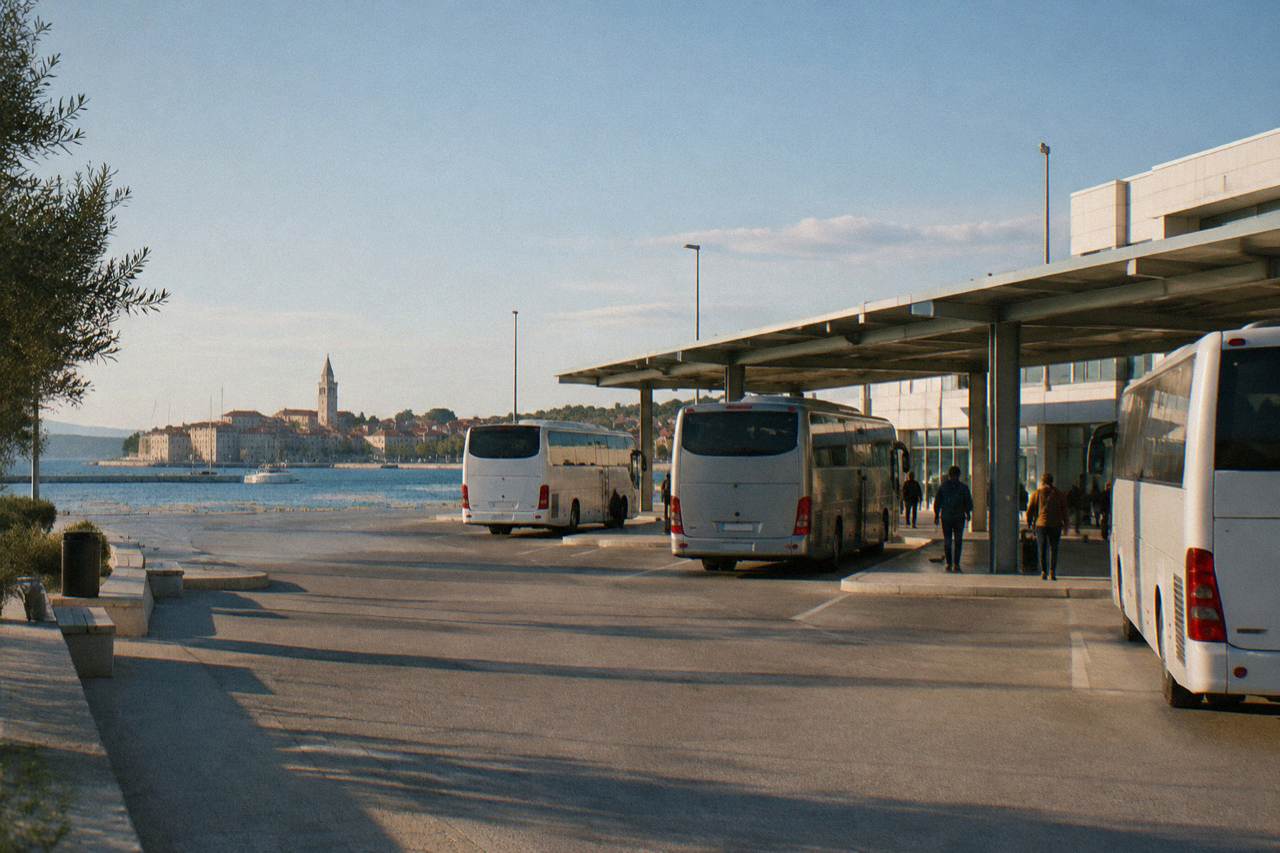
The bus station sits about 2.6 km from the Old Town gates, next to the ferry port, and it is the hub for the airport shuttle, intercity coaches and most day-trip departures.
Short answer
Zadar's bus station is at Ante Starčevića 1, operated by Liburnija, about 2.6 km or six minutes by road from the Old Town. The airport shuttle stops here, the Gaženica ferry port is about 5.2 km away, and coaches run to cities including Split, Zagreb and Šibenik.
Zadar, a coastal city in Dalmatia on the Adriatic, runs its overland arrivals through a single coach hub: the bus station at Ante Starčevića 1, operated by Liburnija. The station's own service page and the airport's how-to-get-here page confirm both the address and the operator, and the site's placement matters more than its size. It sits roughly 2.6 km, about six minutes by road, from the Old Town peninsula, and about 5.2 km, ten minutes, from the Gaženica ferry port where the Jadrolinija island boats leave. That triangle, station, peninsula, ferry port, is the shape of nearly every onward move a visitor makes.
This guide walks through what the station actually connects to. It covers the airport shuttle, city bus basics, the coach routes, the ferry link at Gaženica, and the practical question of whether you even need the station if your plans are built around tours and walking. Trains get a note too, and the short answer is worth knowing before you plan around a rail link: passenger trains do not currently run to Zadar, so coach, car and ferry are the practical ways in. For the wider arrival picture, the how to get to Zadar guide covers flights and driving routes, and Zadar Croatia Travel Guide collects the whole site.
Where Is The Zadar Bus Station And How Far Is It From The Old Town?
The Zadar bus station stands at Ante Starčevića 1, on the mainland side of the city about 2.6 km from the Old Town peninsula, roughly six minutes by road according to OSRM route data. Liburnija operates the station and lists the address on its services page, and the airport's own how-to-get-here page repeats it. City buses, taxis and a flat walk of around half an hour connect the two, and the route passes the Foša harbour before the Land Gate.
The address is the fixed fact; everything downstream of it is routing. Computed driving distances from the Old Town put the bus station at 2.6 km and six minutes, which is why the station rarely causes the arrival friction visitors expect. The walk into the peninsula follows the shore, crosses near the harbour and enters the Old Town by the Land Gate, built in 1543 to a design by Michele Sanmicheli.
What surrounds the station is just as useful as where it sits. The neighbourhood is mainland Zadar, not the historic core, so hotels and restaurants here are city-normal rather than Old Town picturesque. If you are deciding where to sleep, the where to stay in Zadar guide breaks down the districts, and the Old Town guide covers the peninsula itself.
How Does The Airport Shuttle Connect To The Bus Station?
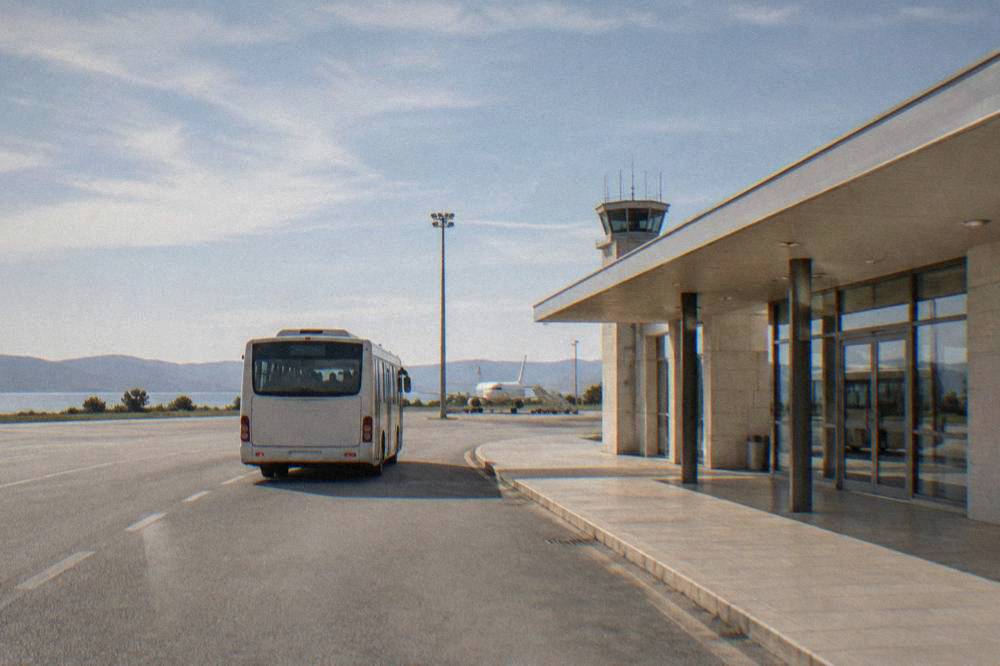
The Zadar airport shuttle, run by Liburnija, costs 5.00 EUR one way including luggage and takes about 20 minutes to the Old Town, running Airport to Gaženica ferry port to the bus station to the Old Town. The airport's how-to-get-here page states the fare, the luggage inclusion and the route, and adds that the shuttle ticket stays valid 90 minutes on city buses afterwards, so one ticket can cover a second leg.
That 90-minute validity is the detail that changes plans. A landing at Zadar Airport, which the airport's own page places about 8 km from the city, feeds into a single 5.00 EUR ticket that carries a passenger through the shuttle ride and then onto a city bus if the final address is not within walking range of a shuttle stop. The timetable is published monthly, a few days before each month ends, on the operator's channels, so the current month's sheet is the only one worth planning on.
The shuttle route order matters for ferry passengers. Because the bus stops at Gaženica before the station and the Old Town, anyone heading to a Jadrolinija island sailing can sometimes drop off mid-route rather than ride to the terminus and backtrack. The Zadar airport guide and the airport to city centre guide cover the full set of transfer options, including car hire.
A coach arrival pairs naturally with a first orientation walk. The Zadar Highlights tour covers the Old Town, the Sea Organ and local tastings, and its listing shows current times alongside Check availability. The walking tour overview explains what a guided circuit of the peninsula adds over going alone.
How Do You Pay For City Buses From The Station?
City buses in Zadar are run by Liburnija from the same station infrastructure, and the 5.00 EUR airport shuttle ticket is valid 90 minutes on city buses, per the airport's page. No single-ticket city fare is printed here because no official figure was verified, so buy at the station or on board and confirm the current price at the point of sale.
That caution is deliberate. Roundup posts quote city fares freely, but this guide does not repeat a single-journey price; check the current fare with the operator. The shape of the network, though, is clear: Liburnija operates the city services alongside the intercity coaches, the station at Ante Starčevića 1 is the hub, and one autumn 2026 change reroutes the evening Poluotok, Arbanasi and Kolodvor departures at 21:00 and 22:00 from 12 October 2026 because of recurring traffic problems in Arbanasi.
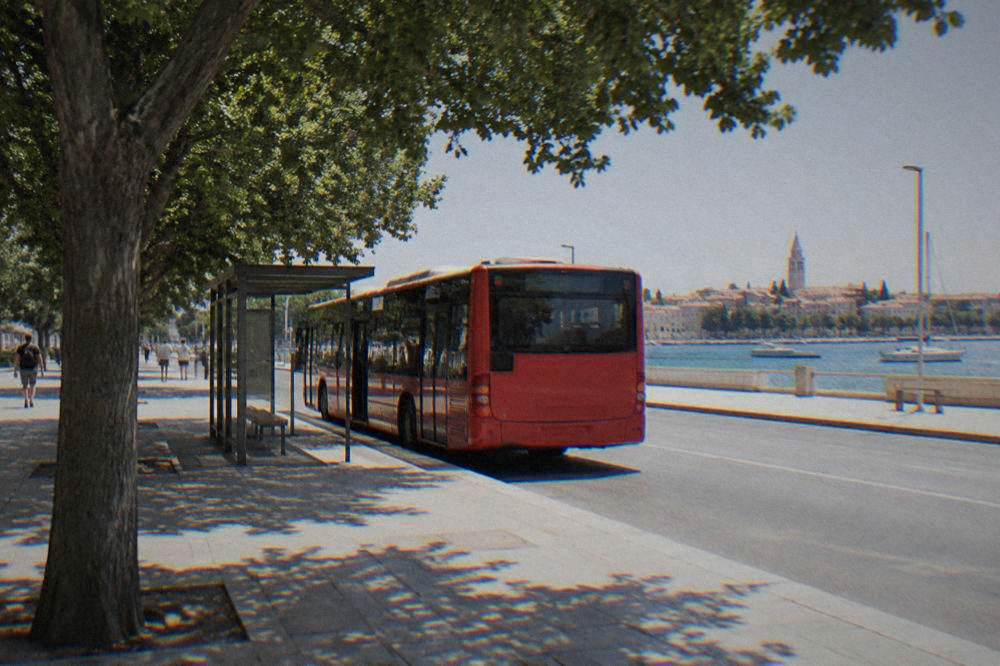
For deeper detail on tickets, stops and the evening route change, the Zadar public transport guide is the dedicated page, and the how to pay for a bus in Zadar answer addresses the fare question directly. The bus station location answer gives the short version of this section.
Which Cities And Towns Do Coaches Reach From Zadar?
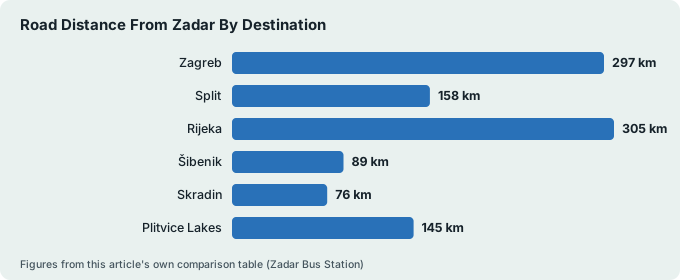
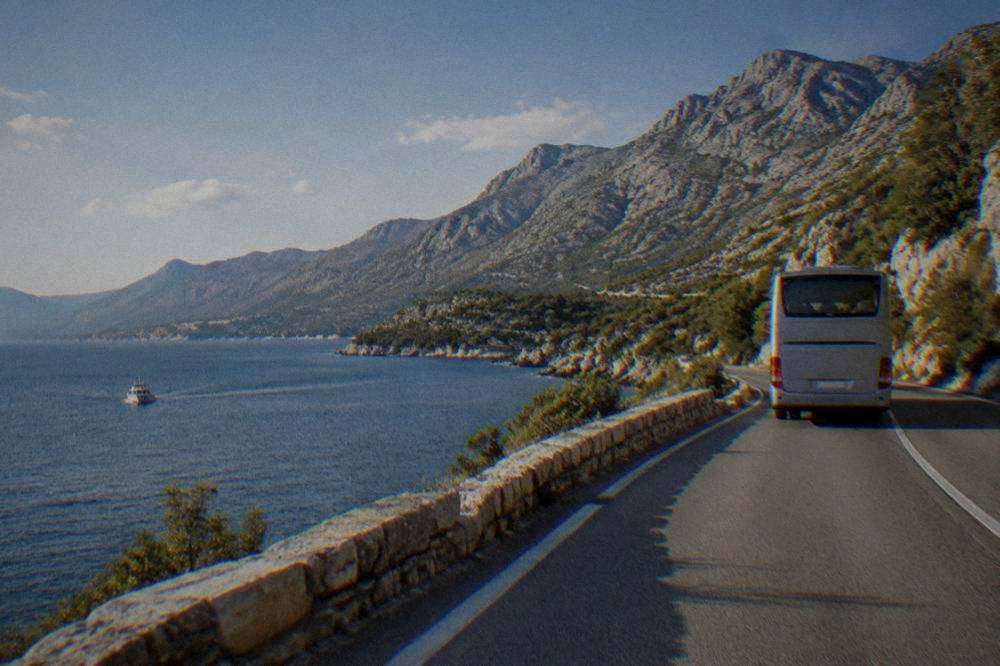
The bus station is the departure point for Zadar's intercity coaches, and the verified road distances frame every route: Zagreb 297 km, Split 158 km, Rijeka 305 km, per the airport's how-to-get-here page. Computed OSRM distances add Šibenik at 89 km, Skradin at 76 km and Plitvice at 145 km from the Old Town, so day trips by coach are realistic across all of them.
Those distances are road-kilometres, not schedules. Journey times depend on the operator and the season, and this site prints no coach duration it did not verify, so check the departure boards at the station or the operator's current timetable before committing to a same-day plan. What the distances do establish is scale: Split is a two-hour-class trip, Šibenik closer to one, and Zagreb a half-day run.
| Destination | Road distance from Zadar | Source |
|---|---|---|
| Zagreb | 297 km | Airport how-to-get-here page |
| Split | 158 km | Airport how-to-get-here page |
| Rijeka | 305 km | Airport how-to-get-here page |
| Šibenik | 89 km | OSRM computed |
| Skradin | 76 km | OSRM computed |
| Plitvice Lakes | 145 km | OSRM computed |
Two corridors deserve a planning note. Southbound, the Zadar to Split guide covers the transfer options. Northbound, the Plitvice corridor is served as well by guided day tours, which is where the token block above comes in, and the day trips guide compares the options.
Can You Take A Bus From The Station To Krka National Park?
Coaches from Zadar run toward Šibenik and Skradin, which sit 89 km and 76 km from Zadar's Old Town respectively by computed road distance, and Skradin is the boat-and-bus gateway to Krka's Skradinski Buk.
Krka's own 2026 price list, verified as a PDF from the park, prices adult entry at 7 EUR in January to March and November to December, 20 EUR in April, May and October, and 40 EUR from June to September at the all-accessible-land-sites tier. Swimming at Skradinski Buk has been banned since 2021 to protect the travertine, and swimming is allowed only at designated spots such as Roški slap, Stinice and Pisak, from 1 June to 30 September, conditions permitting. None of that depends on how you arrive, but it shapes whether a coach-plus-ferry day or a tour day suits you better.
The dedicated Krka bus answer handles the route question in detail, and the Krka National Park guide covers tickets and the swimming rules. If you are weighing Krka against Plitvice from a Zadar base, Plitvice sits 145 km away against Krka's 91 km to Skradinski Buk, which is the single biggest planning difference.
How Close Is The Station To The Ferry Port And The Islands?
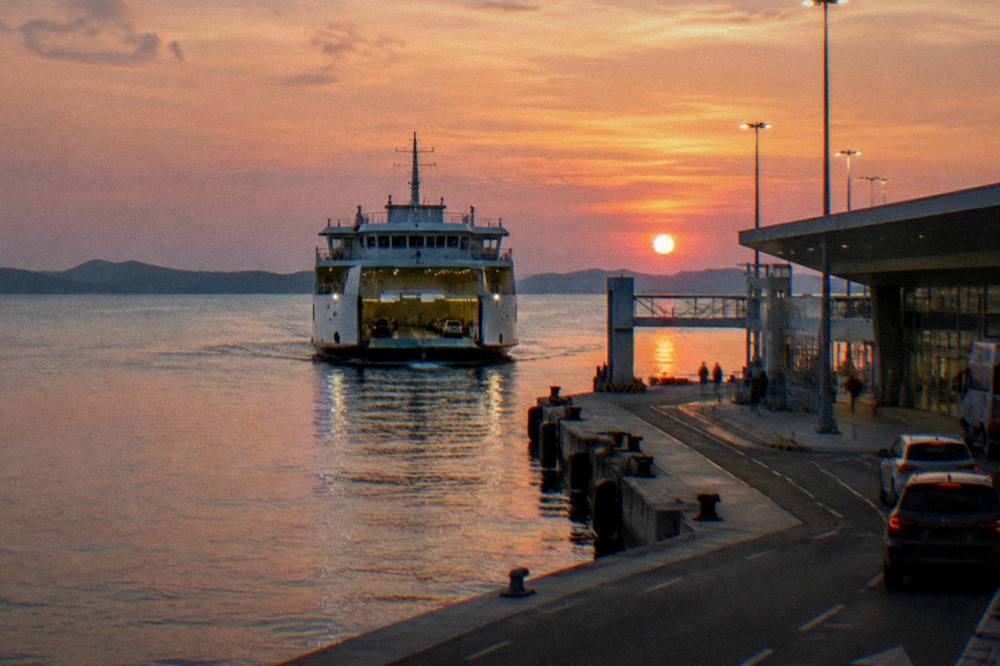
The Gaženica ferry port, where Jadrolinija's Zadar island lines sail from, sits about 5.2 km and ten minutes by road from the bus station, per computed OSRM routing. The airport shuttle stops at Gaženica on its way into the city, and Jadrolinija's route page shows the Zadar to Brbinj crossing on Dugi Otok taking 1 hour 40 minutes, with the Zadar to Preko crossing on Ugljan taking about 25 to 30 minutes.
Gaženica replaced the in-town ferry piers, so the old habit of walking from the Old Town to a boat no longer applies to the car-carrying island routes. The station's role is that coaches, the shuttle and city buses all feed the same southern port area. Two fares sit outside what this site can verify: the Preko ferry price was not found on an official page, and the Barkajoli rowing-boat crossing in the Old Town harbour runs on a fare of a euro or two at most, with no official price list. Confirm both at the point of travel.
| Ferry connection | Operator / line | Crossing time | Fare |
|---|---|---|---|
| Zadar (Gaženica) to Brbinj, Dugi Otok | Jadrolinija line 434 | 1 h 40 min | Check the fare when booking |
| Zadar to Preko, Ugljan | Jadrolinija | About 25 to 30 min | Check the fare when booking |
| Zadar to Ancona fast catamaran | Jadrolinija line 51, Jelena | About 4 h | 2026 season ended 6 September; 2027 not announced |
The Ancona line deserves its own sentence: the passenger-only catamaran ran from 26 June 2026 and was extended to 6 September 2026 on Jadrolinija's own announcement, and no 2027 season has been announced, so plan nothing around it yet. The Zadar ferry guide and the Gaženica ferry port guide carry the detail.
Readers should check current national rail information directly before planning around a train that may not serve the city.****
That is the whole honest answer, and it is rare enough among Croatia guides to state plainly. The absence shapes itineraries: every inland day trip, including Plitvice at 145 km, runs on rubber or on a guided coach. The how to get to Zadar guide summarises the arrival options that do exist, and the flights to Zadar guide covers the air side, including the airport's new departures terminal presented on 24 July 2026 and the year-round Zadar to Munich flights confirmed for winter 2026-27.
What Should You Do Near The Station While Waiting For A Connection?
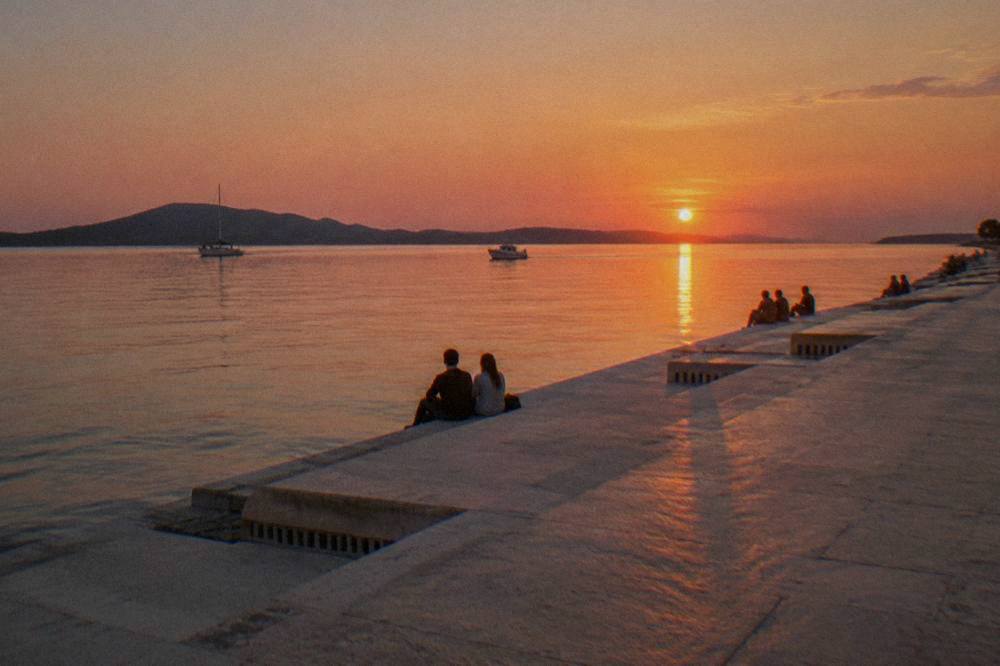
The station sits in mainland Zadar about 2.6 km from the peninsula, and the short list of verified nearby anchors is the Old Town itself, the Riva seaside promenade, and the free public installations on the northwestern tip: the Sea Organ from 2005 and the Greeting to the Sun from 2008, both by Nikola Bašić, both open at all hours with no ticket.
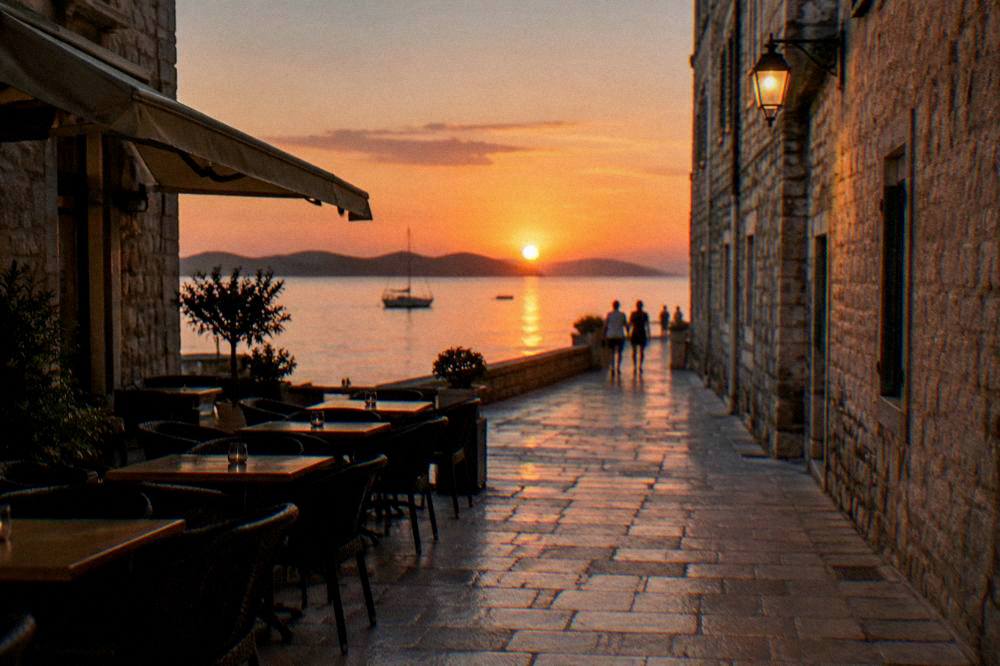
Those two installations are the reason a long layover in Zadar is not a problem. The Sea Organ, a wave-driven organ of about 70 m with 35 pipes in the quay steps, plays whenever the sea moves, and the Greeting to the Sun, a 22 m solar disc beside it, lights after dark. Neither has an entrance or a queue, so the evening rule is simply: be there around sunset and stay after it.
A connection window also covers food. The Zadar food guide and the restaurants guide map where to eat, and the sunset-and-evening route guide walks the peninsula's after-dark geography. For the timing question, the climate record for Zadar station, 1961-2024, puts July means at 24.5 C and January at 7.3 C, with about 2,600 sunshine hours a year, which is why an outdoor wait is usually a pleasant one.
Do You Even Need The Bus Station If You Are Tour-Based?
If your Zadar trip is built around guided tours and walking, the station still matters twice: it is the airport shuttle's city stop, and it is where many day-trip coaches and tour pickups stage from. Everything inside the Old Town peninsula is walkable, and the island boat tours leave from the harbour, so the station's role narrows to arrival, departure and the inland day trips to Krka, Plitvice and Paklenica.
That is the honest division of labour. A visitor arriving by air uses the station once or twice; a visitor filling a one day in Zadar plan or a two days in Zadar plan may never buy an intercity ticket at all. The boat tours guide covers the harbour departures, and the tours overview sorts the whole roster by kind.
| Travel task from the station | Best option | Key verified fact |
|---|---|---|
| Airport transfer | Liburnija shuttle | 5.00 EUR one way, about 20 min, luggage included |
| Old Town access | City bus, taxi or walk | 2.6 km, about 6 min by road |
| Dugi Otok ferry | Connect to Gaženica | Port 5.2 km, 10 min; crossing 1 h 40 min |
| Krka day trip | Coach to Skradin or guided tour | Skradin 76 km; Krka entry 7 to 40 EUR by season |
| Split | Intercity coach | 158 km road distance |
One seasonal wrinkle belongs in any station planning table. Zadar Advent runs from 24 November 2026 to 2 January 2027 across three locations including a new ice rink on the Forum, per the city's event pages, and the Zadar Christmas Run falls on 27 December 2026. Winter coach demand around those dates rises, so booking ahead for late December travel is the sensible default.
What Are The Practical Rules To Know Around The Station And Old Town?
Three reported rules shape a station-to-Old Town arrival in 2026: dress-code signs at key access points to the historic peninsula prohibit swimwear and nudity, with reported fines up to 130 EUR after a warning; a night-time restriction on retail alcohol sales in the Old Town has been discussed for the 2026 season under a national law change; and Zadar charges a tourist tax collected by the accommodation, with the amount confirmed at booking rather than printed here.
Each of those comes with a caveat, so treat them as current practice rather than settled law. The dress-code signs went up in summer 2026; the mayor has said the alcohol restriction applies to shops and kiosks, not bars or restaurants; the tourist tax is real, so check the current city rate locally. None of it complicates a bus arrival, but all of it answers questions that surface on the walk in.
The remaining essentials are country-level and stable: Croatia uses the euro since 1 January 2023, it is a Schengen member, and 112 is the emergency number. Croatian is the language, and English works across transport signage in Zadar. For weather-dependent planning, the Zadar weather guide and the best time to visit guide use the same station record quoted above.
Common Questions About The Zadar Bus Station
Where is the bus station in Zadar?
At Ante Starčevića 1, operated by Liburnija, about 2.6 km or six minutes by road from the Old Town peninsula. The dedicated answer page gives the short version with a map framing.
How do I get from Zadar bus station to the Old Town?
City bus, taxi or a walk of roughly half an hour along the shore. The airport shuttle ticket is valid 90 minutes on city buses, which covers the second leg if you land the same day.
How much is the airport shuttle to the bus station?
5.00 EUR one way including luggage, about 20 minutes, per the airport's own how-to-get-here page. The route runs Airport, Gaženica ferry port, bus station, Old Town.
Is there a train from Zadar to Split or Zagreb?
Check current national rail information directly before planning around a train.
Can I catch a ferry near the bus station?
The Gaženica ferry port sits about 5.2 km and ten minutes away, with Jadrolinija lines to Dugi Otok and Ugljan. The Zadar to Preko crossing takes about 25 to 30 minutes, and its fare is confirmed at booking.
Do tour pickups leave from the bus station?
Many day-trip coaches and guided tours stage from the station and the surrounding mainland stops, while boat tours leave from the harbour and Old Town walks start on the peninsula itself. Confirm each tour's meeting point on its live listing.
The station is a working transport hub, not an attraction, and it earns its place in a Zadar plan by sitting exactly where the shuttle, the coaches and the ferry feeder converge. Confirm fares and timetables at the point of travel, walk into the peninsula when the weather invites it, and let the Sea Organ finish the arrival.