Zadar History
Zadar's story on this site runs from the Venetian Land Gate of 1543 to the UNESCO defence listing of 2017 and Nikola Bašić's waterfront installations, and this page follows that history alongside the popular claims that have grown up around it.
Short answer
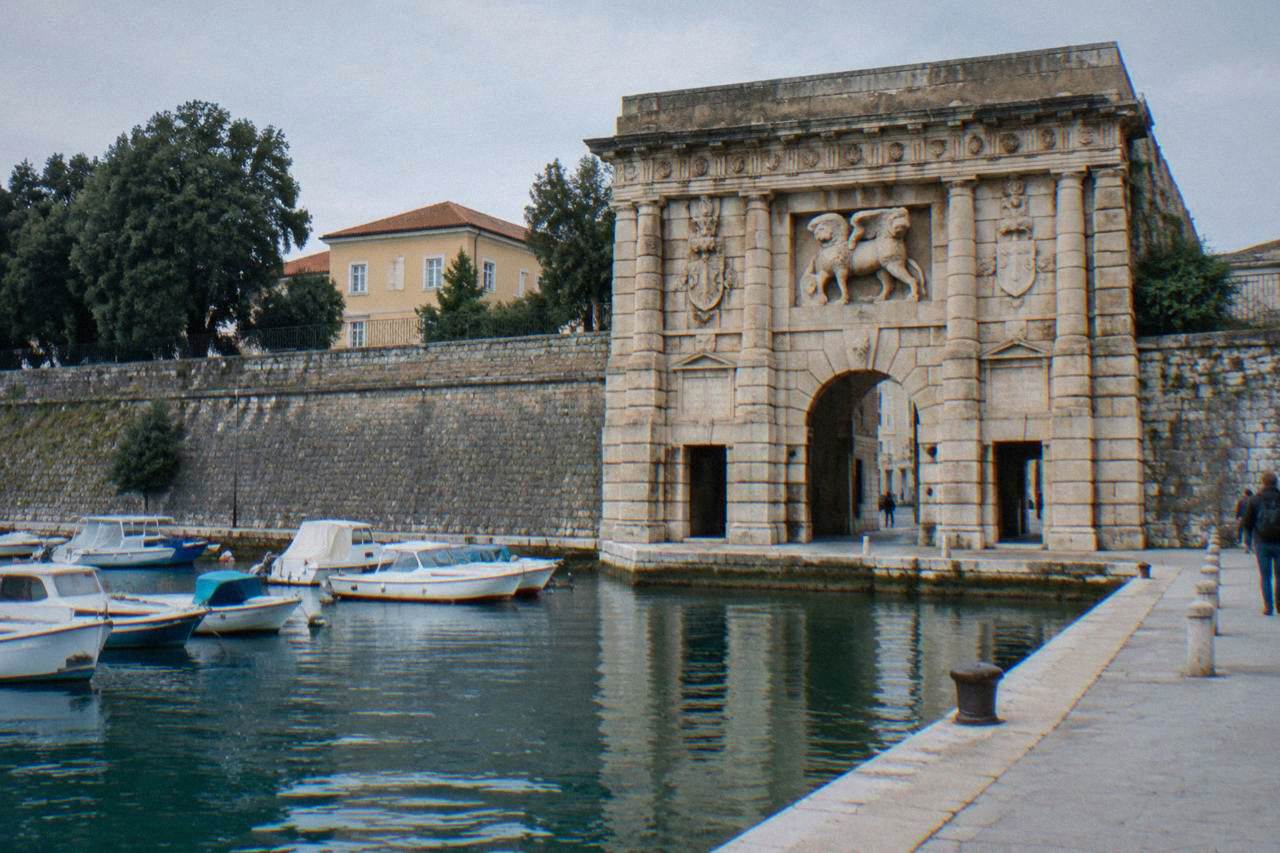
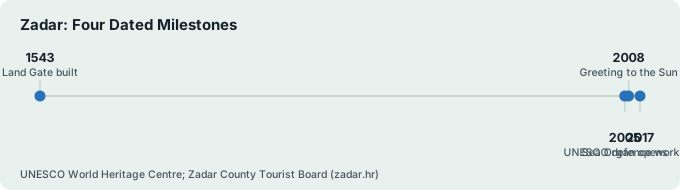
The historical anchors for Zadar are the Land Gate built in 1543 by Michele Sanmicheli, the city's 2017 inscription as one component of the UNESCO Venetian defence works, and the 2005 Sea Organ and 2008 Greeting to the Sun by Nikola Bašić.
Zadar is a coastal city in Dalmatia, Croatia, on a narrow peninsula that has been fought over, walled, bombed and rebuilt for centuries, and its history is told today through a handful of stones and installations you can walk between in an afternoon. This page from the Zadar Croatia Travel Guide covers the essentials: the Land Gate of 1543, the UNESCO defence listing of 2017, and the Sea Organ and Greeting to the Sun by Nikola Bašić.
What Is Actually Verified About Zadar History?
Zadar's history rests on four firm anchors: the Land Gate built in 1543 to a design attributed to Michele Sanmicheli, the Sea Organ completed in 2005 by Nikola Bašić, the Greeting to the Sun installed in 2008 beside it, and Zadar's 2017 inscription as one of six components of the UNESCO World Heritage property of Venetian defence works.
That is a shorter list than a glossy guide would give you, and it is deliberately so. It keeps to the two Bašić installations on the city's own pages, the defence works on the UNESCO listing, and the Land Gate in the standard references. Nothing else made the cut. The result is a history you can stand in front of.
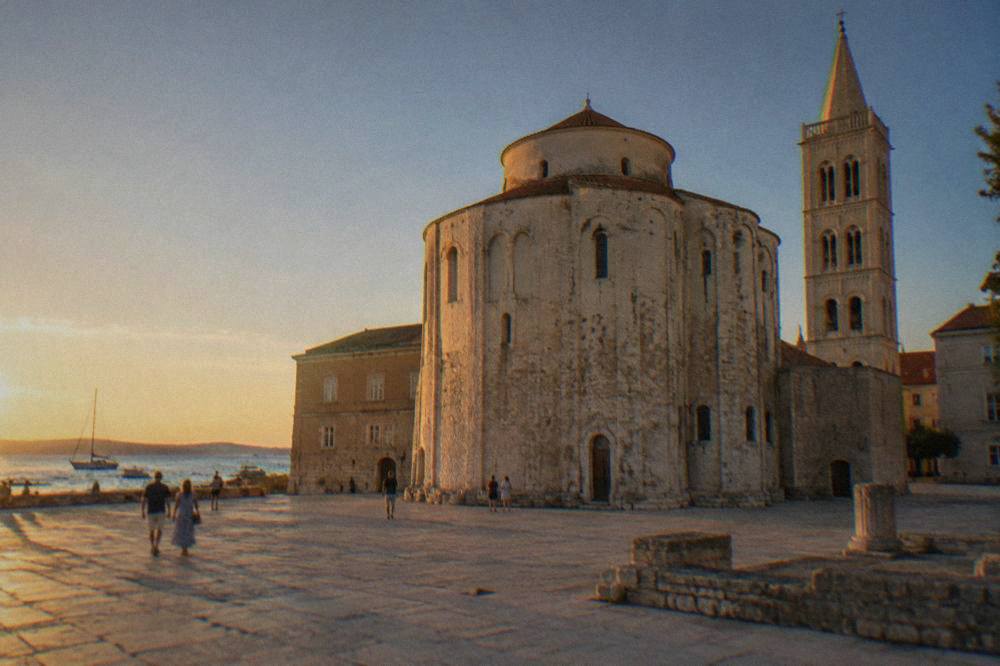
The four anchors sit within walking distance of one another on the peninsula. The Land Gate faces the harbour where the moat once ran. The two Bašić installations sit at the northwestern tip of the Riva, and the UNESCO inscription covers the defensive system rather than the whole Old Town. A reader planning the walk will find the practical route in the one day in Zadar itinerary, which covers the peninsula end to end.
| Verified fact | Year | What the sources say |
|---|---|---|
| Land Gate (Kopnena vrata) | 1543 | Built to a design attributed to Michele Sanmicheli, entry to the city across the former moat |
| Sea Organ (Morske orgulje) | 2005 | Wave-driven sound installation by Nikola Bašić on the northwestern waterfront |
| Greeting to the Sun (Pozdrav Suncu) | 2008 | Solar-powered light installation by Nikola Bašić beside the Sea Organ |
| UNESCO inscription | 2017 | Zadar listed as one component of the Venetian Works of Defence property |
A fifth date belongs to the country rather than the city: Croatia adopted the euro on 1 January 2023 and sits inside the Schengen area, which shapes the practical side of any visit today.
What Did The Venetians Leave In Zadar?
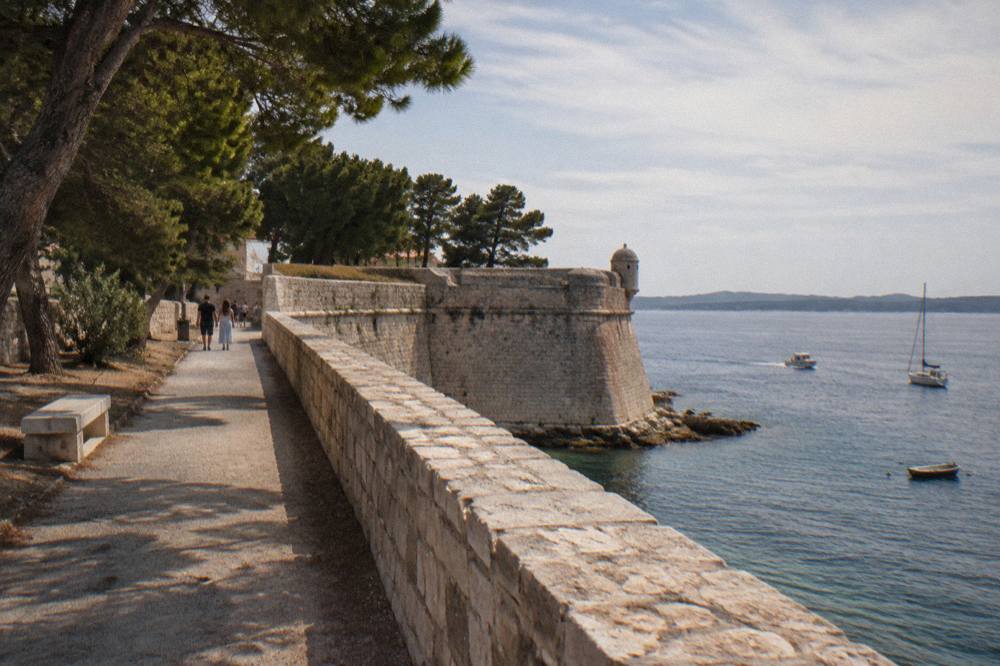
The visible Venetian legacy in Zadar is the Land Gate of 1543, and the documentary legacy is the 2017 UNESCO inscription that lists Zadar's defensive system as one of six components of the property "Venetian Works of Defence between the 1500s and 1600s: Stato da Terra, western Stato da Mar", shared between Italy, Croatia and Montenegro. The inscription covers the fortification system, not the Old Town as a whole, a distinction the UNESCO listing itself makes plain.
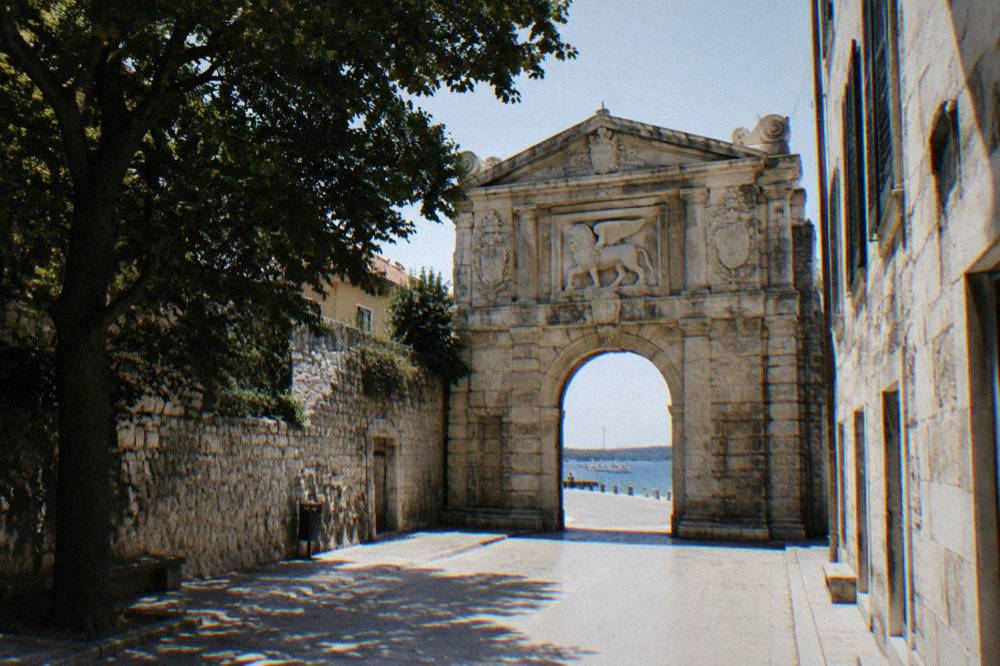
The gate is the piece you walk through. It is the work of Michele Sanmicheli and dates from 1543. A triumphal-arch composition in stone, it stands where visitors once crossed from the mainland onto the walled peninsula, and today it frames the harbour approach rather than defending anything.
The UNESCO side of the story is more recent and more precise than the gate. The phrase that matters is "Defensive System of Zadar": the listing protects the fortification works of the 1500s and 1600s, so a reader should not expect the whole of the peninsula to carry World Heritage status, because it does not.
| UNESCO fact | Detail |
|---|---|
| Property name | Venetian Works of Defence between the 1500s and 1600s: Stato da Terra, western Stato da Mar |
| Year inscribed | 2017 |
| Component name | The defensive system of Zadar |
| Number of components | Six, across Italy, Croatia and Montenegro |
| What is covered | The fortification system, not the entire Old Town |
Context helps here. The fortification and naval history of this coast was shaped by the sea that surrounds it, and a day on the water gives a sense of why the wall was needed.
Is Zadar Really The Oldest City In Croatia?
Zadar is popularly held to be the oldest city in Croatia, a tradition rather than a documented fact, as no founding date for the settlement survives. The city's population was 67,309 at the 2021 census, and nothing in its built record predates 1543.
The oldest city question is the one Croatian towns most like to argue about, and several of them argue it. No founding date for Zadar commands enough agreement to be printed. What can be said is that Roman remains stand in the city, including the Forum, and that the Old Town's street pattern preserves a medieval logic.
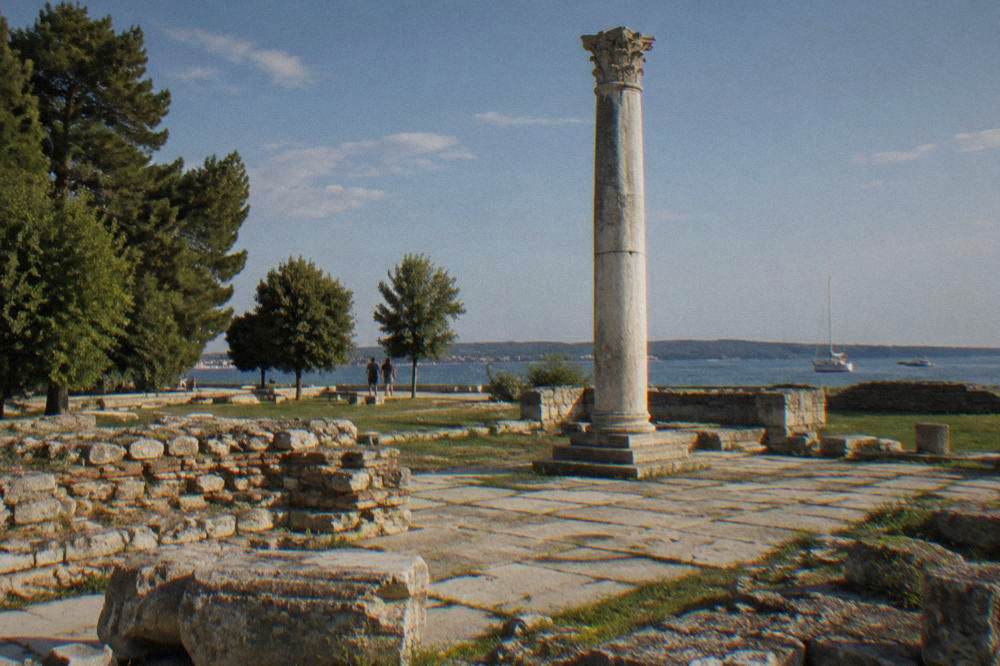
For planning purposes the honest position is this: the city is old, the oldest city claim is unproven here, and the walkable core rewards a visit regardless of which millennium it started in. The practical minimum stay is covered in how many days in Zadar.
Why Was Zadar Heavily Damaged In The Second World War?
Zadar suffered heavy destruction in the Second World War, and that chapter of the city's past remains a vivid part of local memory. The postwar rebuilding reshaped parts of the peninsula, and its traces are still easy to see today.
This is the hardest kind of gap to write around, because the numbers do exist in circulation, and some of them are dramatic. Readers with a serious interest should consult the published historiography directly rather than rely on a travel guide.
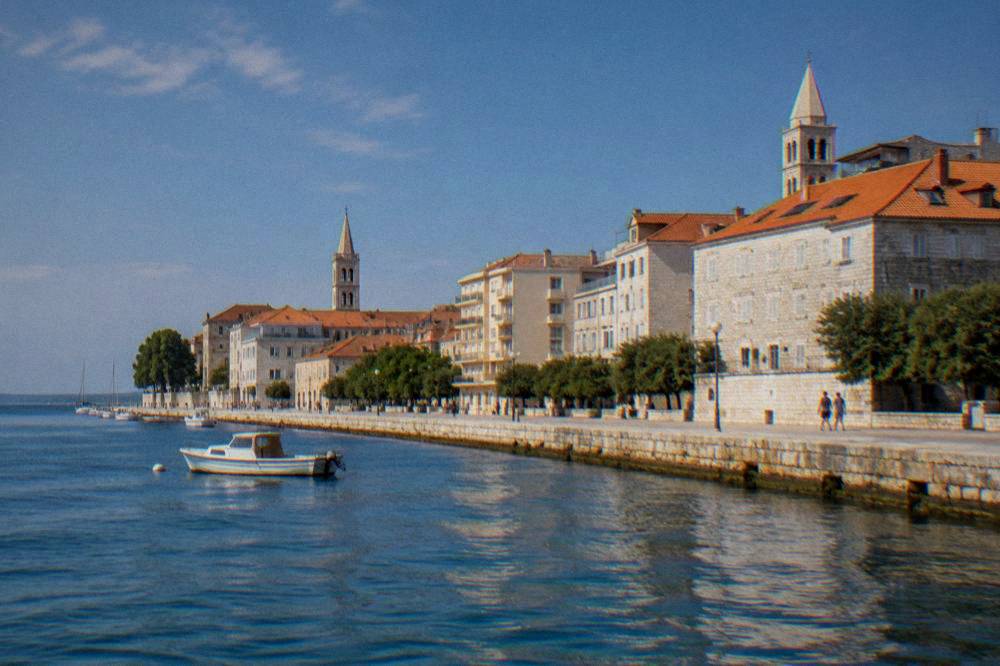
What the visitor sees today is a rebuilt city. The main street, Kalelarga, and the squares around it carry a mix of rebuilt stone and plainer postwar construction, and the waterfront installations at the tip of the peninsula belong entirely to the current century. That layering is itself a historical document of a kind, one you can read without a single disputed number.
What Are The Sphinx And The Pillar Of Shame In Zadar?
They are reported here only as named curiosities that exist in the city, with a recommendation to ask a local guide on the ground rather than trust the circulating stories.****
The Sphinx is a stone figure with a local legend attached, and the Pillar of Shame is a medieval-sounding public monument whose purpose is usually explained with more confidence than evidence. Tip-based walks run locally, and a guide standing beside the object will tell the story with the appropriate caveats; confirm arrangements with the guide directly.
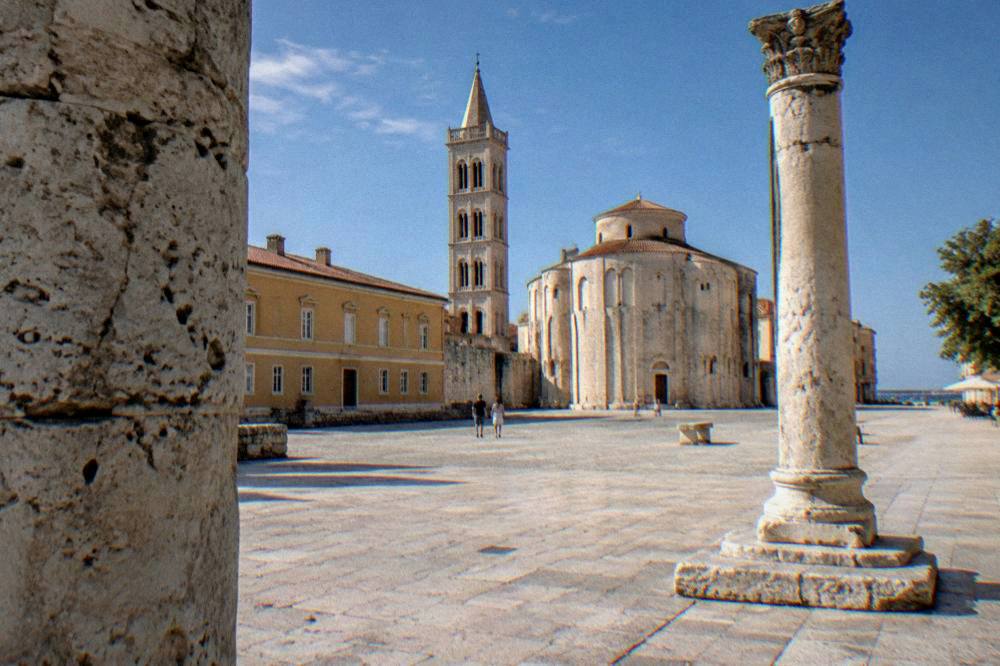
The honest framing is that Zadar rewards curiosity about objects it does not fully explain.
Where Does The Name Zadar Come From?
The origin of the name Zadar is an open question: competing derivations, from ancient Greek, Roman, and early Slavic forms, circulate, and none is settled.
Place names on this coast usually have a documented chain: a Roman predecessor, a Byzantine chronicler, a medieval charter, a Slavic adaptation. For Zadar that chain does not come together, and the versions offered online disagree with one another. Say that the name is old and that its derivation is disputed, and leave it there.
How Did The Sea Organ And Greeting To The Sun Change The Waterfront?
The Sea Organ, completed in 2005, and the Greeting to the Sun, installed in 2008, both by Zadar architect Nikola Bašić, turned the rebuilt northwestern tip of the peninsula into an open public work of art that is free to visit at any hour. The Sea Organ is a wave-driven sound installation built into the quay steps, and the Greeting to the Sun is a solar-powered light installation beside it, and the two together are the city's most recognisable modern statement.
The Sea Organ's tuning is done by the sea itself, with waves pushing air through channels under the steps, and the Greeting to the Sun collects sunlight by day and returns it as light by night. No start time for the evening light is printed here.
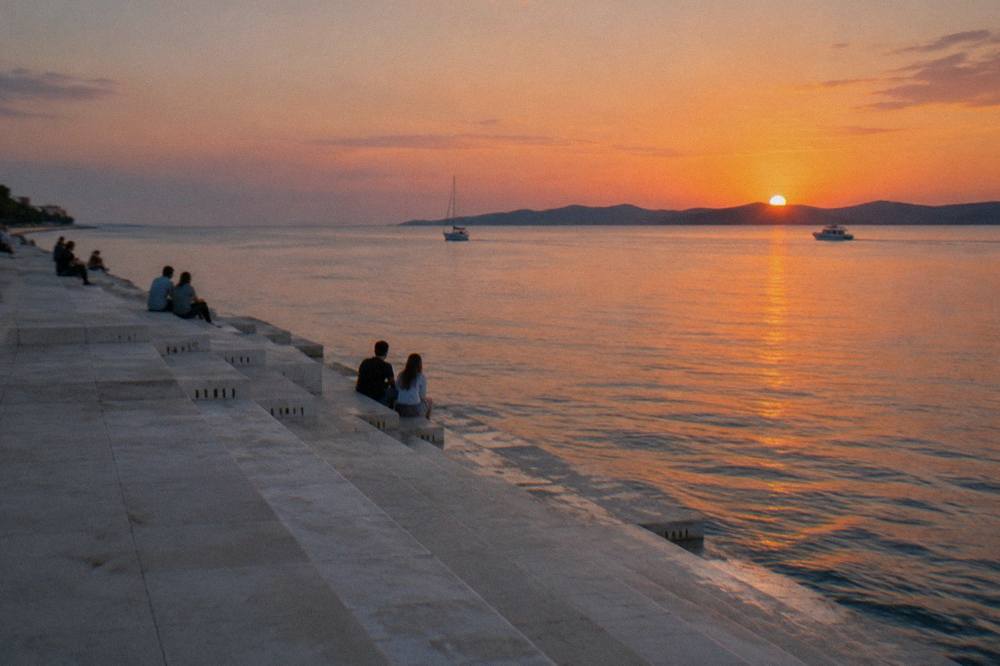
The context for their construction is the same postwar story told above: this stretch of waterfront was plain, and the installations gave it a reason to be visited at dusk.
| Installation | Year | Architect | Access |
|---|---|---|---|
| Sea Organ (Morske orgulje) | 2005 | Nikola Bašić | Free, open at all hours, on the quay steps |
| Greeting to the Sun (Pozdrav Suncu) | 2008 | Nikola Bašić | Free, open at all hours, beside the Sea Organ |
Because the light and the water are the point, the desk suggests the LED kayak option among the picks above for readers who want the same waterfront from sea level, a modern activity on a very old shore.
What Is Happening To Zadar's Historic Buildings Now?
Restoration is the current chapter of Zadar's history: the desk's dated research records a public tender launched at the end of August 2026 for the roof of St Donatus Church, with works planned from autumn 2026 for roughly six months as the first phase of a wider two-year restoration, and a city programme funding facade and courtyard renovations on the peninsula. Access to St Donatus may therefore be limited, and the desk advises checking before a visit.
The St Donatus file is specific. The roof works involve replacement of the deteriorated wooden structure and covering, the estimated contract value is about 1.3 million euros with 600,000 euros of ministry funding committed for 2026, and seven bids were received by early October 2026. During the works no programmes or events are planned inside, group visits are suspended, and individual access depends on the phase of the work. A reader planning a visit should treat access as changeable.
The peninsula-wide facade programme is smaller in scale but visible: the city approved 156,916 euros for the first seven buildings out of 300,000 euros allocated, covering cleaning, repair, painting and graffiti removal.
| Current work | Reported detail | Period |
|---|---|---|
| St Donatus Church roof | Tender value about 1.3 million euros, first phase of a wider restoration | Works planned from autumn 2026, about six months |
| Peninsula facades | 156,916 euros approved for the first seven buildings | Ongoing annual programme |
| Greeting to the Sun | Electronics reconstruction worth more than 61,000 euros | April 2026, completed |
Famous Zadar Claims
Each one either failed verification against a primary source or was contradicted during research.****
The exclusion list is a service, not a confession. A reader who meets one of these claims elsewhere now knows it did not come from a source this site opened.
Readers planning around these gaps should confirm details locally: the museum desks, the church entrances and the accommodation booking are where the real numbers live.
Common Questions About Zadar History
Is Zadar really the oldest city in Croatia?
Zadar is certainly old, with Roman remains standing in the city, but the oldest city title is best treated as a local tradition rather than a documented fact.
Why is Zadar a UNESCO site?
Zadar was inscribed in 2017 as one of six components of the Venetian Works of Defence property, shared between Italy, Croatia and Montenegro. The listing covers the defensive system, not the Old Town as a whole.
Who created the Sea Organ and the Greeting to the Sun?
Both are by the Zadar architect Nikola Bašić, the Sea Organ in 2005 and the Greeting to the Sun in 2008. Both are free public installations, open at all hours, on the northwestern waterfront.
The past that stands in front of you in Zadar, a 1543 gate, a rebuilt main street, a 2005 organ played by the sea, is enough history for one walk, and it has the advantage of being true. Readers ready to plan around it can start with the Zadar day trips guide or check availability on the featured Krka tour.
